


SHAH ALAM, Jan 21 — Easy access to various loan schemes has been identified as one of the main factors contributing to serious debt problems among teachers, with some facing the risk of bankruptcy.
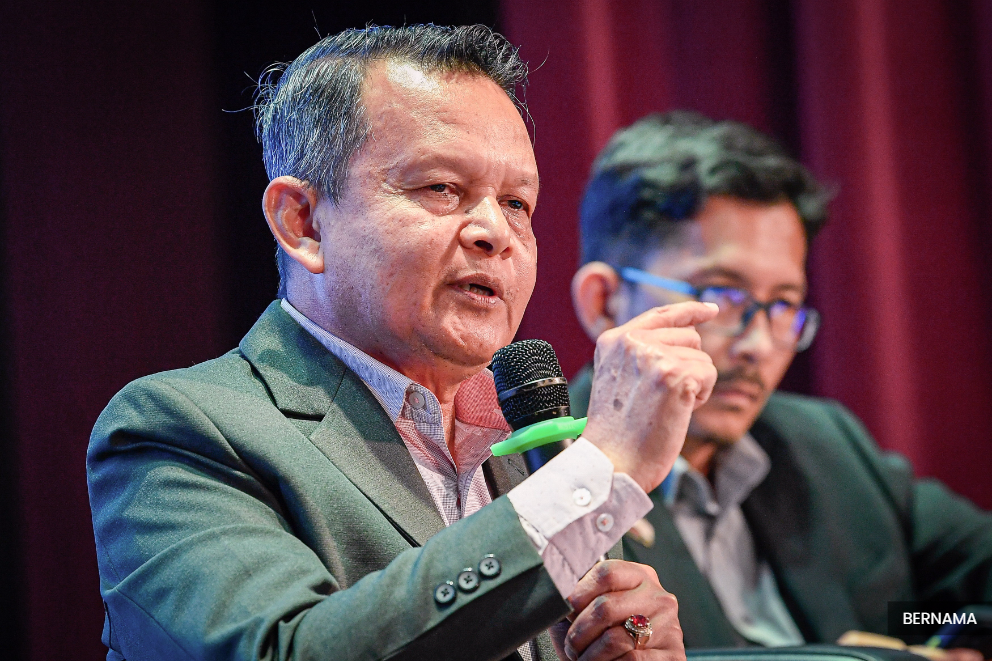
The National Union of the Teaching Profession's (NUTP) secretary-general Fouzi Singon said the issue is not isolated or confined to Selangor alone, but involves teachers nationwide.
He said a previous case involving an investment scheme known as CSA Academy revealed that around 1,700 teachers across Malaysia were affected, highlighting the level of financial vulnerability among educators.
“Selangor often becomes the focus because the number of teachers in the state is high, estimated at more than 40,000, in addition to teachers’ extensive social networks, which allow financial or investment offers to spread easily within school communities.
“Psychologically, teachers also tend to have ‘enterprising’ traits, with an inclination towards business and profit opportunities. This characteristic makes them more susceptible to investment or loan schemes that promise quick returns,” he told Media Selangor.
In this regard, Fouzi stressed that stricter controls must be implemented, particularly in the loan approval process, including a more rigorous assessment by department heads, who should not approve applications automatically without strong justification.
NUTP also urged Bank Negara Malaysia to tighten supervision of financial institutions, which are allegedly too lenient in approving loans for civil servants, sometimes exceeding the borrowers’ actual repayment capacity.
He also revealed cases involving teachers, particularly women, who were burdened with debt after being influenced by their spouses to take out loans for business purposes, but ultimately had to bear the financial consequences alone.
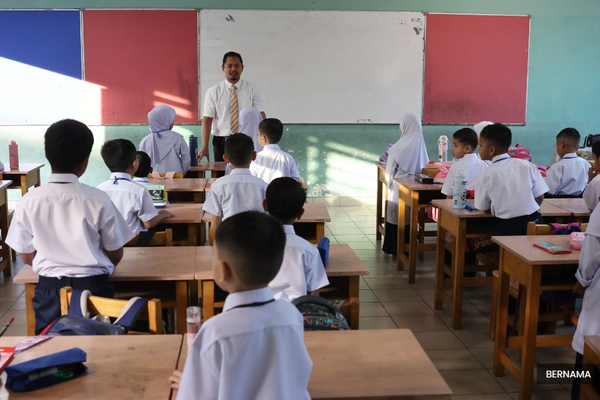
Commenting on the impact of bankruptcy on the teaching profession, Fouzi said that emotional stress arising from financial problems could affect teachers’ motivation, performance, and mental well-being, thereby negatively affecting students and the school environment.
“We propose that there be integrated cooperation between the Education Ministry, the Finance Ministry, and NUTP to go to the ground to organise financial management courses, particularly for new teachers, involving experienced individuals as examples and reminders.
“Teachers are also reminded to spend prudently, manage their finances carefully, and not be easily influenced by offers that appear lucrative, as teachers are role models and a key pillar in shaping future generations,” he said.
On Monday (January 19), the Malaysian Insolvency Department's (MDI) director-general Datuk Ishak Bakri said Selangor recorded the highest number of bankruptcy cases in the country, with teachers among the civil servants most affected.
High personal loan commitments were among the main causes, with fixed-income earners more exposed to the risk of bankruptcy, according to MDI's accumulated data and financial literacy programmes.