

KUALA LUMPUR, July 9 — As climate change and growing food security concerns reshape global agriculture, Malaysia can no longer rely solely on conventional farming methods to sustain its food supply and keep its agri-food industry competitive.
The sector's future increasingly depends on research, innovation, and the adoption of modern technologies that boost productivity while safeguarding crops against emerging threats.
Recognising this imperative, the Selangor Agricultural Development Corporation (PKPS), through its Agriculture Centre of Excellence (ACE), is strengthening its role as a hub for agricultural research, development and commercialisation.
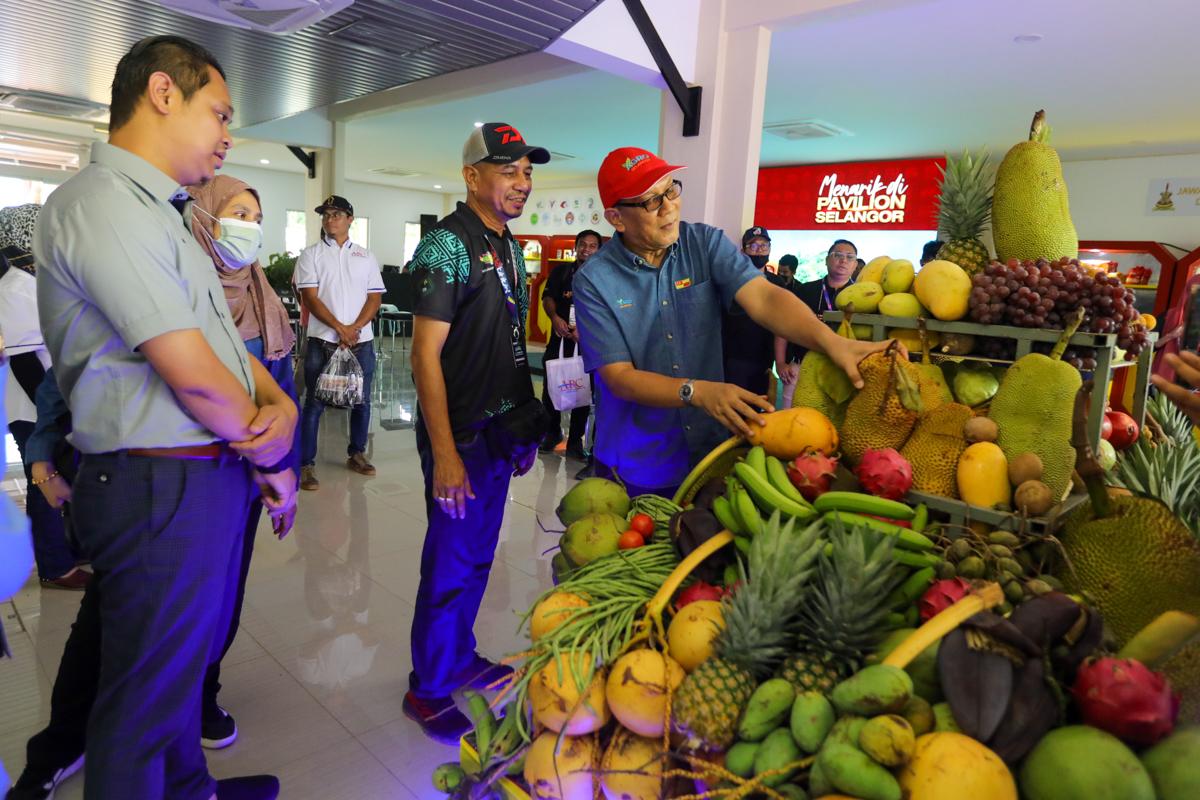
Located within PKPS' agro-tourism destination, the Selangor Fruit Valley (SFV) in Bestari Jaya, Kuala Selangor, ACE is more than a research facility. It serves as a bridge between scientific discovery and practical farming solutions, ensuring laboratory innovations translate into technologies that benefit farmers and advance agriculture in Selangor.
PKPS is a subsidiary of the Selangor state government.

Taking innovation from the laboratory to the farm
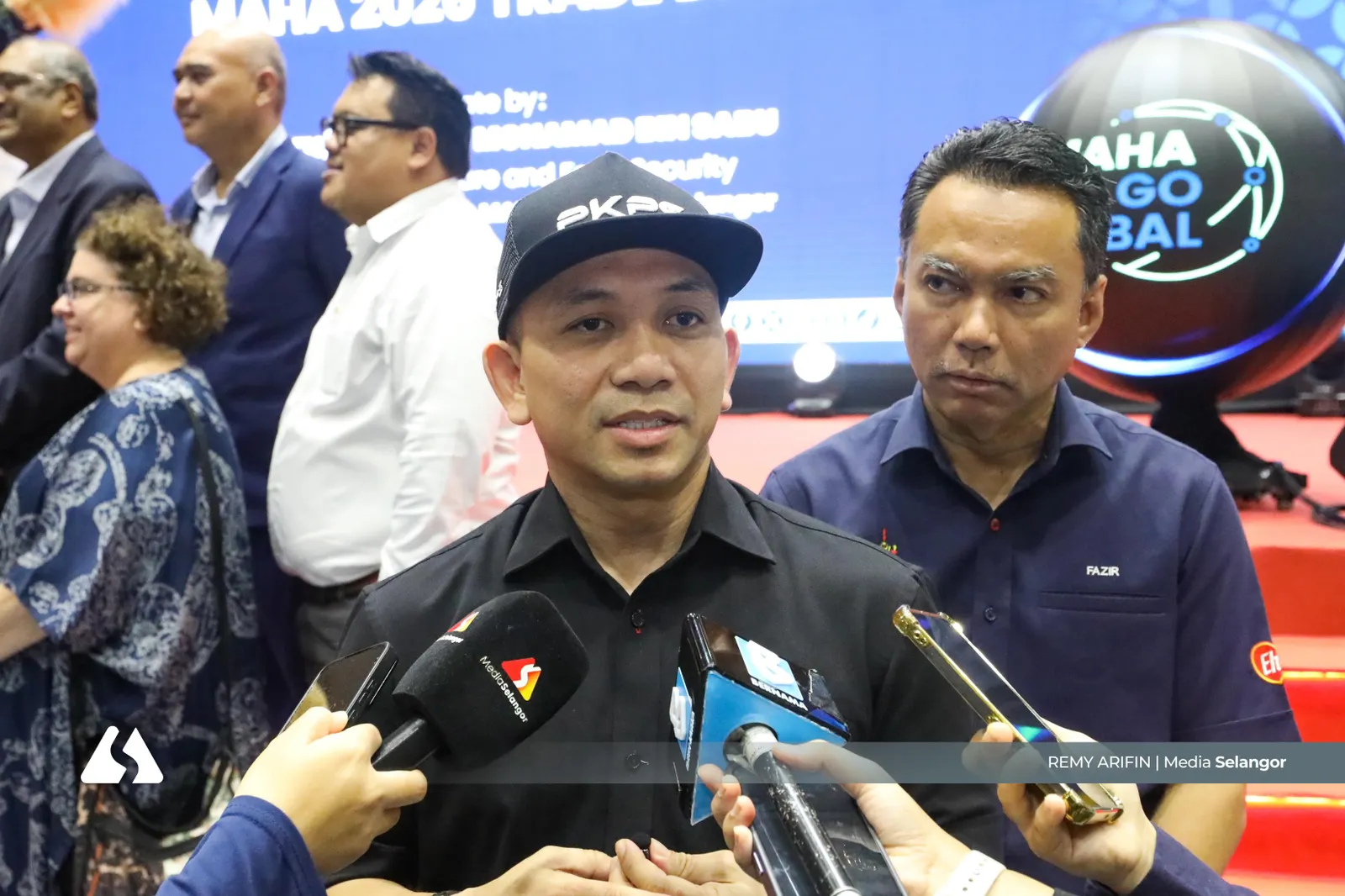
Explaining ACE's role, PKPS group chief executive officer Datuk Mohamad Khairil Mohamad Razi said the centre embraces a ‘Lab to Farm’ approach by expanding its research into several strategic areas with the potential to significantly transform the state's agricultural sector.
Among its latest innovations is the Lateral Flow ImmunoAssay Device (LFIAD), a rapid diagnostic technology that could revolutionise the detection of crop diseases in the field.
Developed using nanotechnology, the portable testing kit enables farmers to identify pathogens such as viruses, bacteria, and fungi by analysing plant samples, including leaves, directly from their farms.
"LFIAD allows early detection without waiting for laboratory analysis. This enables immediate mitigation measures before diseases spread to other crops and cause greater losses to farmers," he told Bernama.
Beyond disease detection, ACE is also focusing on developing high-value crops such as vanilla and soursop, both of which have promising prospects in domestic and export markets.
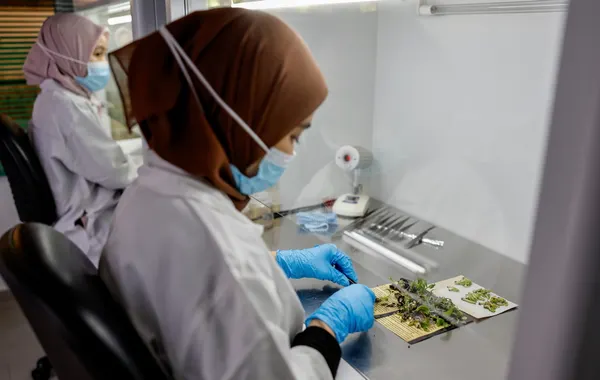
However, since its establishment in 2017, the centre has remained best known for producing Cavendish banana planting material through plant tissue culture, supplying about 20,000 premium-quality seedlings each month.
To improve efficiency, ACE has developed its own do-it-yourself (DIY) bioreactor system for in vitro propagation, enabling faster, more cost-effective production of high-quality seedlings.
The laboratory also employs Polymerase Chain Reaction (PCR) molecular technology to analyse DNA and verify the genetic purity of tissue-cultured plants.
Khairil added that the analysis is crucial in ensuring that no genetic mutations occur during production, guaranteeing that every seedling remains uniform, true-to-type and of consistently high quality.
Looking ahead, ACE plans to embark on crop breeding programmes to develop new varieties with higher yields, improved disease resistance and superior crop quality.
He said the initiative will be undertaken in collaboration with universities and research institutions to accelerate the development of varieties that meet industry needs.
The centre is also exploring microbiology-based technologies as part of its commitment to sustainable agriculture.
Such technologies could produce biological solutions to improve soil fertility, control crop diseases and accelerate the production of high-quality compost from agricultural and livestock waste.
They also offer the added advantage of reducing odour commonly associated with livestock farming while supporting a more efficient, environmentally friendly, and sustainable agricultural ecosystem.

Supporting farmers through contract farming
To ensure that technological innovations reach the farming community, ACE has introduced technology transfer programmes through contract farming and buy-back schemes, particularly for Cavendish bananas.
Khairil noted that under the programme, farmers receive high-quality tissue-cultured seedlings produced by ACE, along with technical training, continuous advisory support, and a guaranteed market for their harvest.
The initiative is designed to improve farmers' productivity and incomes while ensuring a consistent supply of premium Cavendish bananas for the local market.
Farmers who own land in Selangor are supplied with seedlings produced at SFV and receive regular guidance from PKPS officers throughout the planting cycle.
Participants are also required to submit periodic updates, including photographs and progress reports, while PKPS' technical team conducts routine field visits to monitor crop health, provide technical advice and assist in resolving any cultivation issues.
He said that one of the programme's biggest attractions is its buy-back guarantee, under which PKPS purchases the harvested bananas from participating farmers.
The arrangement significantly reduces marketing risks, giving farmers greater confidence to expand their operations.
After purchase, the bananas are transported to PKPS' processing facility, where they undergo cleaning, grading and ripening before distribution.
Only Grade A fruit is supplied to supermarkets and convenience store chains, while Grade B and Grade C bananas are channelled to the food processing industry to produce value-added products such as cakes, desserts, and other banana-based foods.
This integrated approach not only maximises the value of every harvest but also helps reduce food waste.
Besides Cavendish bananas, ACE also produces tissue-cultured seedlings of Berangan, Tanduk, and Abu banana varieties, as well as jackfruit, to meet demand from farmers and the agricultural industry.
The seedlings are sold at prices starting from RM2.50 each, making them among the most affordable tissue-cultured planting materials available in the market.
Khairil said the demand for banana varieties varies according to location and season.
While Cavendish bananas enjoy strong demand from supermarkets and convenience store chains that require year-round supplies, Tanduk bananas are especially sought after ahead of festive seasons for producing banana chips.
To strengthen Malaysia's supply of quality planting materials, PKPS also delivers banana seedlings nationwide, including to Sabah and Sarawak.
The integrated initiative is expected to strengthen the local banana industry while ensuring a stable supply to meet growing domestic demand.

Cultivating talent for modern agriculture
Beyond technological innovation, ACE is positioning itself as a centre for developing skilled human capital to drive the future of modern agriculture.
The centre has introduced a range of programmes to equip young people, farmers, and industry players with the knowledge and skills needed to embrace emerging agricultural technologies.
These include technical training, workshops, industrial placements, incubation programmes, and strategic collaborations with higher learning institutions and industry partners.
"The goal is to nurture a new generation of skilled professionals who not only understand modern agricultural technologies but can also contribute to the transformation of Malaysia's agri-food sector," he said.
Khairil emphasised that human capital development is essential to ensuring that technological innovations are fully utilised across the industry.
Moving forward, ACE will continue to serve as a platform for knowledge sharing and technology transfer while strengthening research, development, and commercialisation (R&D&C) activities as part of its long-term strategy to enhance productivity in the agri-food sector.
"Our commitment goes beyond empowering farmers through more efficient and sustainable technologies. It is also about strengthening the nation's food security to meet the needs of future generations," he said.