SHAH ALAM, Apr 21 — The state government is currently prioritising cost-saving measures and fiscal prudence to cushion the economic impact of the West Asia conflict, but may utilise its reserves if the situation calls for it.
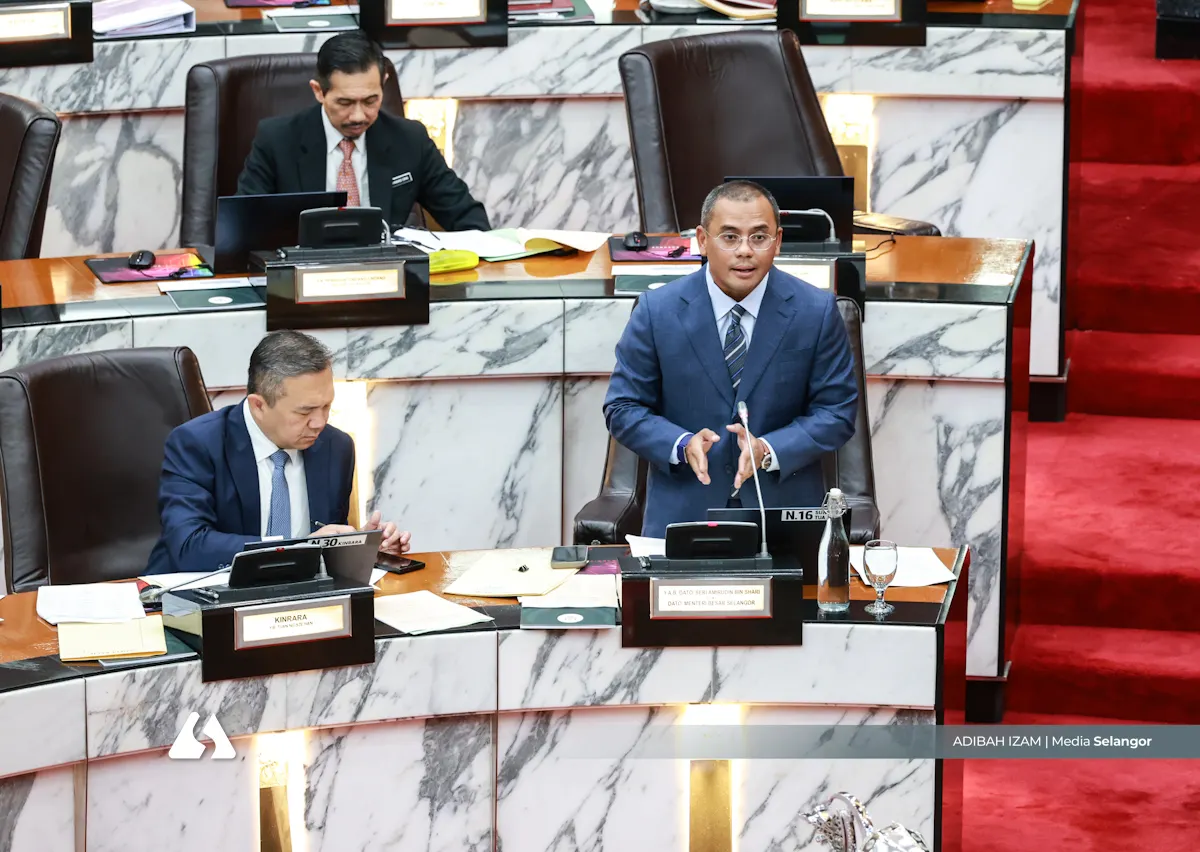
Addressing the Selangor State Legislative Assembly, Menteri Besar Dato’ Seri Amirudin Shari said the use of the reserves is under consideration.
“That is one of the options we can take. But at the initial stage, what the state government is doing is implementing cost-saving measures,” he said when responding to questions from state assemblymen on actions being taken amid the ongoing conflict and energy crisis.
Amirudin added that existing measures include limiting overseas travel and encouraging work-from-home (WFH) arrangements.
“We are targeting that, through these savings, we can have a surplus of about RM200 million that can be utilised (to help the rakyat),” he said.
Selangor is also working with its subsidiaries to support key relief programmes, while maintaining sufficient financial reserves for future emergencies.
Such support may come from its agencies, including Menteri Besar Selangor (Incorporated), or MBI, Selangor State Development Corporation, and Selangor Agricultural Development Corporation, depending on their financial capacity.
Amirudin noted that the state government expects to allocate between RM200 million and RM500 million to support spending for its stimulus packages this year, while ensuring that long-term reserves are not compromised.
“We do not want to jeopardise the future. At the very least, we must maintain sufficient savings so that we can face and absorb future challenges,” he said.
While Selangor’s immediate response plan — the RM131 million Selangor Resilience Enhancement Package Phase One — covers around six months, the economic effects of the West Asia conflict are expected to persist beyond a year, similar to prolonged post-pandemic COVID-19 recovery patterns.
The state government will continue to focus on easing cost-of-living pressures, particularly for vulnerable groups, protecting key economic sectors, and strengthening food security through expanded stockpiles and targeted assistance.
In the long term, Selangor plans to accelerate its energy transition, including expediting exploration into nuclear energy, alongside initiatives in solar, hydrogen, and waste-to-energy.
It is also driving structural shifts, such as WFH arrangements and increased public transport usage, with a target of a 60:40 ratio between public and private transport to reduce fuel dependency.
Amirudin said Selangor will also explore emerging sectors such as renewable energy and battery technology to strengthen long-term economic resilience amid ongoing global uncertainty.