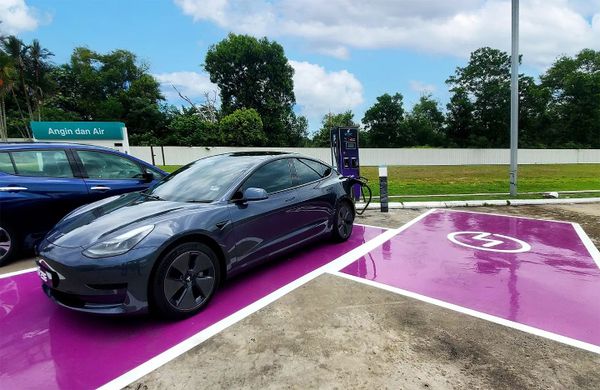

KUALA LUMPUR, July 9 — Approximately 6,416 public electric vehicle (EV) chargers have been installed nationwide as of May 31, said the Investment, Trade, and Industry Ministry (MITI).
The amount comprises 2,143 direct current fast chargers and 4,273 alternating current chargers.
“To address the shortage of chargers, the government has identified the challenges and implemented measures to increase the number of charging facilities nationwide.
"In this regard, the whole-of-government approach continues to be strengthened through the implementation of the EV Charging Bay Planning Guidelines by PLANMalaysia, which has shortened the approval process to as little as 14 working days.
“The approach includes ongoing engagement with local authorities, the Energy Commission, Tenaga Nasional Bhd, charging point operators, the EV Charging Industry Association, and the Malaysia Zero Emission Vehicle Association," it said in a written reply published on the Parliament's website yesterday.
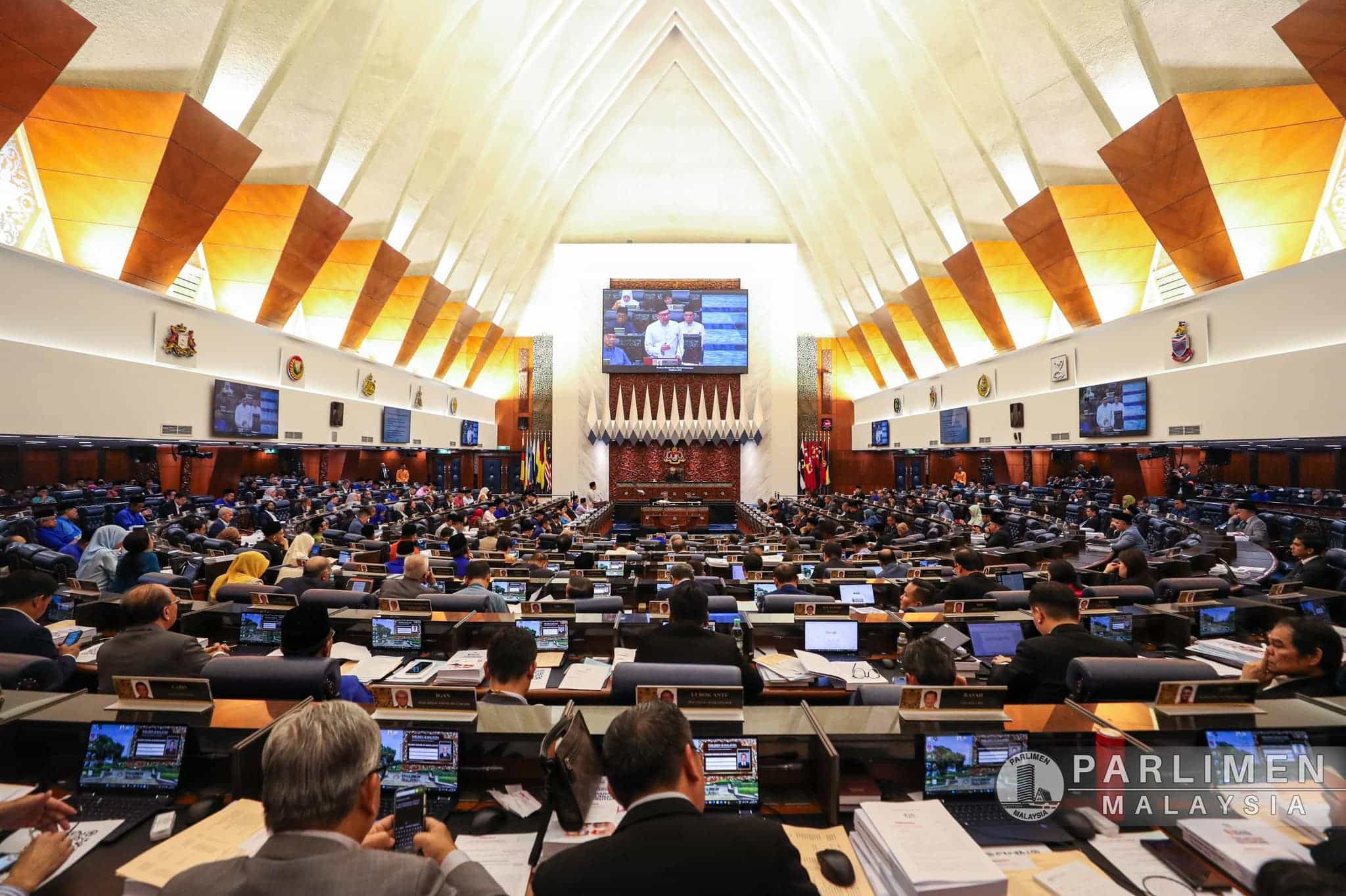
MITI was responding to Kuala Pilah MP Datuk Adnan Abu Hassan's query on the government’s strategy to expand EV adoption in Malaysia, including vehicle affordability, charging infrastructure readiness, and the development of the local EV ecosystem to support Malaysia's low-carbon mobility agenda and reduce dependence on fossil fuels.
It added that the government is also focusing on strengthening the domestic value chain through strategic collaborations with local companies, original equipment manufacturers, and global technology providers.
This will accelerate technology transfer and boost the production of high-value components such as batteries, electric drive motors, and Advanced Driver Assistance Systems.
Under the National EV Project — spearheaded by Perodua under the New Industrial Master Plan 2030 — 62 local suppliers and more than 300 Malaysian automotive engineers and specialists have been involved in developing the national EV.
“At the same time, the Proton EV project targets the participation of 40 local companies in its supply chain. These initiatives will strengthen the capabilities of local vendors in manufacturing EV components, accelerate technology transfer, and integrate Malaysian companies into the global EV supply chain," MITI said.