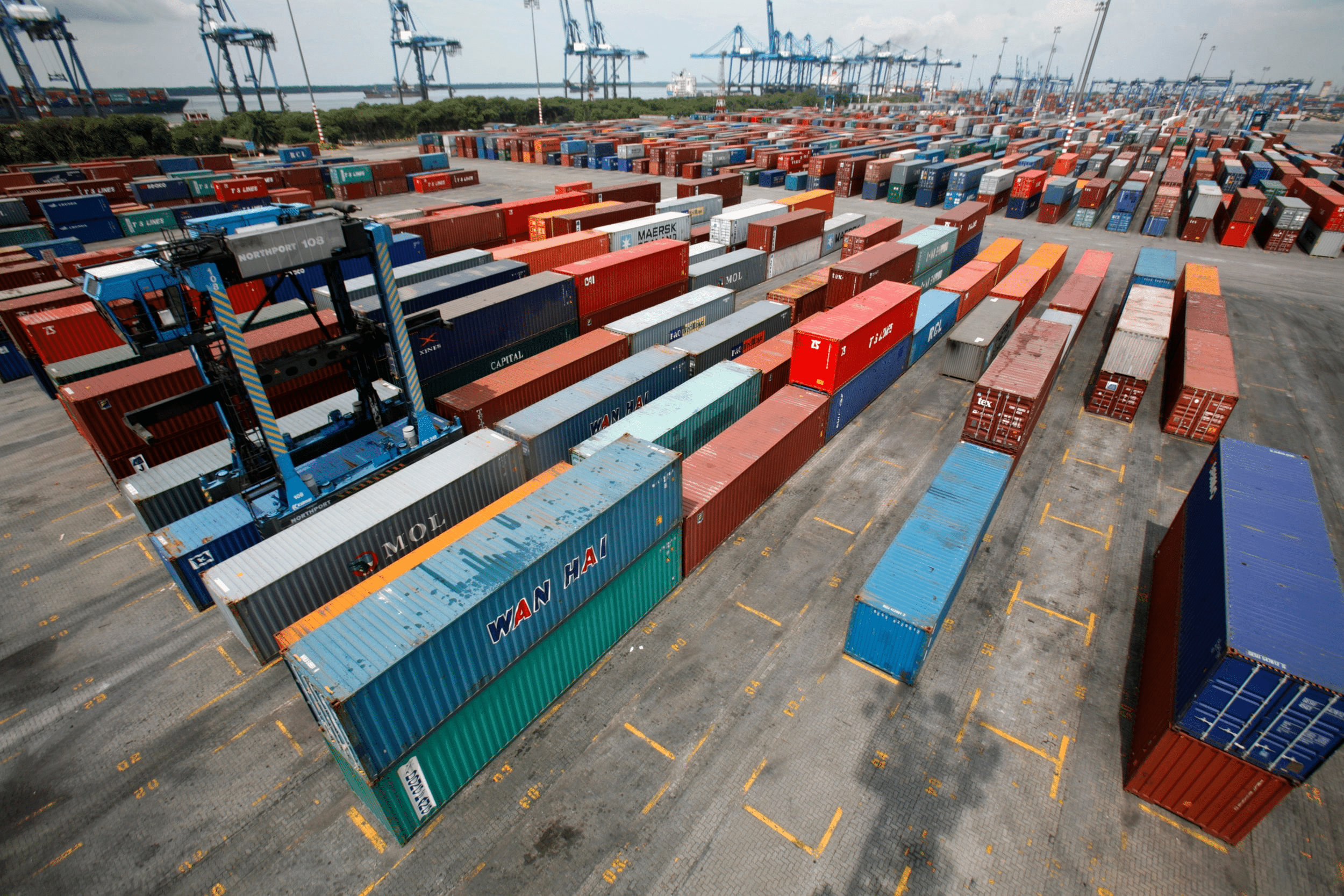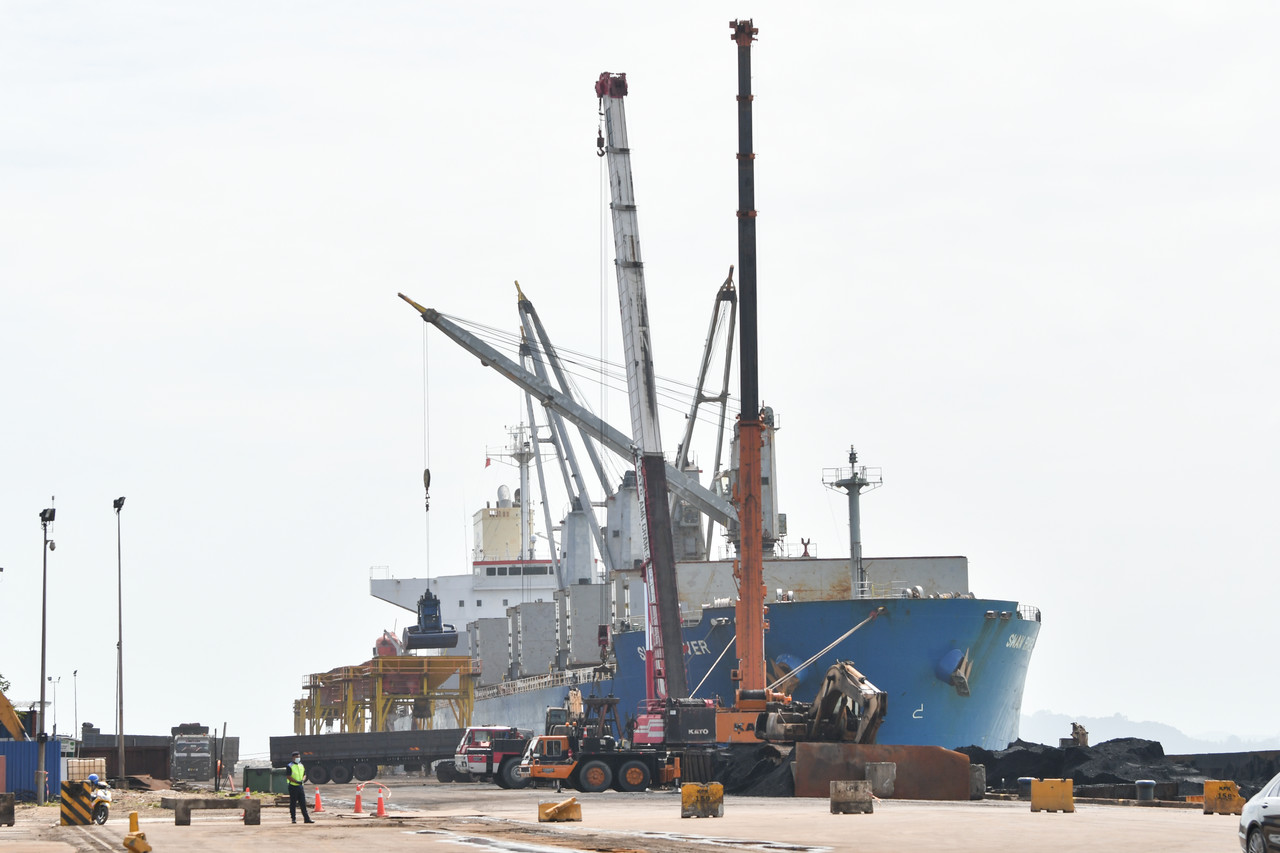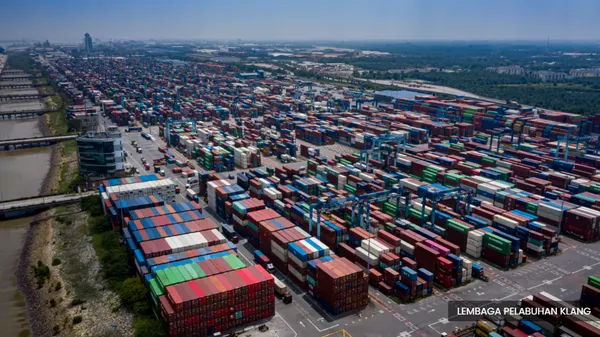
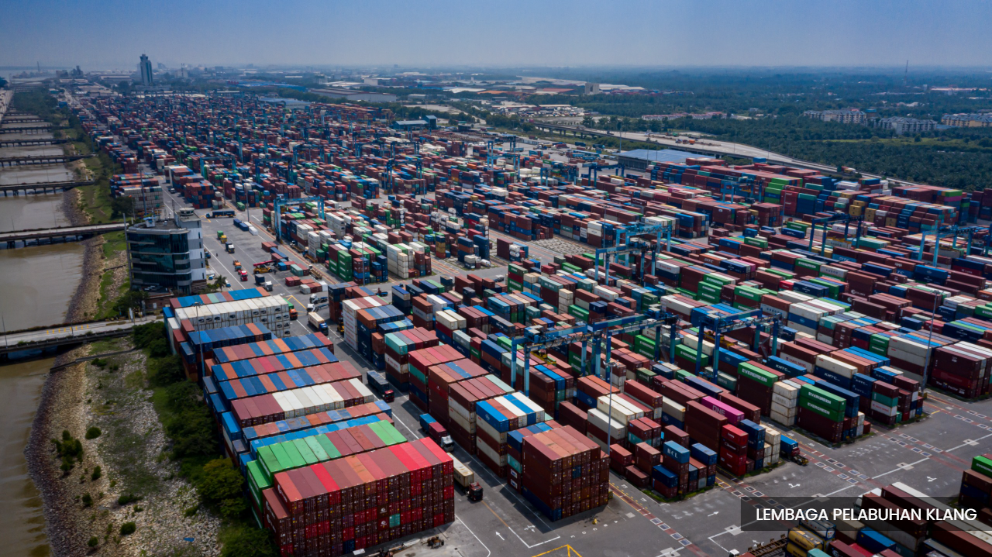
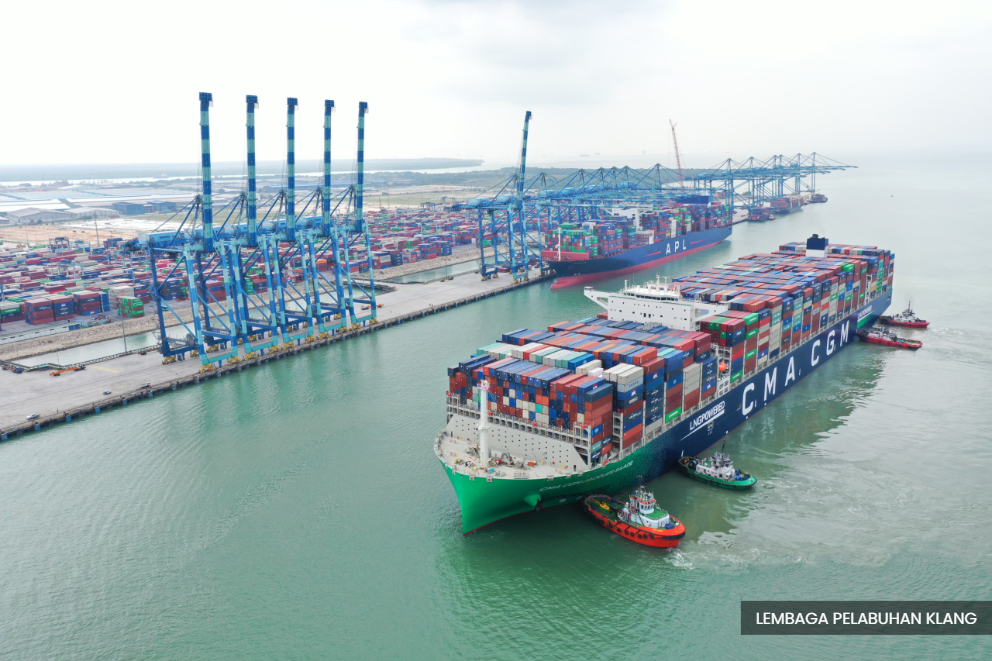

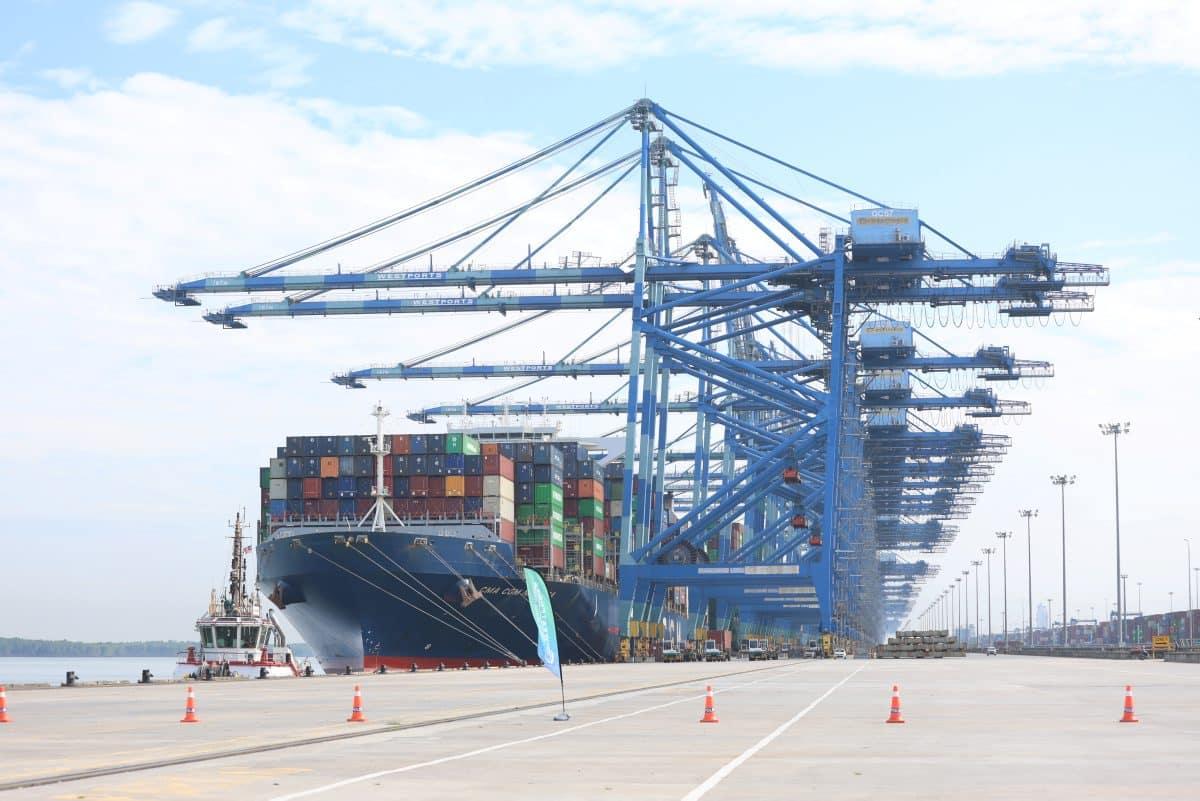
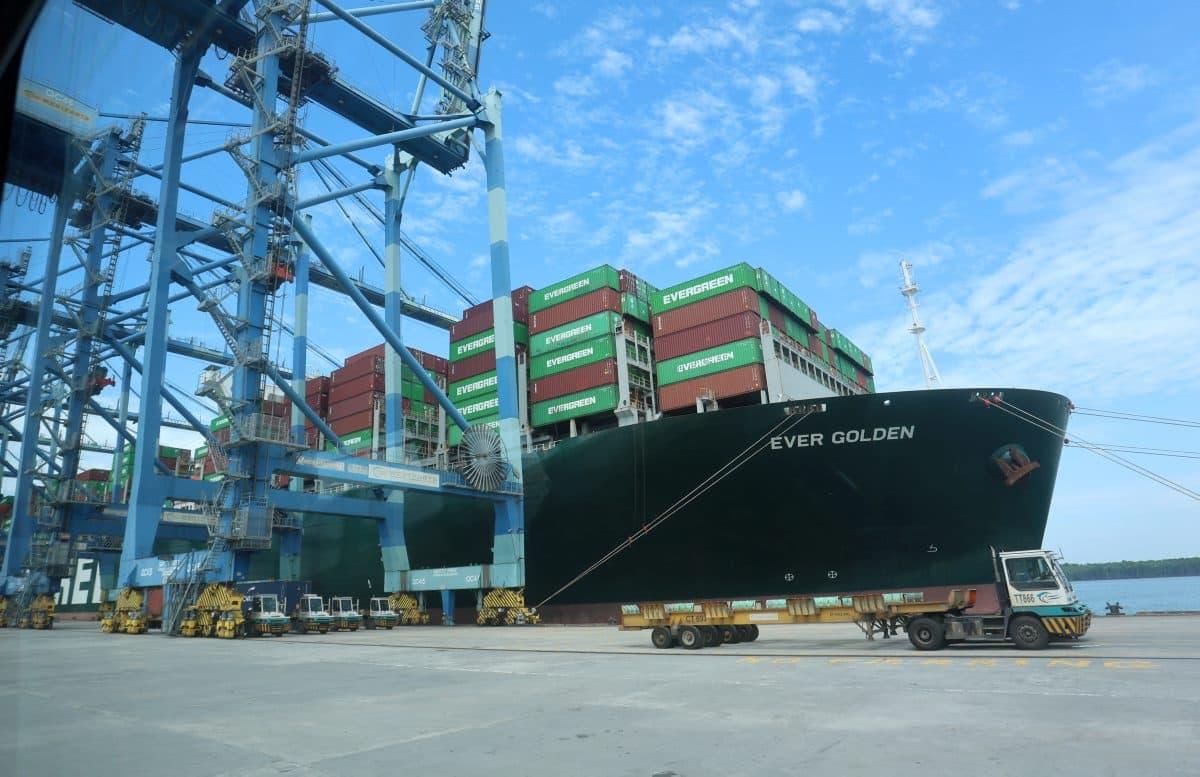
KUALA LUMPUR, July 8 — Malaysia aims to become a leading maritime hub in Southeast Asia by developing Port Klang's Third Terminal on Pulau Carey, which is expected to take nearly 20 years to complete, said Transport Minister Anthony Loke.
The mega project, to be implemented in phases, is a critical step to ensure the country's maritime competitiveness remains strong over the next 20 to 30 years.
Port Klang currently has a handling capacity of about 15.14 million twenty-foot equivalent units (TEUs), compared with Singapore's Tuas Port, which can handle up to 60 million TEUs annually.
"Tuas Port is three times larger than the existing Port Klang. If we want to compete, we certainly need substantial capacity and infrastructure.
"The development on Pulau Carey is aimed at transforming Port Klang into a mega port capable of handling a very large volume of TEUs. This planning is crucial to ensure our country's competitiveness remains strong in the years ahead," he said.
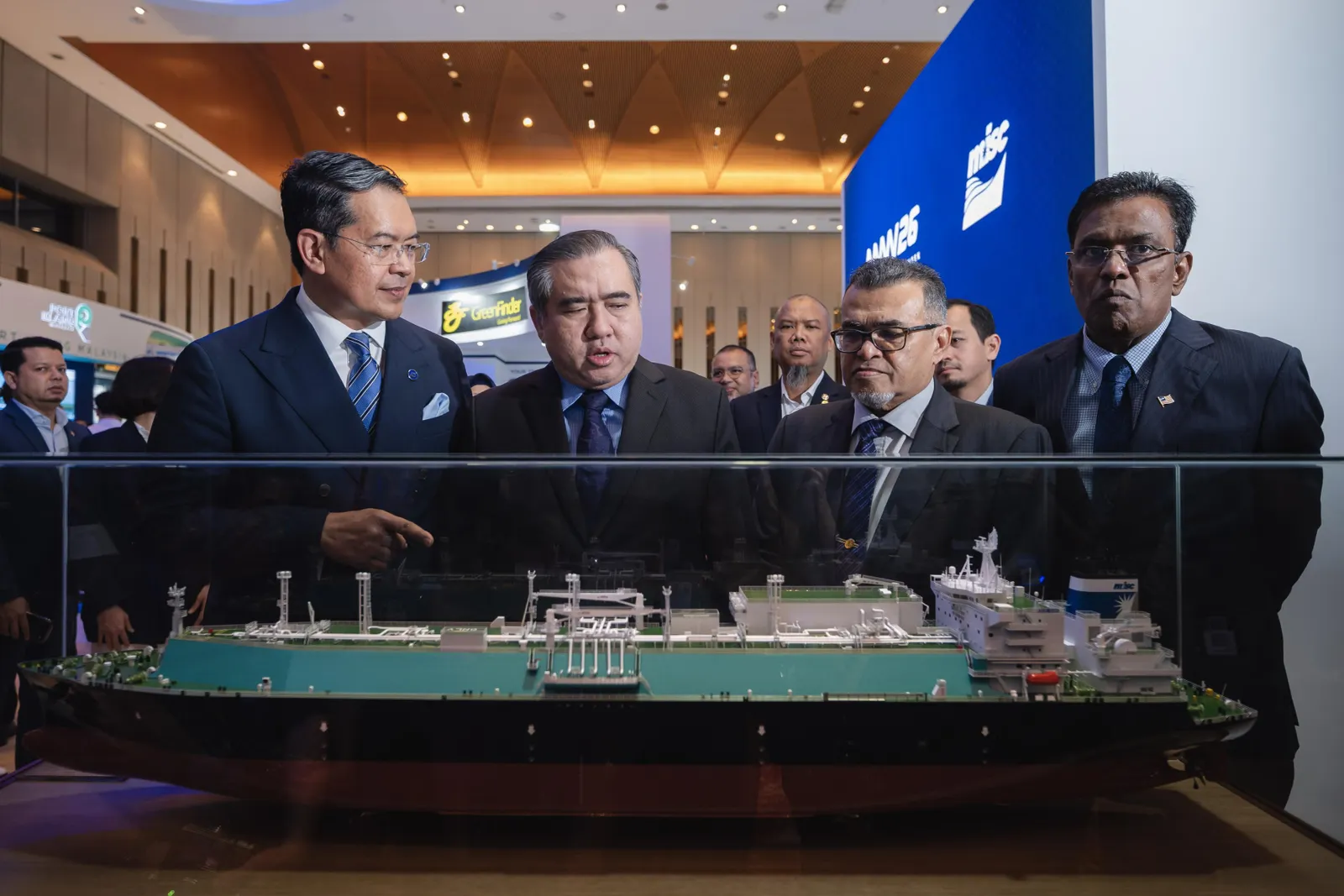
Loke was speaking at a media conference after opening the ASEAN Ports and Logistics Conference and Exhibition today.
On the project's latest status, he said the feasibility study, which began in 2018, has been completed, and the Cabinet has granted in-principle approval for the project to proceed under a public-private partnership model.
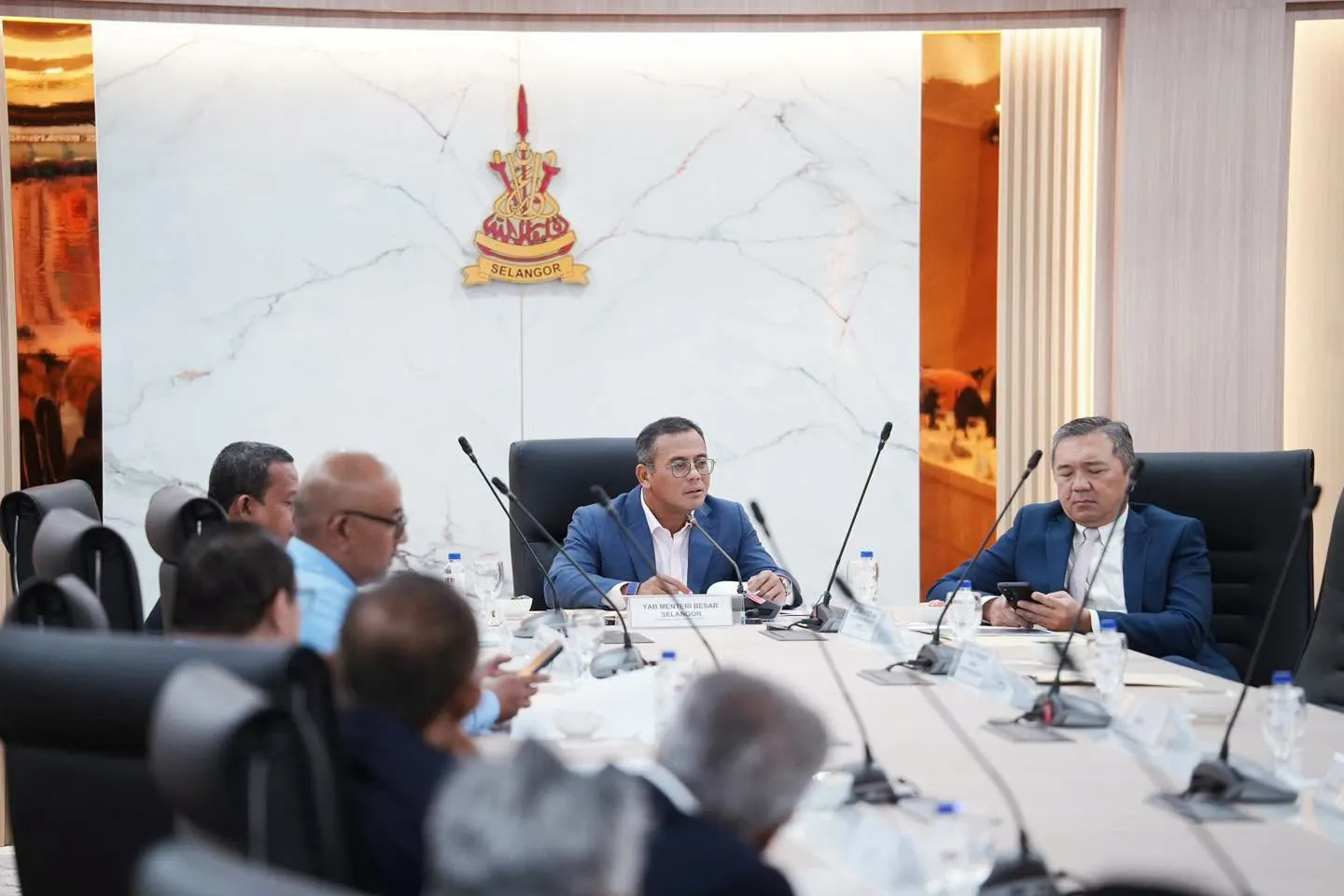
"There are land-related issues that we are currently resolving with the Selangor state government. Once these land issues are settled, we will kick-start the project very soon," Loke said.
On March 11, the minister said the government had approved the development of Port Klang's Third Terminal on Pulau Carey to strengthen Malaysia's economic capabilities and position in the ports and logistics sector.
Meanwhile, commenting on the impact of geopolitical tensions in West Asia on the maritime industry, he said Malaysia's geographical location has made it a safe haven for ports.
The global conflict has not adversely affected operations at local ports. Instead, both Port Klang and the Port of Tanjung Pelepas recorded positive cargo volume growth in the first quarter of this year.
"Although geopolitical uncertainty is a global threat, it has also created opportunities for ASEAN ports, particularly those in Malaysia, as more transhipment activities are shifting here due to safety considerations," Loke said.
He also called on all ASEAN member states to work closely together to uphold the principles of neutrality and security in the Strait of Melaka, ensuring the international trade route remains free from conflict.