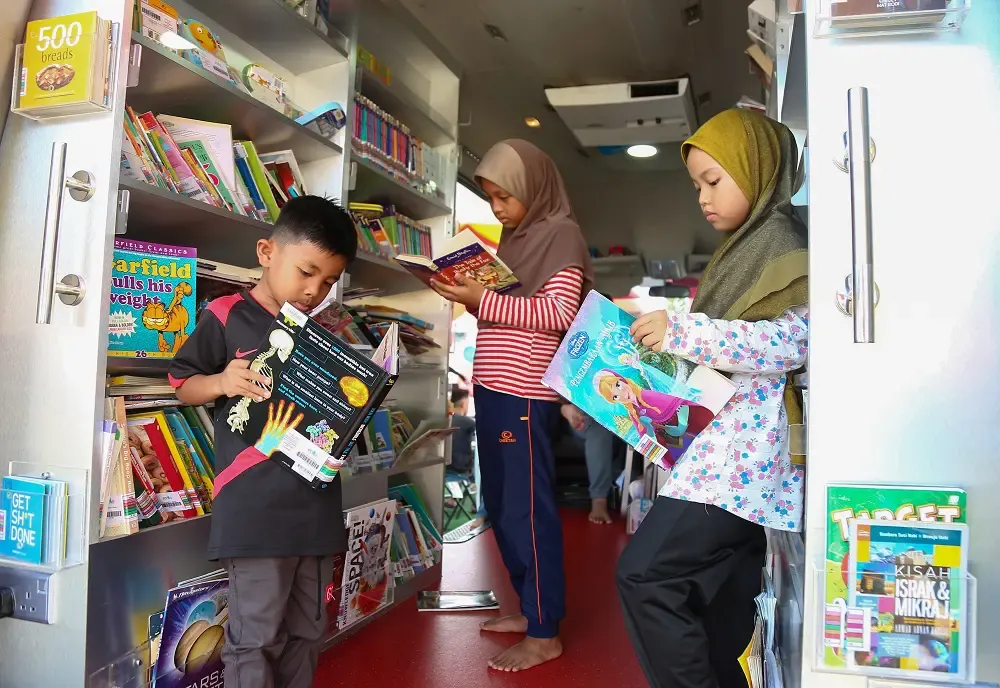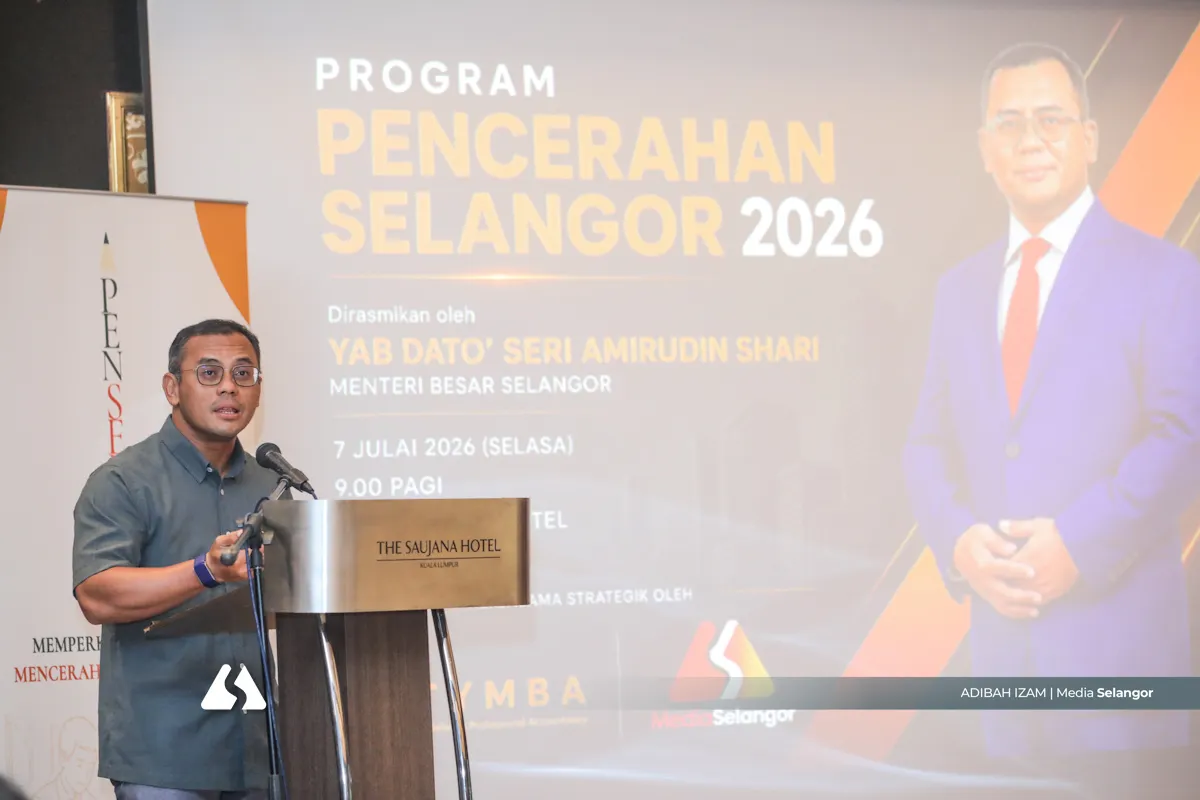

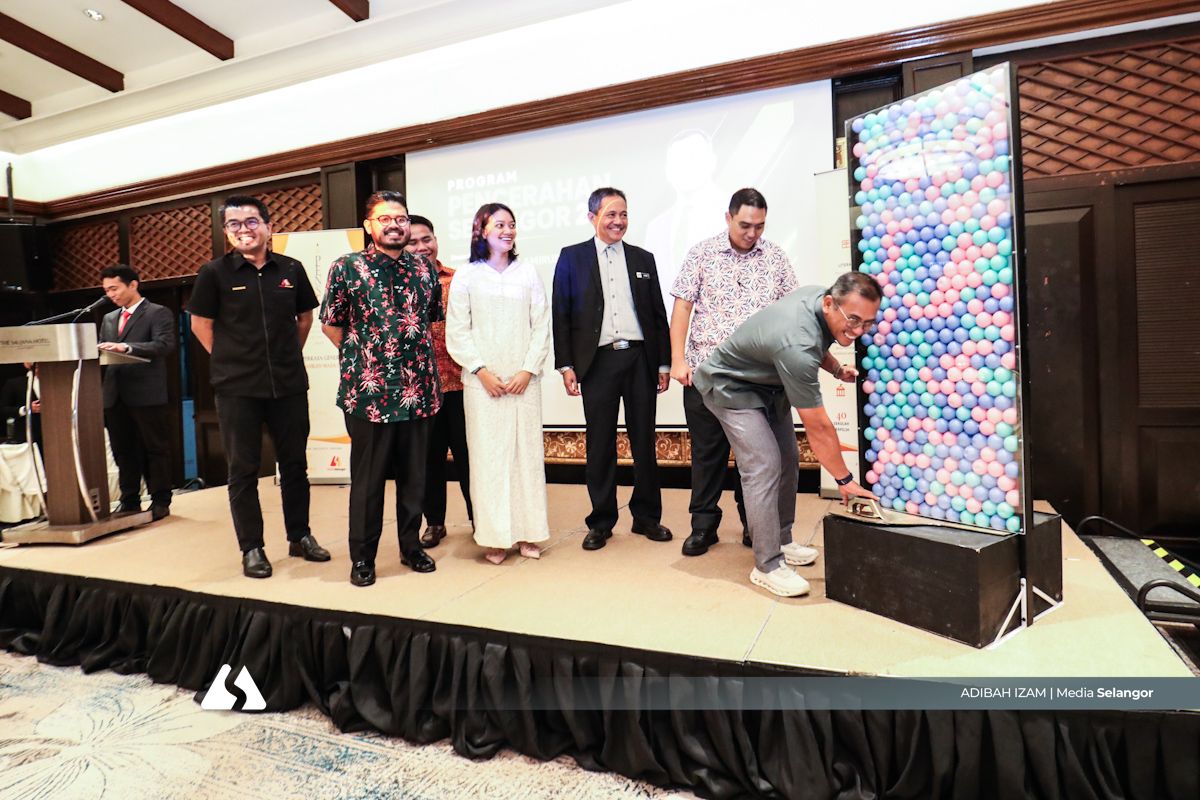
SUBANG JAYA, July 7 — The Selangor Enlightenment Programme (Program Pencerahan Selangor, or PENSEL), a nine-month initiative aimed at fostering a reading habit among secondary school students, was launched today with a target of reaching about 800 Form 4 students across the state.
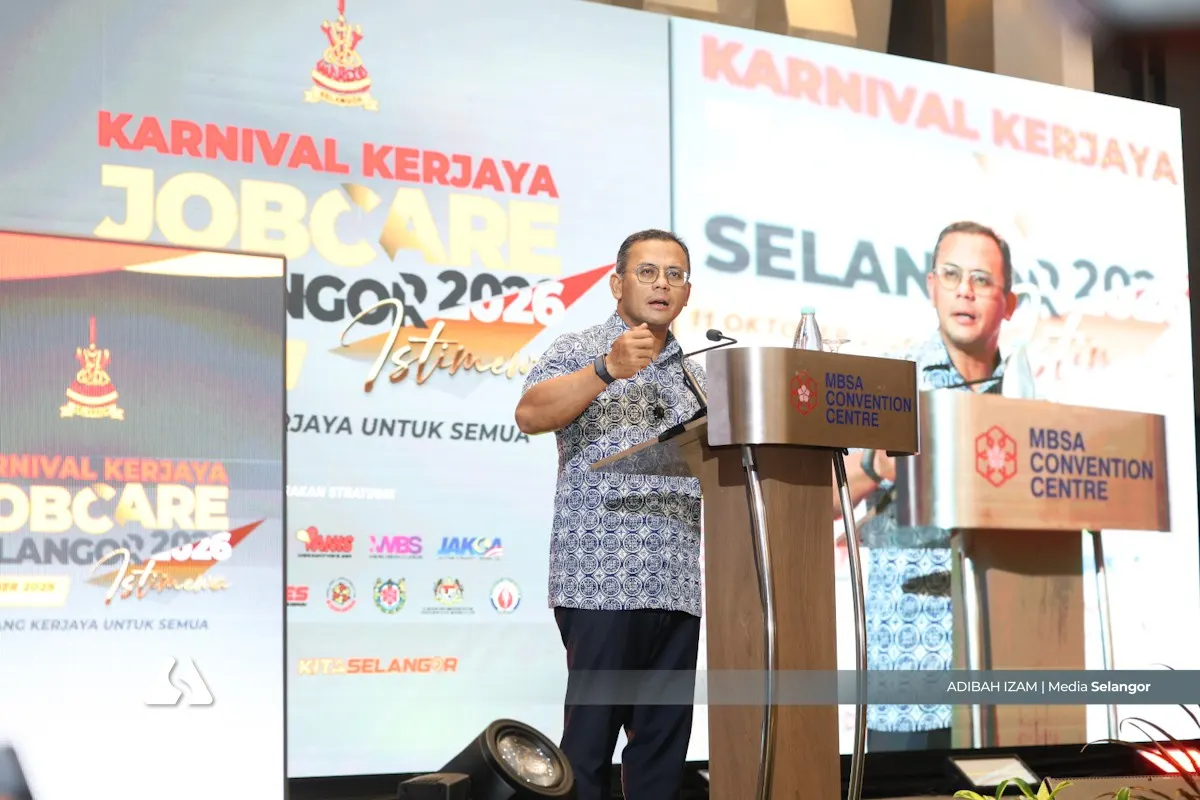
Menteri Besar Dato’ Seri Amirudin Shari said the programme, organised by Media Selangor Sdn Bhd and TYMBA Education Group, has the potential to nurture critical thinkers who confidently express their views.
He said the free programme, which runs from July to March, will feature group-based activities held after school.
“I believe PENSEL can be a gateway, with books acting as a catalyst for participants to understand and explore new ideas and characters,” he said during the PENSEL launch here today.
Also present were Selangor State Education Department deputy director Mohd Azuan Mohd Nawawi, Media Selangor chief executive officer Mohamed Fareed Mohamed Ashaaree, and TYMBA chief executive officer Airil Razali.
PENSEL will explore five books, namely, The Serviceberry by Robin Wall Kimmerer (environmental themes), Cita Sempurna Warisan Sejarah by Syed Hussain al-Attas (nationhood), Sejarah Selangor 1766-1939 by JM Gullick (history), 1984 by George Orwell (literature), and Edible Economics by Ha-Joon Chang.
Amirudin said a country cannot afford to remain static or stop imagining, and asserted that every generation must have the courage to articulate its own visions and aspirations for the future.
“PENSEL is not just about group discussions or fulfilling the state government’s education agenda, but also lays the foundation for personal growth, struggle, independence, development and transformation,” he added.
The menteri besar explained that PENSEL, which will be held weekly, will feature additional activities including book clubs, writing workshops, dialogues with prominent figures, and the release of anthologies.
“We want to see this programme create a meaningful impact rather than just being another ordinary initiative. I see it changing perspectives, paradigms, self-perceptions, and the way citizens view themselves and society,” Amirudin said.