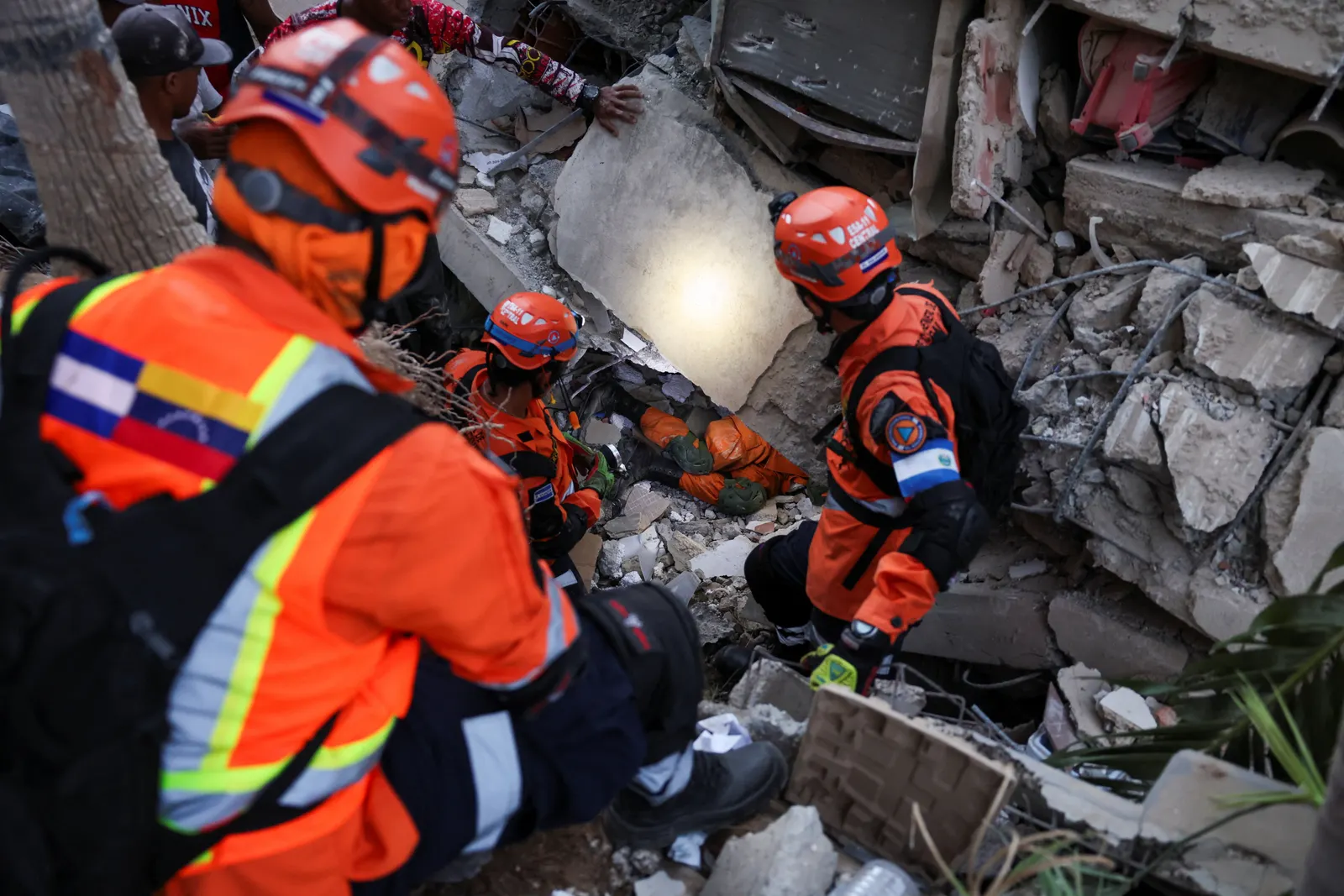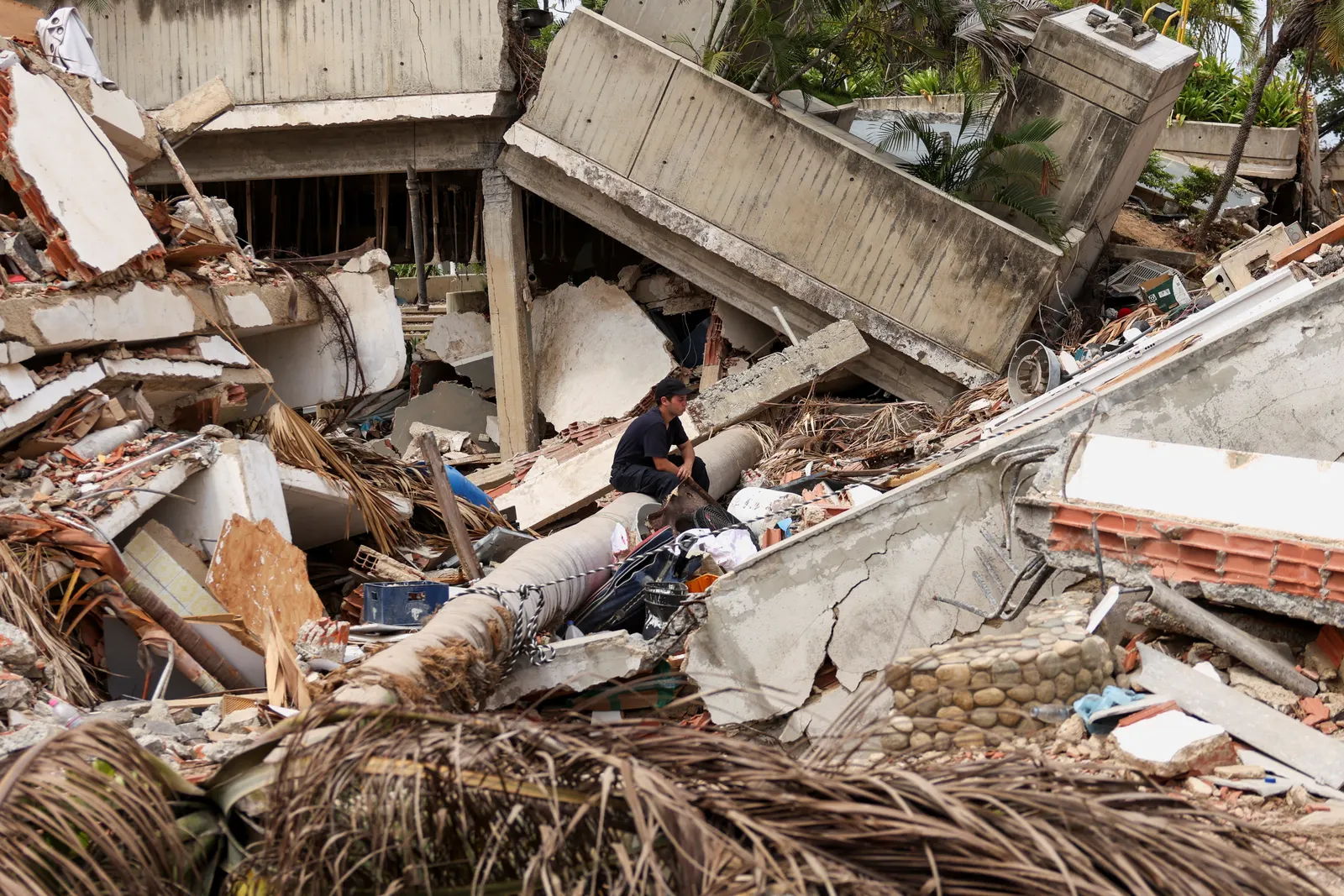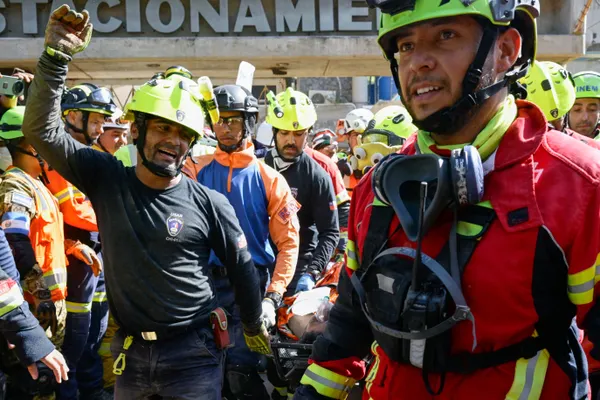

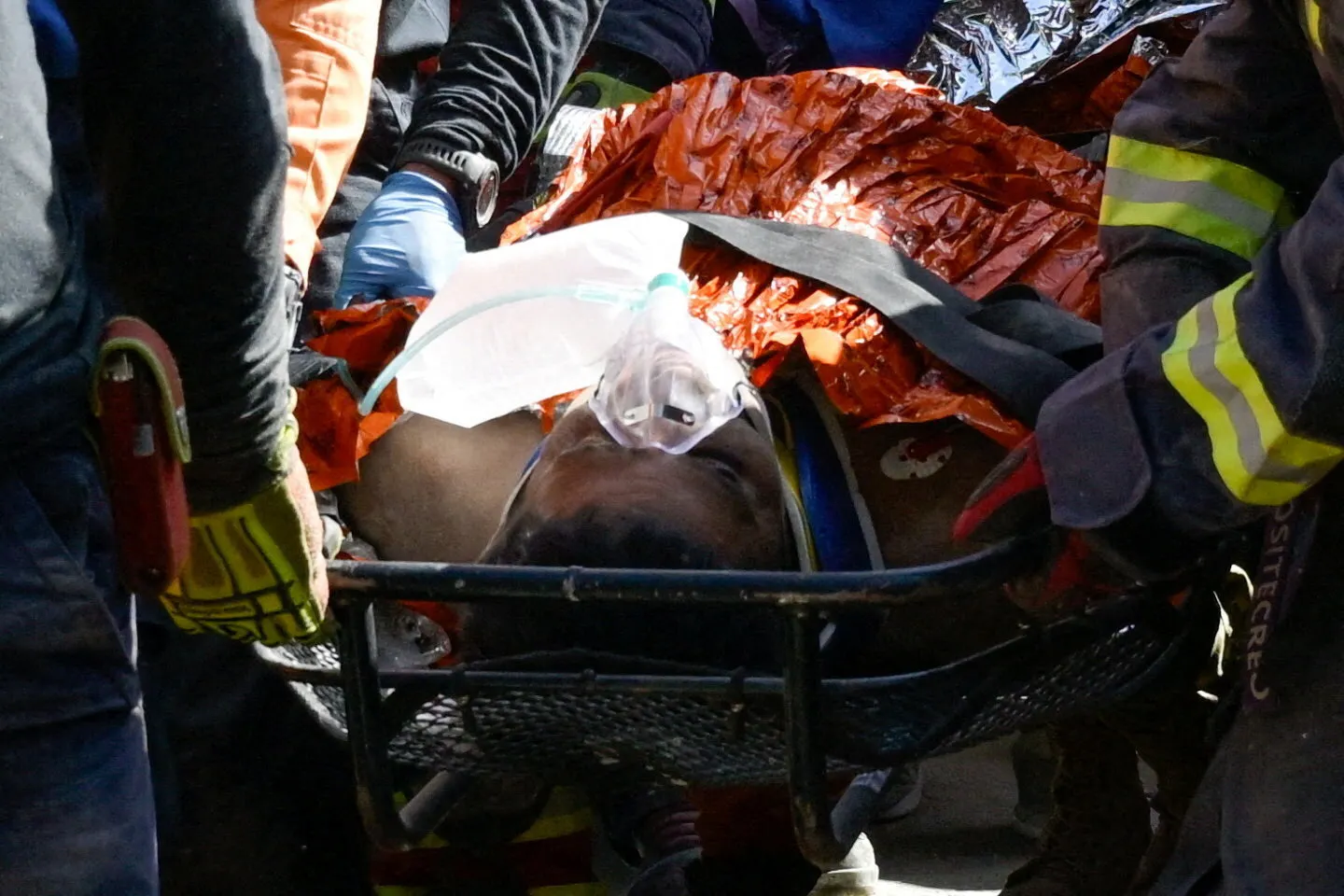
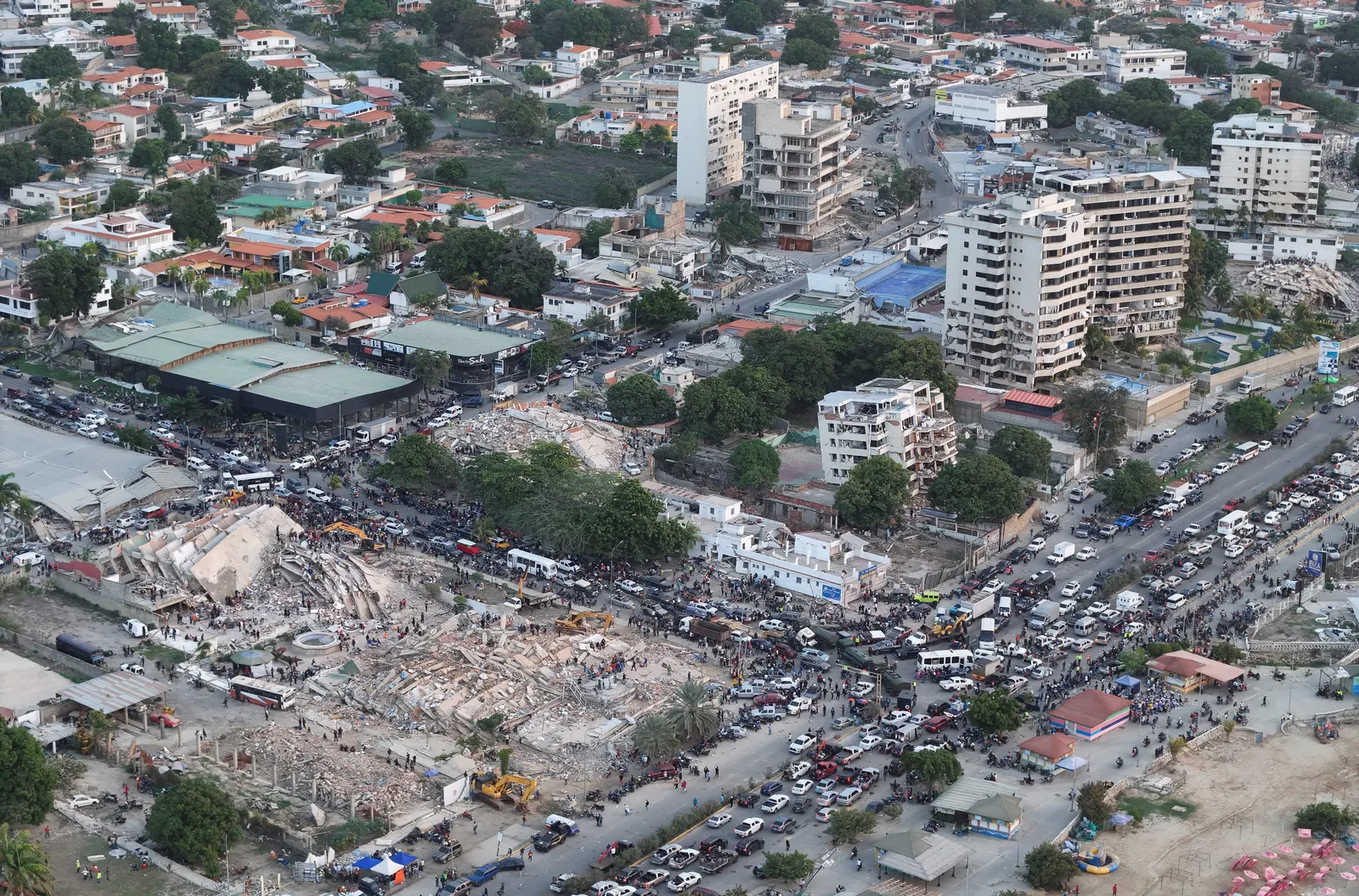
CATIA LA MAR, July 2 — Search and rescue teams from El Salvador and Chile on Thursday rescued a 44-year-old security guard trapped in the ruins of the mall where he worked in the Venezuelan state of La Guaira, more than a week after a duo of strong earthquakes devastated the country's northern coast.
Work to save Hernan Alberto Gil from the rubble of the nine-story Galerias Playa Grande Shopping Centre began on Monday, according to Salvadoran President Nayib Bukele, who has been posting updates about the operation on X (formerly Twitter).
Rescuers were able to provide him with hydration via tubing but needed to dig two separate tunnels to reach him because of the instability of the ruins.
Gil was carried out of the rubble on a stretcher on Thursday morning and loaded into an ambulance as cheering rescuers and reporters looked on.
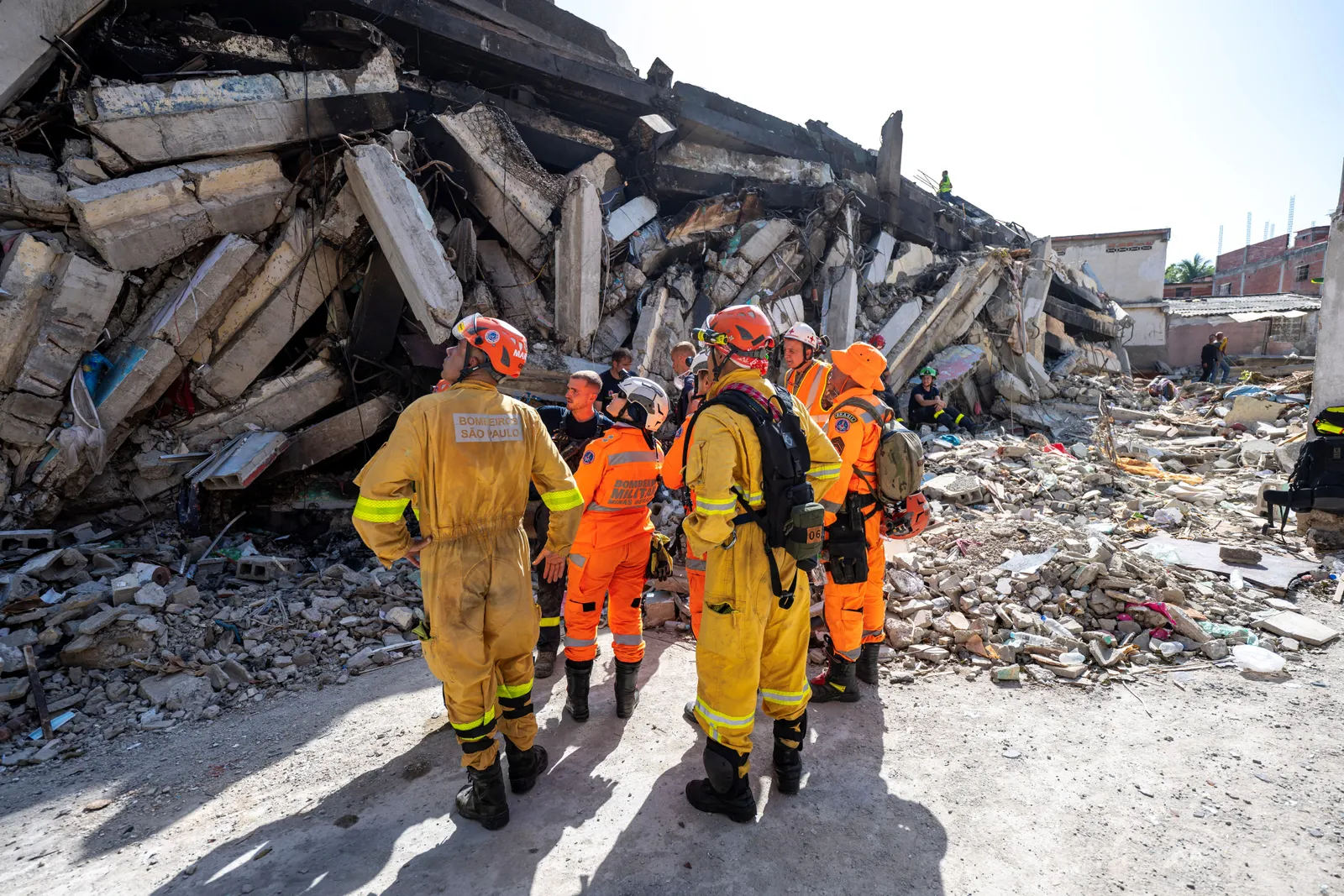
“This rescue was made possible thanks to the joint efforts of teams from Chile, the United States, Portugal, Mexico, Costa Rica, Venezuela, and El Salvador, who worked tirelessly to remove debris, stabilize the structure and clear a path to reach Hernan," Bukele said.
Also on X, Chile's firefighting service said that rescue took some 70 hours, but Gil was in good condition.
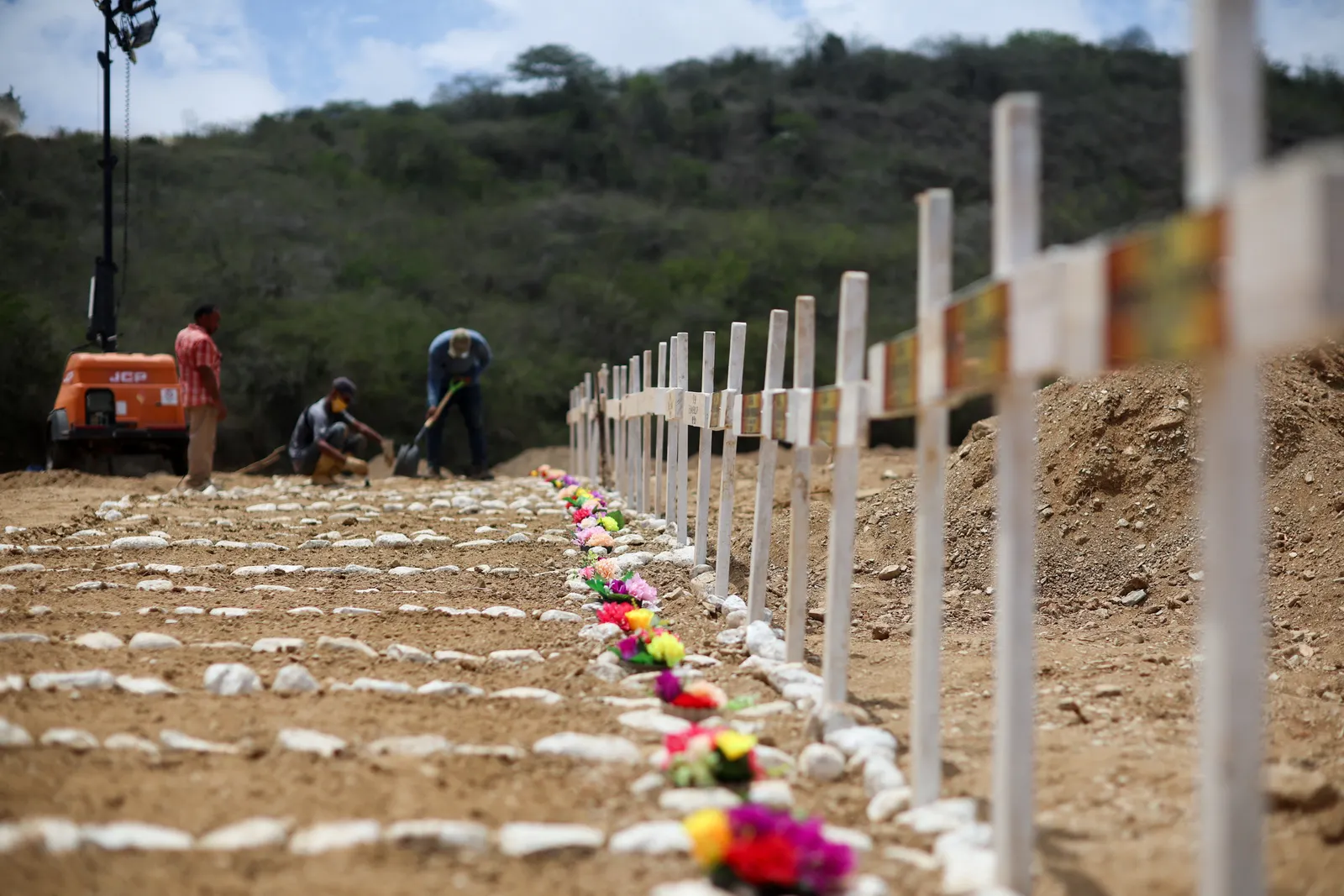
The 7.2- and 7.5-magnitude quakes struck less than a minute apart almost eight days ago, killing 2,295 people, according to government figures published on Wednesday.
The number of people listed as still missing on an unofficial but widely used online list was down to some 38,600 on Thursday morning, after peaking at nearly 60,000 in the days immediately after the quake.
Cellphone service has remained patchy in La Guaira, the hardest-hit state, which is less than an hour from the capital Caracas.
A United Nations envoy this week said it was procuring 10,000 body bags for Venezuela, and the USGS has estimated more than 10,000 deaths were possible.
Civilian responders
Venezuela's socialist government, in power under three different leaders since 1999, has for years promoted "civilian-military-police unity", and high-ranking security officials hold power over huge business interests.
The Army has some 2,000 generals controlling disparate groups of poorly paid troops, while intelligence bodies like the domestic spy agency SEBIN and military counterintelligence DGCIM are involved in everything from processing repatriated migrants — including deportees who were killed during the quake — to surveillance of civilians and the alleged torture of political detainees, allegations of which are denied by the government.
State television regularly broadcasts images of interim President Delcy Rodriguez meeting with military and security officials and groups of heavily armed soldiers, and dozens of police are patrolling major roads in La Guaira and sometimes directing traffic. But the response to the disaster has been led by civilians, many of them volunteers.
Victims of the quake have spent days trying to dig out loved ones with their hands, shovels and pickaxes, assisted by firefighters, civil protection corps, thousands of members of foreign rescue teams, student doctors and nurses, civilians who normally work as teachers and veterinarians and occasionally, a soldier.
Soldiers working for days alongside civilians in the six collapsed towers of a major public housing project in La Guaira told Reuters they had volunteered to help there.
Since mere hours after the quakes, many rescuers have decried a lack of heavy machinery needed to move huge slabs of concrete.
In the days immediately after the twin tremors, much of the water, food and other basic supplies arriving in La Guaira were ferried in by thousands of civilians, many on motorcycles.
Now, volunteers are running shelters for those who have lost their homes, receiving some official help, but setting their own governance rules and even creating their own tracking system for residents.
After initially thanking civilian volunteers, the government restricted public access to La Guaira last week, saying that traffic was blocking emergency vehicles and asking people to register to enter. Enforcement of the restriction lasted about a day.
Even when security officials are present at collapsed buildings, their presence has not always been welcomed.
Some Venezuelans have vented their frustration on social media, sharing videos showing security officials picking through the destruction and taking clothes, appliances, and cash.
Reuters has not verified the videos’ authenticity, but the Interior Ministry said that four crime scene police officials have been detained and removed from their jobs for "appropriating financial assets acquired amid the ruins."
Rescue teams from Germany and Switzerland have concluded their missions in Venezuela, the teams said, but rescuers from more than a dozen other countries remain.
Rodriguez is expected to hold a media conference later on Thursday.