DUBAI/WASHINGTON, June 29 — Iranian and United States (US) technical teams working on the implementation of an interim peace deal are expected to meet in Doha, Qatar, in the coming days, a source told Reuters on Monday, after tit-for-tat weekend strikes threatened to derail the fragile accord.
Mediators have established communications channels to de-escalate any incidents, and technical talks are set to continue.
A senior Iranian source said there would be a meeting in Doha on Tuesday, but unlike previous technical talks between Tehran and Washington in Switzerland, the focus would be on managing the Strait of Hormuz and de-escalating tensions.
On social media, US President Donald Trump confirmed that there would be a meeting in Doha on Tuesday, but gave no details.
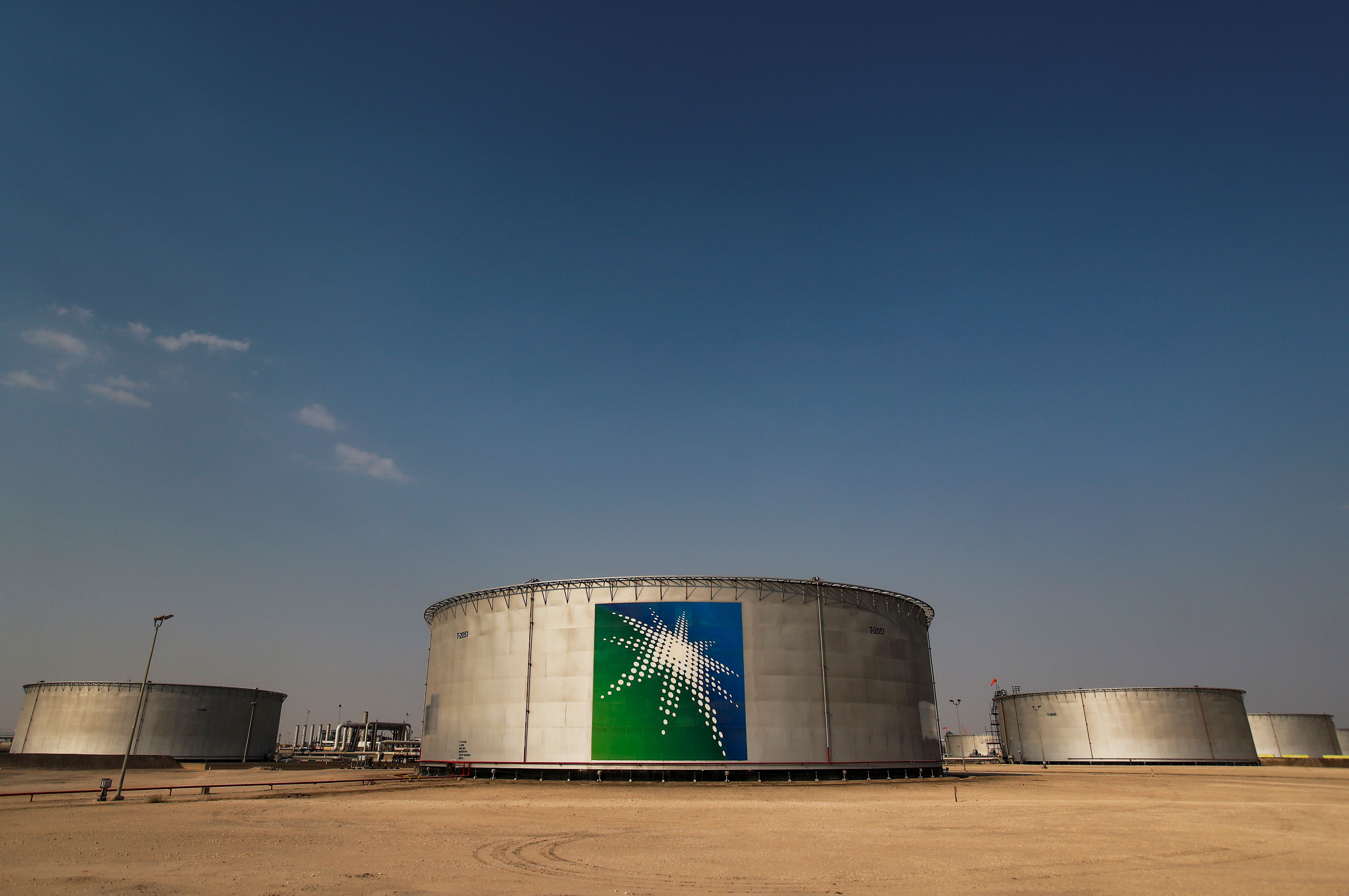
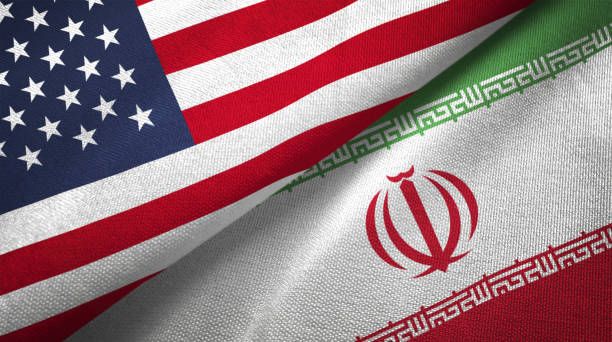
The US and Iran signed a 14-point memorandum of understanding on June 17 aimed at ending four months of conflict, under which both sides agreed to cease hostilities and reopen the strait, through which a fifth of the world's oil and liquefied natural gas typically transits.
The closure of the waterway sent oil prices above US$100 a barrel, pushing up global inflation and causing a political headache ahead of midterm elections for Trump, who touted falling oil and gas prices in a series of other early-morning posts on Monday.
The accord paves the way for 60 days of more in-depth talks on thornier issues such as Iran's nuclear programme, although both sides have given conflicting accounts as to what was agreed.
Release of frozen Iranian assets
On Monday, Iranian state media reported that President Masoud Pezeshkian said US$6 billion (RM24.43 billion) out of $12 billion (RM48.85 billion) of assets frozen in Qatar would be released following the accord and returned to Iran.
He described the memorandum, which includes waivers for sanctions on Iran's oil and petrochemical sectors, as "a great victory for the Iranian people."
The senior Iranian source said Doha and Tehran were in the final stages of agreeing on technicalities for the release of the first US$6 billion of frozen assets, which he said would be issued in two tranches.
Oil prices rose on Monday with Brent crude futures up almost one per cent after the weekend tension highlighted the fragility of the US-Iran accord.
On Monday, White House Press Secretary Karoline Leavitt told Fox News that US envoys Steve Witkoff and Jared Kushner would fly to Doha this week for high-level meetings, which would take place alongside technical talks.
"As far as we are concerned, we are holding up our end of the ceasefire. Violence will be met with violence," she said.
However, Iran's Tasnim news agency reported that Deputy Foreign Minister Kazem Gharibabadi said the working group meetings were not scheduled for this week. His remarks, made before Trump's post, indicate the uncertainty surrounding the interim deal.
Gharibabadi added that consultations with Qatar, including follow-up on the implementation of the other side's commitments, were continuing as usual.
French President Emmanuel Macron said he was working with Oman to de-escalate tensions in the Middle East and would cooperate with partners to de-mine the Strait of Hormuz.
"We have decided to collaborate, in conjunction with our partners, on clearing mines from the Strait in order to secure maritime routes and guarantee free and unconditional passage through the Strait of Hormuz," he wrote on X (formerly Twitter) after meeting with Oman's Sultan Haitham bin Tariq al-Said at the Elysee Palace on Monday.
A return to talks would follow several days of strikes and counterstrikes since an Iranian projectile hit a cargo vessel in the Strait of Hormuz on Thursday, with both the US and Iran accusing the other of breaking the interim ceasefire.
Iran, which has sought to exert its authority over shipping in the strait, launched missiles and drones at US military sites in Kuwait and Bahrain early on Sunday.
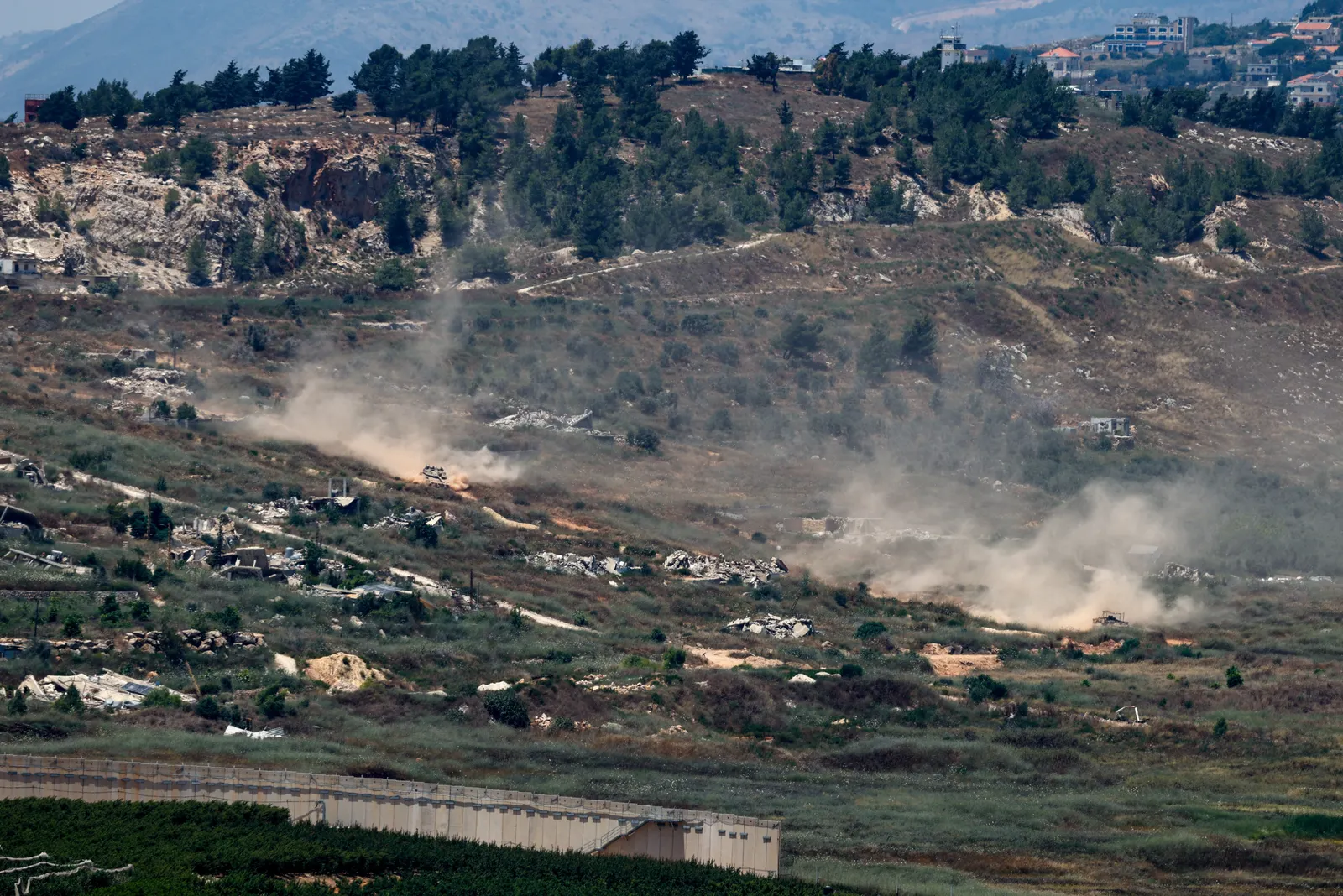
Uncertainty over latest ceasefire deal in Lebanon
Kuwait's Army said its air defences were responding to missile and drone attacks, while Bahrain said sirens had sounded there.
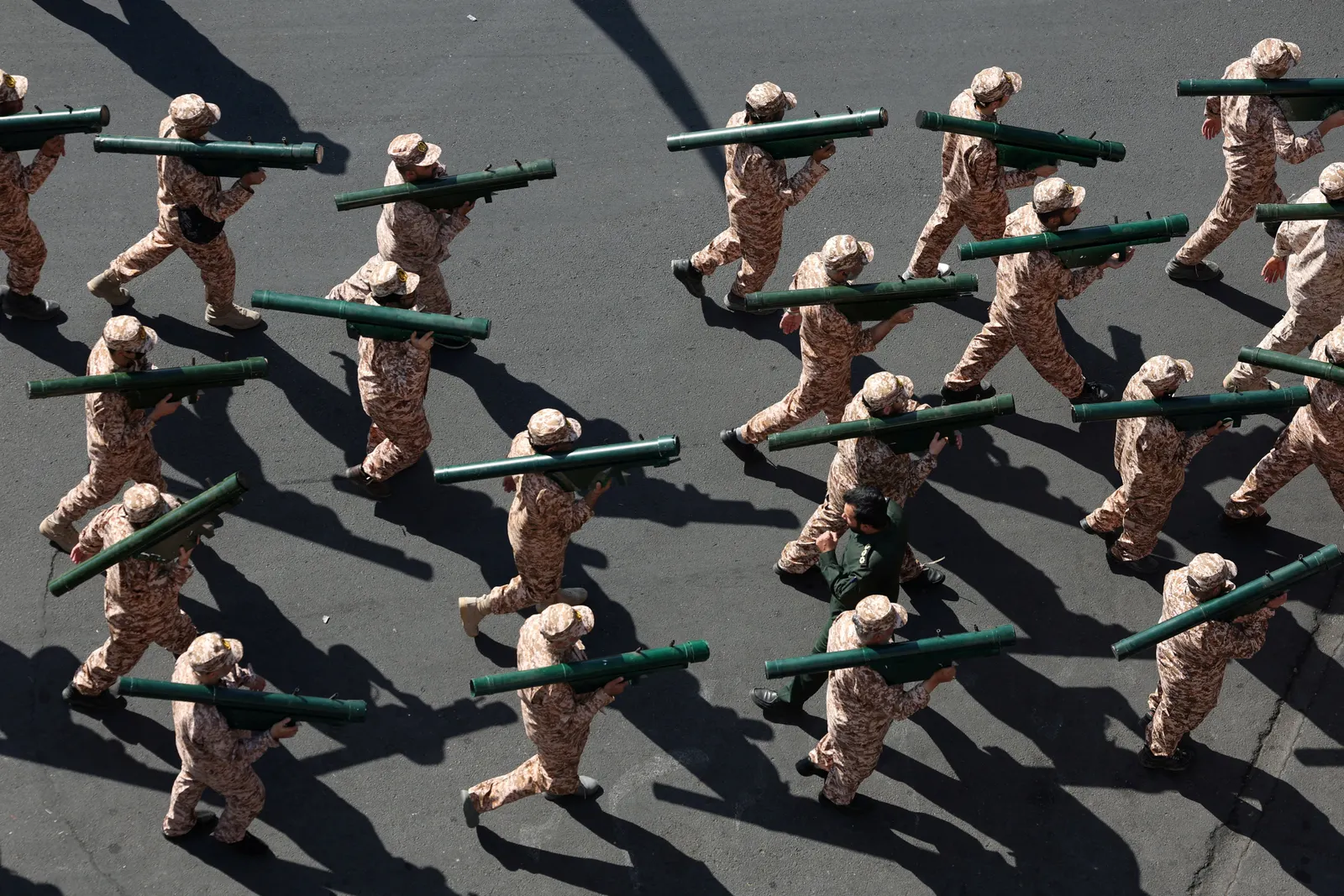
Iran's Islamic Revolutionary Guard Corps said US strikes had violated the ceasefire and that American bases in the region would "experience hell in the coming days".
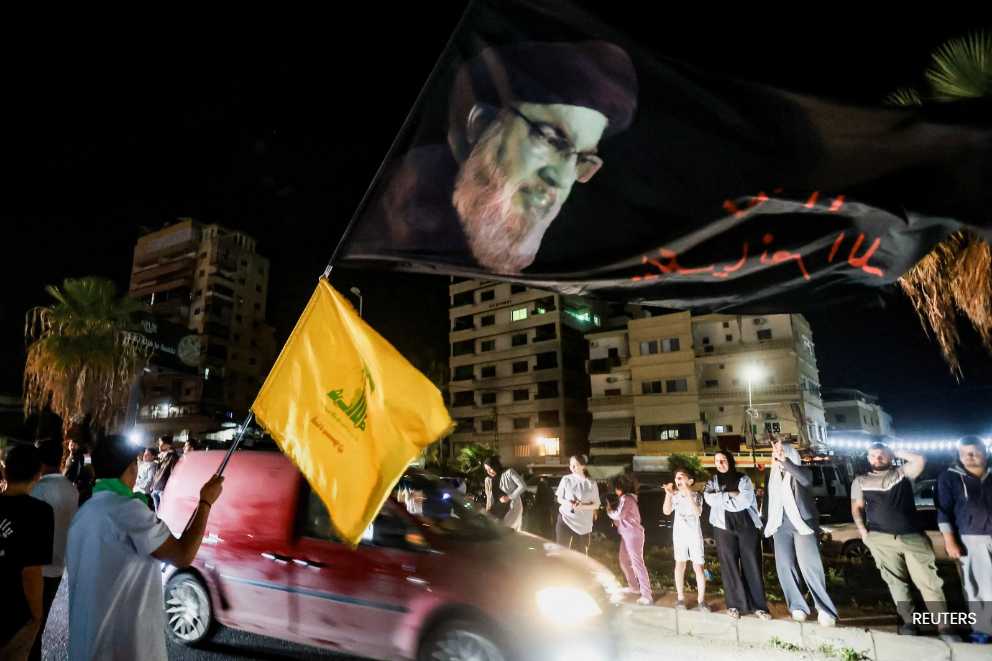
Meanwhile, Lebanon's Parliament Speaker Nabih Berri, a key ally of Iran-backed Hezbollah, has cast doubt on a US-brokered agreement between Lebanon and Israel aimed at halting a parallel war there.
On Monday, he warned that the deal could lead to attempts to divide the Lebanese people, and said it would not be implemented.
The latest round of conflict in Lebanon began after Hezbollah struck Israel early in the war, in what it said was support of its backer Iran. Israel's response has led to mass displacement and more than 4,000 deaths in Lebanon.
Tehran has said ending that conflict and withdrawing Israeli troops from the south of Lebanon are an integral part of any deal struck with the US to end the wider war that began with US-Israeli strikes on Iran on February 28.