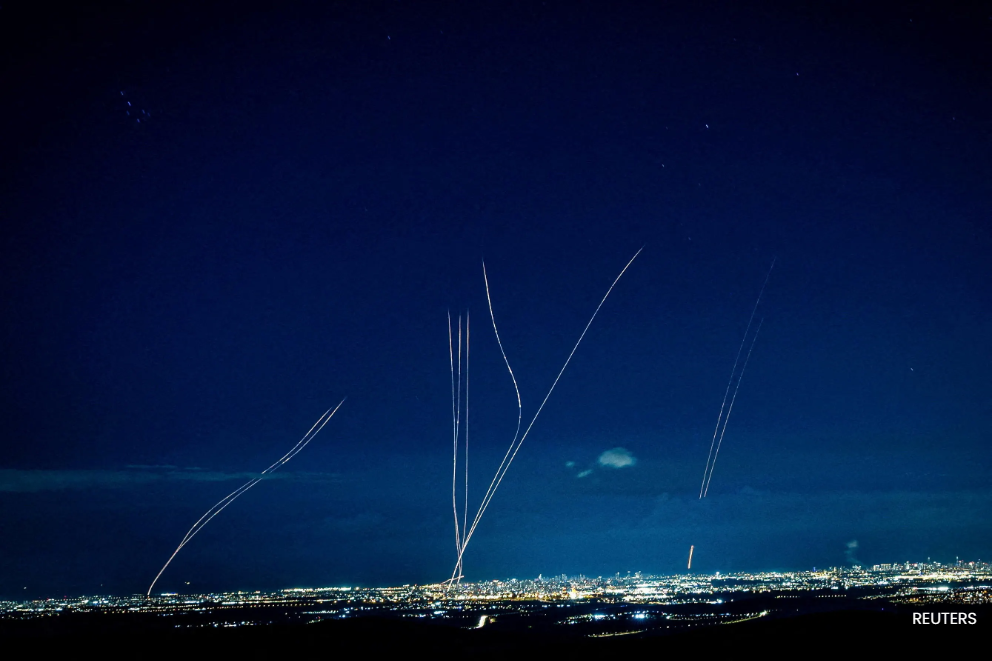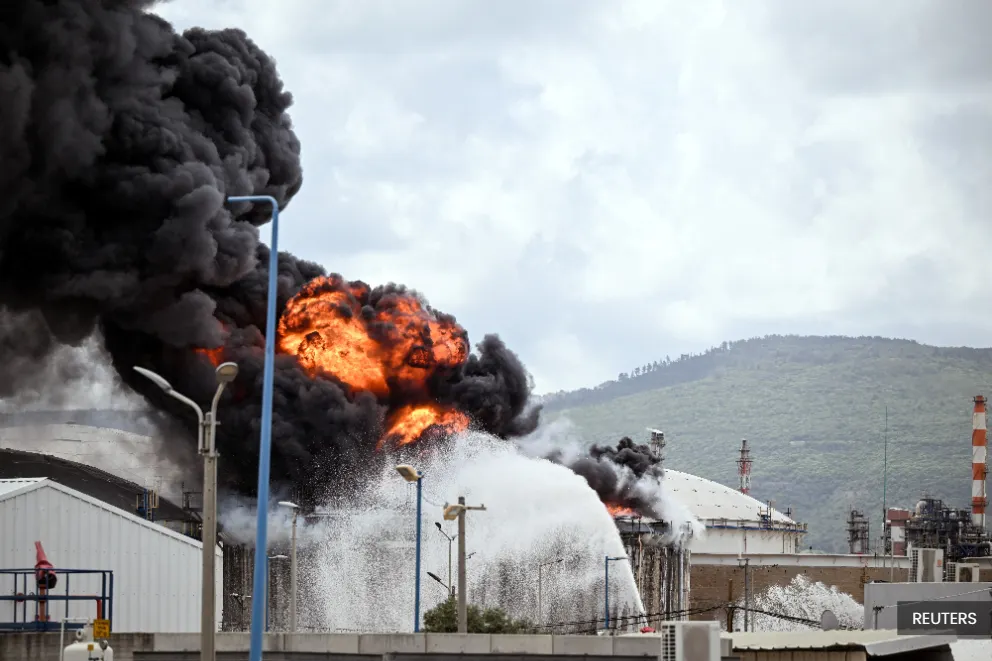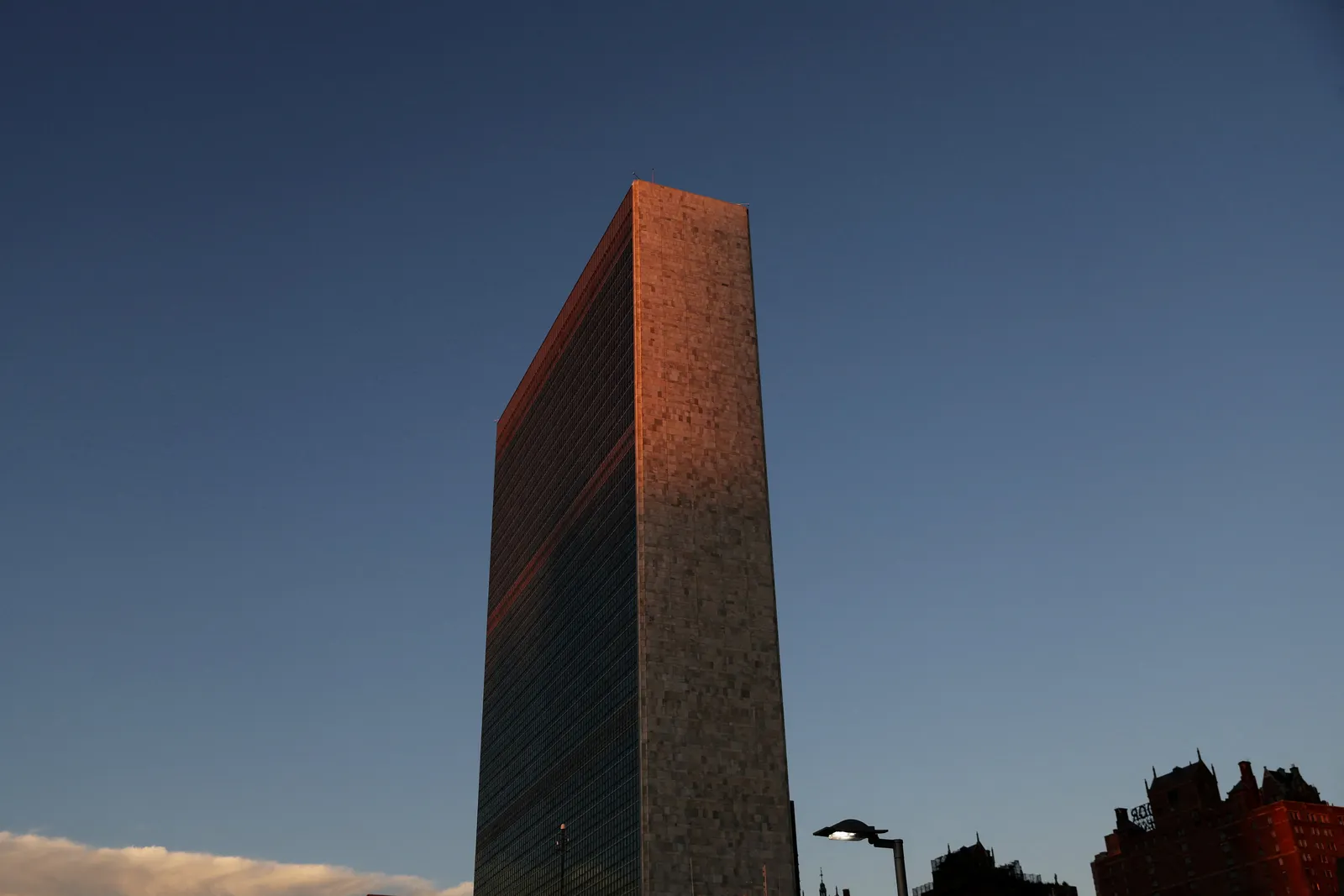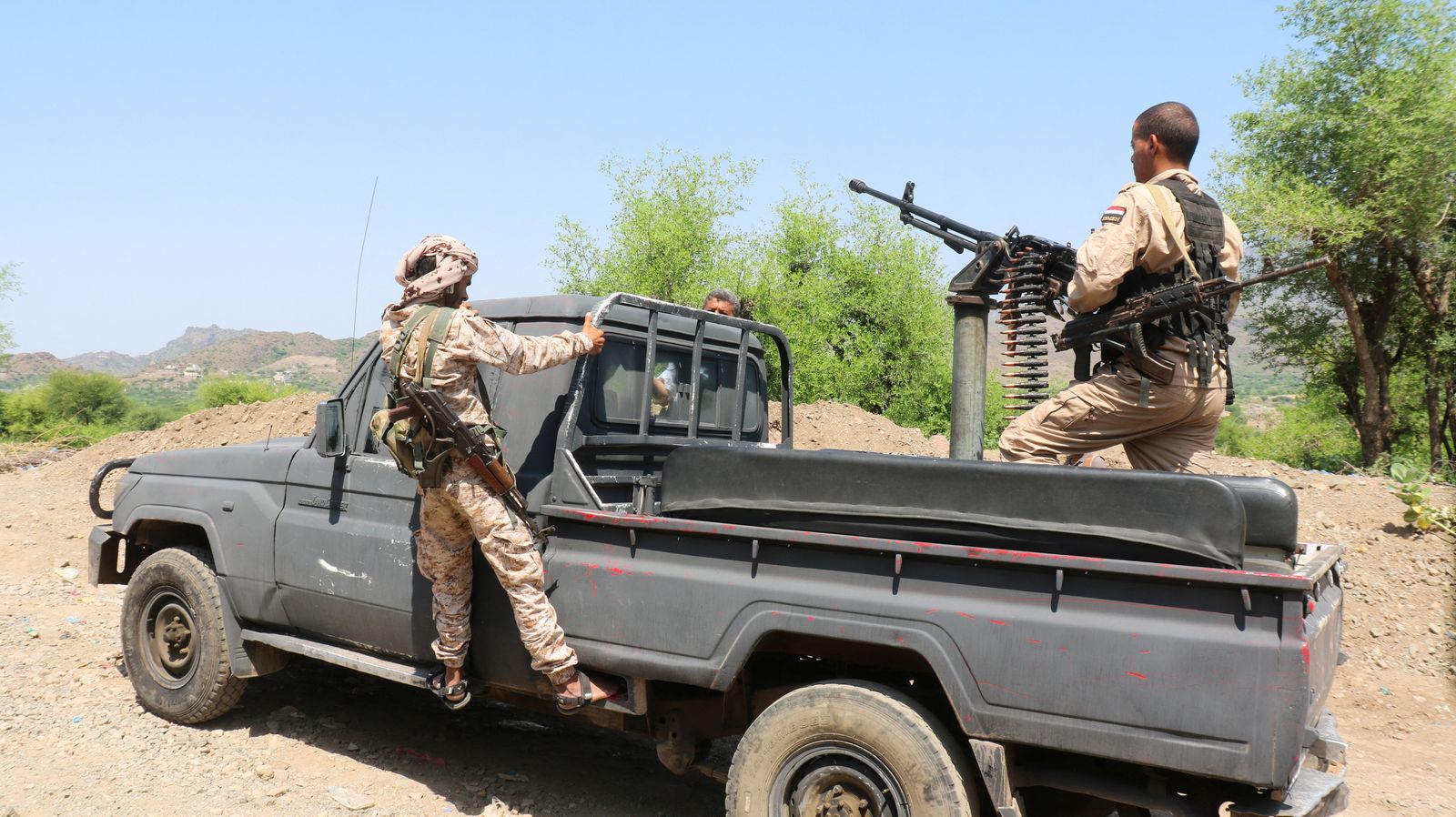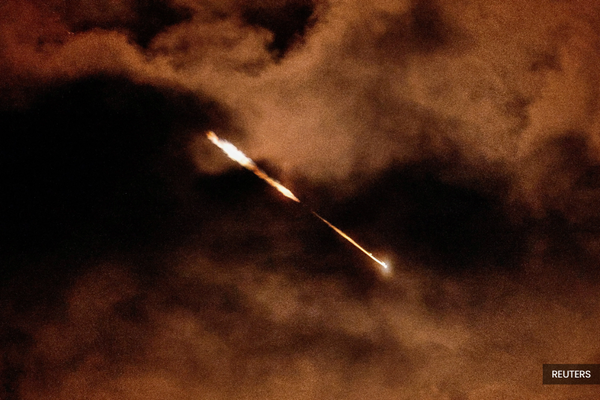
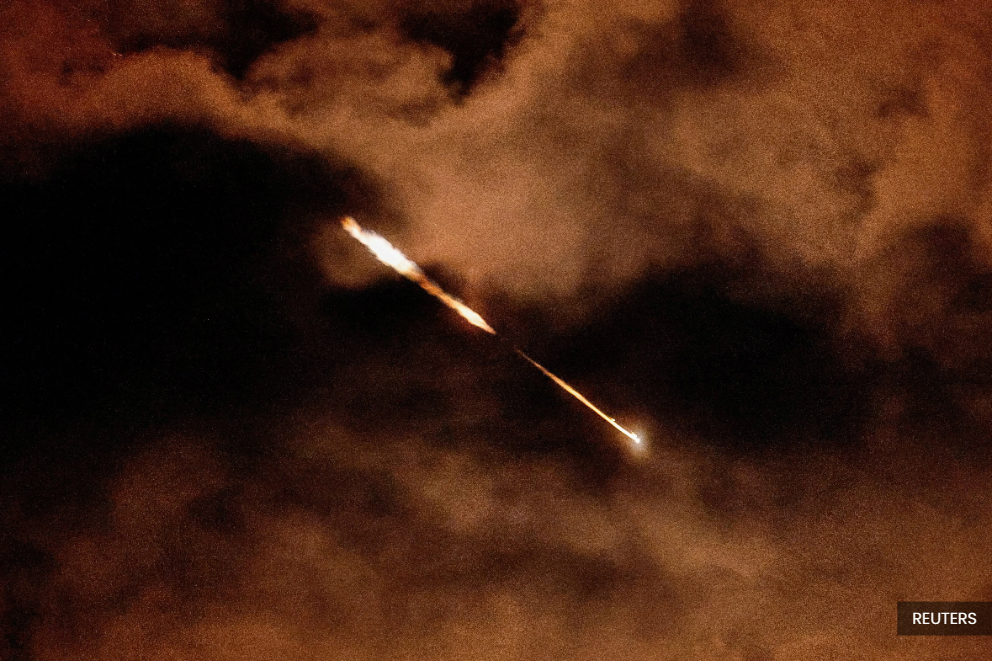
CAIRO/DUBAI, March 29 — The risk of an expanded Iran war grew as Yemen's Iran-aligned Houthis on Saturday launched their first attacks on Israel since the start of the conflict, as additional United States (US) forces reached the Middle East.
Washington has dispatched thousands of Marines to the Middle East as part of the month-old war. On Saturday, the US military said that the first of two contingents arrived on Friday on an amphibious assault ship.
On the same day, the Washington Post reported US officials as saying that the Pentagon was preparing for weeks of ground operations in Iran, possibly involving raids by Special Operations and conventional infantry troops. Whether President Donald Trump would approve plans for deploying ground troops remained uncertain.
Reuters has reported that the Pentagon was considering military operations that could include deploying ground troops in Iran.
Lebanese journalists, rescue workers hit
The war, launched on February 28 with US and Israeli strikes on Iran, has spread across the Middle East, killing thousands and hitting the world economy with the biggest-ever disruption to global energy supplies.
On Friday, US Secretary of State Marco Rubio said that Washington could achieve its aims without ground troops, but that it was deploying some ground troops to the region so Trump would have "maximum" flexibility to adjust strategy.
The Pentagon was also expected to deploy thousands of soldiers from the US Army's 82nd Airborne Division.
Pakistan, a potential mediator between Washington and Tehran, is to host two days of talks starting Sunday with the foreign ministers of Saudi Arabia, Turkiye, and Egypt to seek ways to ease regional tensions, a day after Iranian President Masoud Pezeshkian spoke to Pakistan's Prime Minister Shehbaz Sharif.
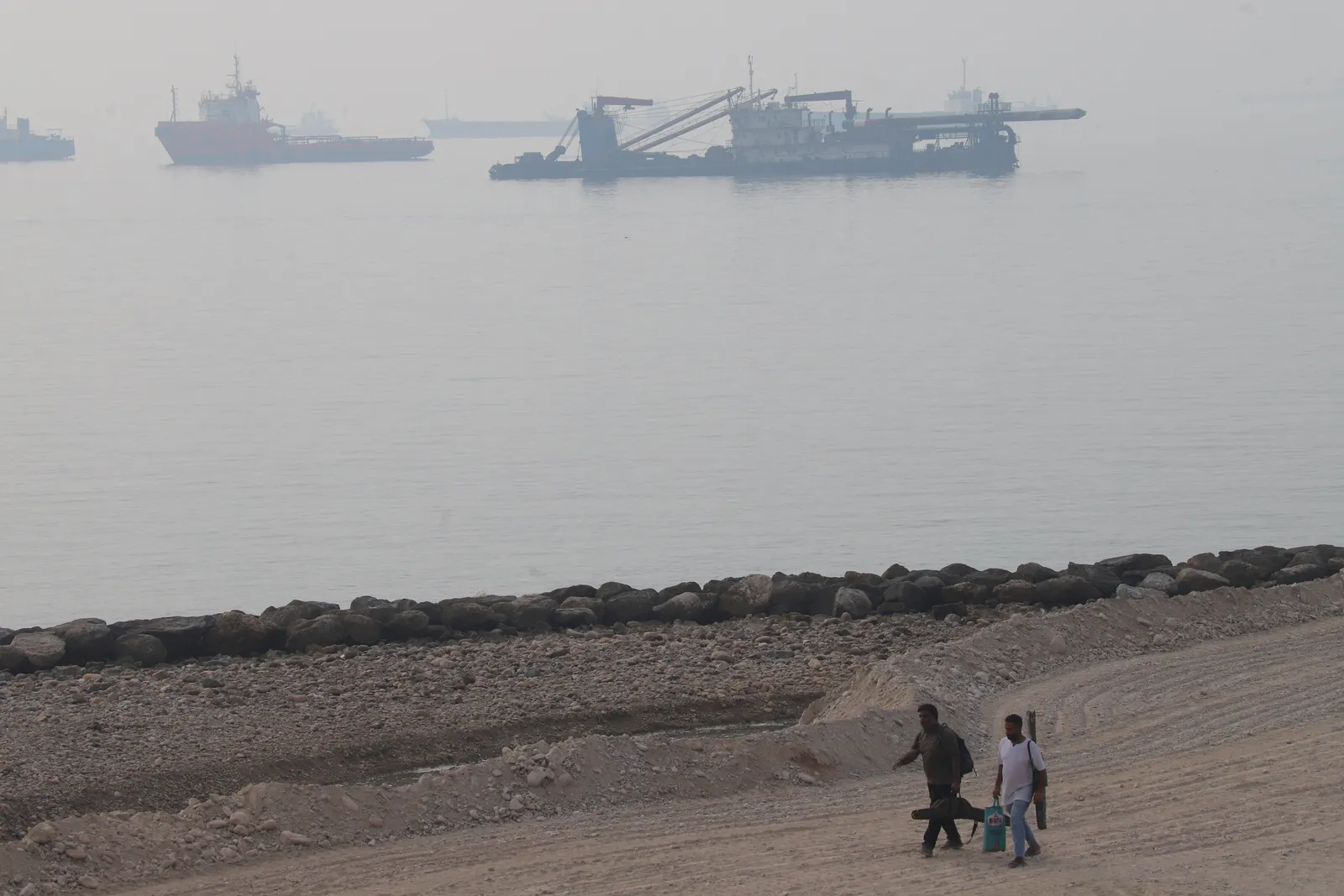
On Sunday, the Israeli military said that it had targeted Tehran's weapons manufacturing infrastructure, including dozens of storage and production sites, the day before. Meanwhile, Iranian state media reported that five people were killed in a strike on a pier in the southern port city of Bandar-e-Khamir that also destroyed two vessels.
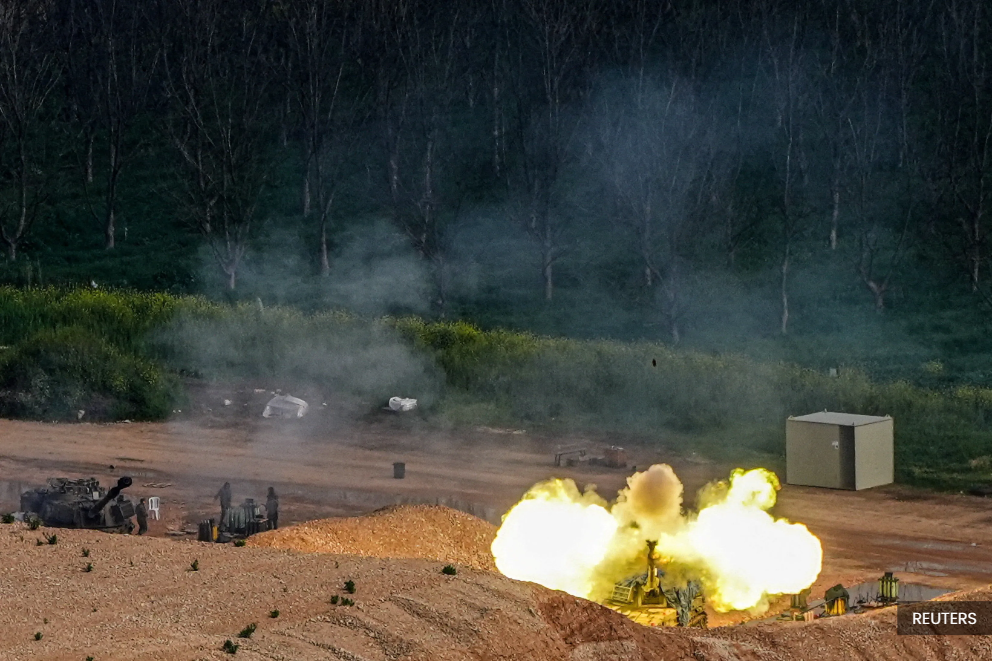
Lebanon's Al Manar TV reported that Israel also hit targets in Lebanon, resuming its war against Iran-backed Hezbollah, killing three Lebanese journalists in a strike on a media vehicle, as well as a Lebanese soldier. A follow‑up strike on the rescue workers sent to assist them also caused fatalities.
Israel's military said it had targeted one of the journalists, accusing him of being part of a Hezbollah intelligence unit and saying he had reported on locations of Israeli soldiers.
Early on Sunday, it said one of its soldiers had been killed during combat in Lebanon.
Iran kept up its attacks on Israel and several Gulf states. Security sources told Reuters on the same day that air defences shot down a drone near the residence of the leader of the Iraqi Kurdish ruling party Masoud Barzani in Erbil.
On Saturday, security sources said that another drone attack had targeted the home of the president of Iraq's Kurdistan region.
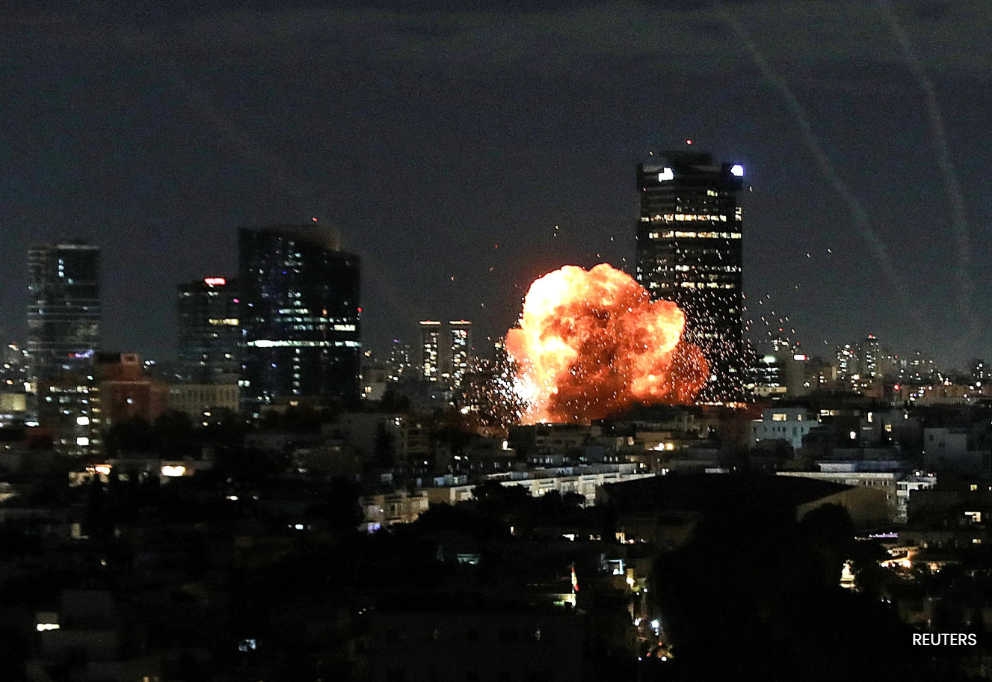
Houthi strikes may mean new threat to shipping
Houthi military spokesman Yahya Saree said his organisation carried out a second strike on Israel, vowing that more would come.
The attacks point to a potential new threat to global shipping, already hit by the effective closure of the Strait of Hormuz, which had previously been a conduit for about a fifth of global oil and liquefied natural gas supplies.
The Houthis have shown an ability to strike targets far beyond Yemen and disrupt shipping lanes around the Arabian Peninsula and the Red Sea, as they did in support of Hamas in the Gaza war.
If the Houthis expand their new front in the conflict, one target could be the Bab el-Mandeb Strait off the coast of Yemen, a choke point for sea traffic towards the Suez Canal.
With the US midterm elections due in November, the increasingly unpopular war has weighed on Trump's Republican Party. He has appeared eager to end it soon, while also threatening escalation.
Demonstrators took to city streets across the US on Saturday in anti-Trump rallies described by organisers as a call to action against the war on Iran.
Trump has threatened to hit Iranian power stations and other energy infrastructure if Iran does not open the Strait of Hormuz. But he extended a deadline he had imposed for this week, giving Iran another 10 days to respond.
Iranian threats to attack ships in the strait have kept most oil tankers from attempting the waterway. Pakistani Foreign Minister Ishaq Dar said that Tehran has agreed to let an additional 20 Pakistani-flagged vessels pass through the strait, with two ships permitted to transit daily.
Israel has targeted Iran's nuclear infrastructure. The head of Russia's state nuclear corporation Rosatom, which has evacuated staff from the Bushehr nuclear power plant on the Gulf coast, said the attacks threatened nuclear safety.
Elsewhere, President Pezeshkian said Iran would "retaliate strongly if our infrastructure or economic centres are targeted".