BEIJING, June 25 — Oil prices extended their decline today to near levels last seen before the start of the Iran war, as rising supply expectations from West Asia outweighed demand concerns.
Prompt-month Brent crude futures for August delivery fell US$1.22, or 1.65 per cent, to US$72.52 a barrel as of 0337 GMT, while US West Texas Intermediate lost US$1.02, or 1.45 per cent, to US$69.32 a barrel.
Both contracts hit their lowest since February 27.
August Brent was trading lower than September, which was priced at US$73.59, signalling ample short-term supply.
“The speed of this decline has caught plenty off guard as markets price in a much faster return of (West Asian) barrels than most had anticipated just a fortnight ago,” IG analyst Tony Sycamore said in a note.
Brent had fallen more than US$3 yesterday as supply concerns eased, and WTI settled down nearly US$3.
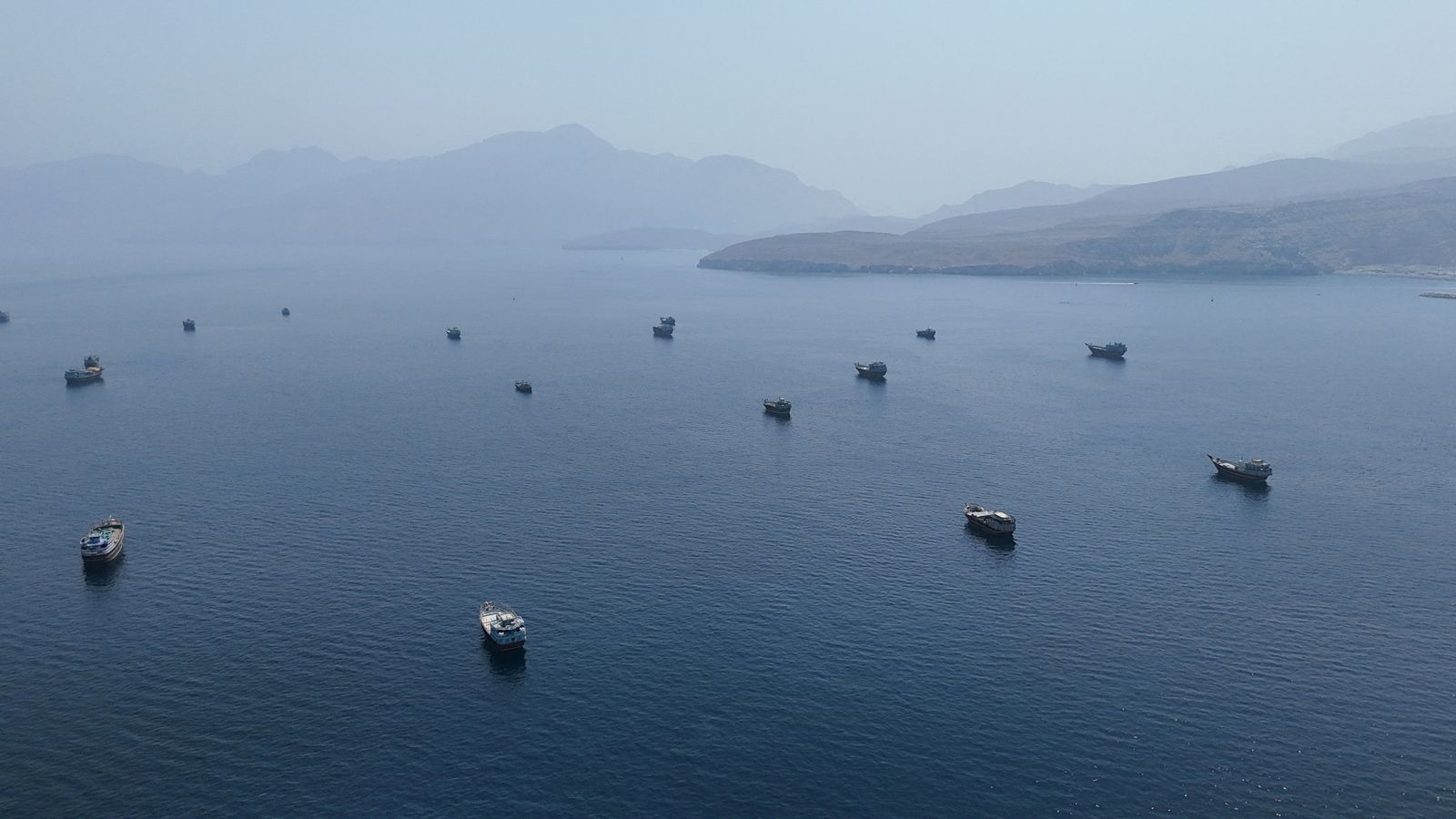
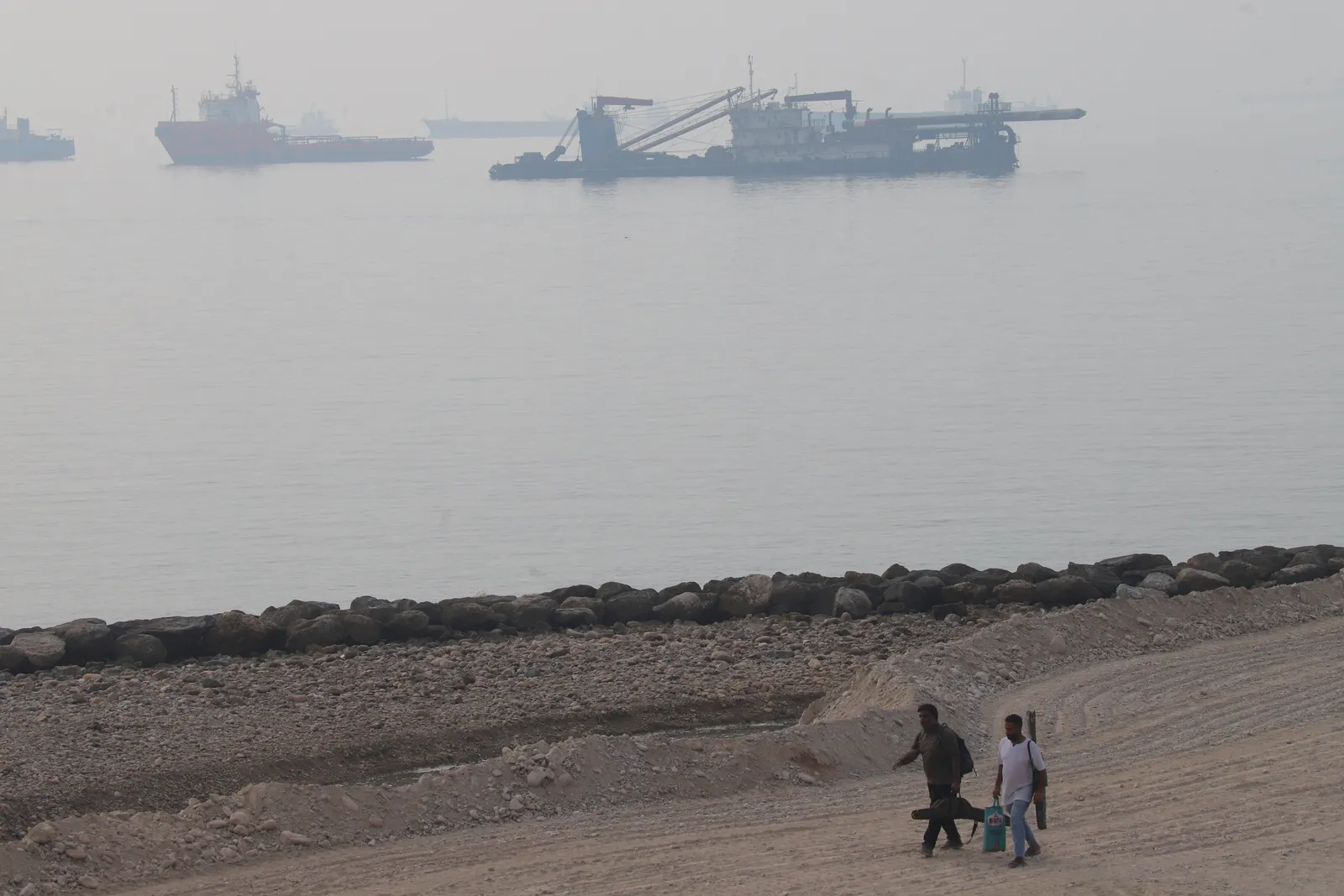
United States Energy Secretary Chris Wright told a forum yesterday that flows through the Strait of Hormuz are close to what they were before the start of the Iran war, saying at least 20 million barrels had exited the strait in the last 24 hours. He added a return to complete normalcy would take a few weeks because the strait needs to be demined.
Rising West Asian supply, together with Iran set to boost sales following a temporary reprieve from US sanctions, drove down prices of physical crude oil cargoes around the world.
An initial accord last week to end the US-Israel war on Iran, which began February 28, has allowed traffic through the strait to restart.
The accord set up a 60-day period of negotiations to tackle more difficult issues including Iran’s nuclear programme. Wright said oil would continue to flow through the strait even if the deal did not hold, and that Iran would not be able to close it again.
Oman yesterday opened temporary routes to ease tanker departures from the Strait of Hormuz, with the International Maritime Organisation and Omani authorities coordinating movements. Qatari Prime Minister Mohammed bin Abdulrahman Al Thani visited Oman for talks on initiating negotiations over the strait’s future management with Iran, Iraq and Gulf states.
Macquarie analysts expected oil to normalise quickly toward pre-war levels as supply chains adapt and the Strait of Hormuz reopens.
They forecast Brent and WTI prices to average US$67 and US$62 per barrel, respectively, in the third quarter, down from the second quarter’s average of US$94 and US$87 per barrel.
US total crude stocks hit their lowest since 1984 last week, the Energy Information Administration (EIA) said yesterday, driven by strong refining demand and government oil releases from its emergency reserve. Markets, however, appeared unfazed by the EIA data as traders focused on the Strait of Hormuz.