By Adam Azman
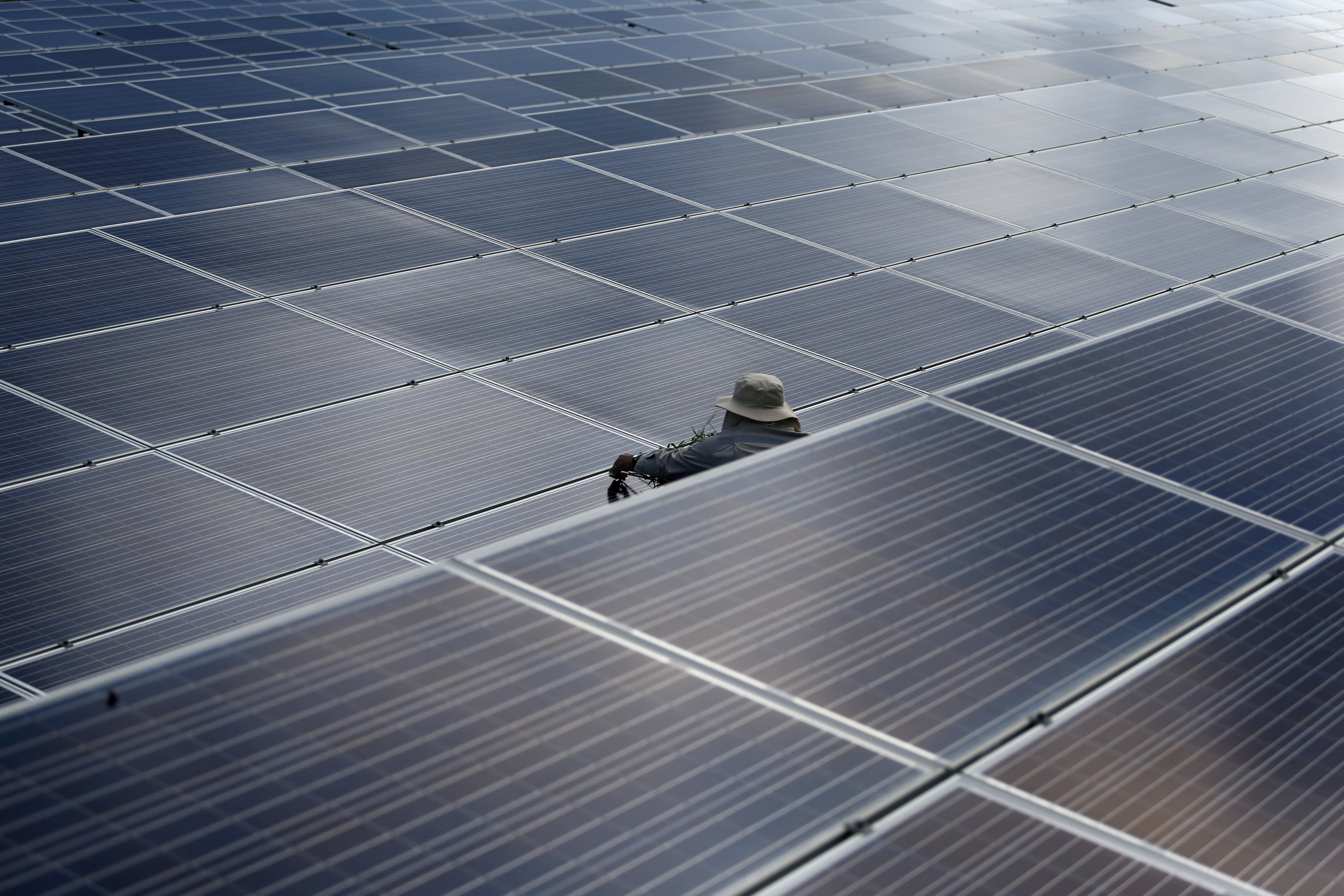
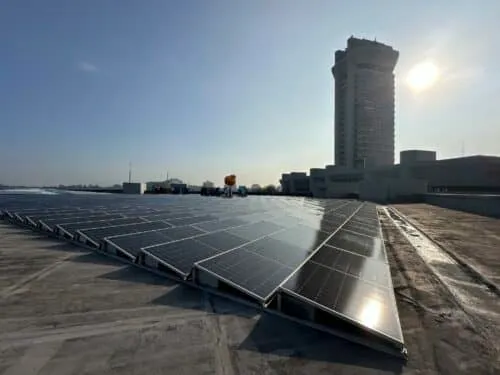
SHAH ALAM, June 23 — A total of 70 government buildings in Selangor, including local authority premises, have registered under the Net Energy Metering (NEM) programme, which enables electricity consumers to generate clean energy through rooftop solar panel installations.
State executive councillor for public health and environment Jamaliah Jamaluddin said data from the Sustainable Energy Development Authority (SEDA) Malaysia showed that the buildings have a combined installed solar capacity of 5.69 megawatts (MW).
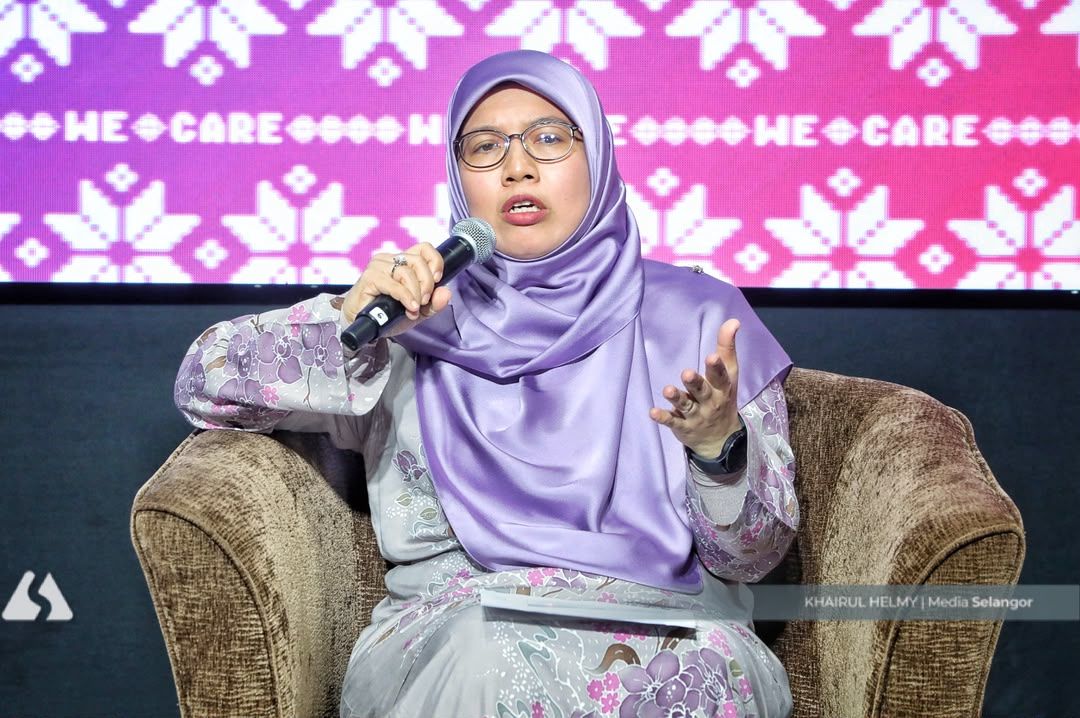
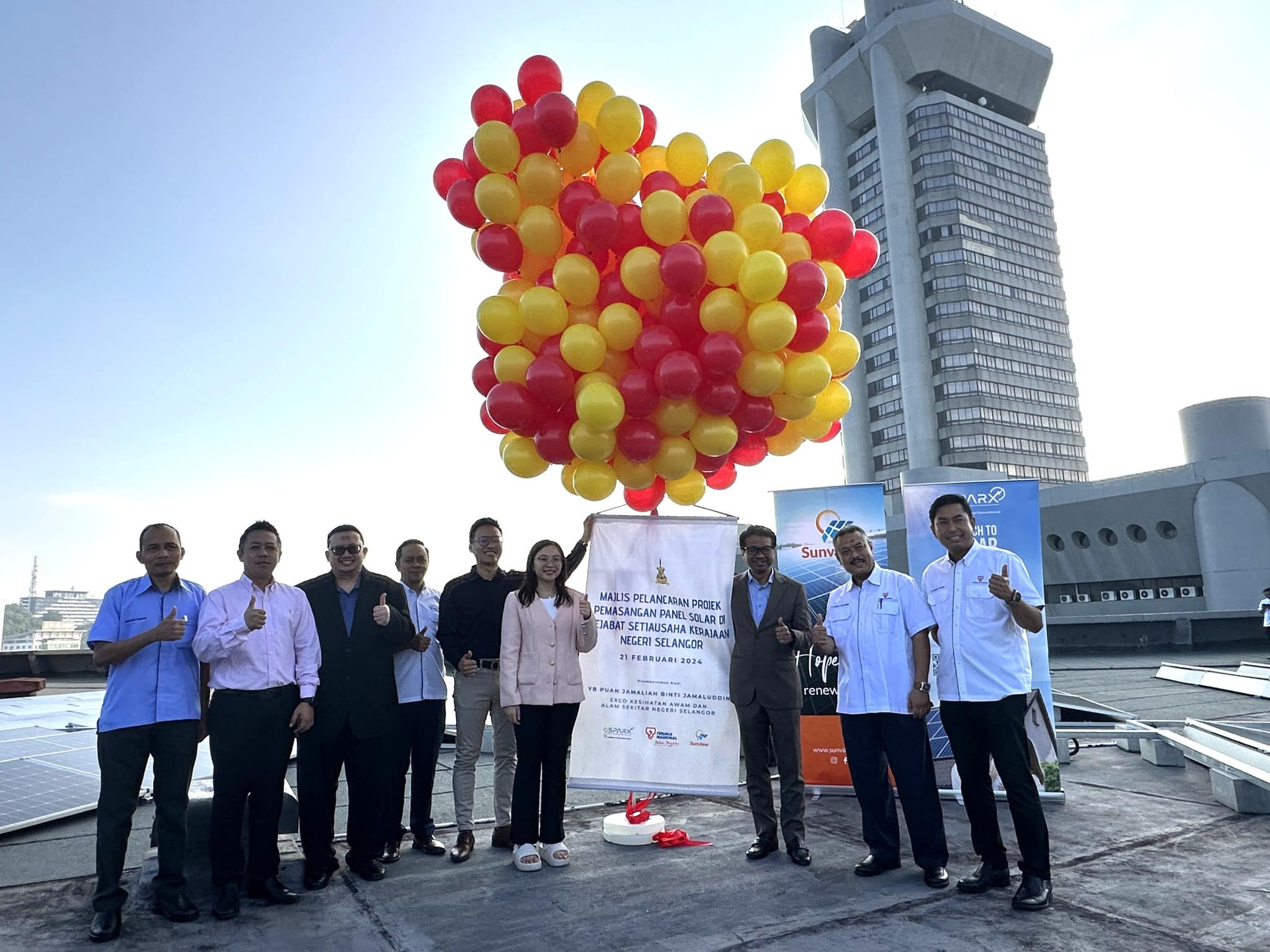
“Of that amount, 2.23 MW is generated from the state secretariat building and district and land office buildings in Selangor,” she said during her winding-up speech on the Selangor Resilience Strengthening Package Phase 2 at the State Legislative Assembly today.
Jamaliah said the state government remains committed to expanding the use of renewable energy through a more structured and large-scale approach.
She added that the Centralised Solar Park initiative in Bernam Jaya, developed through a collaboration between TNB Renewables Bhd and Worldwide Holdings Bhd, is among the state’s strategic initiatives to increase solar energy usage in government facilities.
“The project is expected to generate up to 100 MW and is targeted for commissioning by 2028, subject to the finalisation of agreements and approvals from the relevant authorities.
“This project is expected to increase the use of renewable energy in state government operations and reduce dependence on conventional electricity supply, while supporting efforts to reduce carbon emissions in line with the low-carbon development agenda,” she said.
To encourage greater participation from households and the private sector, Jamaliah said the state government will study additional incentives and rebates to further boost solar adoption in Selangor.
On a proposal to expand solar installations to houses of worship, she said the federal government’s Solar for Rakyat Incentive Scheme (SOLARIS), which came into effect this year, is expected to accelerate solar energy adoption.
“Through this method, applicants will not face additional cost burdens while benefiting from savings generated through the use of solar energy,” she said.
On climate resilience, Jamaliah said that although Selangor does not currently have a programme similar to Singapore Ready — a national exercise that tests preparedness for major power, digital and supply disruptions — the Selangor Climate Adaptation Centre (SCAC) is working with Monash University Malaysia on initiatives with similar objectives.
“We have developed an integrated water-energy-food-environment (WEFE) model specifically for the Selangor River Basin. This model will be used to map risks and identify areas that may be most vulnerable in the event of any disruption.
“Through this data, the state government can plan targeted interventions, whether through investments to repair leaking infrastructure or nature-based solutions such as wetland restoration to ensure water and food security,” she said.
Meanwhile, Jamaliah said the state government is prepared to review its health initiatives from time to time to ensure continuous improvement, but believes the current level of assistance remains appropriate based on discussions and feedback from relevant agencies.