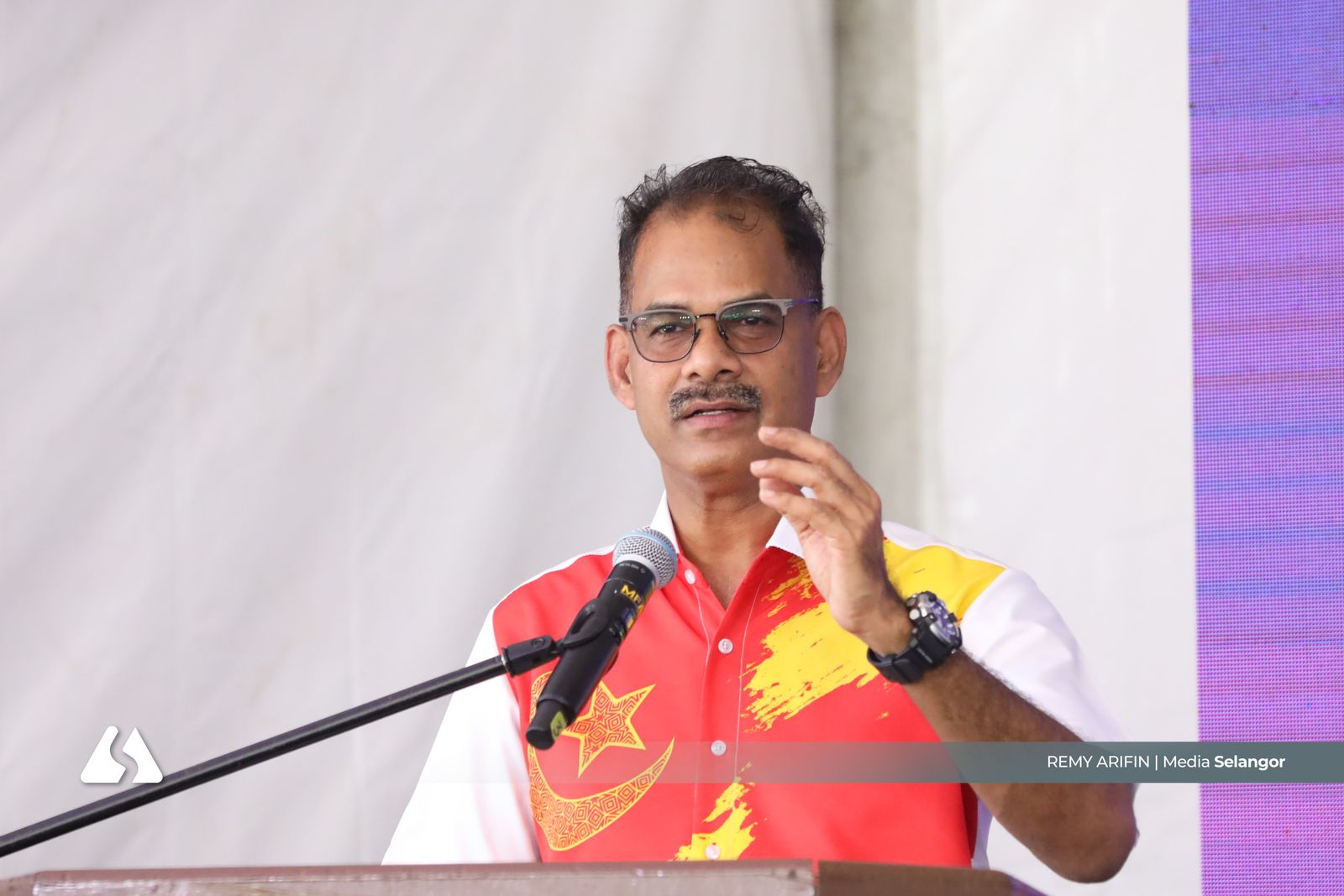

SHAH ALAM, June 22 — The main challenge facing Selangor’s labour market is not a shortage of jobs, but ensuring those previously laid off are matched with suitable opportunities, said state executive councillor for human resources and poverty eradication Papparaidu Veraman.
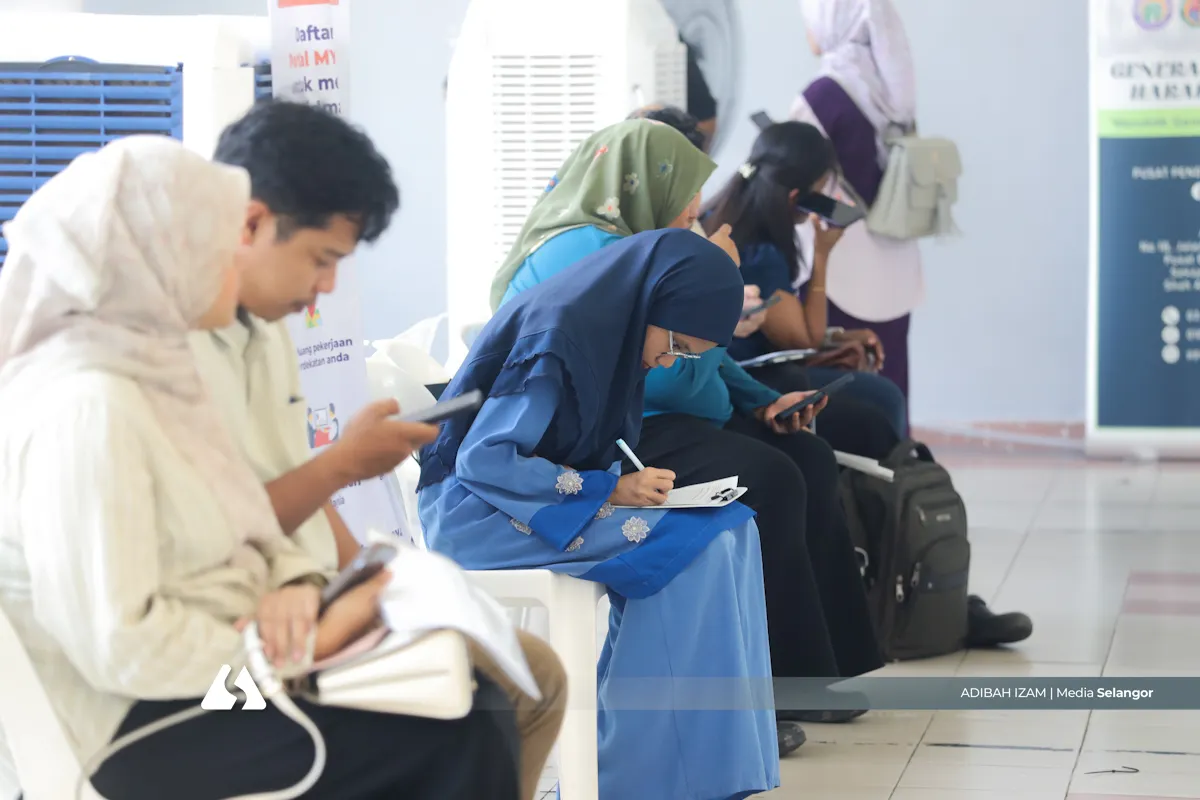
He noted that the state has 160,566 job vacancies and 29,136 jobseekers, showing the need for better coordination between workers, employers, and training providers.
He added that Selangor recorded 12,355 job loss cases as of June 12, but 11,347 workers have secured new jobs, leaving about 1,008 still looking for work.
“Based on data, the challenge that needs to be addressed is not simply the lack of job opportunities, but how to ensure jobseekers can be matched with available vacancies more quickly and effectively,” he said in his wind-up speech on Phase 2 of the Selangor Resilience Enhancement Package (SREP) at the Selangor State Legislative Assembly today.

Papparaidu said the RM1.5 million allocation for the Selangor Career Programme, an initiative under SREP, reflects the state government’s commitment to help retrenched workers with job placement, upskilling and reskilling initiatives.
“The state government’s goal is clear: to ensure those who have lost their jobs are not left to face these challenges alone, but are supported in returning to work and earning.”
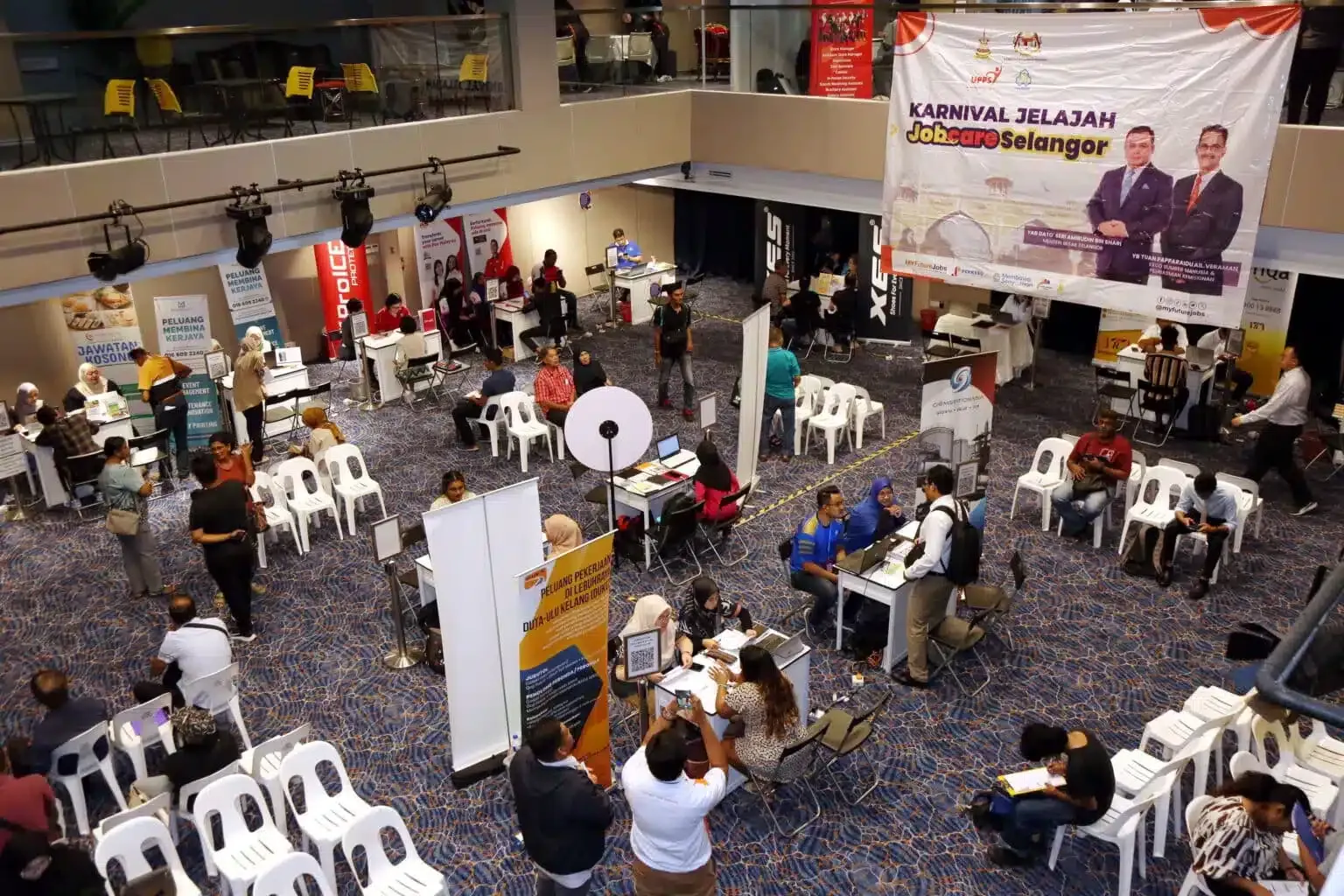
He added that the programme would go beyond traditional job fairs by creating a wider career support ecosystem involving job matching, career counselling, skills training, career transition programmes, and industry collaborations.
According to him, the initiative is expected to benefit at least 30,000 jobseekers across Selangor, with up to 100 employers offering jobs in various sectors.
“Selangor is not merely providing assistance, but opening pathways to jobs, incomes, and more sustainable careers for Selangoreans,” he said.
Papparaidu said the Selangor Career Programme will also support professionals and high-skilled workers affected by economic and technological changes with job-matching, career transition, upskilling and reskilling programmes for sectors with strong demand, including AI, ICT, logistics, and semiconductors.