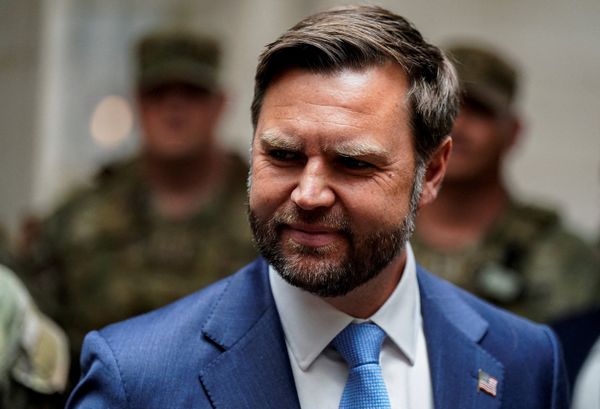
WASHINGTON/DUBAI, June 19 — US Vice-President JD Vance has pulled out of a planned trip to Switzerland today to meet Iranian negotiators and begin talks on implementing the 14-point agreement reached between Tehran and Washington to end their war, a White House spokesperson said.
US officials had said earlier this week that a formal signing ceremony for the US-Iran agreement would be held in Geneva. However, Iran's Foreign Ministry cast doubt on the need for such an event, saying it was unnecessary after the presidents of both countries signed the agreement on Wednesday.
Iran had indicated it was ready to begin technical discussions after the two adversaries extended a fragile ceasefire by at least 60 days under the accord.
However, the semi-official Tasnim news agency reported earlier on Thursday that Iranian negotiators wanted to see evidence of implementation by the United States before further rounds of talks could begin, adding that there was no confirmation the Iranian delegation would travel to Geneva.
Vance and the US delegation had been prepared to depart as soon as arrangements for the talks were finalised, the White House spokesperson said in a statement on Thursday night.
“But the logistics of these negotiations have never been simple or predictable,” the statement said.
There was no immediate response from the Iranian government.
The diplomatic uncertainty surrounding the proposed ceremony and negotiations has added to concerns over whether a lasting peace can be achieved following a regional conflict that has killed at least 7,000 people, driven energy prices higher and unsettled global financial markets.
Israel continues fighting
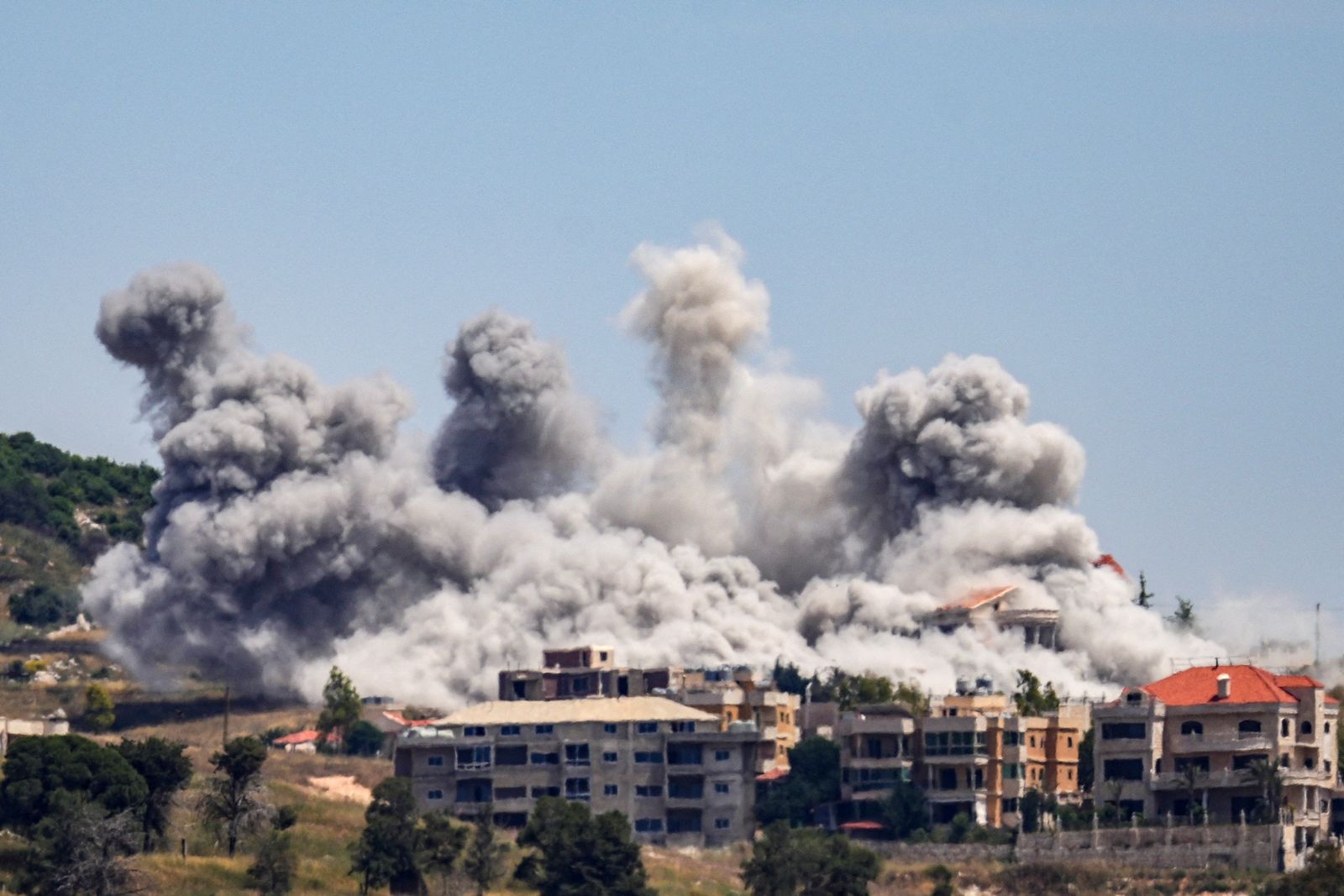
Israel, which was not involved in the peace talks and has distanced itself from the US-Iran agreement, continued military operations against the Iranian-backed Hezbollah movement in Lebanon, raising further questions over the durability of the accord.
In Washington, some Republican allies of US President Donald Trump questioned whether the administration had conceded too much in exchange for ending a conflict that has proven unpopular with many Americans.
Trump had previously stated that the war would end only with Iran's “unconditional surrender”. However, the agreement provides sanctions relief, unfreezes assets worth tens of billions of dollars and grants immediate waivers allowing Iran to export oil.
Iran's Supreme Leader Ayatollah Mojtaba Khamenei said Trump had signed the agreement “out of desperation” and suggested upcoming negotiations over Iran's nuclear programme would be difficult.
“If the American side wants to be too demanding, we will not accept it,” he said in a written statement.
The agreement gives negotiators 60 days to reach a settlement on the future of Iran's nuclear programme, unless both sides agree to extend the timeline. It also establishes a US$300 billion reconstruction fund for Iran and includes other financial incentives.
Vance said Washington would also seek restrictions on Iran's long-range missile programme.
When the US and Israel launched military operations against Iran nearly four months ago, Trump said his objectives included dismantling Iran's nuclear programme, preventing Tehran from developing nuclear weapons, curbing its ability to threaten neighbouring countries, ending support for anti-Israel militant groups and creating conditions for political change within Iran.
Critics argue that none of those goals have been fully achieved under the agreement.
Iran reiterated its longstanding position that it will not pursue nuclear weapons and agreed to allow the onsite down-blending of highly enriched uranium and inspections by the International Atomic Energy Agency (IAEA) under its obligations as a signatory to the Nuclear Non-Proliferation Treaty.
However, Tehran rejected Trump's proposal to remove the nuclear material from the country.
US officials maintain that the ongoing negotiations could still produce a stronger agreement than the 2015 nuclear deal between Iran and world powers, which Trump withdrew from during his first term in office.
Critics, however, argue that Iran now occupies a stronger negotiating position after withstanding military action, maintaining influence over the Strait of Hormuz and securing significant sanctions relief.
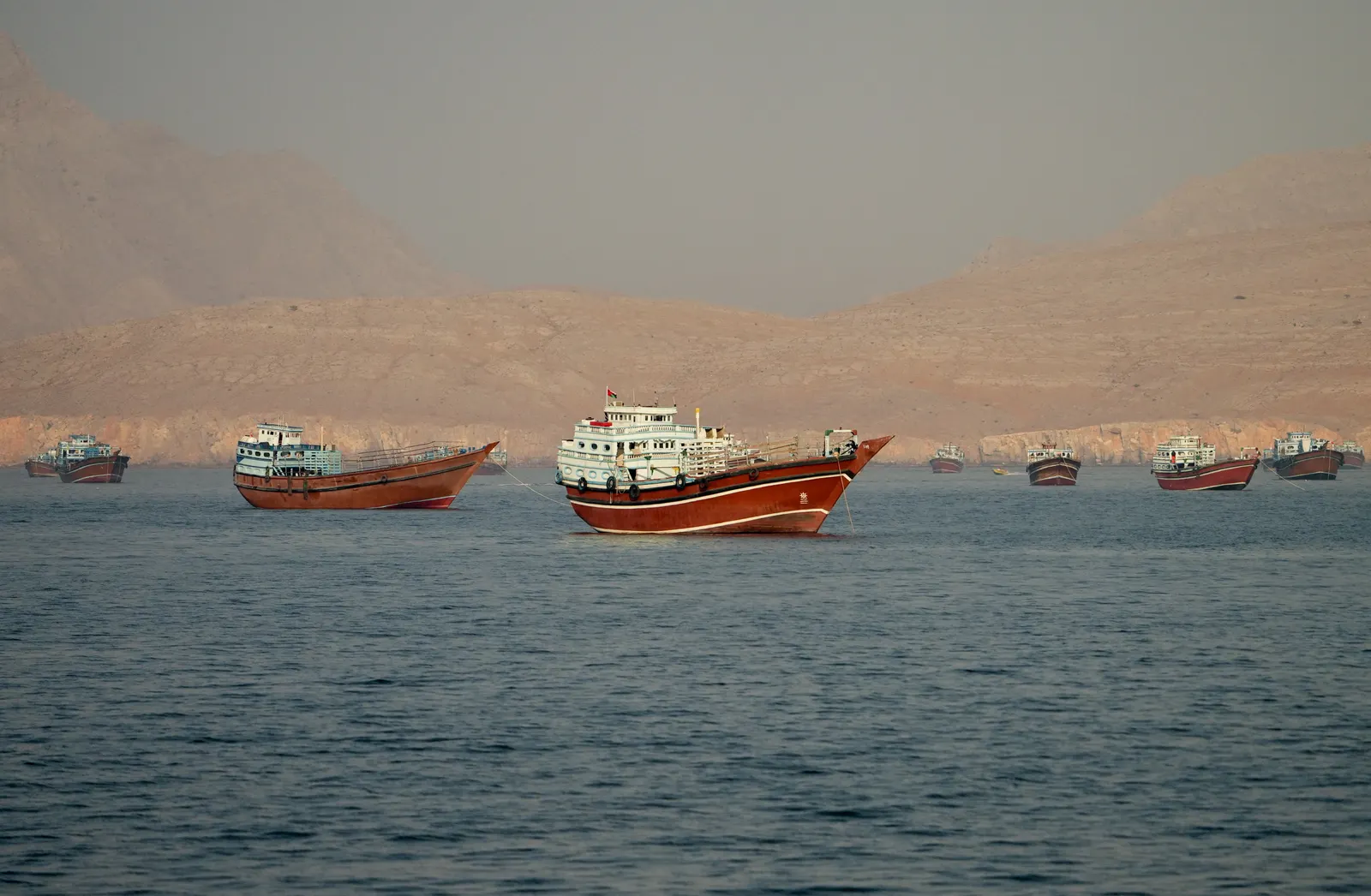
Iran has said it will continue to oversee navigation through the Strait of Hormuz in cooperation with neighbouring Oman and plans to introduce fees for certain maritime services developed after the conflict, although no charges will be imposed during the current 60-day negotiation period.
In Lebanon, where more than one million people have been displaced by the conflict, Israeli forces launched fresh airstrikes early yesterday, further raising doubts about how aggressively Washington will push its allies to halt military operations.
Trump said he expects a comprehensive ceasefire across all fronts.
The agreement calls for the permanent termination of the conflict in Lebanon and for the country's territorial integrity and sovereignty to be respected.
Israel, however, has stated that it does not intend to withdraw from Lebanon and has released a new map showing an expanded occupation zone.
Trump has become increasingly critical of Israel's military campaign in Lebanon, contributing to one of the most significant strains in US-Israel relations in decades.