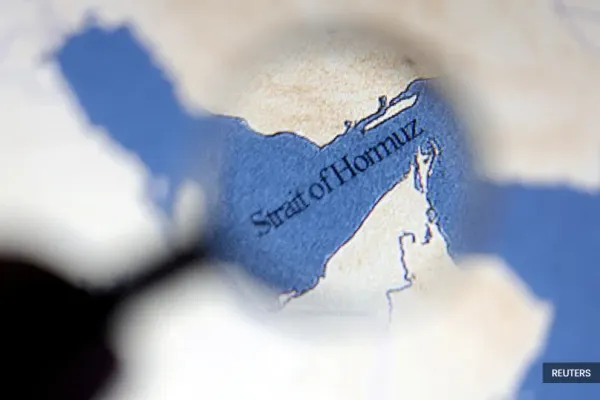
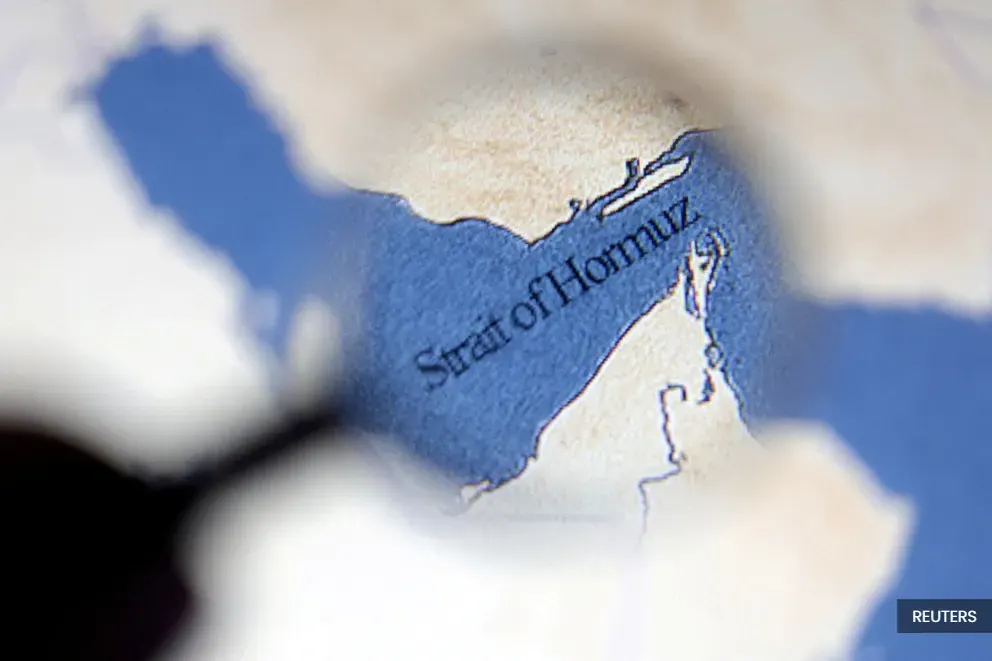

SHAH ALAM, June 18 — Malaysia is among the countries that stand to gain substantial economic benefits from the reopening of the Strait of Hormuz due to its heavy reliance on international trade.
Noted economist Prof Emeritus Barjoyai Bardai said the reopening of the strategic shipping route is expected to reduce the risk of disruptions to global trade and the world's energy supply.
Sectors likely to benefit include trade, retail, and manufacturing through lower insurance costs, faster shipping times, and more efficient supply chains.
“Malaysia has an economy that is highly dependent on international trade. When major routes such as the Strait of Hormuz return to normal operations, the risks of supply disruptions and higher trading costs can be reduced,” he told Media Selangor.
Earlier, media reports stated that United States (US) President Donald Trump had announced that an agreement with Iran, including the reopening of the Strait of Hormuz, had been finalised, with the official signing ceremony scheduled to take place in Switzerland on June 19.
Barjoyai added that the development could support the growth of Malaysia’s exports, boost manufacturing activity, attract foreign investment, and generate positive effects for consumer-related sectors.
The peace agreement between the US and Iran will also benefit Malaysia through improved foreign investor confidence, a more stable ringgit, and stronger stock market sentiment.
“In addition, the tourism industry would become more competitive, while the logistics and shipping sectors would benefit from lower operating costs, helping to accelerate the recovery of regional economic activity,” he said.
As such, the government should strengthen price monitoring, improve cost transparency, encourage market competition, and accelerate digitalisation within the logistics sector.
Barjoyai noted that industry players should pass cost savings on to consumers, improve productivity, and strengthen inventory management to maximise the benefits of the route's reopening.
However, several potential drawbacks should also be considered, including a reduction in national oil and gas export revenues if global oil prices decline.
He said that Petronas dividends to the government could be lower than during periods of high oil prices, while tax revenues from the energy sector may also be affected.
Barjoyai also observed that markets remain cautious because geopolitical risks have not been completely eliminated and several important negotiations involving Iran have yet to be fully concluded.
The West Asia crisis intensified once again earlier this month, following military conflict between Iran and Israel, which saw both sides carry out a series of retaliatory attacks.
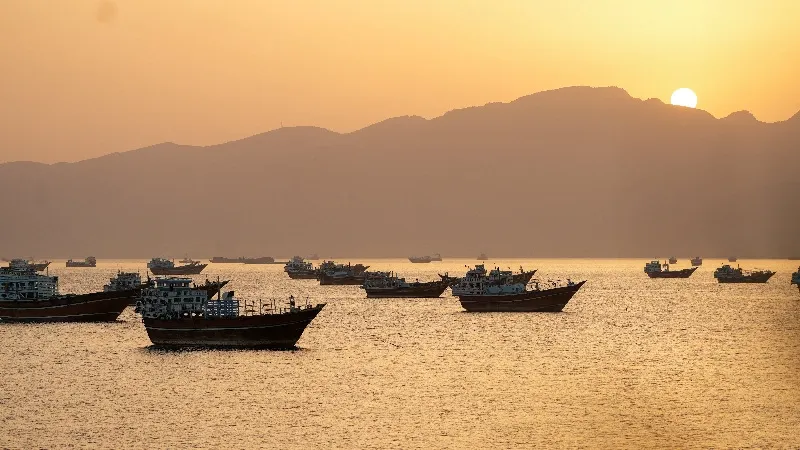
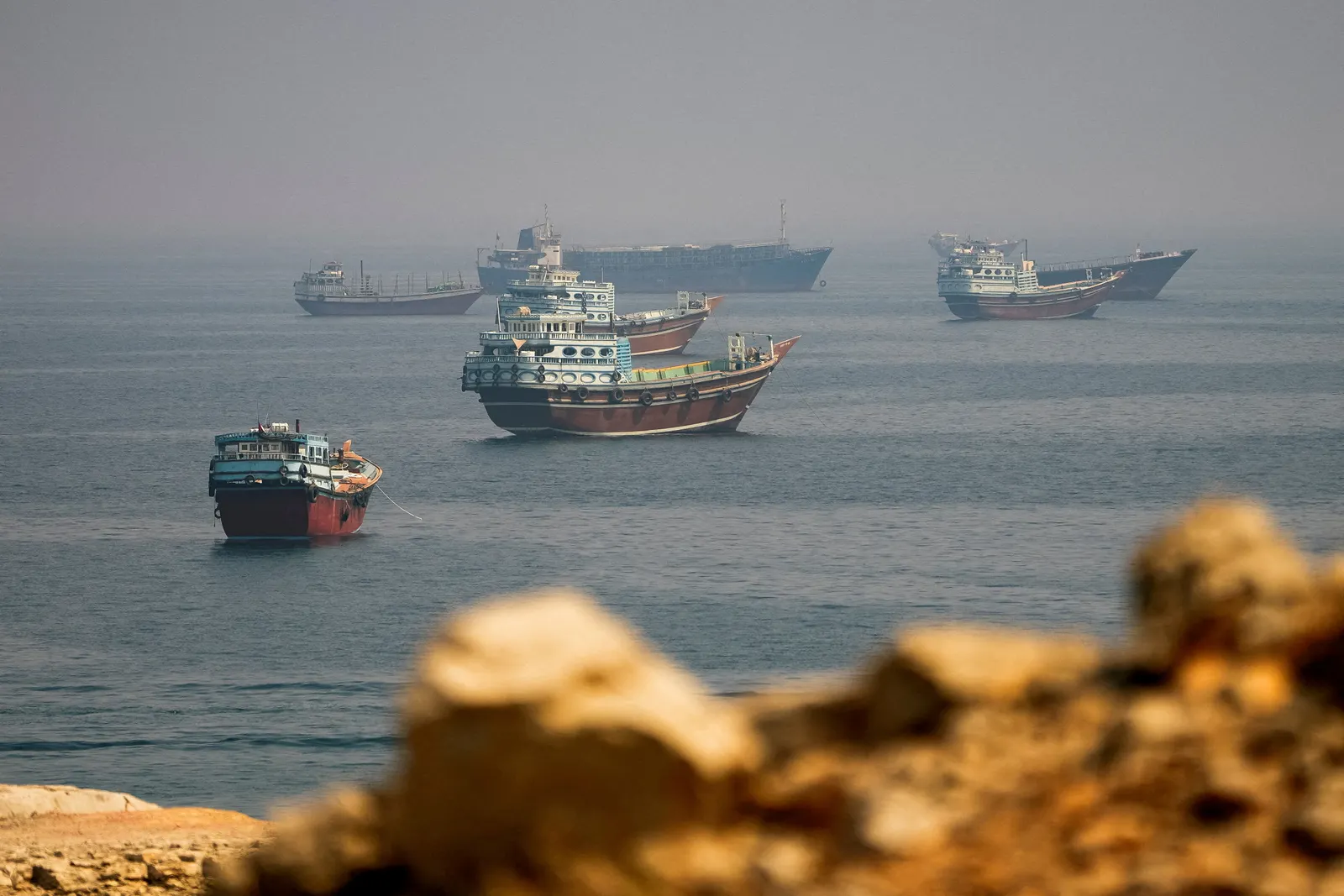
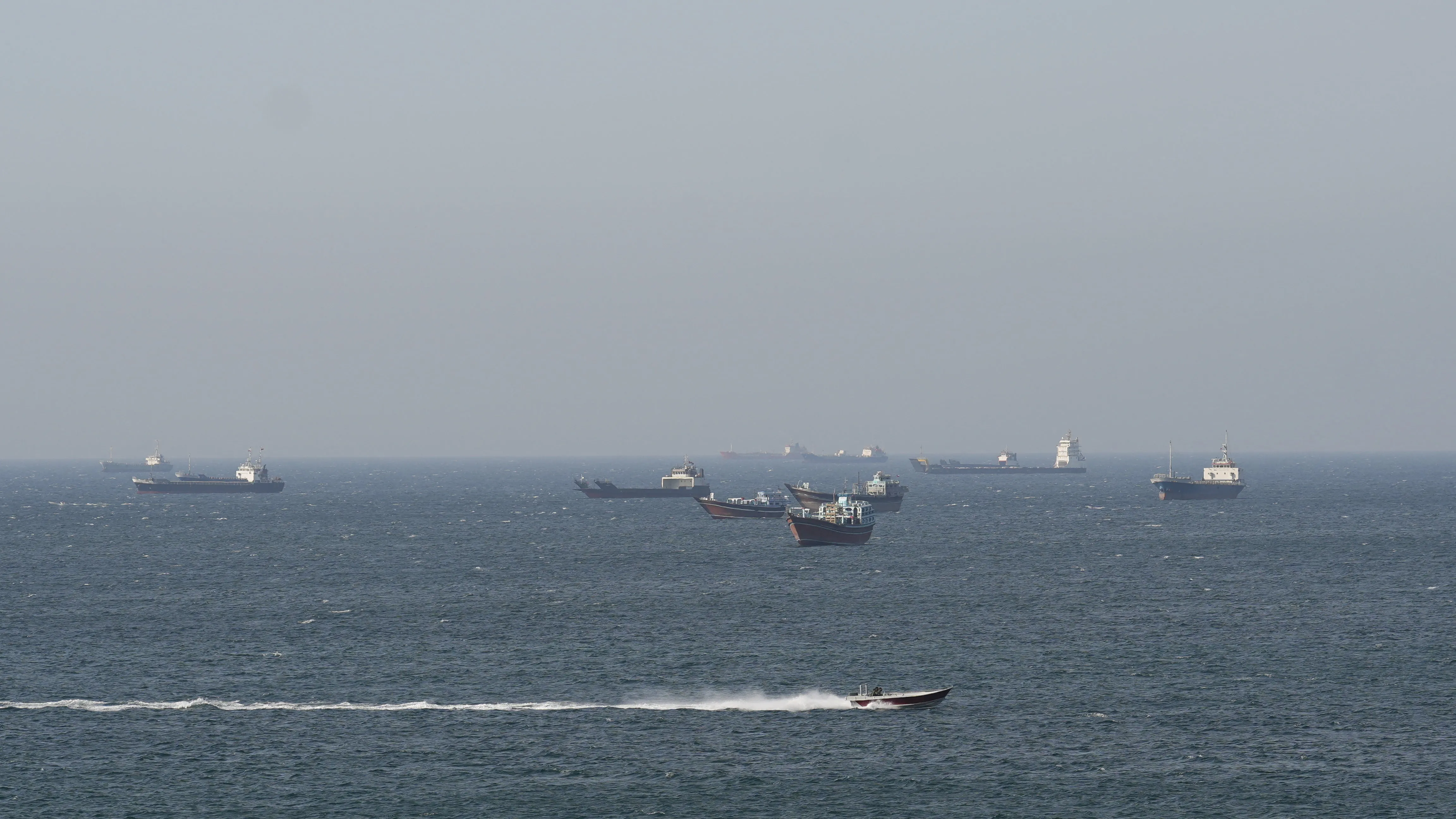
The tensions also raised concerns about the security of global trade routes, particularly the Strait of Hormuz, which is one of the world’s most important oil shipping corridors.