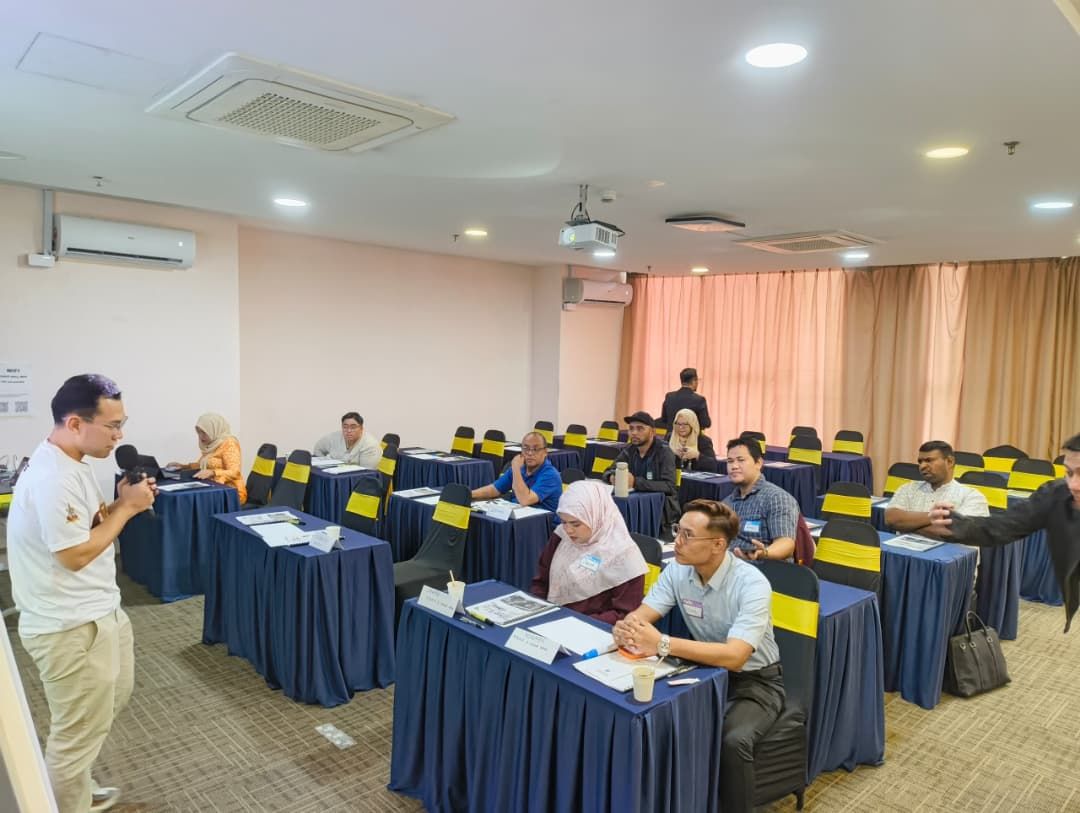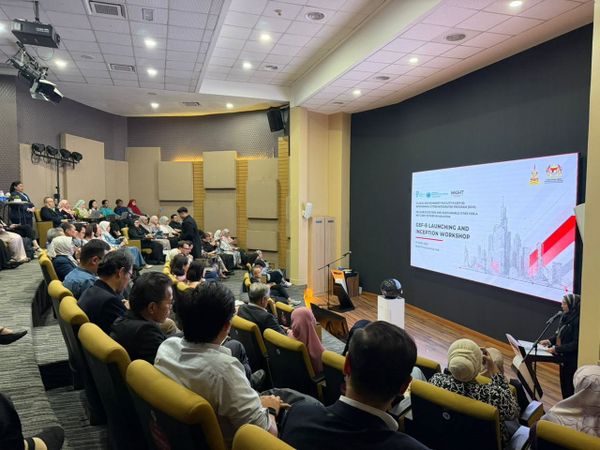
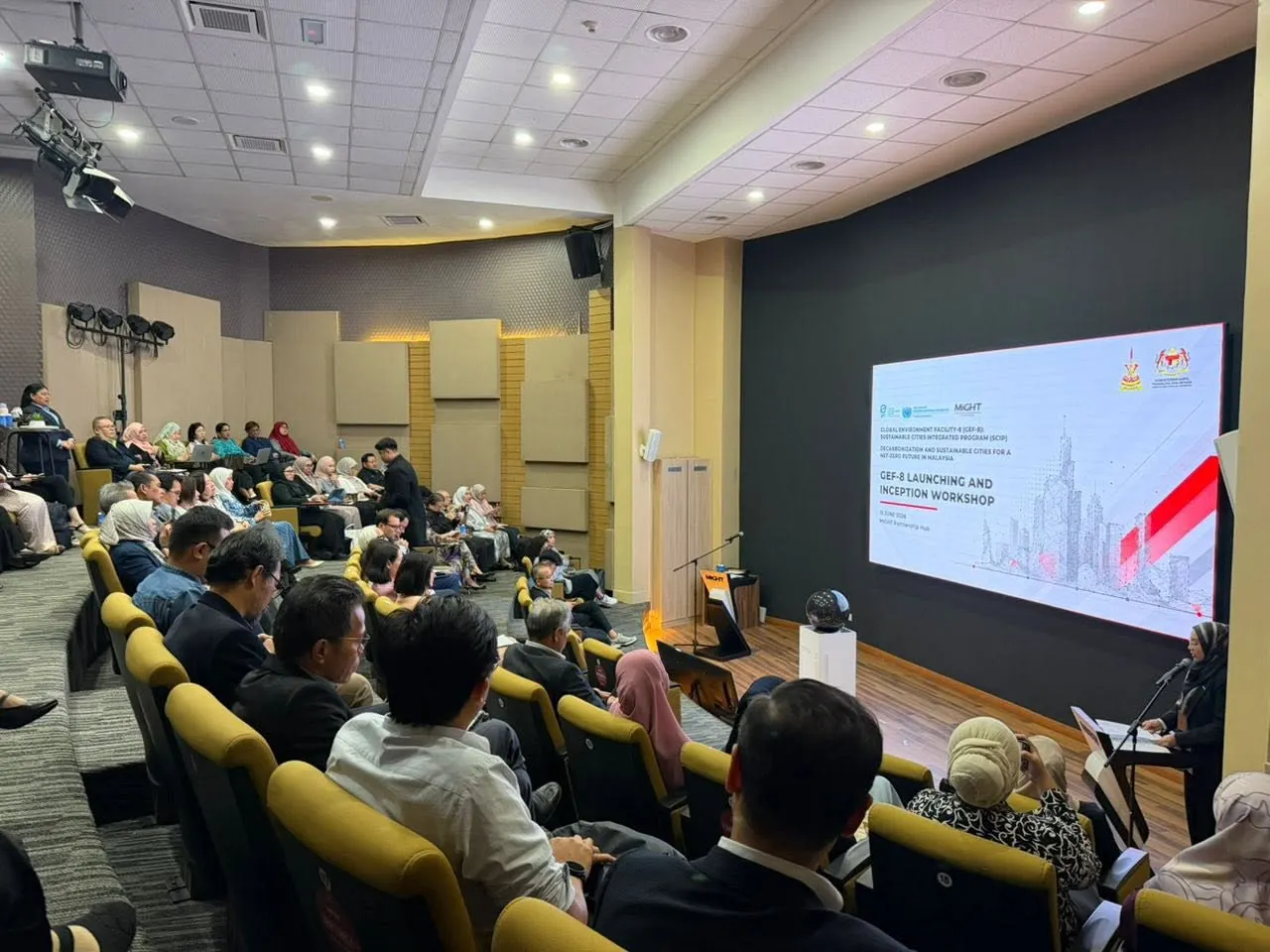
KUALA LUMPUR, June 16 — The Malaysian Industry-Government Group for High Technology (MIGHT), in collaboration with the United Nations Industrial Development Organisation (UNIDO), has launched the GEF-8 Sustainable Cities Integrated Programme (SCIP) in Selangor.
The programme, launched at the MIGHT Partnership Hub recently, aims to drive urban decarbonisation and support Malaysia’s net-zero future, said both parties in a joint statement today.
MIGHT president and chief executive officer Rushdi Abdul Rahim said the launch marks Malaysia’s strategic step towards integrated urban sustainability and anchoring decarbonisation not just as a policy ambition, but as a bankable, city-level reality.
He emphasised the importance of strong collaboration and alignment among state, federal and multilateral partners in driving the initiative forward.
Key stakeholders in the GEF-8 SCIP include the Selangor government as the lead state partner, MIGHT as the national executive entity, UNIDO as the GEF implementing agency, GEF as the funding partner, and the World Bank as the lead agency for the SCIP.
According to the statement, Malaysia is among 20 countries participating in GEF-8 SCIP, a US$145 million (RM589 million) initiative designed to support sustainability across 50 cities worldwide.
Malaysia’s allocation under the programme is US$4.8 million, with implementation led by UNIDO in collaboration with MIGHT.
It said the programme has identified three municipalities in Selangor — Shah Alam, Klang and Sepang — as strategic entry points for integrated urban decarbonisation in Malaysia.
The statement indicated that the programme includes five key components designed to promote a sustainable urban environment.
These include enabling cities to implement integrated decarbonisation policies, facilitating financial support for cities to address climate change challenges, piloting and scaling demonstration projects, strengthening knowledge management and capacity building for municipal authorities, as well as tracking progress and impact.
Over its 20-year lifespan, the programme aims to achieve a direct reduction of 500,000 tonnes of carbon dioxide equivalent in greenhouse gas emissions, with potential indirect reductions of up to one million tonnes.
It also targets the restoration of 300ha of land and ecosystems, as well as improved land management practices across 500 hectares.
The programme was launched by state executive councillor for public health and environment Jamaliah Jamaluddin.