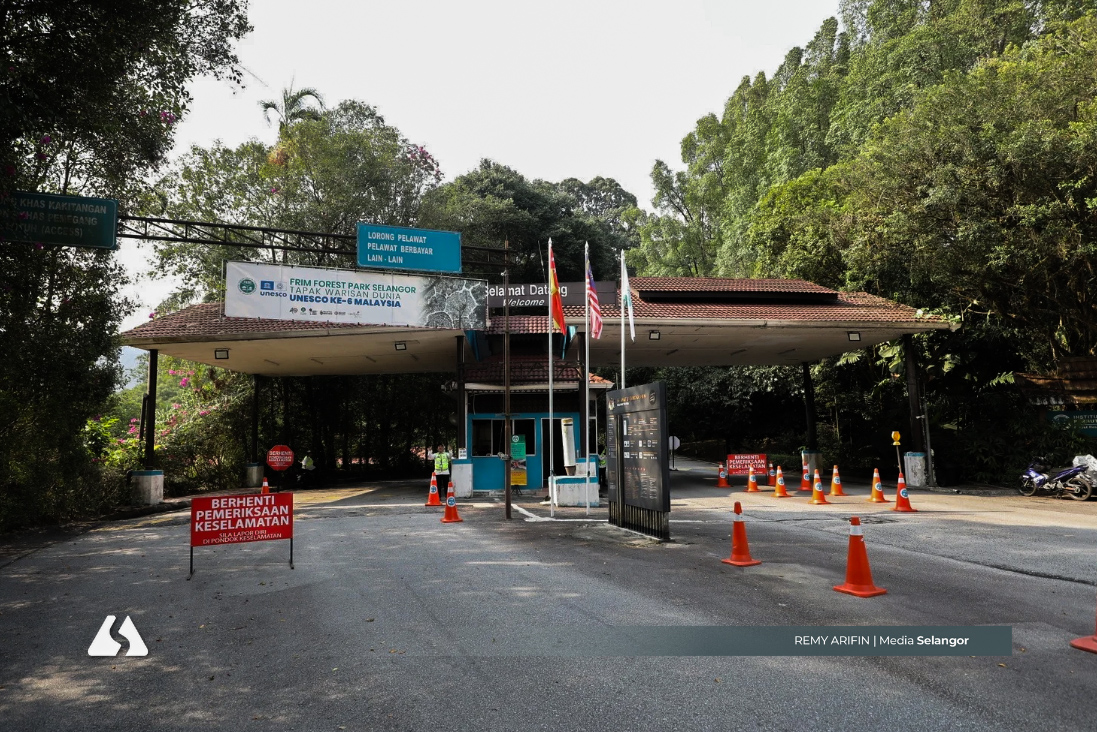
GOMBAK, June 16 — Visitor numbers at the Forest Research Institute Malaysia Selangor Forest Park (FRIM-FPS)have grown after the green lung’s recognition as a UNESCO World Heritage Site, said FRIM deputy director-general (research) Norwati Muhammad.
She said the recognition has helped increase public interest, with more visitors keen to experience its natural heritage and learn about forest conservation efforts.
“Visits to FRIM(-FPS) are conducted as guided tours because we want to provide visitors with a meaningful experience, where our guides explain about the forest and other related aspects,” she told reporters after accompanying Raja Muda of Selangor Tengku Amir Shah on a visit to the park in conjunction with the Gagasan Rumpun Selangor (GRS) 2.0 programme here today.
Also present were state executive councillor for women empowerment and welfare Anfaal Saari, who is also Taman Templer assemblyman; Yayasan Menteri Besar Selangor (Incorporation), or MBI, head Ahmad Azri Zainal Nor; Bukit Lanjan assemblyman Pua Pei Ling; and senior FRIM officers.
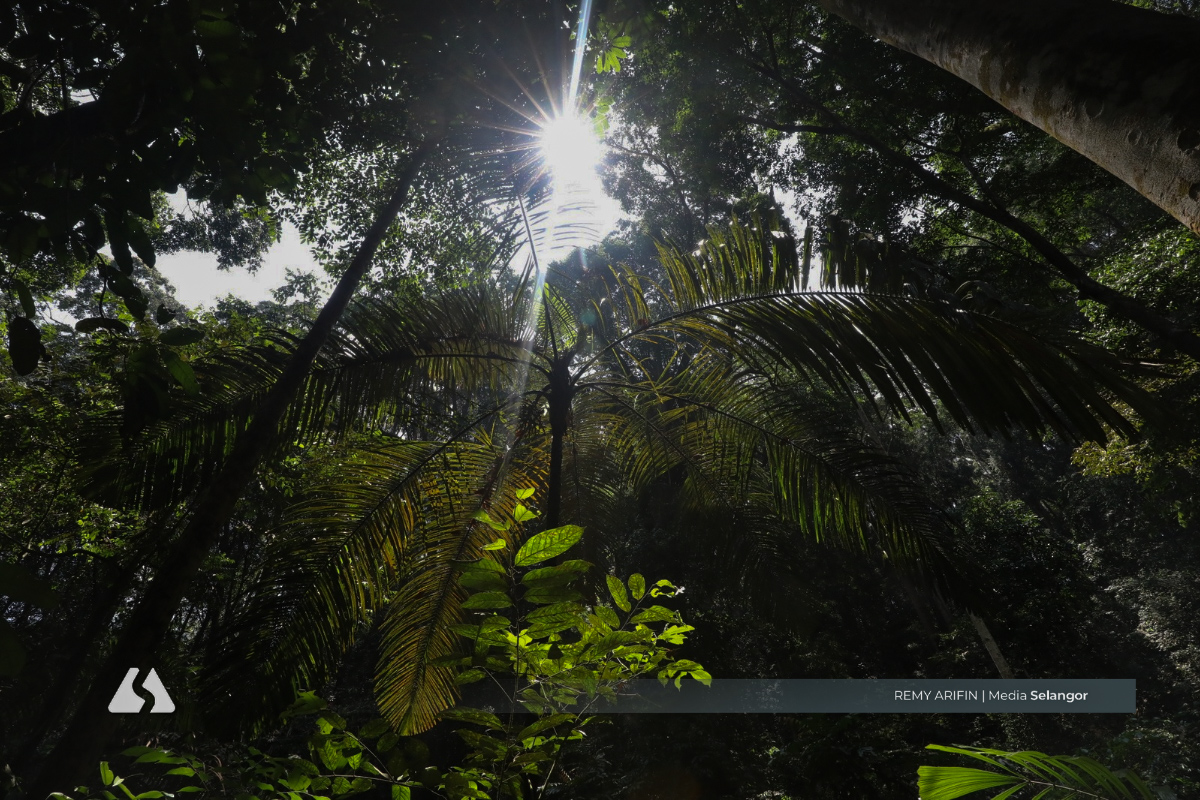
Norwati said the visit and FRIM-FPS’ selection as one of GRS 2.0’s adopted projects is an opportunity to promote the park and showcase its tourism potential.
“We would like to thank the Selangor government for choosing FRIM as one of the locations for GRS 2.0. Through programmes like this, we can promote FRIM as a World Heritage Site and highlight that greening degraded areas is possible,” she said, adding that Chinese visitors currently make up the largest group of foreign tourists to the site.
On July 12, 2025, the Tourism, Arts and Culture Ministry (MOTAC) announced that FRIM-FPS has been inscribed as Malaysia’s sixth UNESCO World Heritage Site during the 47th session of the UNESCO World Heritage Committee in Paris.
The other sites in Malaysia are Kinabalu Park in Sabah (awarded in 2000), Gunung Mulu National Park in Sarawak (2000), the Historic Cities of the Strait of Malacca: Melaka and George Town (2008), the Archaeological Heritage of the Lenggong Valley in Perak (2012), and the Archaeological Heritage of the Niah National Park Caves Complex in Sarawak (2024).
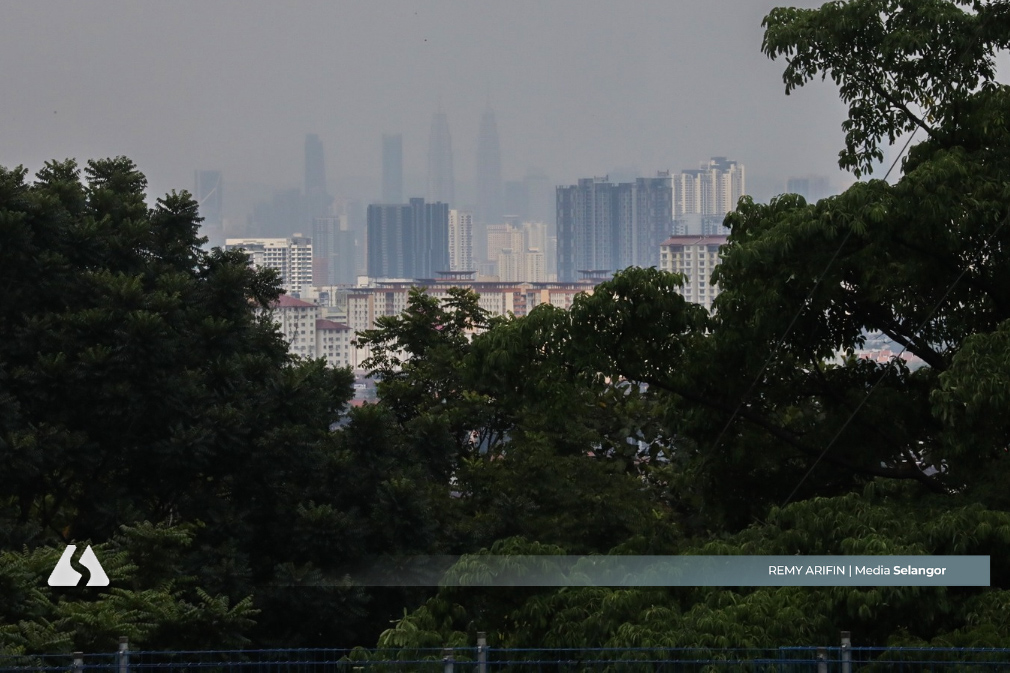
Norwati said FRIM’s success in developing a man-made forest to restore the area demonstrates how rehabilitation efforts can become valuable environmental assets.
During the visit, Tengku Amir Shah toured three locations and planted saplings of the critically endangered “merawan kanching” species, which is native only to the Kanching Forest Reserve in Rawang and has an estimated population of about 400 remaining trees.
“FRIM has carried out efforts to conserve this species through ex situ conservation,” she said, referring to the process of protecting endangered species, varieties or breeds outside their natural habitats.
During the visit, the Raja Muda was also brought to the FRIM-FPS avian wetlands, which Norwati said helps raise public awareness of the importance of mangrove swamps and supports community and school activities such as birdwatching.
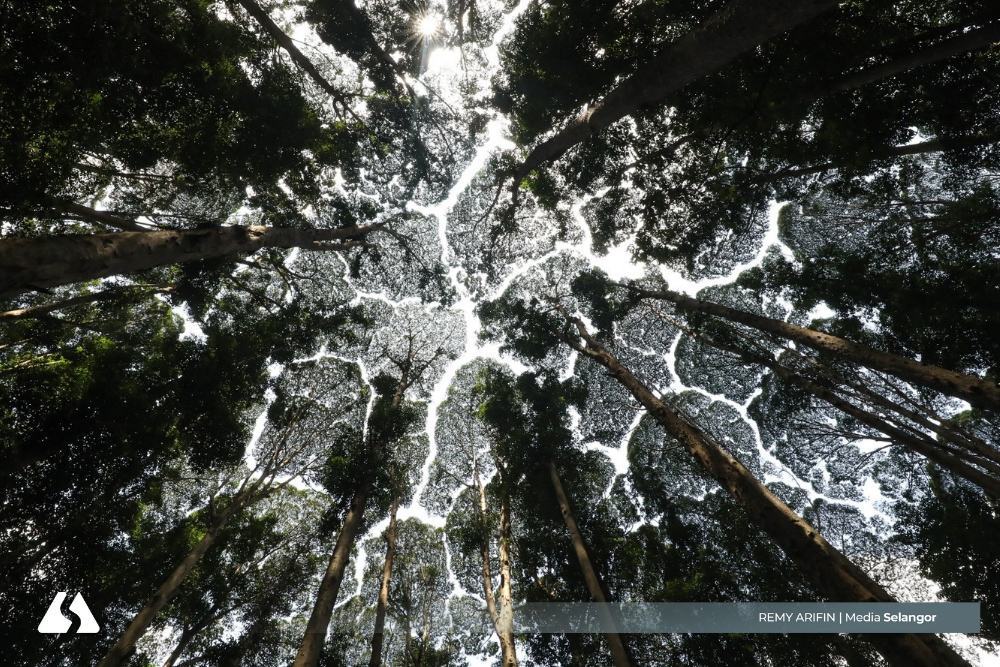
Another location Tengku Amir Shah visited was the Denai Aromatica nature and herbal trail, where visitors are introduced to the crown shyness phenomenon — a unique natural feature observed in forest ecosystems.
Meanwhile, Norwati said the Selangor government has allocated RM300,000 to enhance visitor experience and strengthen conservation awareness at FRIM-FPS.