WASHINGTON, June 12 — Hopes grew today for peace between Iran and the United States after President Donald Trump said a deal could be signed as soon as this weekend, even as Tehran said it has not made a final decision on a pact.
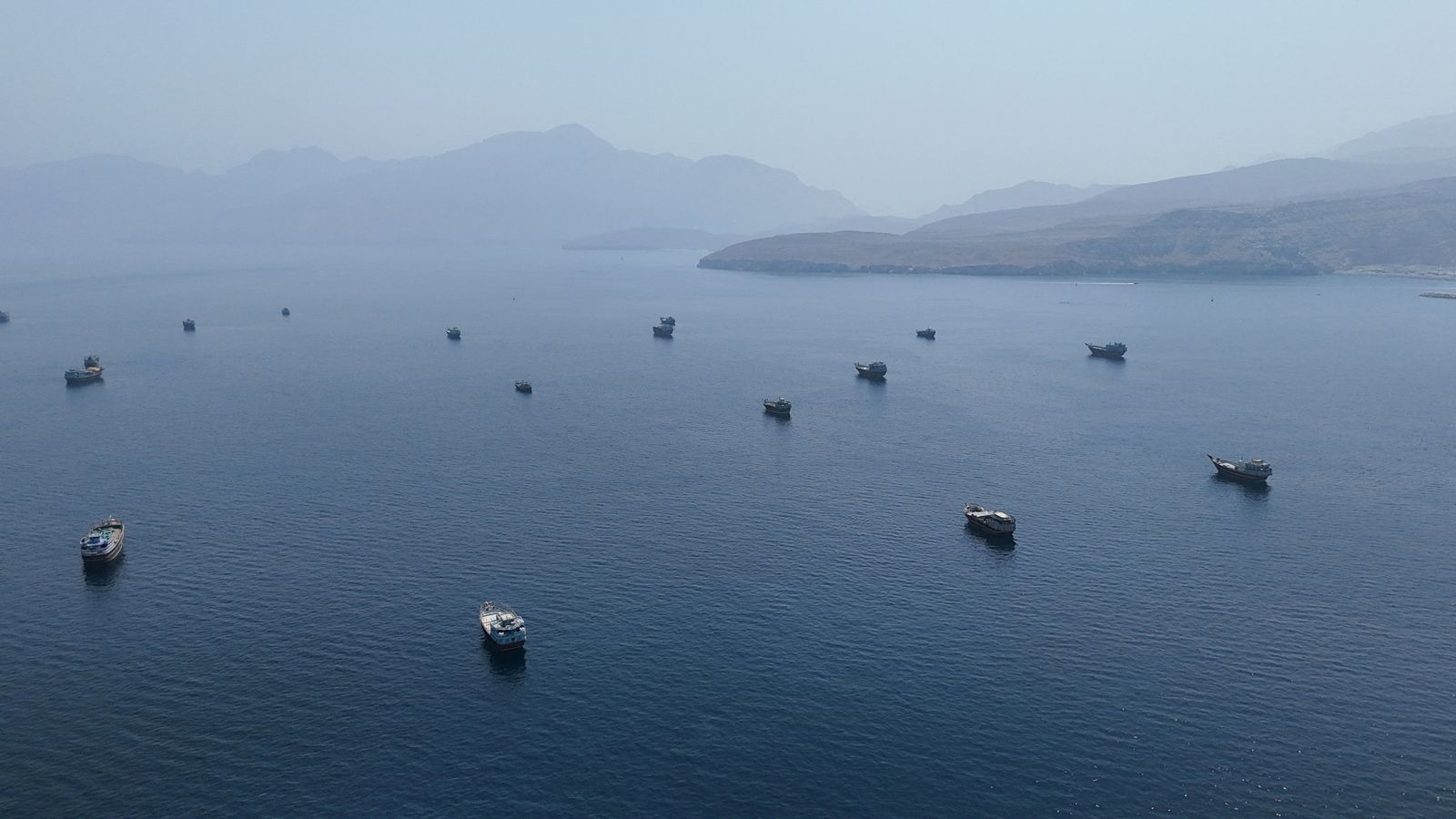
The deal, if confirmed, would be the most significant diplomatic breakthrough yet to end the three-month-old war, which has killed thousands and sent global energy prices sharply higher after Iran all but closed the Strait of Hormuz to shipping.
“We just made a great settlement of the war with Iran,” Trump told reporters at the White House yesterday.
“The strait will officially open as soon as we sign, which could be soon, very soon, maybe over the weekend in Europe,” he said, adding that Vice-President JD Vance would attend the signing.
Asked if Iranian Supreme Leader Ayatollah Mojtaba Khamenei had approved the deal, Trump said: “I understand the answer is yes.”
Since mid-March, Trump has repeatedly claimed a deal with Iran to end the war was close. The two sides have traded strikes this week, straining a ceasefire announced in April.
Iranian media reported Foreign Ministry spokesperson Esmaeil Baghaei as saying large parts of the agreement have been finalised, but Iran would not compromise on its red lines.
“We have not reached a final conclusion on this matter,” he said. “This is a very important issue that is currently being reviewed by the relevant decision-making bodies.”
Markets rally despite tension
Asian stocks joined a strong global rally today on hopes that a peace deal may finally materialise, while oil prices fell to two-month lows.
Still, tension remained high around the Strait of Hormuz, with US forces shooting down two Iranian one-way attack drones after Tehran attempted to strike commercial ships transiting the vital waterway, a US official said.
Iran’s military stopped a tanker from transiting the strait, state media said, reporting the sound of explosions early today.
Trump’s announcement came after he called off planned military strikes on Iran, citing progress in talks.
“It’s a very strong memorandum of understanding (MOU) that is a little conceptual,” Trump told reporters.
Trump has repeatedly said any peace deal must ensure Iran cannot develop a nuclear weapon. Iran denies it is seeking such a weapon.
Iran’s demands include the lifting of international sanctions, the release of billions of dollars in frozen assets and recognition of its control of the Strait of Hormuz.
“The big thing is there will be no nuclear weapons in Iran. That means not developed and not purchased,” Trump later said during a campaign event held by telephone.
Tit-for-tat strikes
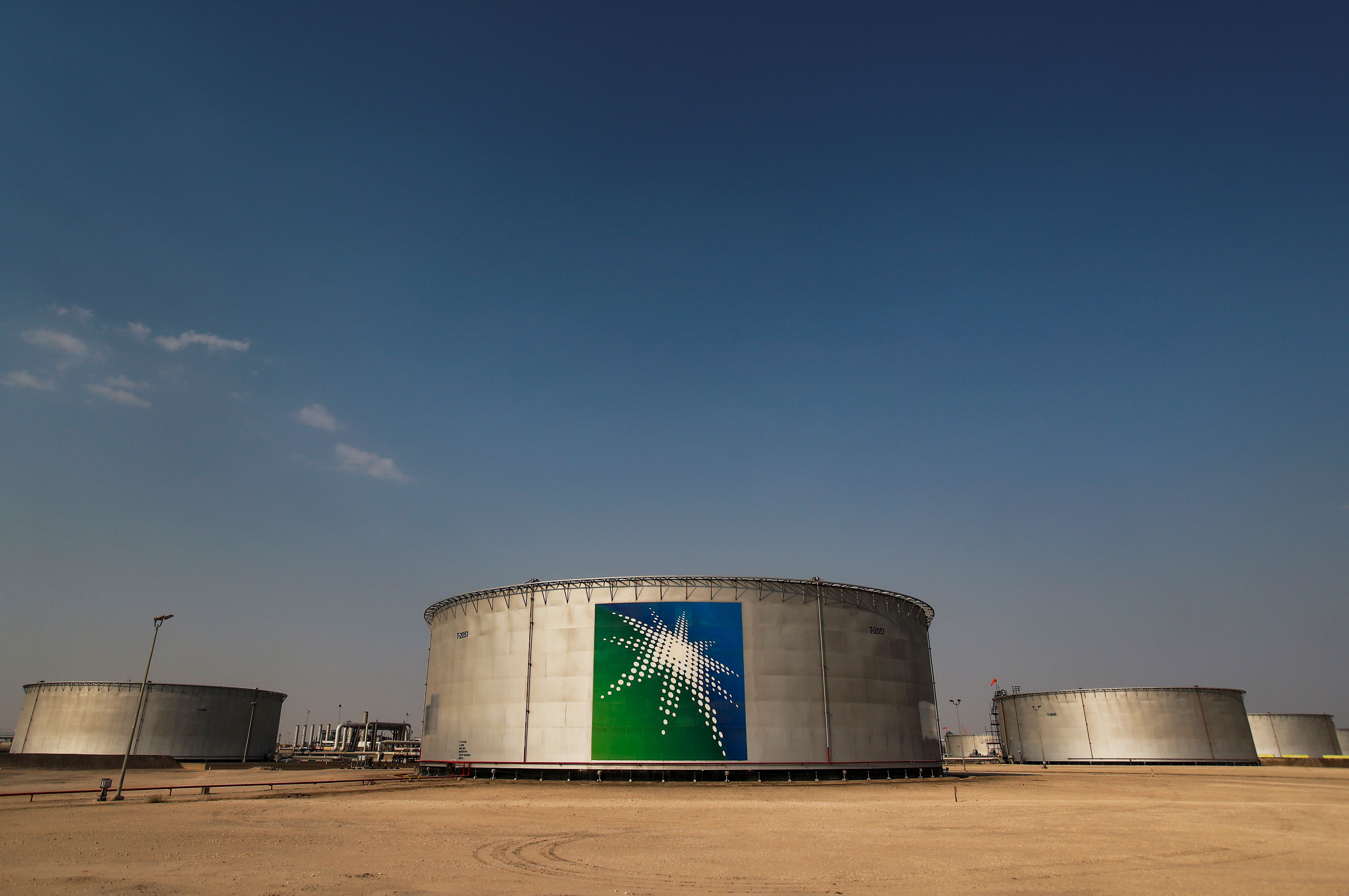
Yesterday, Trump said the US would hit Iran “very hard tonight” and wants to eventually take its oil infrastructure hub, Kharg Island.
The conflict has become a political headache for the White House, with polls showing Trump’s approval ratings sinking amid voter anger over high gasoline prices.
Some Republicans have openly worried that the war’s unpopularity could cost them control of Congress in the November midterm elections.
But Trump’s political considerations also include satisfying Iran hawks within his Republican Party, who scuttled a prior effort, that any agreement closes Tehran’s path to developing a nuclear weapon.
The reaction of other West Asian powers will also be crucial.
Trump said on social media the agreement had been approved by countries including Israel, Saudi Arabia, Qatar, and the United Arab Emirates.
Prime Minister Benjamin Netanyahu’s office said in a statement after the Israeli leader and Trump spoke that Tel Aviv is not a party to the MOU with Iran.
Netanyahu expressed his appreciation for Trump’s commitment to securing a deal that includes removing enriched material, dismantling enrichment infrastructure, limiting missile output and ending support for regional proxies, the summary showed.
Tehran has been demanding an end to Israeli attacks in Lebanon, where fighting has continued in a parallel war between Israel and Iran-backed Hezbollah militants.