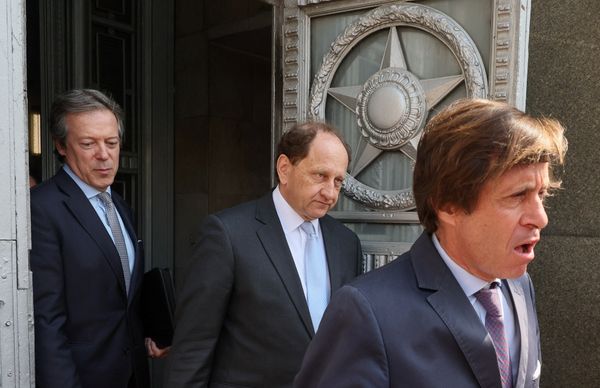
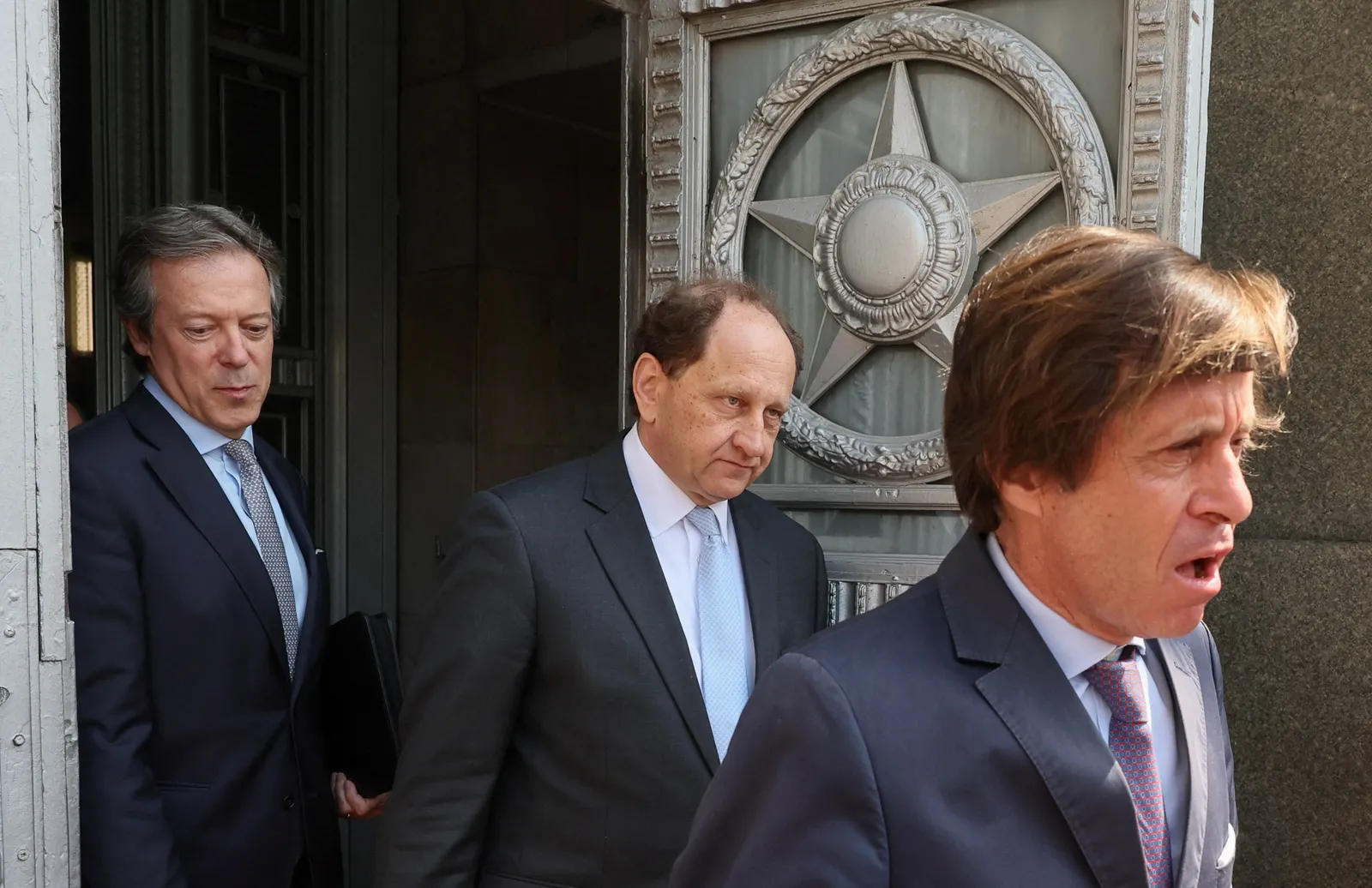
MOSCOW, June 11 — Ambassadors from France, Germany, and the United Kingdom (UK) in Moscow met Russia’s deputy foreign minister on Thursday to condemn the latest escalation in the war in Ukraine and reaffirm support for the United States (US) and European-backed talks between Kyiv and Moscow.
The French Foreign Ministry said that the meeting followed talks in London, the UK, on Sunday, where the leaders of France, Germany, and the UK — the so‑called E3 — met Ukrainian President Volodymyr Zelenskiy and backed his call for a ceasefire.
Russia's Foreign Ministry said Deputy Foreign Minister Mikhail Galuzin accused the three countries of pursuing a "destructive policy" on the Ukraine war.
Speaking after the Moscow meeting, French Foreign Ministry spokesman Pascal Confavreux said the ambassadors had used the talks to restate their concerns "to deplore the recent escalation by Russia and the intensification of its information manipulation campaigns in the context of its aggression against Ukraine."
Such meetings between Western diplomats and senior Russian officials have become rare since the invasion of Ukraine.
The Russian Foreign Ministry said Galuzin presented the diplomats with "an objective assessment of the destructive policy pursued by their countries' leaderships" which it said was aimed at encouraging Kyiv to continue the war with Western backing.
At Sunday's meeting in Downing Street, the European leaders and Zelenskiy agreed that the current line of contact between Russian and Ukrainian forces should be the starting point for talks.
They also backed legally binding security guarantees for Ukraine, including the possible deployment of a multinational force, and said frozen Russian financial assets should remain immobilised until Moscow compensates Kyiv for war damages.
Russian President Vladimir Putin has stuck to his hardline stance on the war, but suggested last week that US President Donald Trump's proposals for peace could help end the fighting.
Speaking to foreign media in St Petersburg, Putin said he was willing to talk to European politicians, but that they were not the right people to broker an end to the war.