SHAH ALAM, June 10 – The government must take immediate steps to prepare for a possible ‘Super’ El Nino phenomenon that is expected to intensify by the end of the year, said the Association of Water and Energy Research Malaysia (AWER) and Centre for Water and Energy Sustainability (CWES).
AWER president and CWES chief executive officer Piarapakaran Subramaniam said the El Nino formation probability is currently at 90 per cent certainty, with the phenomenon expected to reach a very strong or “super” condition by year-end.
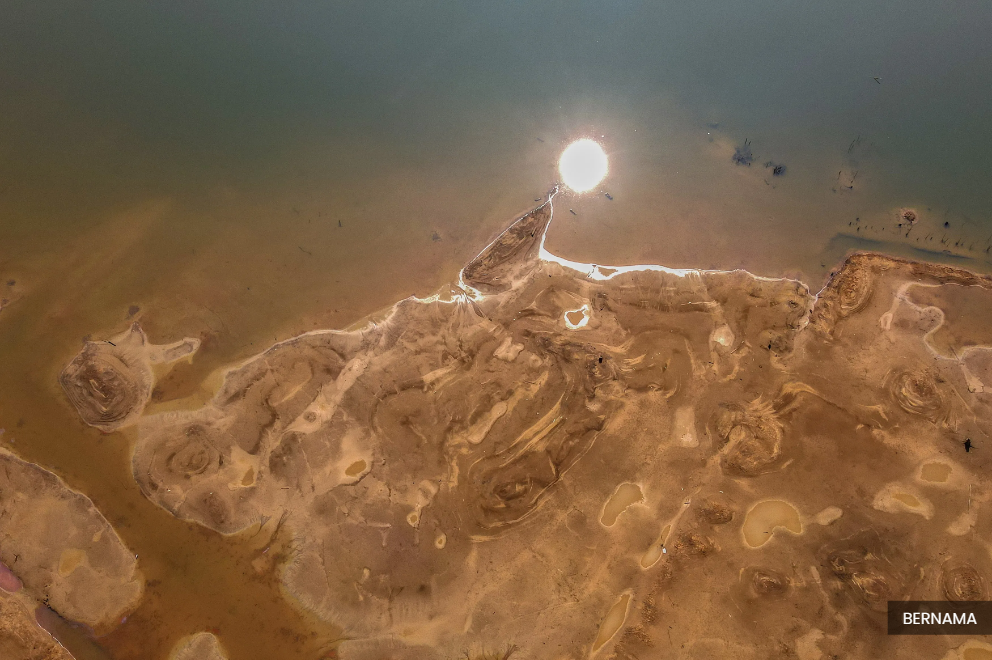
The impact could span the southwest monsoon, inter-monsoon, and northeast monsoon periods, potentially causing rapid depletion of raw water resources, with effects possibly extending into 2027.
“The energy crisis that erupted due to the Middle East conflict is still unfolding and entering an uncharted route. Now, Malaysia must prepare for a second (emerging) crisis, a predicted ‘Super’ El Nino.
“After reviewing several forecast models’ results, AWER and CWES would like to issue an urgent alert to the federal and state governments to prepare for ‘Super’ El Nino,” he said in a statement today.
While a normal El-Nino typically involves an increase in ocean temperatures of between 0.5°C and 1.0°C, a “Super” El-Nino could see the figure reach 2°C or more.
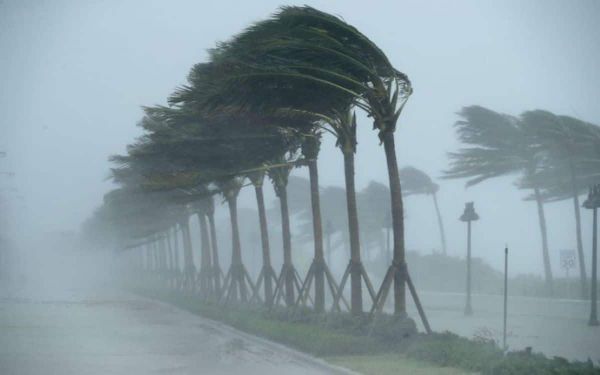
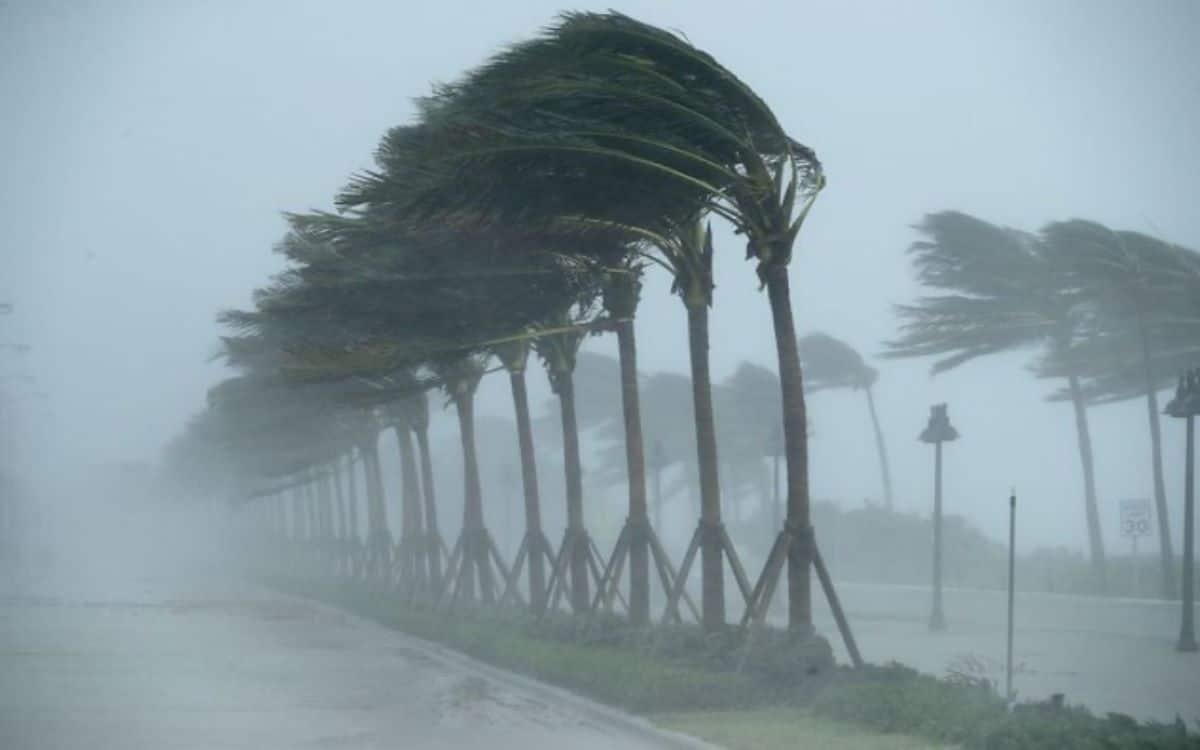
“The higher (the temperature, the worse the impact will be. ‘Super’ El-Nino can also unleash chaotic weather,” Piarapakaran said.
To this, AWER and CWES will jointly send letters to Prime Minister Datuk Seri Anwar Ibrahim, relevant ministries, and state governments to advise them to take immediate steps to prepare for the possible ‘Super’ El Nino.
“It is better for all of us to be prepared and minimise any adverse social, economic, and environmental impacts,” he said.
Risks impacting mitigation efforts
Piarapakaran added that existing risks, such as deforestation, delays in the National Water Services Industry Restructuring, pollution, and high levels of non-revenue water (NRW), could undermine mitigation efforts as the country faces the possibility of a twin crisis.
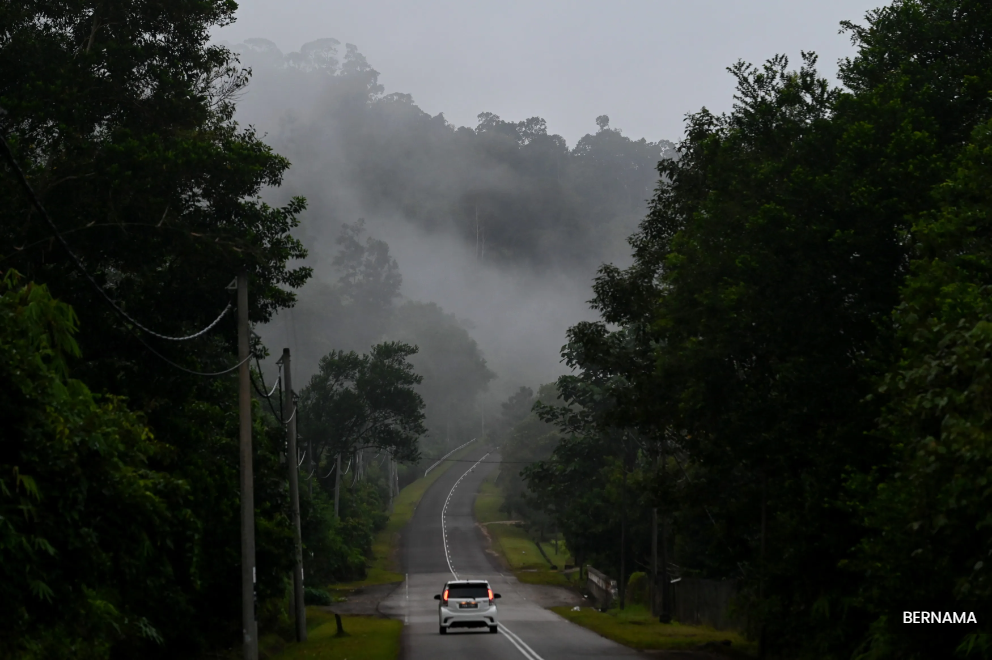
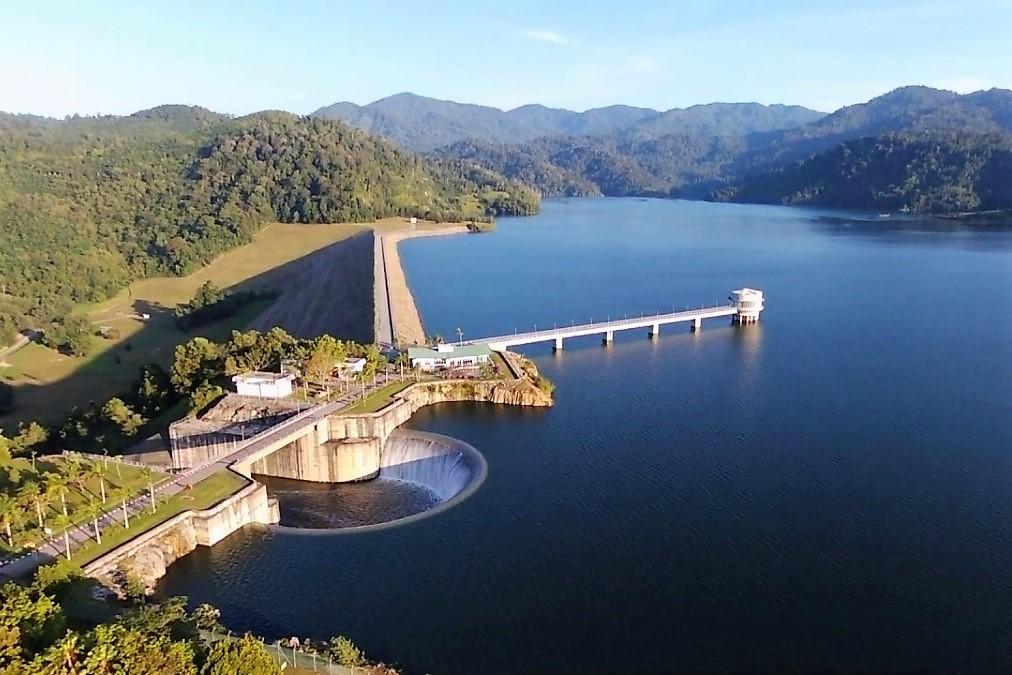
On deforestation, the loss of forest cover and catchment areas over the years has increased risks to raw water availability, as normal dry seasons were already causing dam levels to decline rapidly.
He noted that the restructuring of the water services industry and its implementation have been slow.
“The result of this delay is slow mitigation and (delayed) development of resilient infrastructure. Delays in infrastructure development are a missed opportunity to improve water supply resilience,” Piarapakaran said.
On pollution risks, the lower river baseflows during El Nino could reduce the dilution factor, leading to higher pollutant concentrations that may affect water treatment plants, aquaculture activities, and other raw water-dependent sectors.
He also raised concerns about NRW, saying that levels have remained above 30 per cent since the Eighth Malaysia Plan period (from 2001 to 2005), and that implementation of the NRW Reduction Action Plan has been slow since 2013.
Piarapakaran also highlighted several variable risks that could determine Malaysia’s ability to manage the “Super” El Nino phenomenon, including rising operational costs due to the Middle East conflict.
As such, he urged the Federal and state governments to identify high-risk projects and their potential impacts across sectors, and to develop measures to mitigate them.
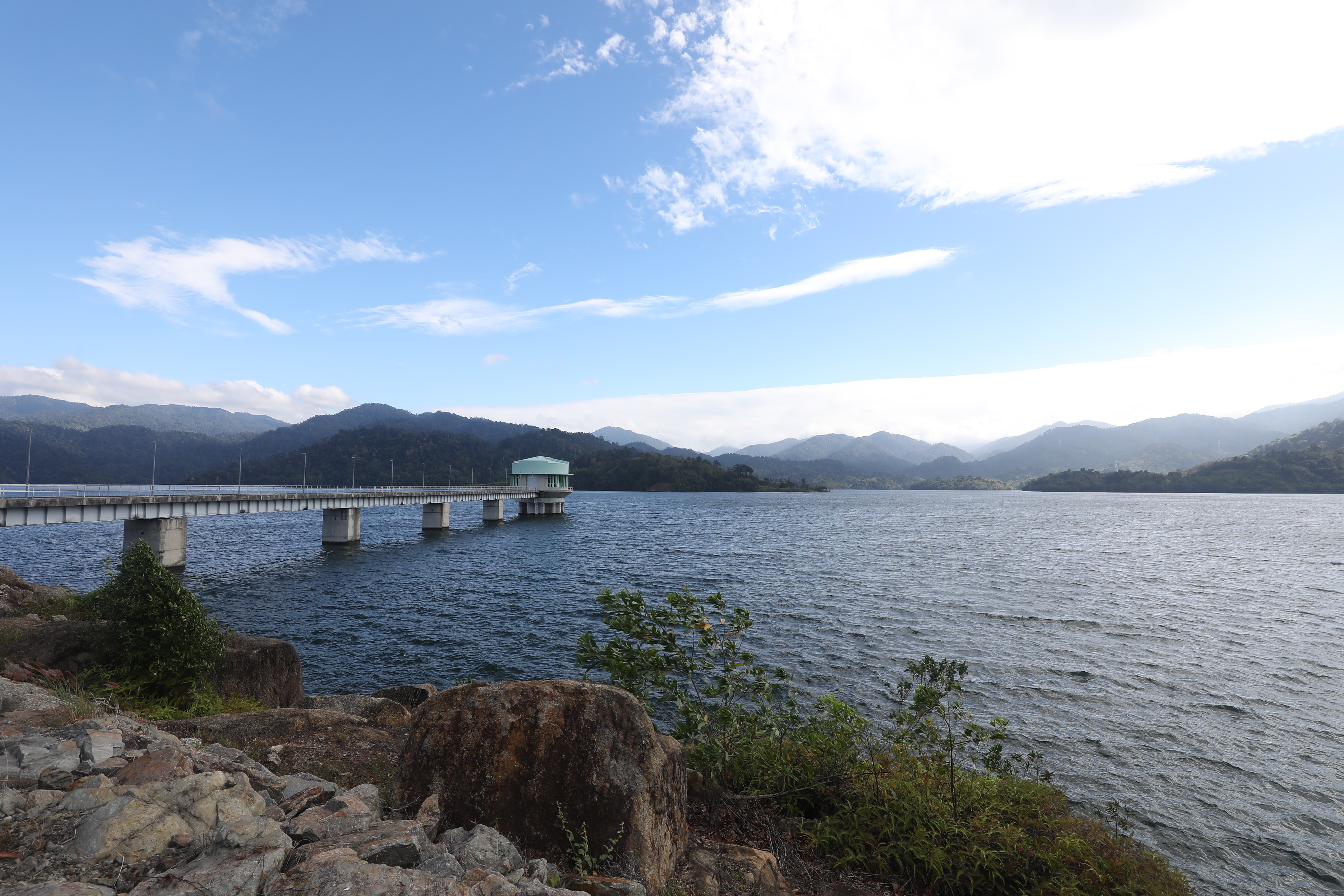
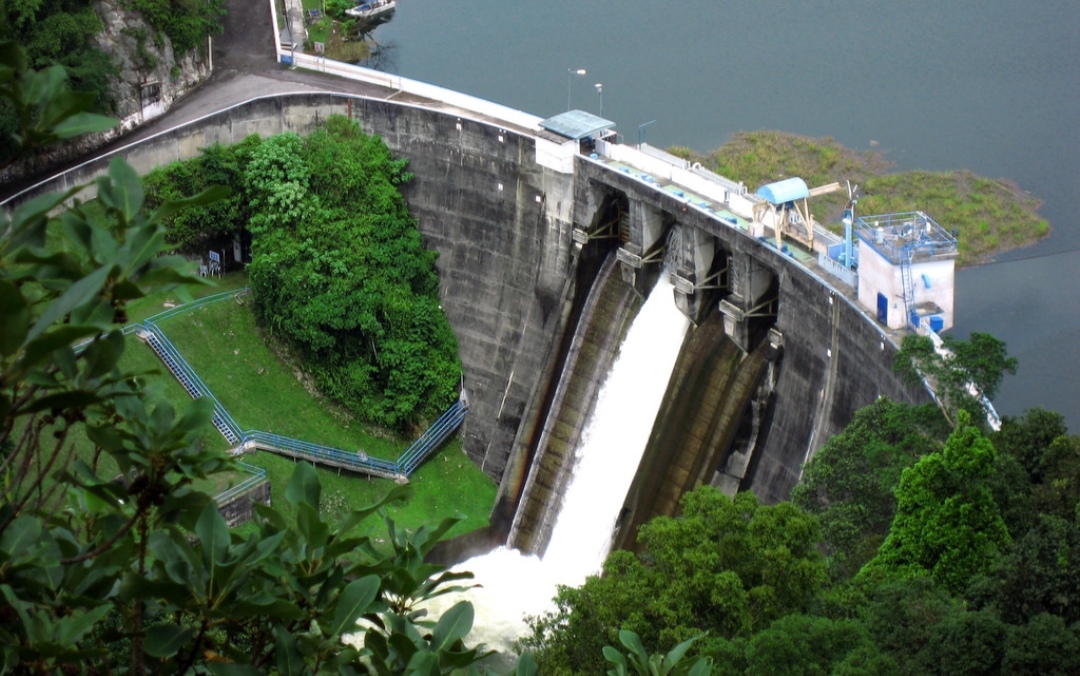
Dam water level and raw water availability could also determine the country’s ability to navigate El Nino, with a 2023 study finding that 16 out of 55 dams needed storage reassessment of storage.
Piarapakaran also called for stronger monitoring of rivers with low baseflows, improved enforcement against illegal dumping, and measures to prevent seawater intrusion that could affect downstream treatment plants and inter-state raw water pumping stations.
Other variable risks include peat fires, which may contribute to haze and affect solar power generation, as well as the need for coordinated planning between Federal and state governments, including the establishment of committees to improve information sharing and crisis management.