KUALA LUMPUR, June 1 — Drug policy reform should place greater emphasis on treatment and rehabilitation rather than imprisonment, said Drug Policy Programme Malaysia (DPPM) senior technical officer Farid Zuhri Ismail.
Legal reforms should be guided by the principles of Rahmah (compassion) and Maqasid Syariah (the higher objectives of Islamic law) in order to address addiction more effectively.
He said that the existing laws that have been in place for decades have not succeeded in significantly reducing drug addiction and substance abuse.
“Most importantly, the working paper we are presenting carries the spirit of Maqasid Syariah, allowing us to view the issue through an Islamic lens, whereby rehabilitation and treatment should be prioritised over punishment alone.
“We do not want individuals to continue being punished without first being offered assistance and a second chance, as the door to repentance is always open. Under the spirit of reform and islah (renewal), there is always room for redemption,” Farid told Media Selangor.

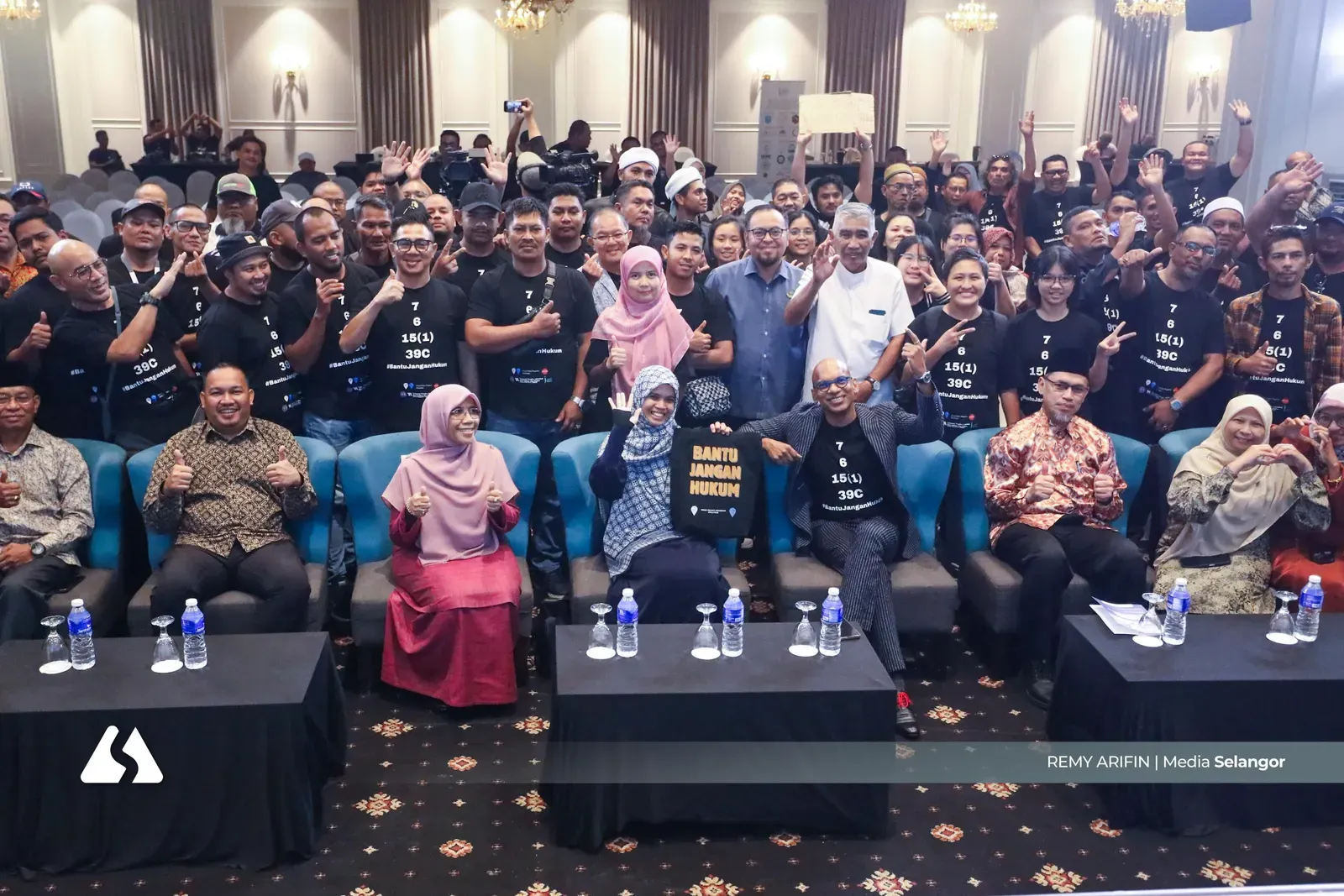
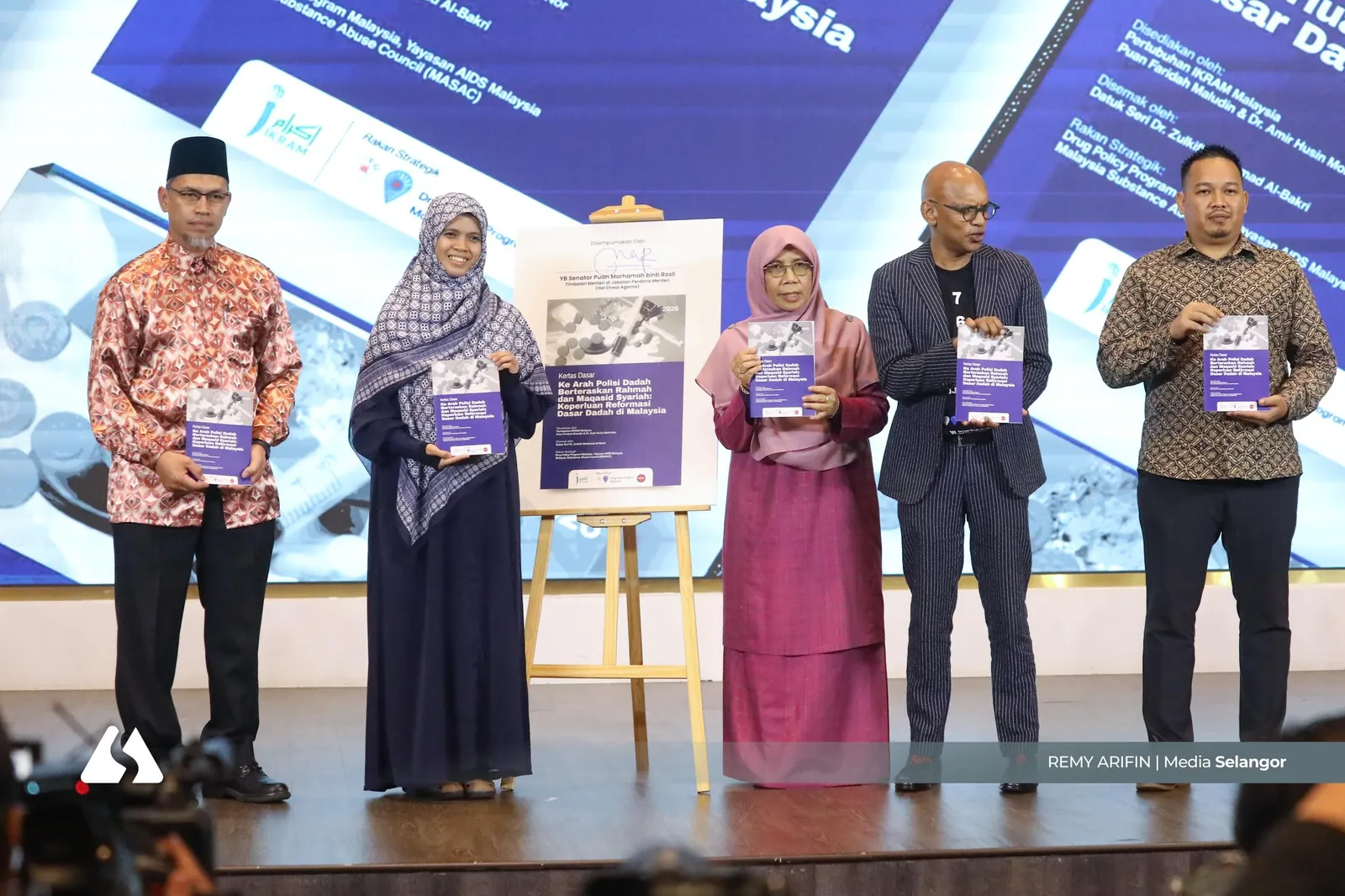
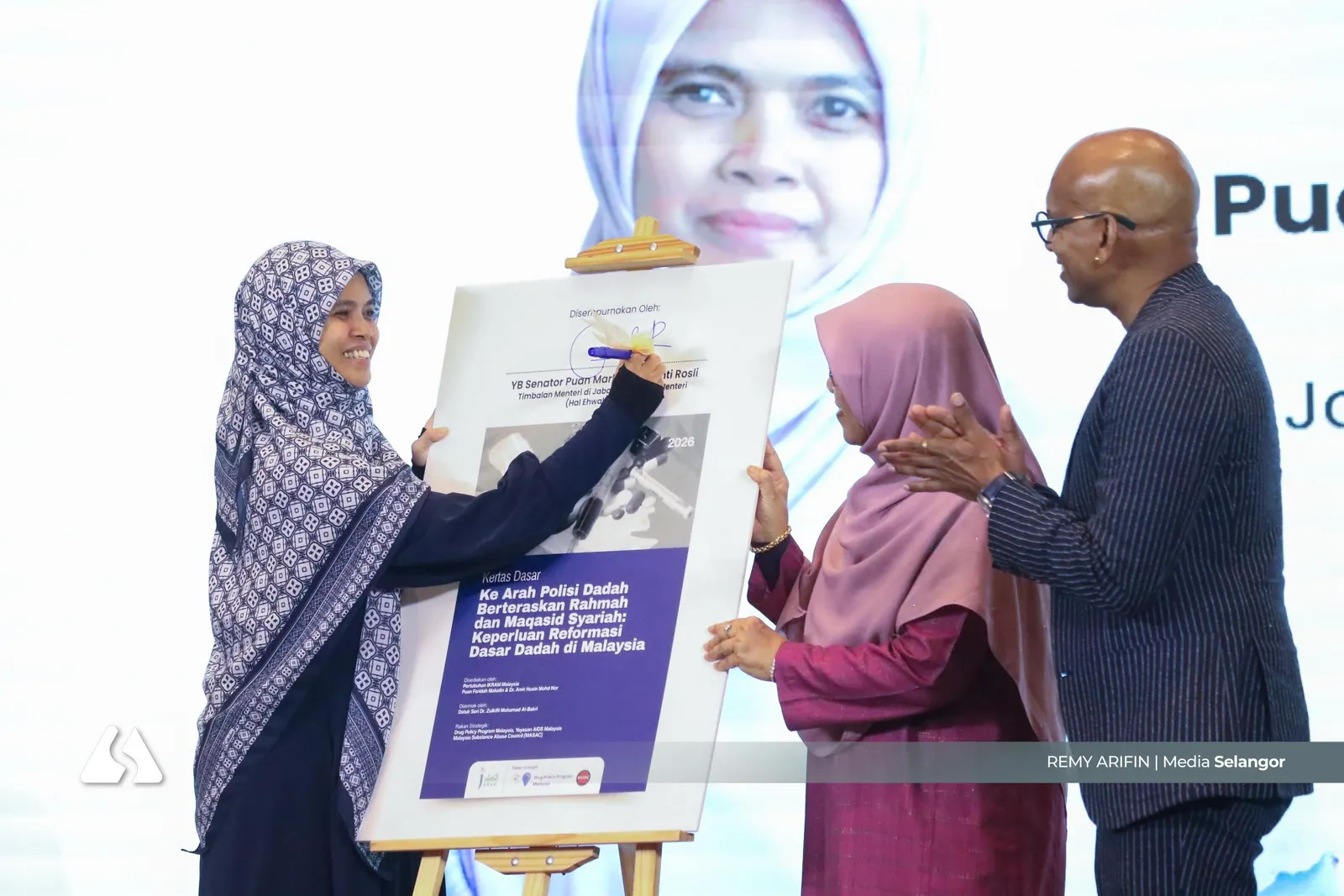
He was speaking at the launch of the Working Paper Towards a Drug Policy Based on Rahmah and Maqasid Syariah at the Kingston 10 Hotel in Bukit Jalil yesterday.
Farid added that drug legislation should be reassessed because it does not adequately take into account the realities of addiction, as existing laws do not distinguish between people with substance dependence and other drug users, resulting in all of them being treated as criminals.
“One international study found that people with addiction represent only around 10 to 20 per cent of the broader spectrum of drug use. Some individuals experiment with drugs, some use them recreationally, while others may use them occasionally or for work-related reasons.
“The current legal framework does not recognise these distinctions. Everyone is labelled an addict, everyone is treated as a criminal, and they are placed either in prison or in locations operated by the Narcotics Addiction Rehabilitation Centre and the National Anti-Drugs Agency,” he said.
Echoing Farid's sentiments, the Malaysian Islamic Youth Movement's (IKRAM) representative Faridah Maludin said the working paper focuses on drug users and people with addiction rather than traffickers, while reinforcing a treatment-based approach.
“We are moving towards a new approach where individuals are not automatically sent to prison. Instead, access to treatment should be strengthened because people with drug addiction are patients, and we should view the issue from a healthcare perspective,” she said.
The working paper focuses specifically on users and people with addiction, not drug traffickers, and seeks to strengthen efforts to shift the response from punishment towards treatment.
Faridah noted that the approach is also important in preventing misunderstandings among the Muslim community that drug policy reform is intended to legalise or normalise drug use.
“We developed this working paper to strengthen the current approach towards drug offenders so that they are not automatically imprisoned. They are not criminals; they are drug offenders who may have used substances for a variety of reasons.
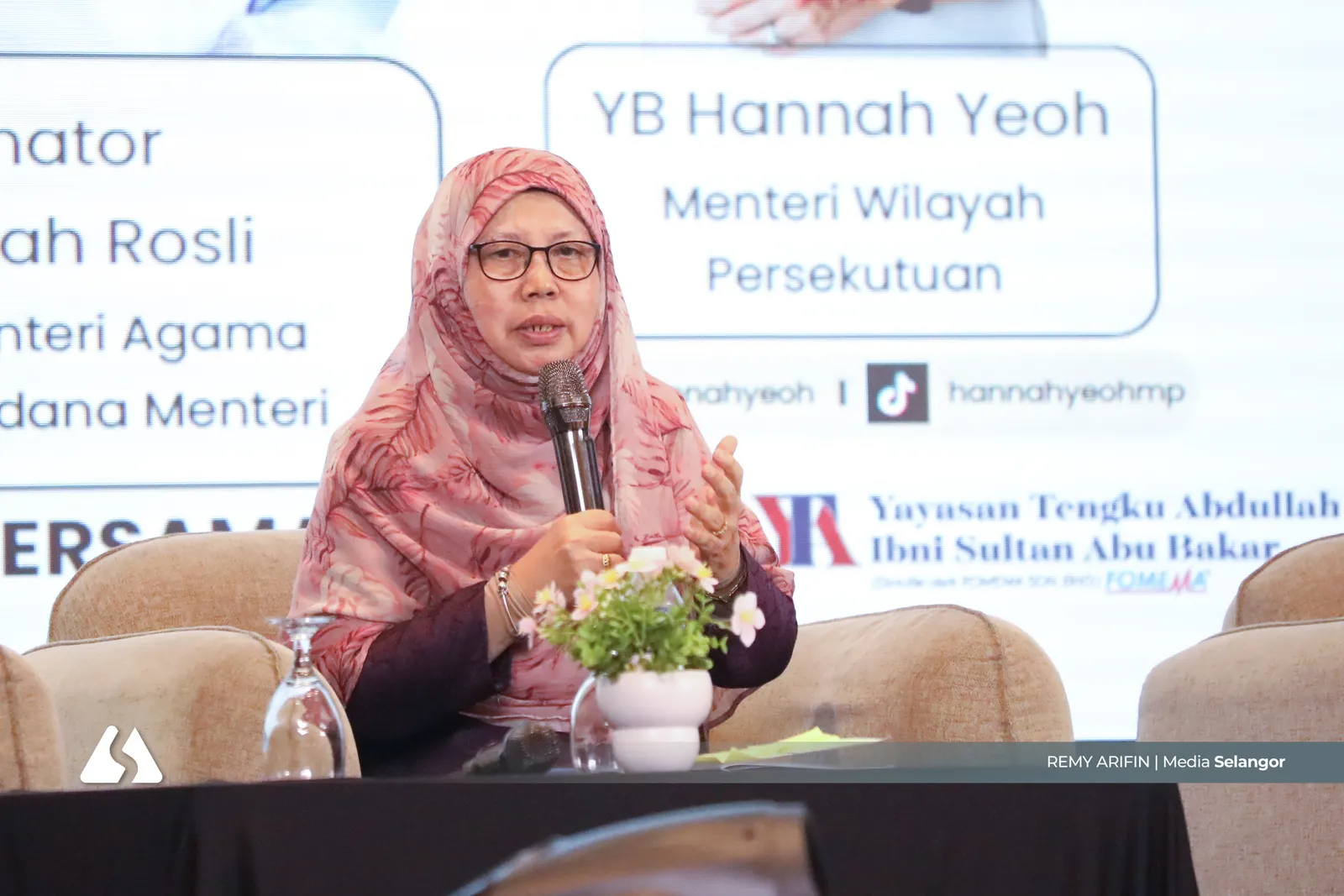
“We can see that prisons are overcrowded, and 60 per cent of inmates are there because of drug-related offences,” she said.
The paper was prepared by IKRAM and reviewed by former minister in the Prime Minister’s Department (Religious Affairs) Datuk Zulkifli Mohamad Al-Bakri, before being presented to various stakeholders, including religious institutions and government ministries, for support.
Debate surrounding drug policy reform has regained public attention following several high-profile cases, including that of singer and composer Yasin Sulaiman.
The nasyid performer was previously sentenced to life imprisonment and 16 strokes of the cane in August 2024 after being found guilty of three drug-related charges.
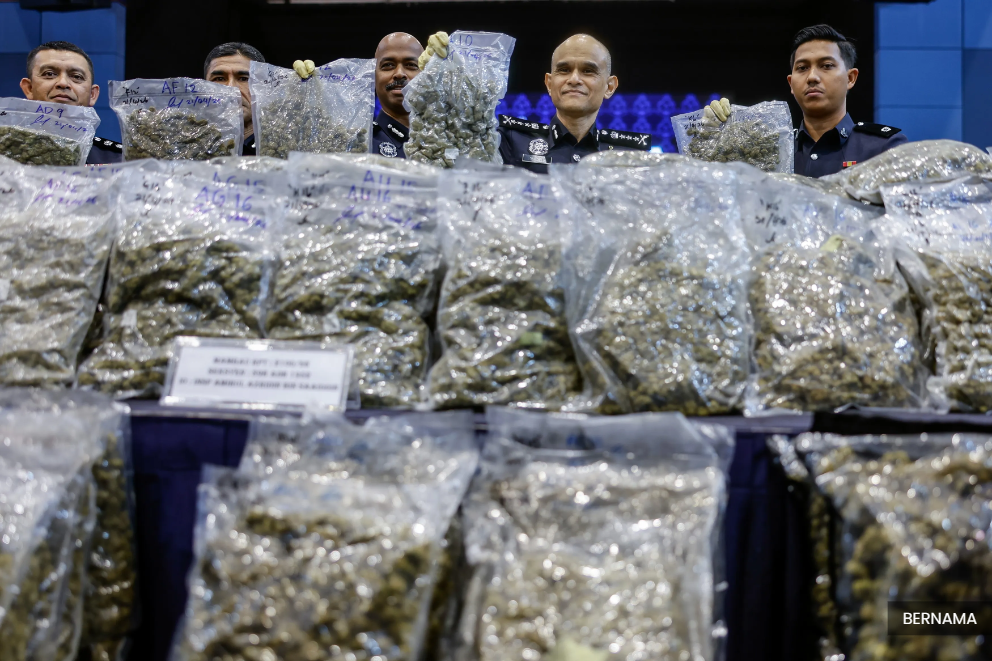
These included possession of 193.7g of cannabis, cultivating 17 cannabis plants in plastic pots, and self-administering a dangerous drug.
In April last year, the father of two was acquitted and discharged by the Court of Appeal, which ordered that he be returned to Bahagia Psychiatric Hospital in Ulu Kinta, Perak, where he is being held at the pleasure of the Sultan of Selangor Sultan Sharafuddin Idris Shah Alhaj.