
LABUAN, July 5 — Synthetic drugs account for 83 per cent of drug abuse cases recorded in the country, prompting the National Anti-Drugs Agency (AADK) to closely monitor the emerging trend involving fentanyl.
Its director-general Datuk Ruslin Jusoh said that methamphetamine remained the most commonly abused synthetic drug, while the remaining 17 per cent of cases involved traditional drugs such as cannabis and heroin.
"The use of synthetic drugs is worrying as we are seeing various types being abused, with methamphetamine being the highest.
"AADK is also monitoring the new trend involving fentanyl, and the agency is equipped with urine test strips to detect certain substances," he told the media after launching the Jelajah Aspirasi Bebas Dadah and Kampung Aspirasi Bebas Dadah programme at Dataran Kampung Belukut today.
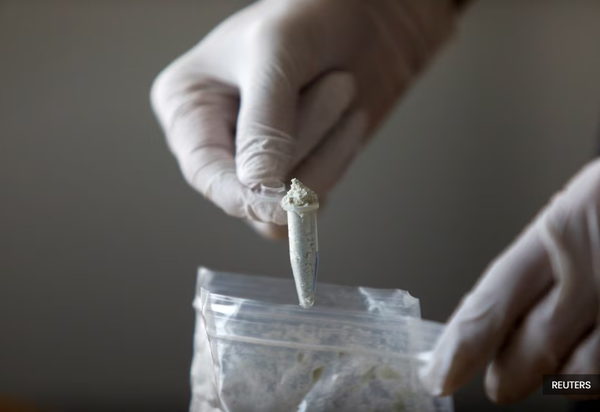
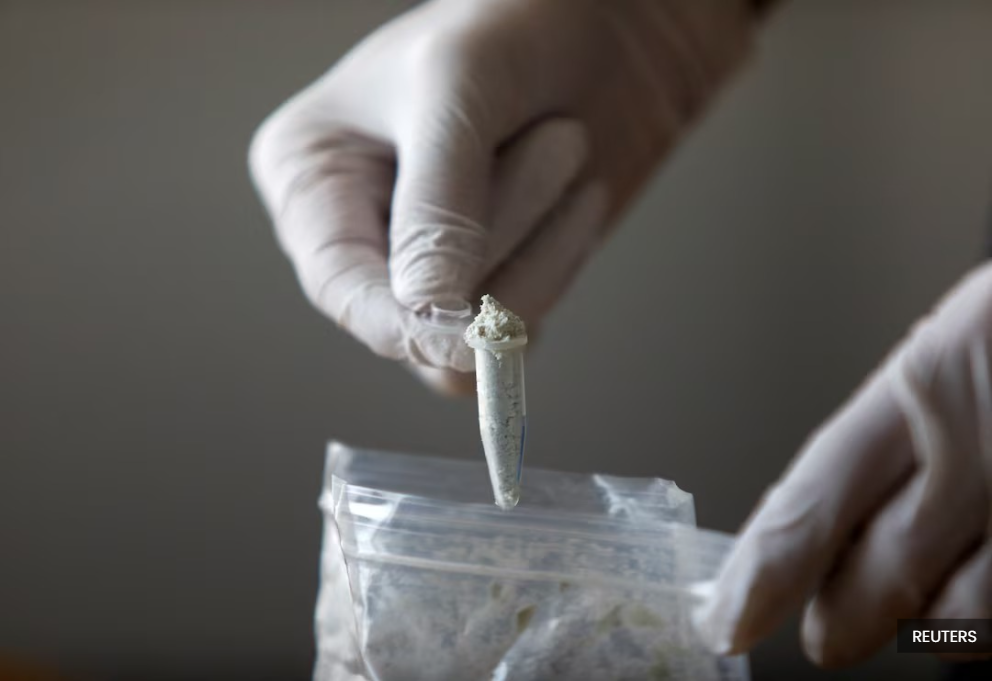
Ruslin added that the test strips available to AADK could detect several substances, including amphetamine-type stimulants, or methamphetamine, fentanyl, AB-PINACA, cocaine, and ketamine.
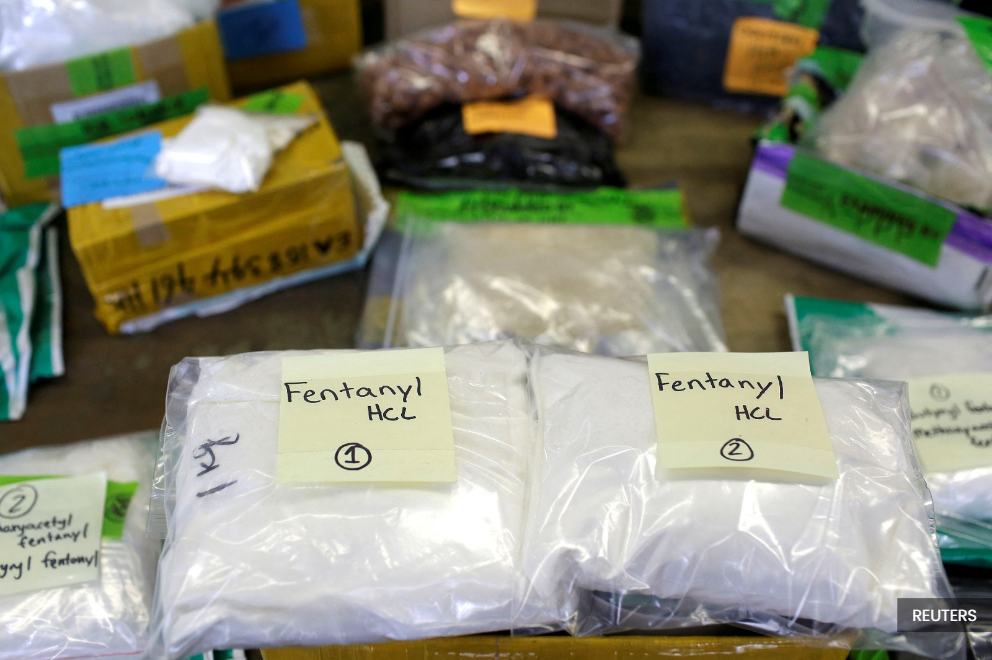
Fentanyl is a highly potent synthetic opioid that is 50 to 100 times stronger than morphine, and from recent seizures involving such a drug, there is a need for AADK to strengthen its monitoring to identify the presence and pattern of new synthetic drug abuse in the country.
He said that urine tests would also be conducted again on those undergoing rehabilitation to identify the specific types of drugs they had taken.
“We do not want to only know that a person is involved in drug abuse, but also to identify what type of drug is being abused so that intervention and rehabilitation can be more targeted,” Ruslin said.
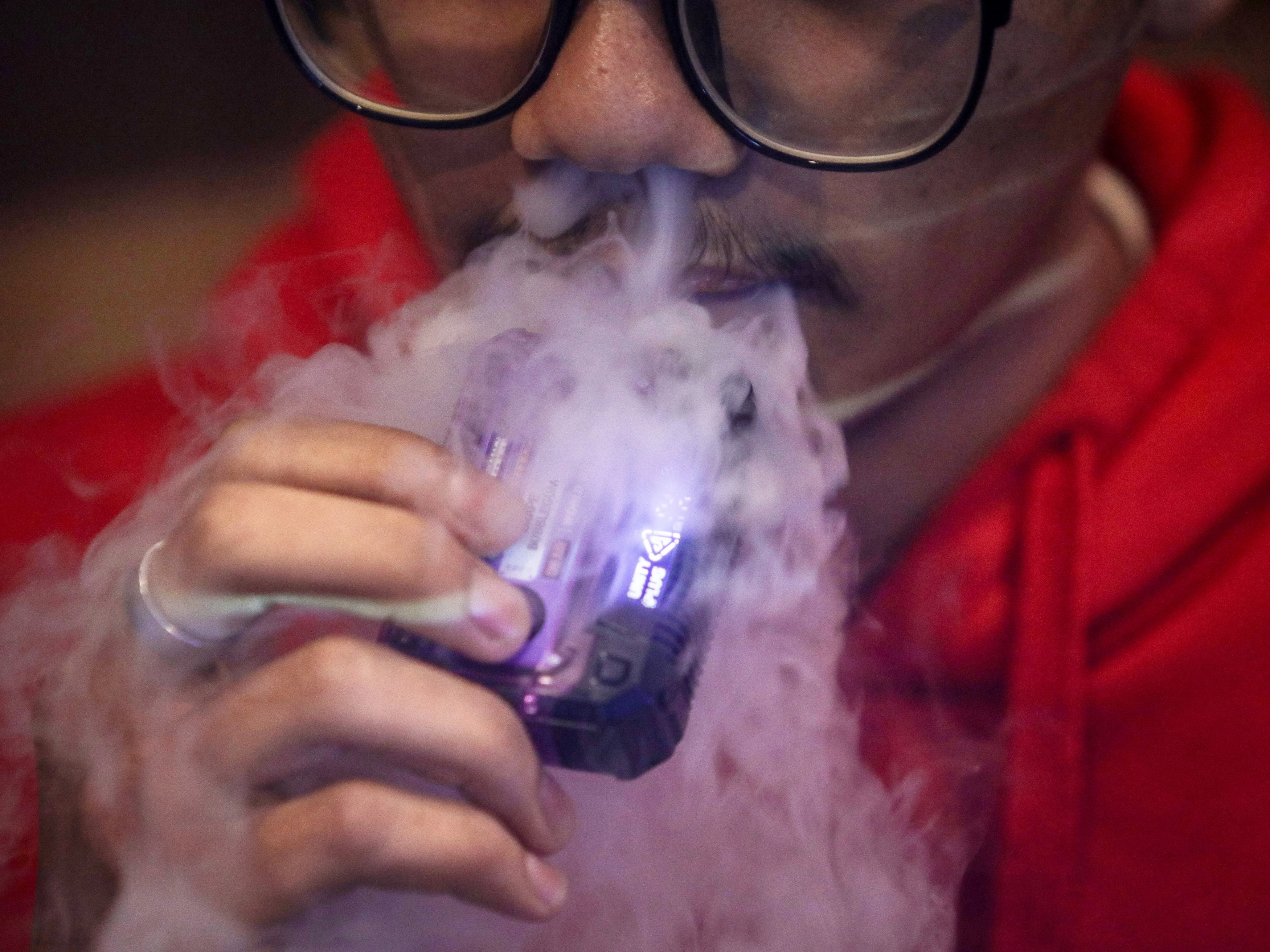
AADK is also concerned about the abuse of drugs through e-cigarettes and vape devices, which pose a growing challenge in detection and prevention efforts.
On the increase in drug cases in states located near border areas, efforts must not only focus on enforcement and supply control, but also on reducing demand.
Meanwhile, he said that Labuan currently has 268 drug addicts undergoing AADK’s rehabilitation process, with males accounting for 91.6 per cent and women making up the remaining percentage.
For 2026, amphetamine-type stimulants accounted for 98.5 per cent of drug abuse cases in Labuan, while the remaining cases involved traditional drugs.