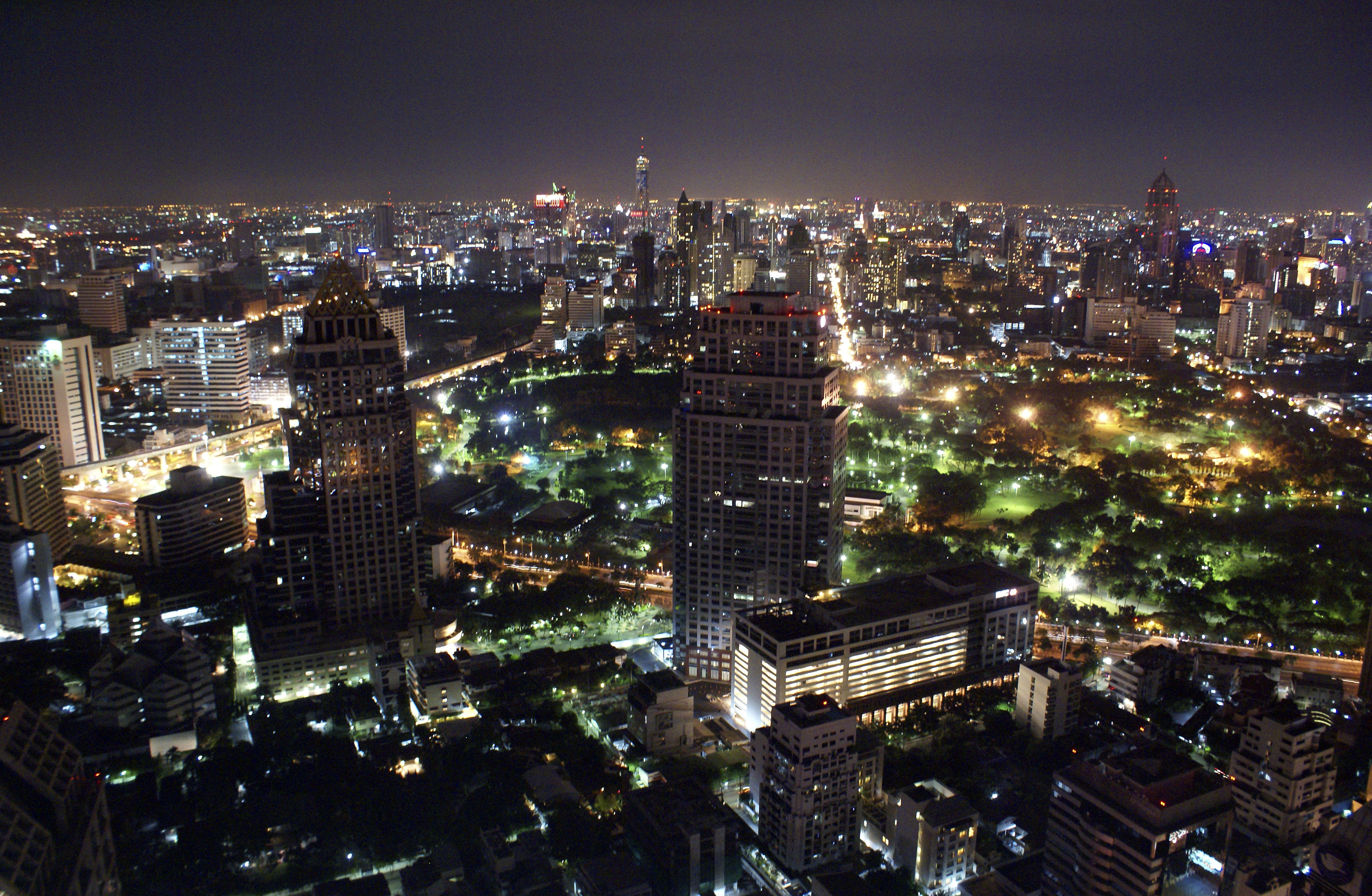
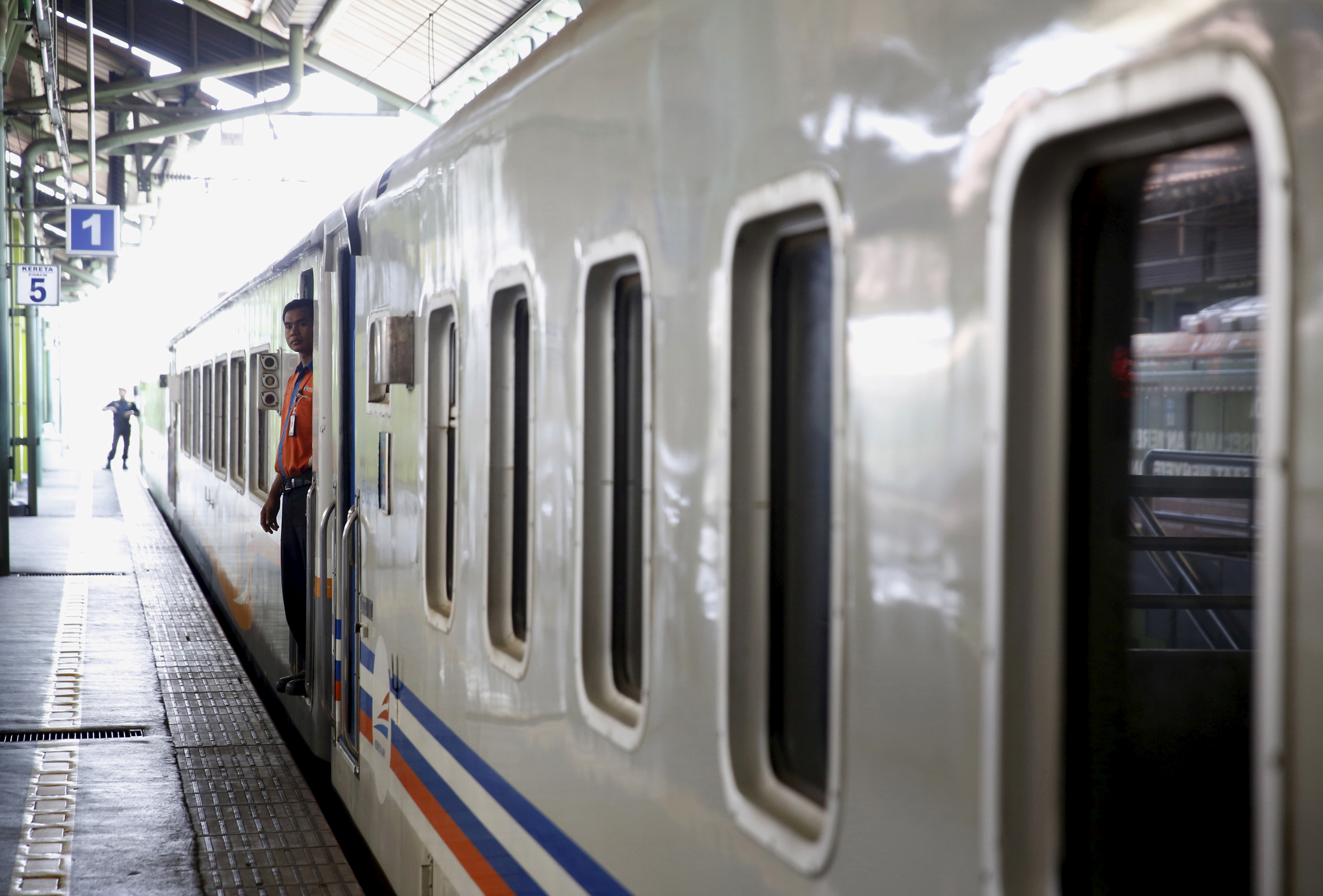
JAKARTA, May 28 — Indonesia is seeking to strengthen urban mass transportation networks to reduce the country’s annual fuel subsidy burden, which is estimated at about Rp300 trillion (RM79 billion), while easing congestion and lowering transportation costs for the public.
The Transport Ministry’s land transportation director general Aan Suhanan said the sector accounts for around 90 per cent of the government’s fuel subsidies, while transportation costs consume up to 30 to 40 per cent of household income.
“The imbalance has contributed to longer travel times, economic losses caused by traffic congestion, air pollution, and difficulties in accessing education and employment,” he said in a statement today.
To address the issue, the government is continuing efforts to develop Urban Mass Public Transportation (AUMP) systems in 20 major cities under Indonesia’s 2025-2029 National Medium-Term Development Plan.
Aan said the programme aimed to shorten travel times, improve accessibility, and optimise urban areas' role as centres of economic growth.
“The development of AUMP requires integrated planning, funding cooperation between the central and regional governments, as well as strong governance. It is expected to create a transportation system that is more sustainable, equitable, and efficient,” he said.
The ministry is also supporting the digitalisation of regional transportation services through several platforms and applications to help operators improve service quality and monitor operational standards.