


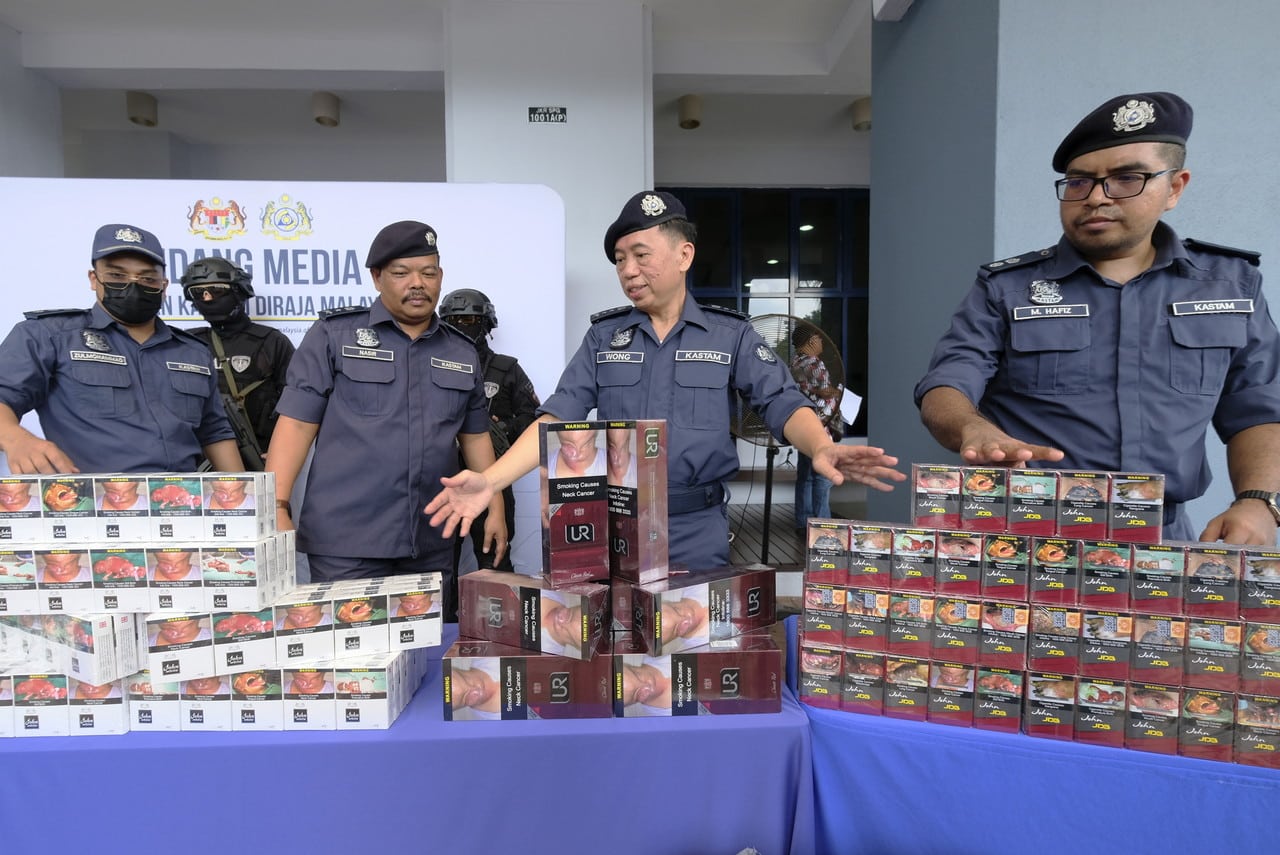
SHAH ALAM, May 27 — The state government is considering tougher penalties, including the revocation of business licenses, for repeat offenders caught selling smuggled cigarettes.
However, the matter is subject to legal provisions and reviews by the authorities, according to state executive councillor for local government and tourism Dato’ Ng Suee Lim.
“The state government is continuously reviewing the need to tighten actions against premises found to be repeat offenders, including possible action on their business licenses, subject to legal provisions and the outcome of reviews by the relevant authorities,” he told Media Selangor yesterday.
Ng was asked whether the state government would take sterner action, including licence revocation, against offending businesses, following a recent survey by the think tank Wawasanex that found nearly two in three Malaysians (63.8 per cent) have purchased smuggled cigarettes in the past 12 months.
The survey, involving 603 respondents across Peninsular Malaysia, Sabah, and Sarawak, also found that smuggled cigarettes have become easier to purchase at daily grocery stores, with 68.8 per cent of buyers admitting they obtained them from foreign sellers.
It revealed that most respondents said they bought illicit cigarettes due to their low price and easy accessibility, while some said the smuggled products were their only option available, highlighting the dominance of the illicit market in certain areas.
A previous survey by global market research firm Nielsen in January found that 56.7 per cent of cigarettes sold in Malaysia, or almost six out of ten packs, are illicit, robbing the government an estimated RM2 billion in unpaid duties each year.
Ng added that while primary jurisdiction over smuggling offences falls under Federal agencies such as the Royal Malaysian Customs Department and the Royal Malaysia Police, Selangor also takes the issue seriously.
“The Selangor government views the sale of smuggled cigarettes very seriously and will continue to step up monitoring and cooperation with the relevant authorities to ensure this activity can be curbed more effectively,” he said.
The councillor noted that the state government also actively carries out enforcement measures, including periodic monitoring, targeted inspections of business premises, seizure of illegal goods, and the issuance of compounds in accordance with the respective agencies’ legal provisions.