

KUALA LUMPUR, May 21 — The Asia-Pacific region’s economy grew 3.3 per cent in 2025, exceeding the earlier projection of 3.2 per cent, said the Asia-Pacific Economic Cooperation (APEC) Policy Support Unit (PSU).
However, growth is projected to ease to 3.1 per cent this year and moderate further to 3.0 per cent in 2027, as output expansion slows in more than half of APEC economies.
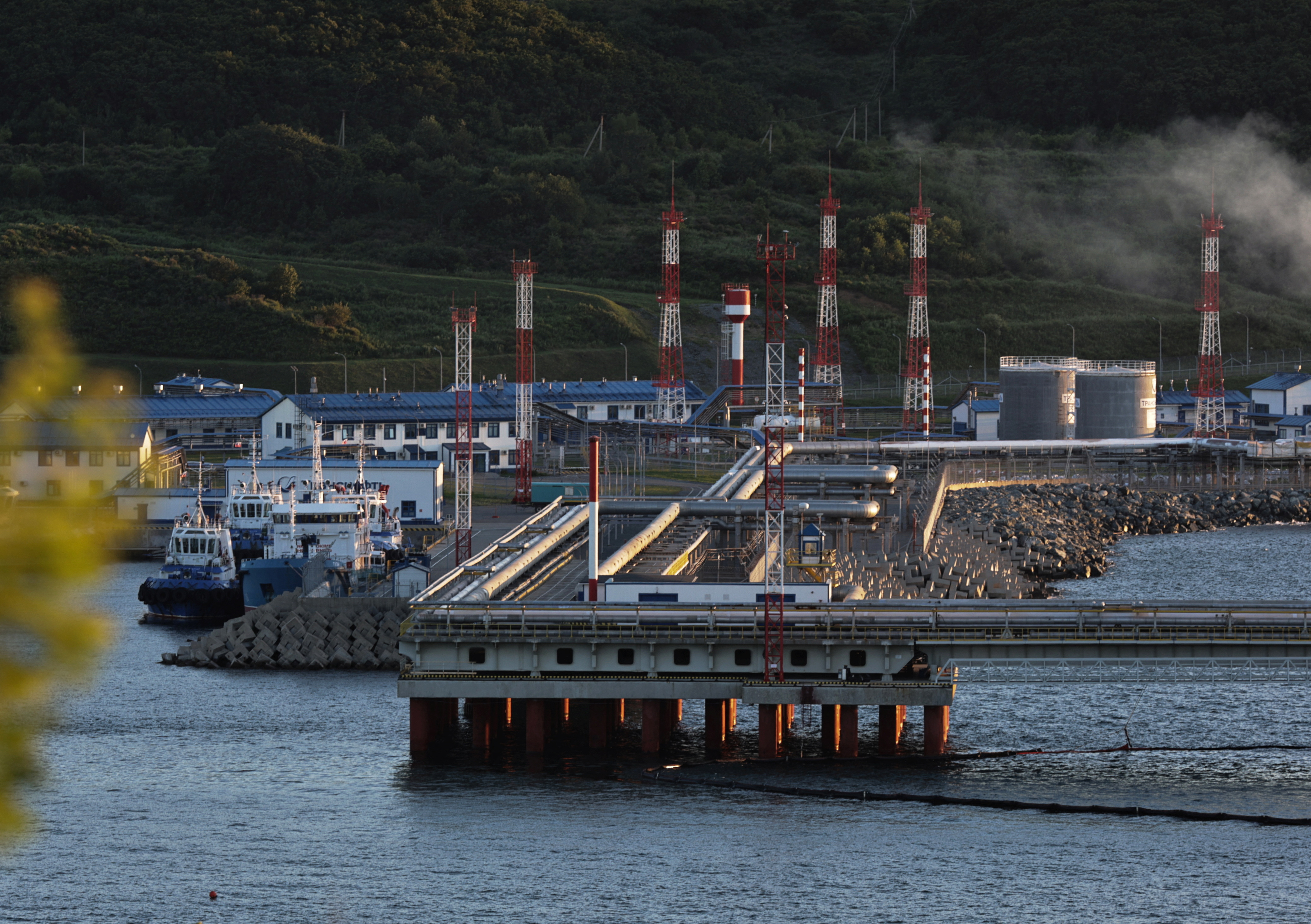
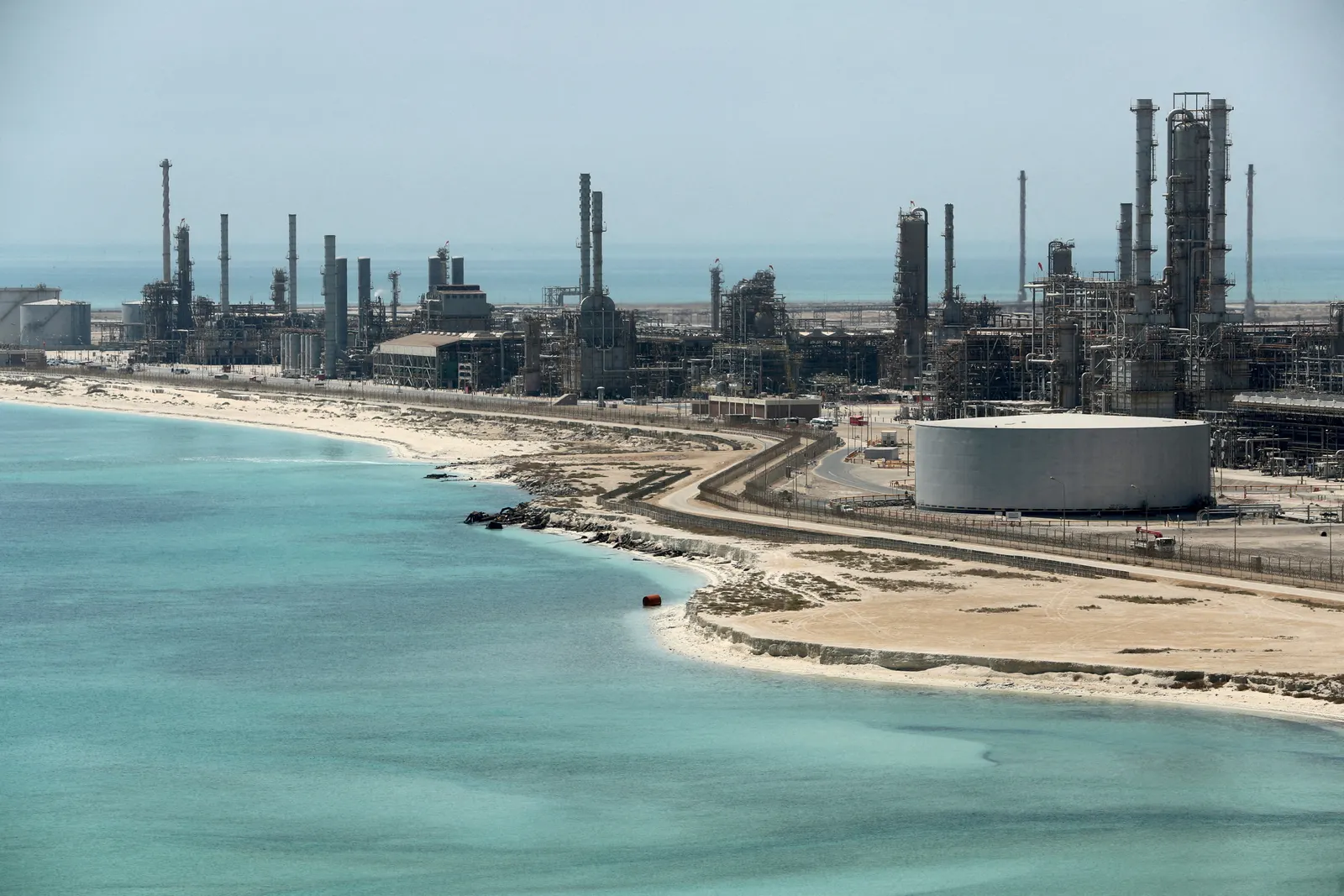
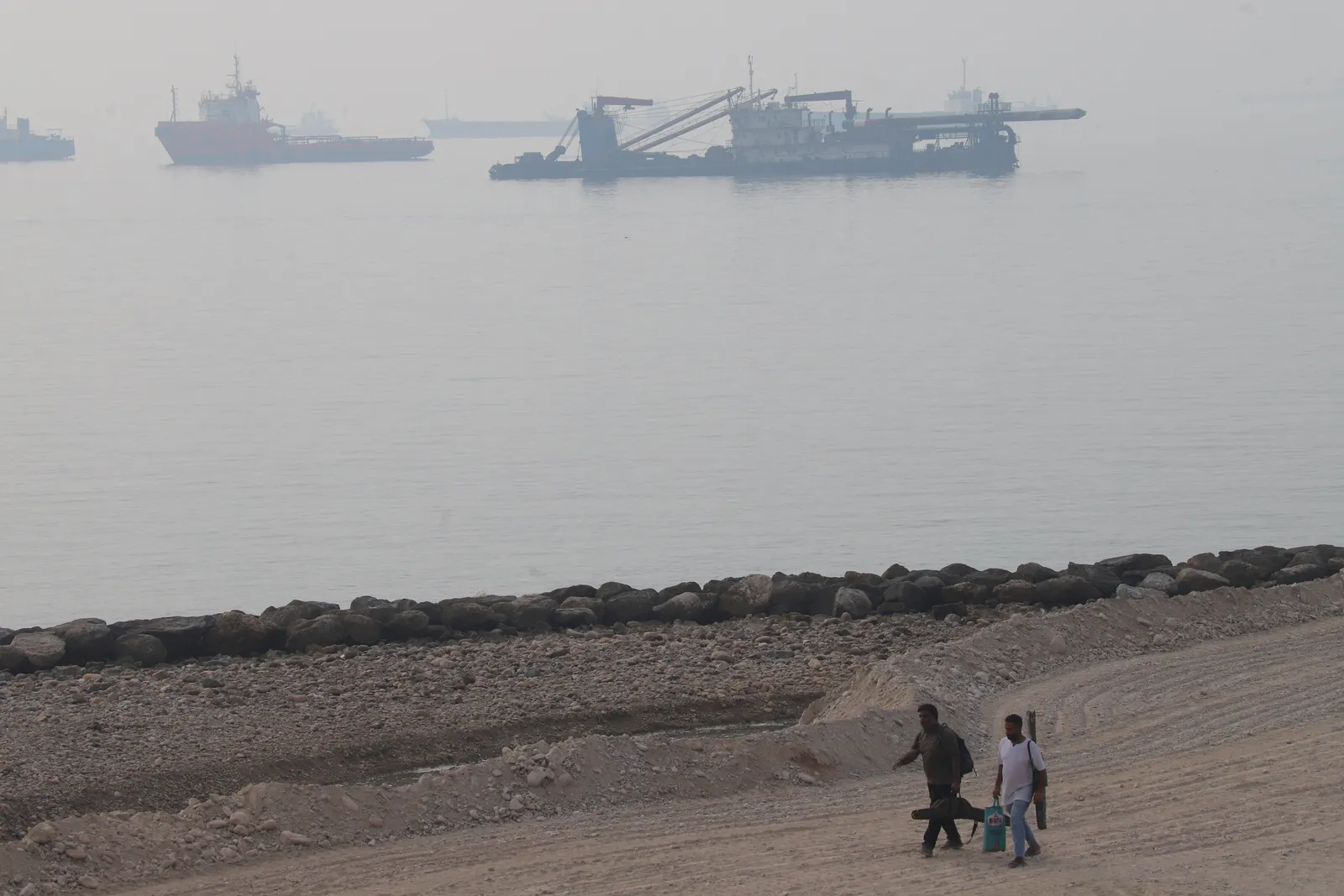
In its latest report 'APEC Regional Trends Analysis, May 2026', APEC's policy research and analysis arm attributed the weakening outlook to wider disruptions in the Middle East, which has sent oil prices surging by 52.8 per cent since February 2026 from US$68 to US$103.90 per barrel in March, disrupting global shipping and logistics and pushing food prices higher across the region.
APEC PSU director Carlos Kuriyama said the region entered 2026 with short-term resilience intact, but knock-on energy price shocks, weakening demand, intensifying supply chain disruptions, and narrowing space to respond to economic shocks are casting a longer shadow over the medium-term outlook.
“It is ordinary households and businesses that are feeling the consequences most," he said in a statement issued in conjunction with the report’s release today.
The unit noted that oil and gas make up 49 per cent of APEC's energy mix, with the region importing more than 45 per cent of its crude oil and 23 per cent of its gas from the Middle East.
This makes the region’s energy supply highly vulnerable to geopolitical and supply tensions.
APEC PSU analyst Rhea C. Hernando said the pressure extends to food security, as food production may be affected, since APEC imports 27 per cent of its nitrogen-based fertilisers from the Middle East.
“Alongside rising fuel prices and shipping disruptions, food prices are also climbing sharply across the region, with prices of vegetable oils, cereal, and meat facing the steepest increases as of April 2026,” she said.
The report said trade fragmentation is deepening, as shown by sharp increases in the number of trade-restrictive measures, such as tariffs and trade remedies.
“This has contributed to a deteriorating trade outlook, with growth in the volume of merchandise exports projected to significantly decline to 3.3-3.7 per cent between 2026 and 2028 from a strong 7.6 per cent recorded in 2025,” it said.
APEC PSU observed that the cumulative effect of these overlapping economic disruptions is feeding through to inflation.
While price pressures are expected to edge up across the APEC region, with average inflation projected to rise from 2.4 per cent in 2025 to 2.9 per cent in 2026, the region is still forecast to remain well below the global average of 4.4 per cent.
“The outlook highlights both the relative resilience of APEC economies and the importance of continued regional cooperation and agile policymaking to support stability and growth,” it said.
Meanwhile, Kuriyama said that the higher cost of living for families, shrinking margins for businesses, slower job creation, and growing economic uncertainty are already being felt across the region.
“Add to these is mounting public debt, which means that economies have limited room to absorb further shocks, making cooperation on energy security, trade resilience, and fiscal stability not just beneficial but essential,” he said.
Amid multiple challenges, the report advised APEC member economies to strengthen supply chain resilience by harnessing digital platforms, broadening supply chain routes and services, diversifying energy sources, investing in infrastructure, and extending practical support for affected households and businesses.
“Through deeper economic cooperation, APEC can help minimise the impact of these pressures and advance shared prosperity across the Asia-Pacific,” it said.
APEC is a regional economic forum established in 1989 to leverage the growing interdependence in the Asia-Pacific region.