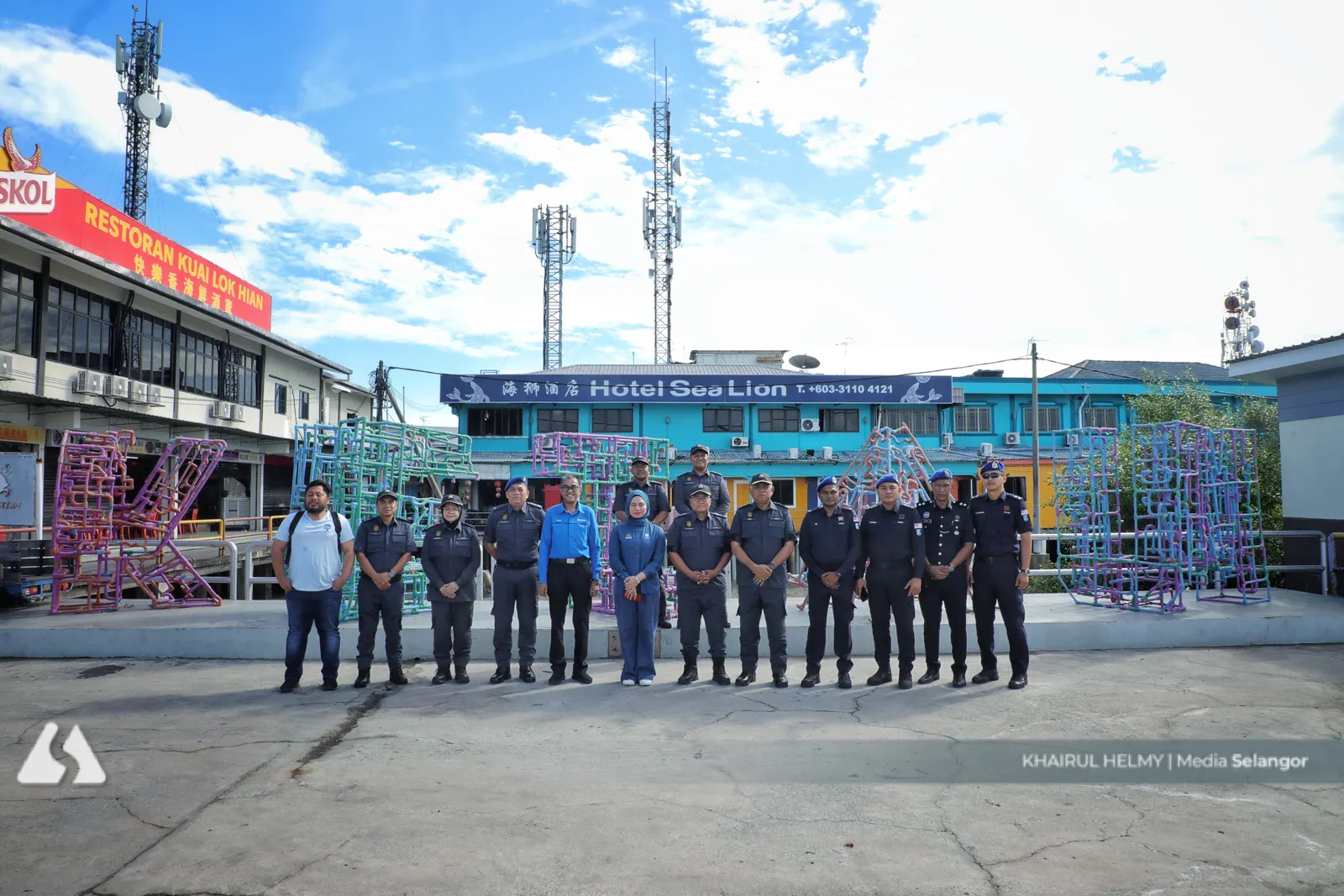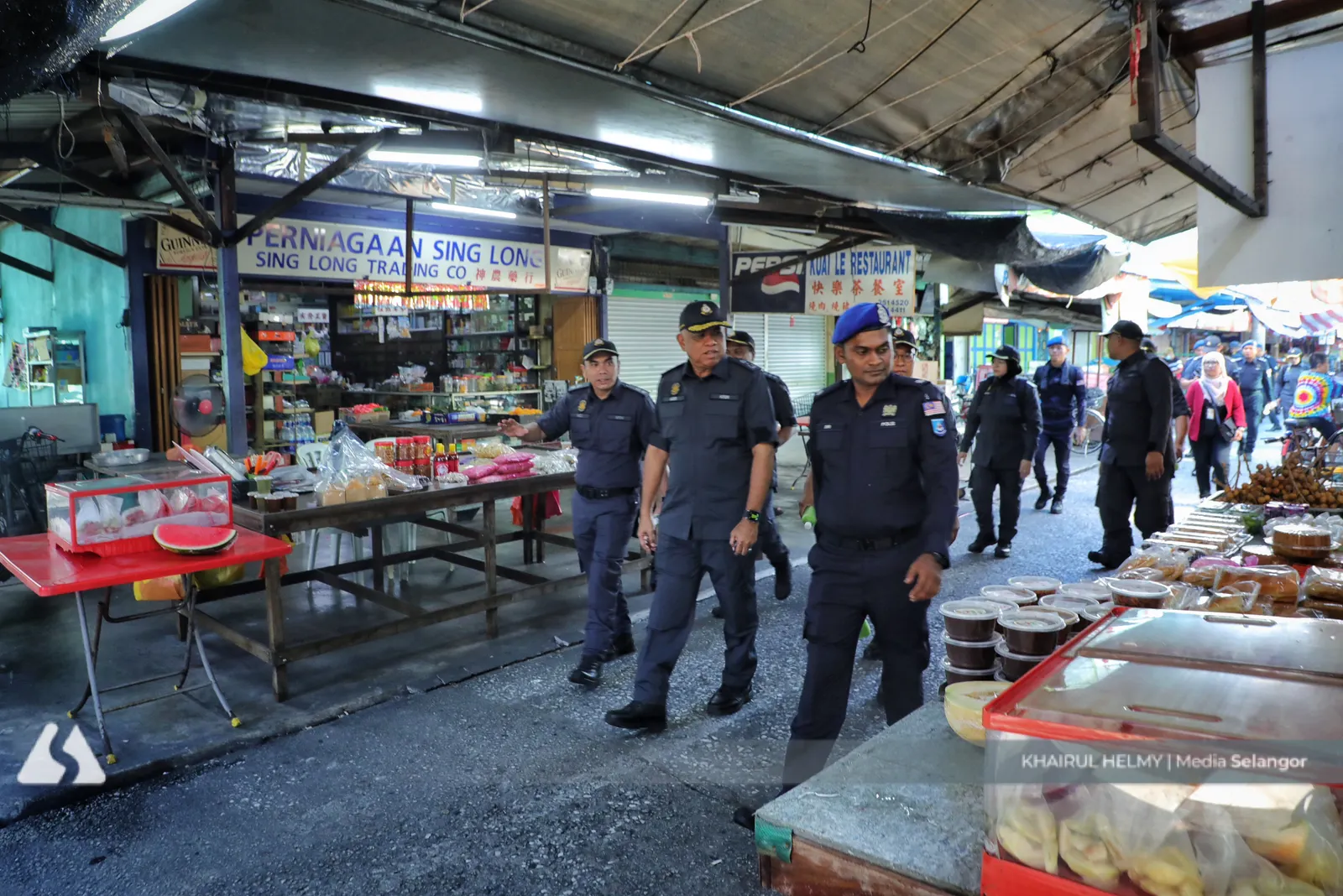
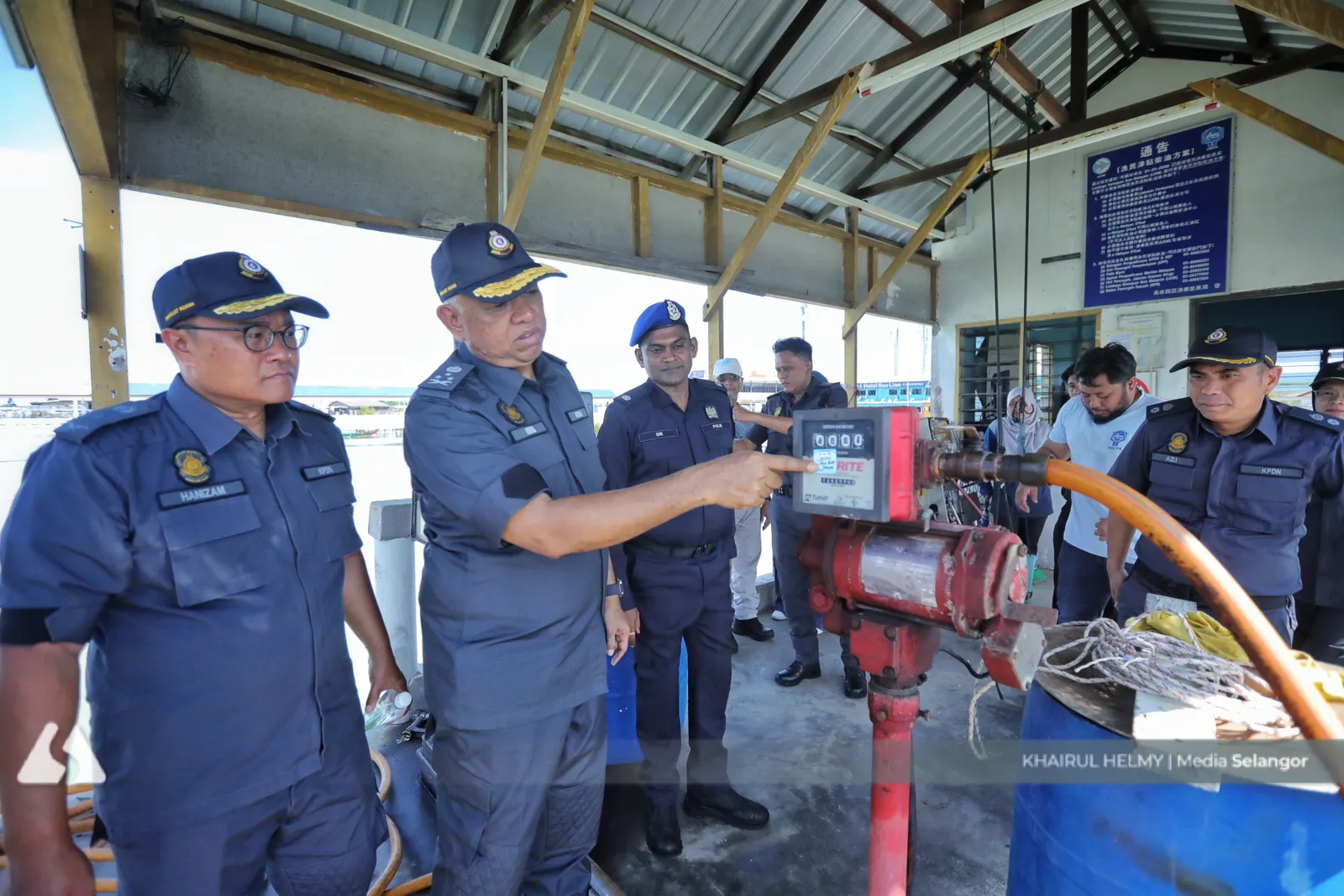

KLANG, May 20 — Forty-three business premises, including offshore fishing platforms (kelong) and diesel collection and distribution centres, were inspected during Ops Tiris 4.0 (Integrated) on Pulau Ketam here on Monday.
The operation, which began around 10am, was undertaken by the Selangor branch of the Domestic Trade and Cost of Living Ministry (KPDN), KPDN Enforcement Division, and Selangor Marine Police.
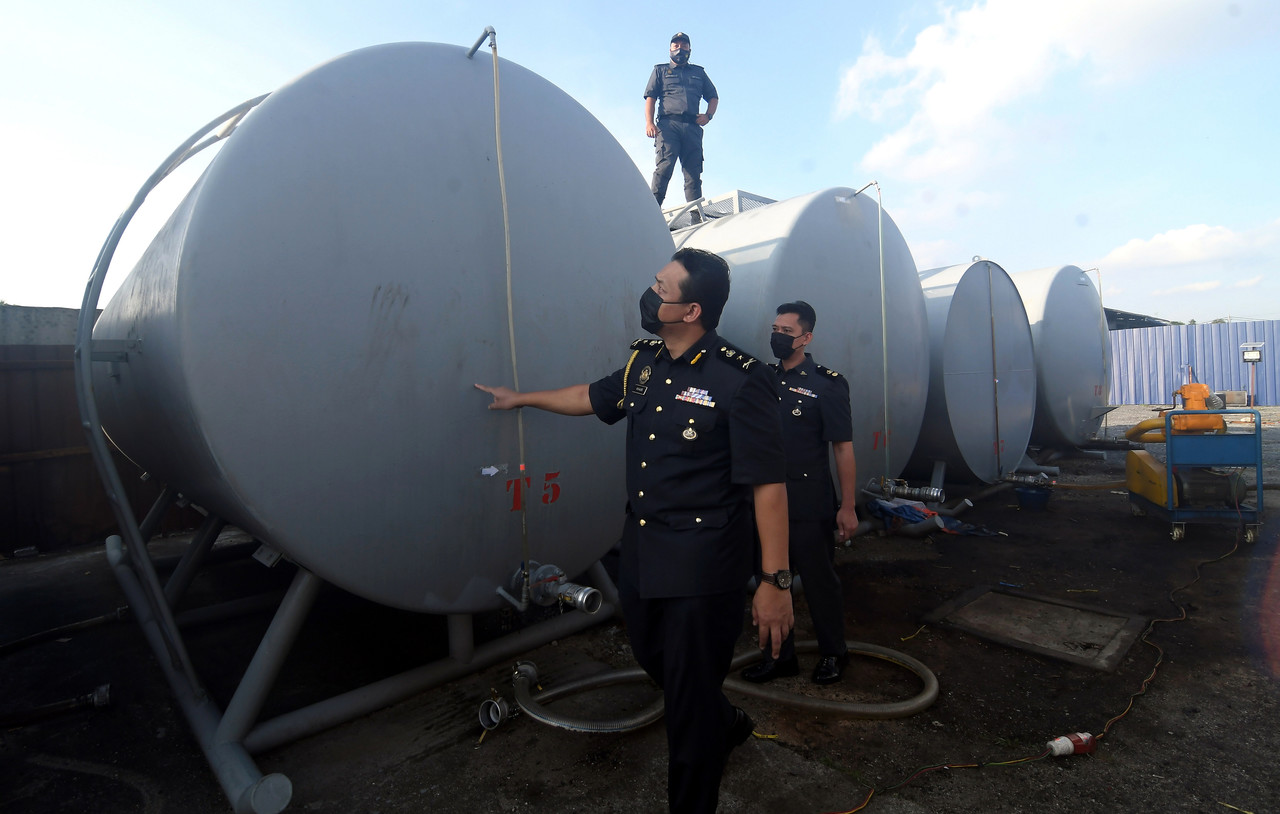
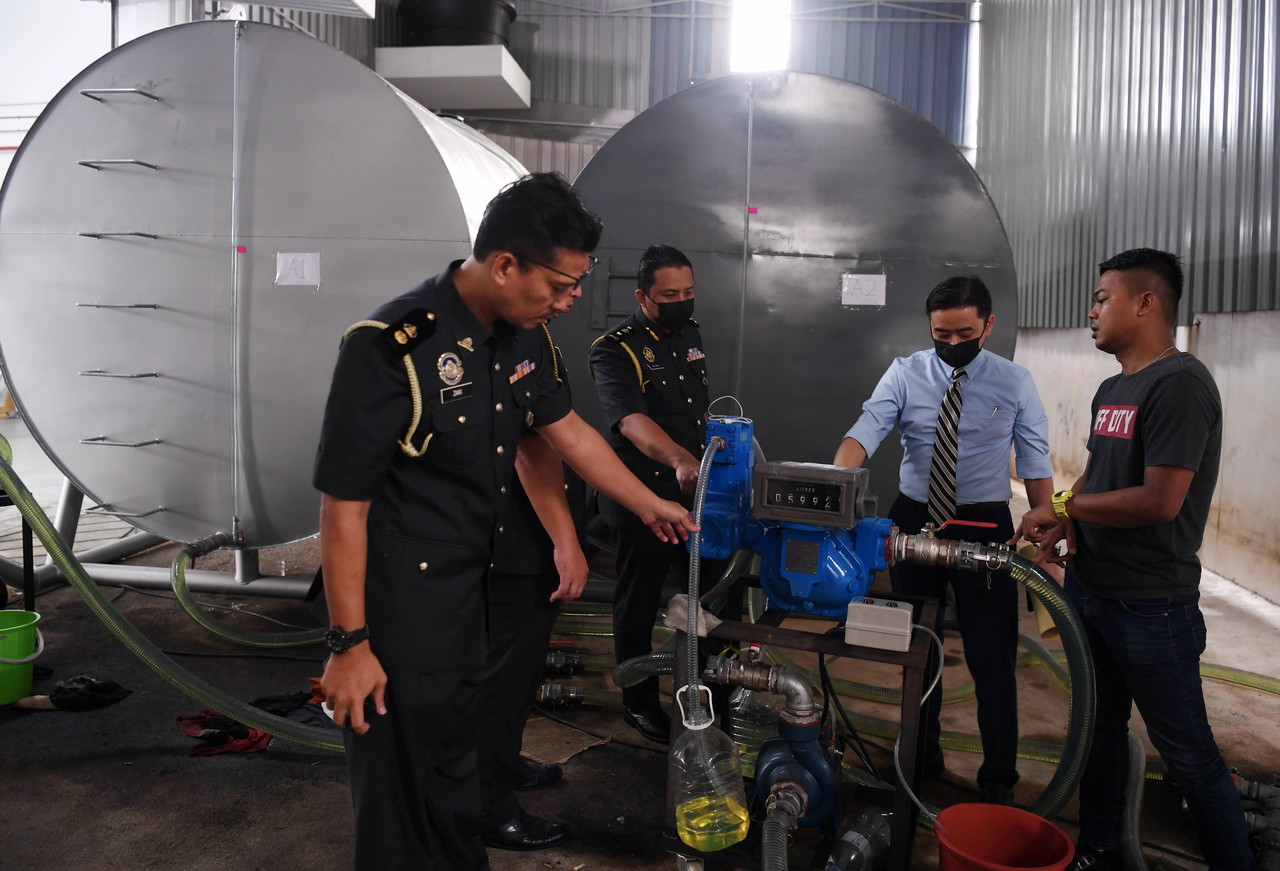
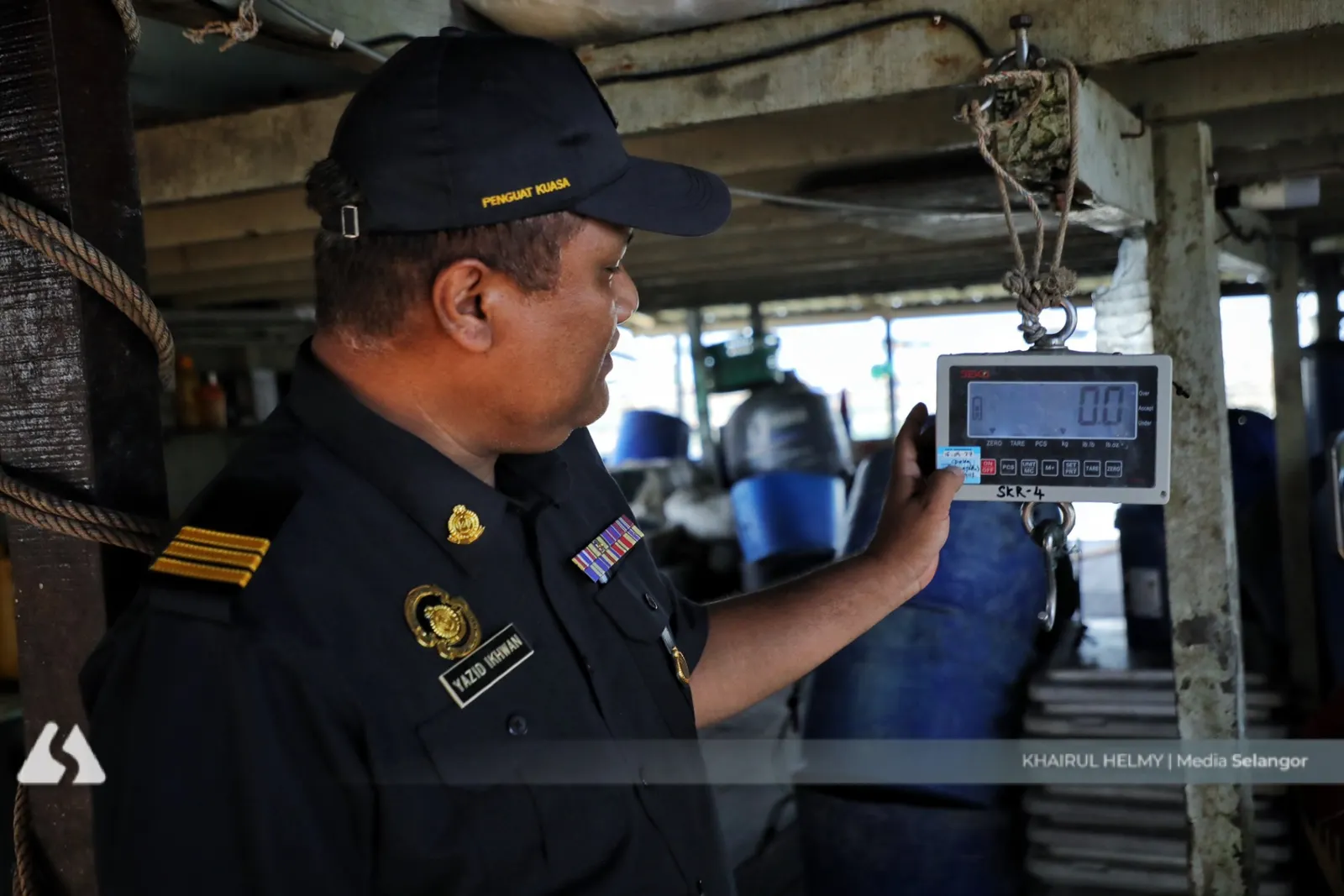
KPDN Enforcement Division (Prevention) deputy director-general Aris Mamat said Ops Tiris focuses on curbing fuel misappropriation and ensuring compliance with the Weights and Measures Act 1972.
He said inspections were targeted at tankers, fishing boats, and diesel collection and distribution centres in the area.
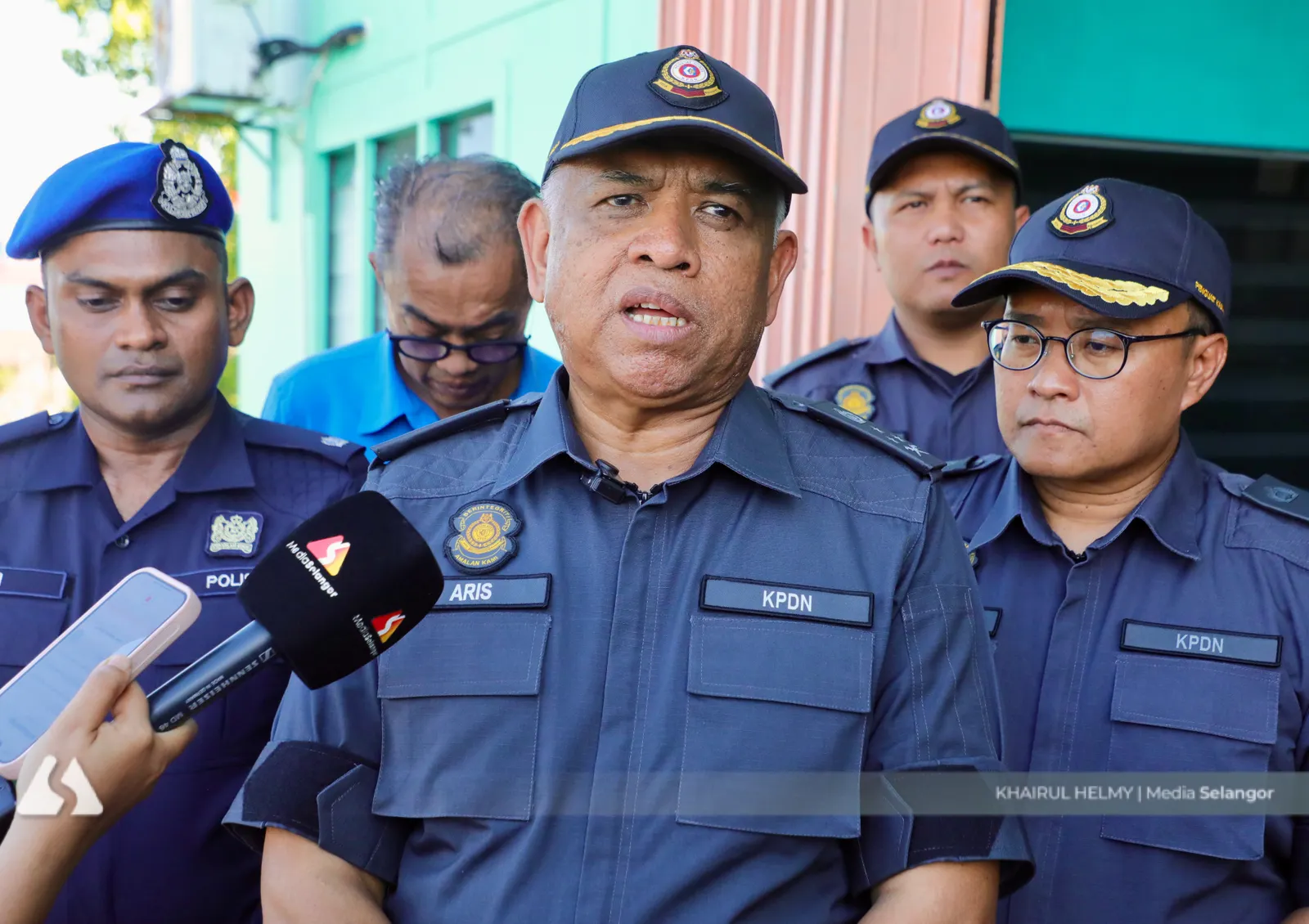
“We were also given detailed explanations by the Area Fishermen’s Association about (diesel) distribution methods to fishermen and the catch monitoring process when (anglers) return from sea,” Aris told Media Selangor.
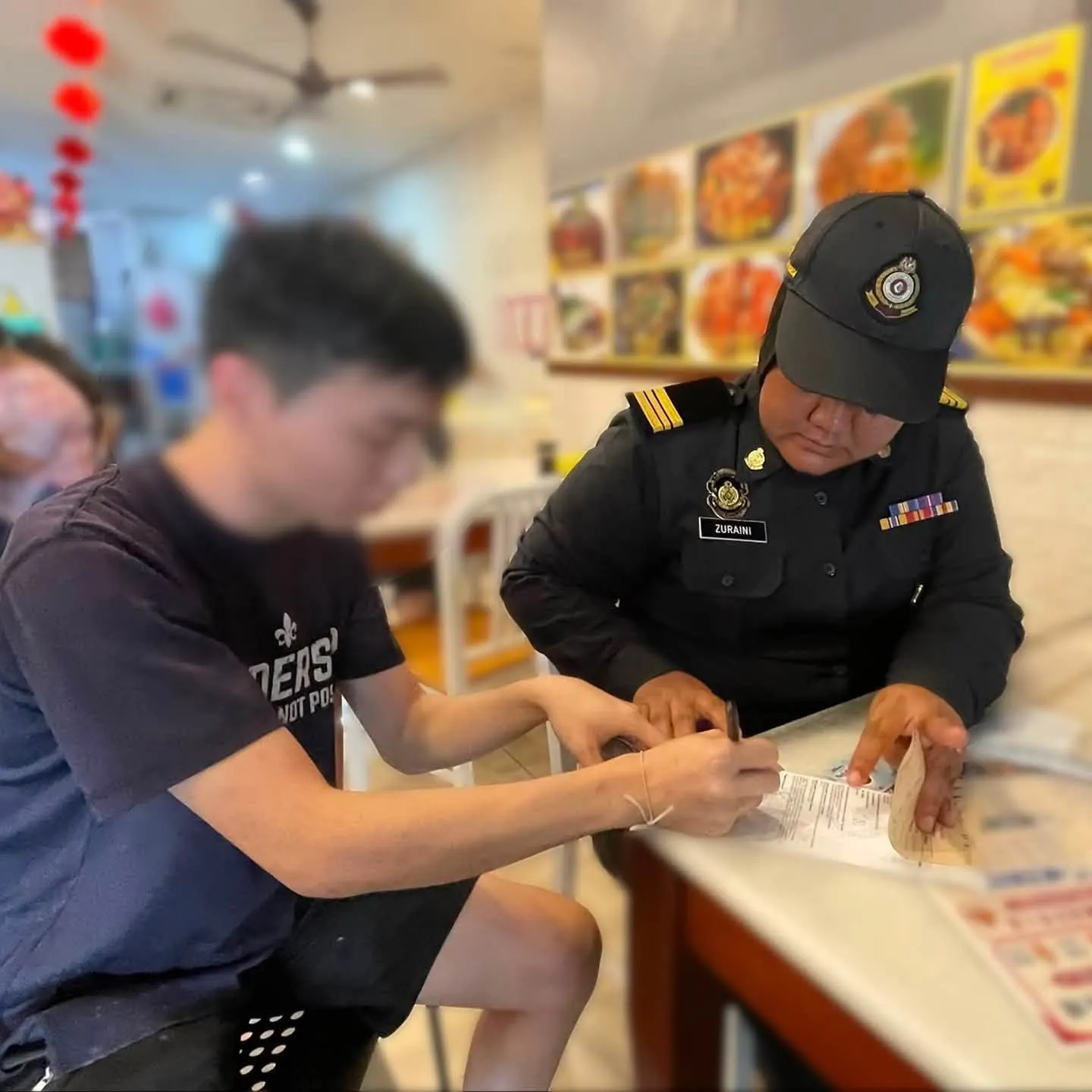
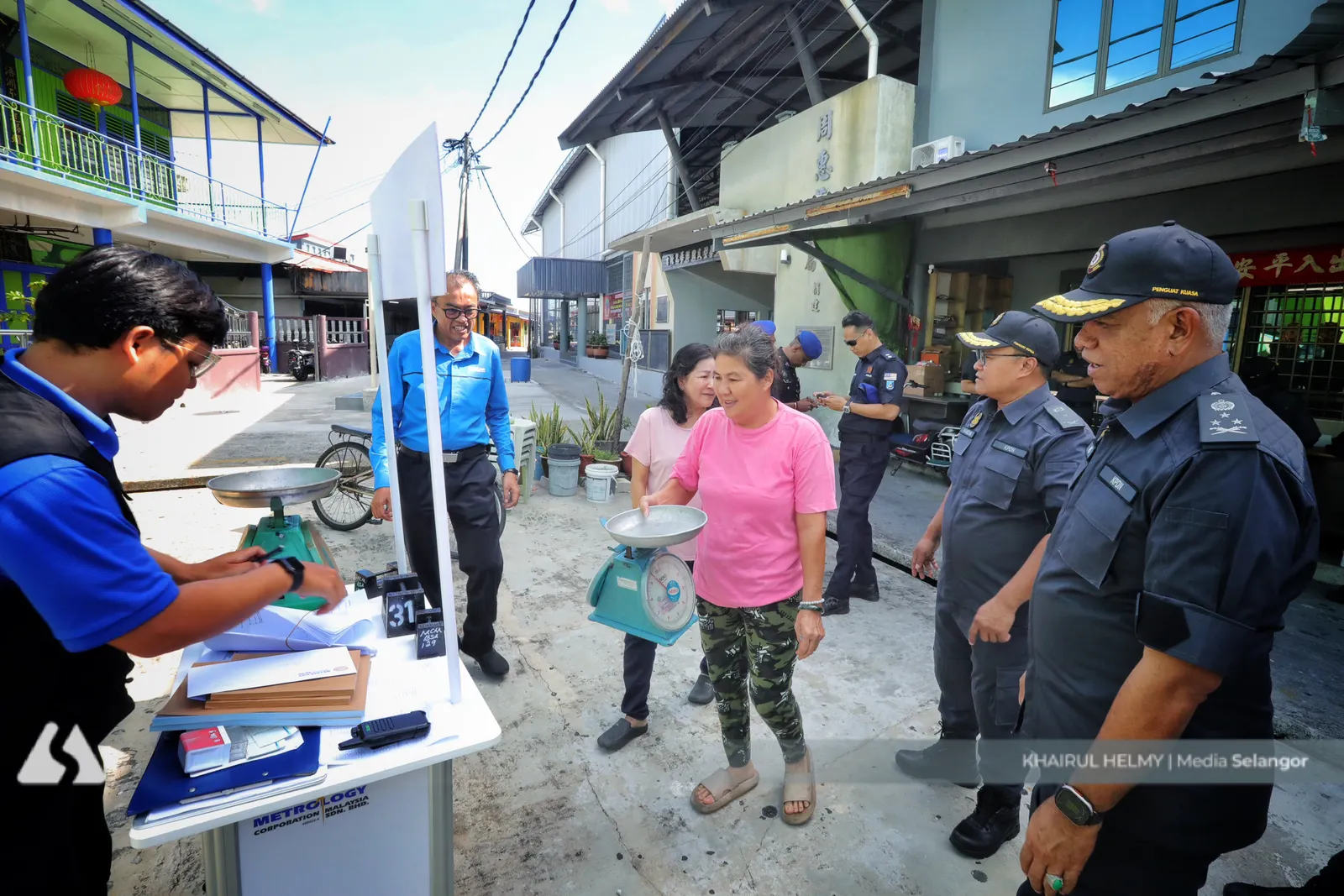
He added that KPDN opened a booth on Pulau Ketam for traders to validate their scales according to the Weights and Measures Act 1972, and said these traders displayed a high awareness of the importance of this exercise, with each bringing their own measuring instruments for verification and calibration.
“Checks revealed that traders in that area have a high awareness of the importance of calibrating weighing instruments, which lowers fraud risk for consumers.
“Supplies of basic essential goods including flour and other controlled items on Pulau Ketam were found to be sufficient and stable, without any supply disruption,” he said.
Meat seller Yap Kui Seng, 64, said the KPDN booth in Pulau Ketam makes it easier for traders who use scales as their main tool of trade.
“If we don’t send for checking, then (there would be) losses if the scale is less, if (it tips more) then customers get angry.
“I do (get my) scales verified every year. There is a small fee but it is not expensive. Better to do it than regret (not doing it),” he added.
Under the Weights and Measures Act 1972, traders must have their weighing instruments validated every 12 months or face penalties of a fine up to RM40,000 or three years’ jail.