
TOKYO, May 20 — Oil prices eased today after United States President Donald Trump again asserted the war with Iran will end “very quickly”, though investors remain wary about the outcome of peace talks amid continued disruptions to West Asian supplies from the conflict.
Brent crude oil futures fell 45 cents, or 0.4 per cent, to US$110.83 a barrel by 0050 GMT, while US West Texas Intermediate futures were down 27 cents, or 0.3 per cent, to US$103.88.
Both benchmarks fell nearly US$1 yesterday after US Vice-President JD Vance said the US and Iran had made progress in talks, with neither side wanting to see a resumption of military action.
“Investors are keen to gauge whether Washington and Tehran can actually find common ground and reach a peace agreement, with the US stance shifting daily,” said Toshitaka Tazawa, an analyst at Fujitomi Securities.
“Oil prices are likely to remain elevated given the possibility of renewed US attacks on Iran and expectations that, even if a peace deal is reached, crude supply will not quickly return to pre-war levels,” he said.
Despite Trump’s assertion to US lawmakers yesterday about a quick end to the conflict, he earlier said Washington may need to strike Iran again, and he had been an hour away from ordering an attack before postponing it.
His comments on the need to strike again came a day after he said he had paused a planned resumption of hostilities following a new proposal by Tehran to end the US-Israel war on Iran.
In his remarks yesterday, Trump also said Iran’s leaders are begging for a deal and warned of a new US attack in the coming days if no agreement is reached.
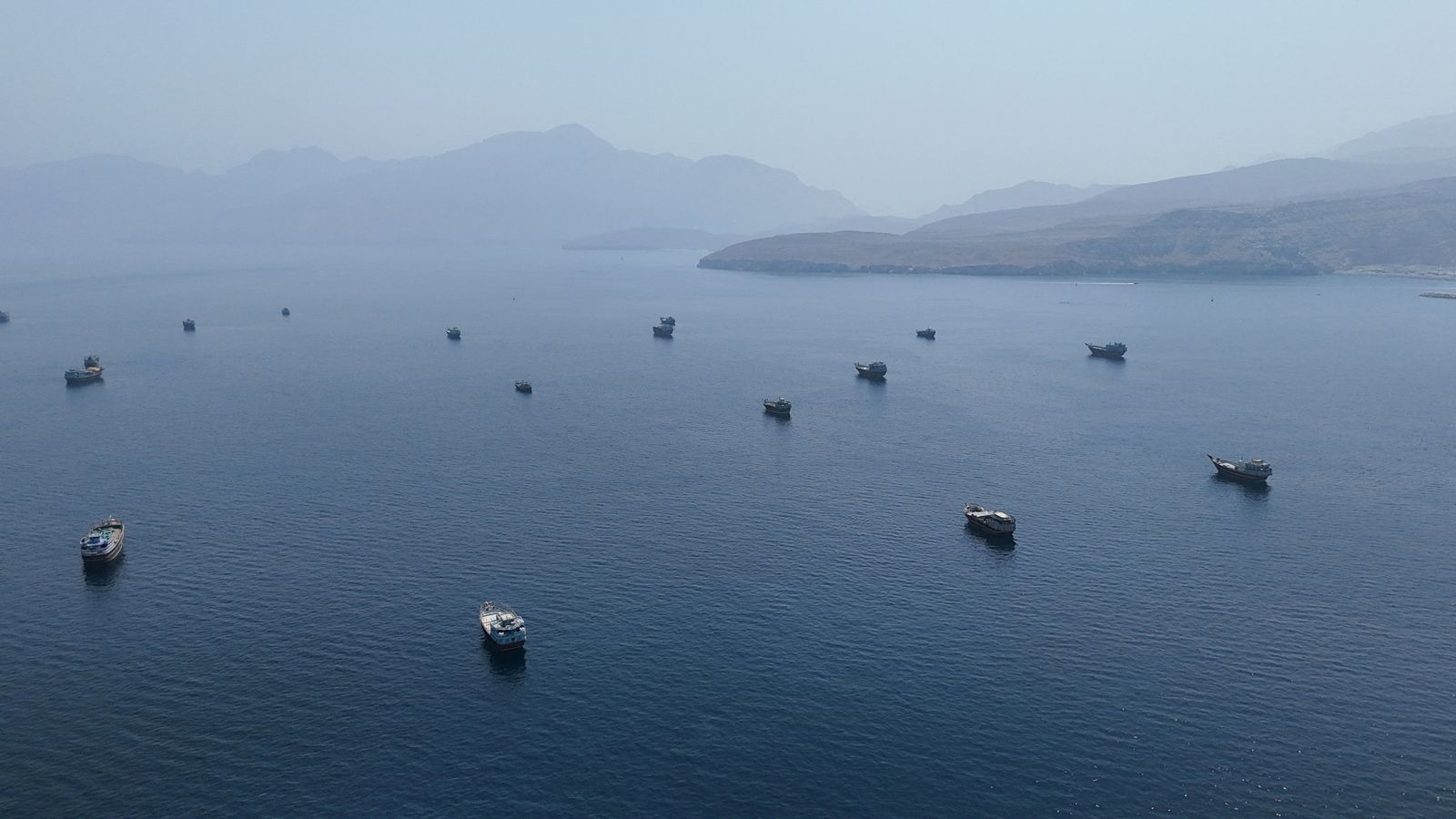
The US-Israel war on Iran has caused the effective closure of the Strait of Hormuz, which normally carries about a fifth of global oil supplies, and, according to the International Energy Agency, has created the world’s biggest oil supply disruption.
Citi yesterday said it expects Brent crude to rise to US$120 a barrel in the near term, stating that oil markets are under-pricing the risk of a prolonged supply disruption and broader tail risks.
To make up the shortfall in global supplies from the war, countries are relying on their commercial and strategic inventories.
In the US, crude oil inventories fell for a fifth straight week last week, according to market sources citing American Petroleum Institute data released yesterday, while fuel stocks also fell.
US crude stockpiles reported by the Energy Information Administration are expected to have fallen by about 3.4 million barrels in the week to May 15, according to a Reuters poll. The weekly EIA data is due later today.