SINGAPORE/LONDON, May 19 — Global stock and bond markets steadied on Tuesday after United States (US) President Donald Trump paused a planned attack on Iran and said there was a good chance of a nuclear deal, sending oil prices lower.
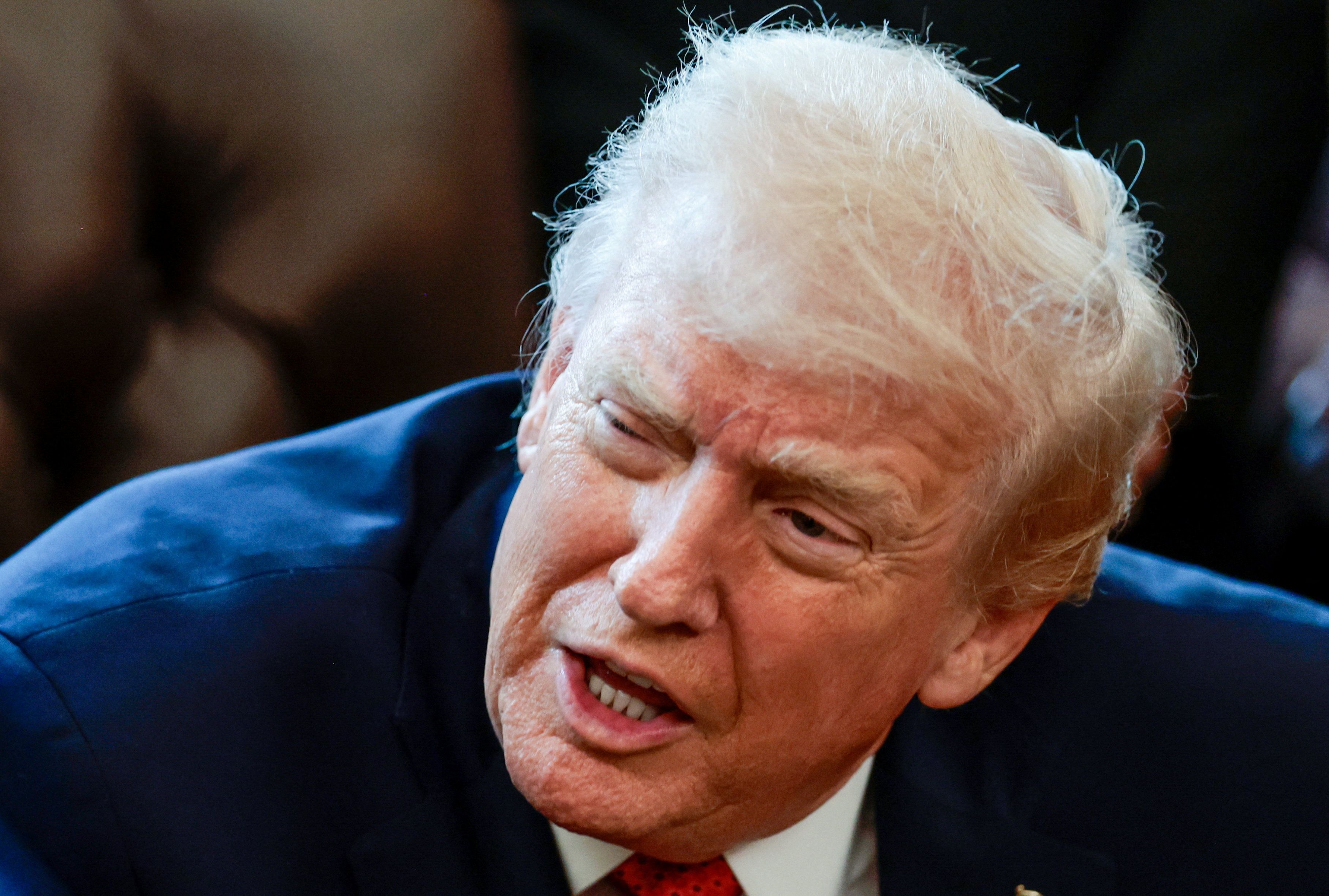
On Monday, he said that he had halted a planned resumption of attacks against Iran to allow time for negotiations to take place on a deal to end the war, after Tehran sent a new peace proposal to Washington.
Trump subsequently said there was a "very good chance" that the US could reach an agreement with Iran to prevent Tehran from obtaining a nuclear weapon.
Investors remained cautious after being rattled in the previous session by a weekend drone strike in the United Arab Emirates.
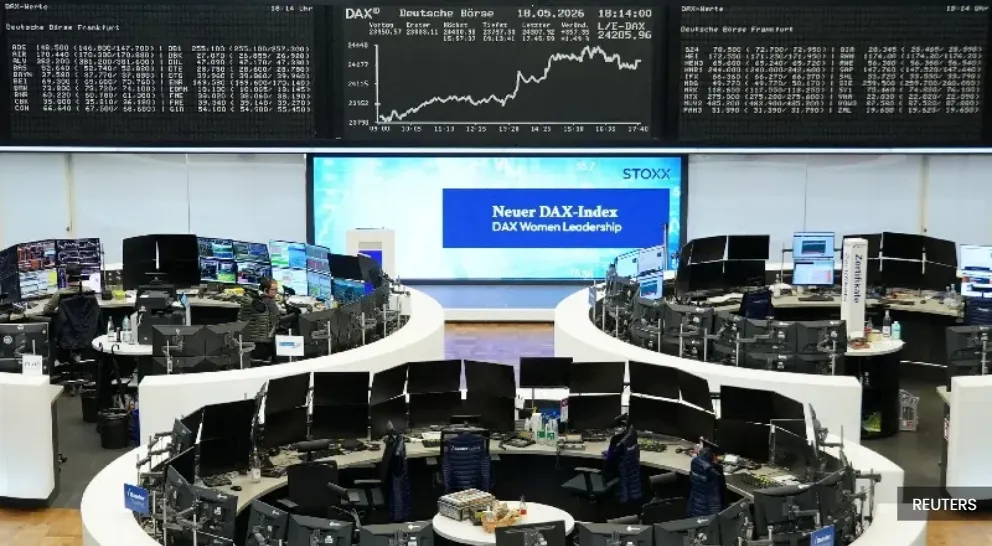
European stocks rose 0.7 per cent in early trading, further recovering ground lost on Friday when they dropped 1.5 per cent as bond market jitters spread to equities.
Futures for the U.S. S&P 500 were little changed after the index flatlined on Monday following a 1.2 per cent drop on Friday.
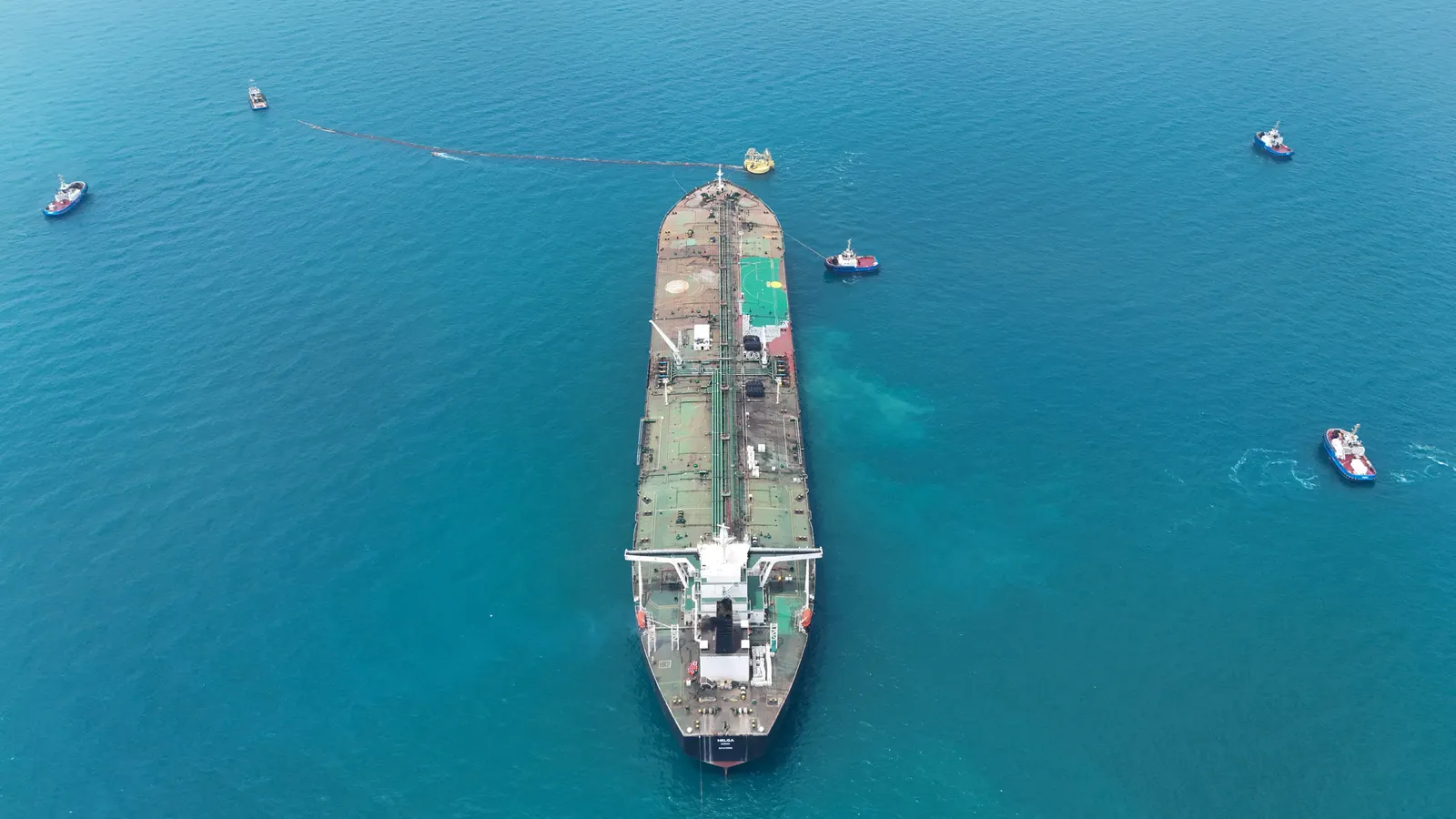
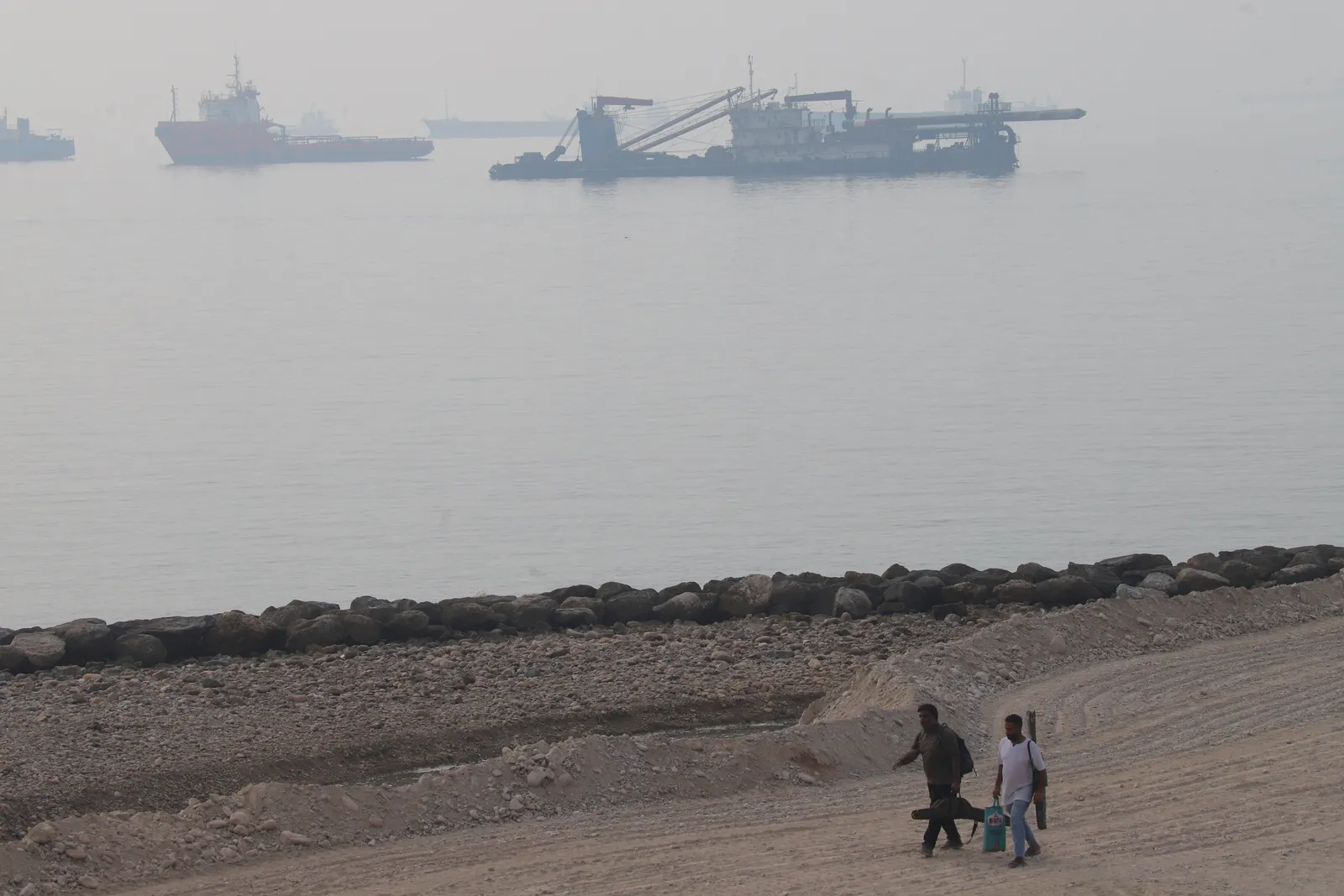
"We have seen a lot of back and forth already. Until we actually see real action happening (in the Strait of Hormuz), whereby ships are passing through safely, and we see a material rebound in the numbers of traffic going through in the Strait, I think the market in general is shrugging off the commentary from either side," said IG market analyst Fabien Yip.
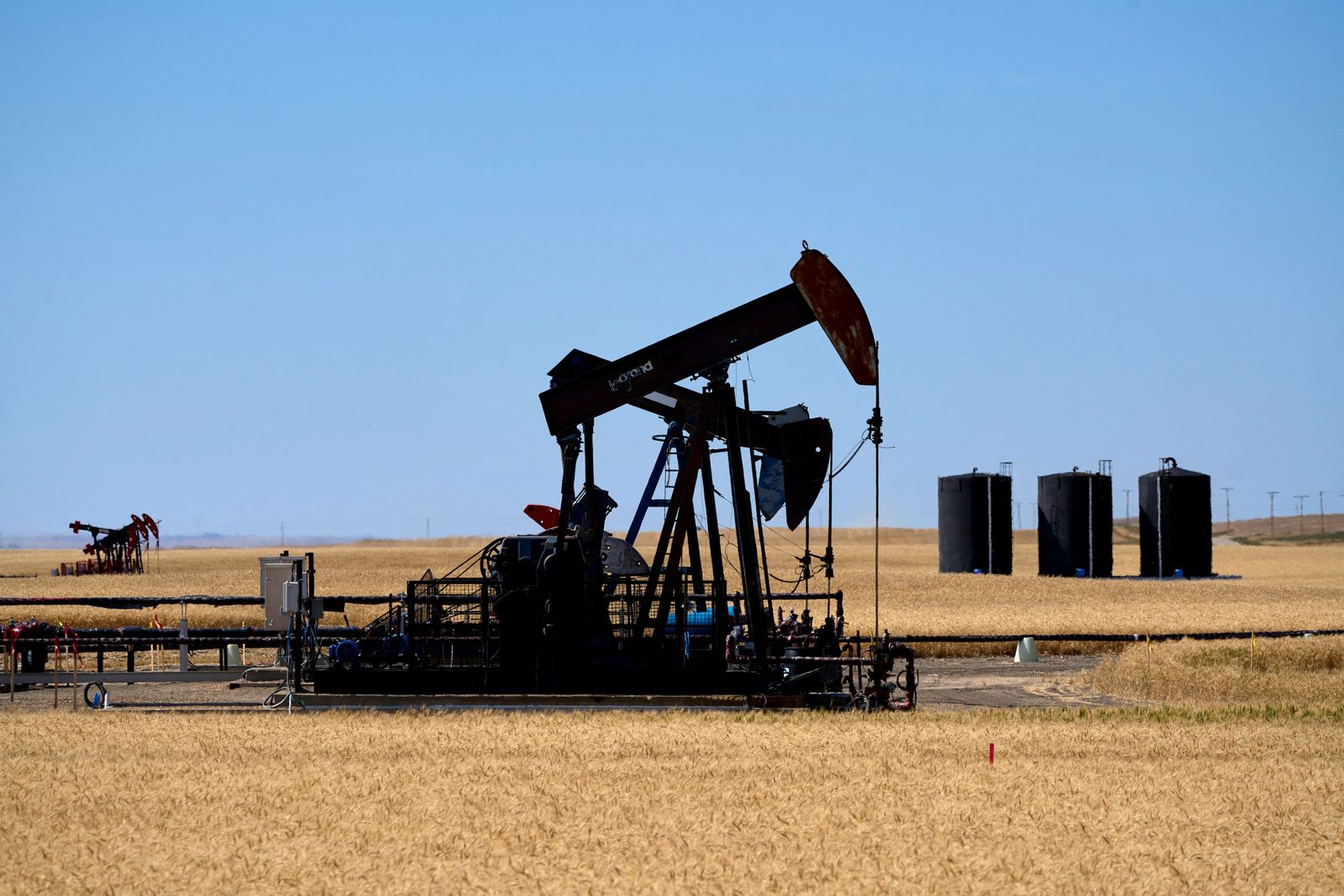
Brent crude futures fell 1.4 per cent to US$110.50 a barrel on the back of Trump's comments, while U.S. crude was flat at US$108.70 per barrel. Both remained more than 50 per cent above their pre-war levels.
MSCI's broadest index of Asia-Pacific shares outside Japan was down more than one per cent, while Japan's Nikkei eased 0.4 per cent.
The all-important artificial intelligence (AI) trade will be tested by earnings from chipmaker Nvidia, due on Wednesday, with expectations sky-high for the world's most valuable company.
"Nvidia is the market's shorthand for everything AI, and this market's gains have been driven in large part by AI over the past few years," said Questar Capital Partners chief investment officer Richard Reyle.
Bond selloff abates
The fall in oil prices helped stem a steep selloff in global bonds on Tuesday, although worries remain about any lasting inflationary shock from the war in Iran.
Yields on the benchmark 10-year US Treasury note eased from a more than one-year high above 4.63 per cent to 4.597 per cent.
Japanese and European government bond yields, which have also shot higher over the last week, fell as well, with United Kingdom yields dropping the most. Yields move inversely to prices.
Overnight, G7 finance ministers acknowledged mounting concerns over public debt and bond market volatility as they met in Paris, France.
Markets are now pricing in rate hikes from major central banks this year, on the expectation that policymakers will have to tighten policy to combat a resurgence in inflation driven by higher-for-longer energy prices.
"Markets are still trading the same uncomfortable balance. The micro story remains strong, with AI still acting as the main support for US equities, but the macro story is becoming less forgiving," said Lombard Odier Investment Managers head of macro Florian Ielpo, referencing rising oil prices and bond yields.
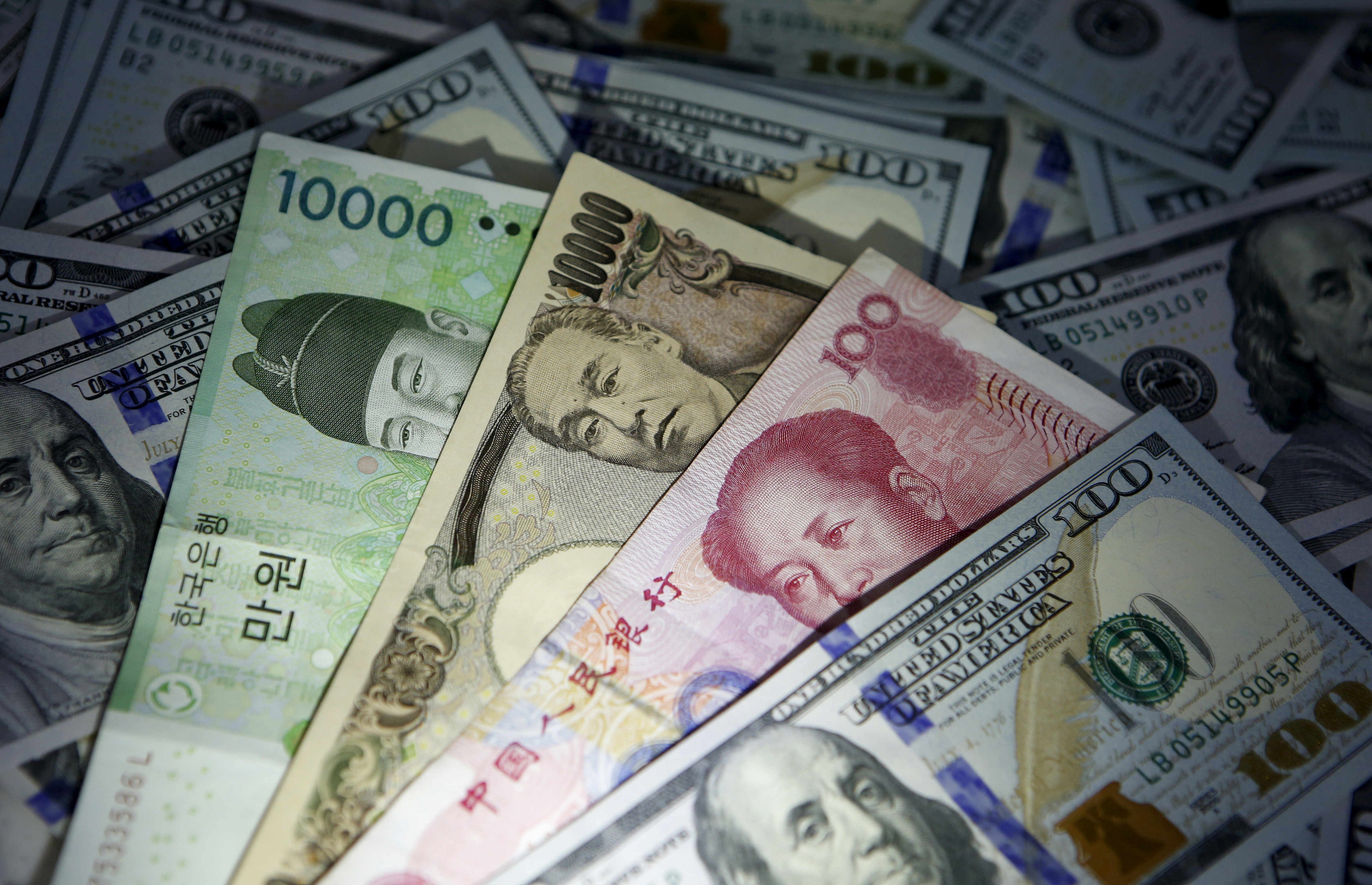
In foreign exchange, the US dollar has benefited from safe-haven demand since the onset of the war and was up 0.1 per cent at 159.04 yen, prompting traders to watch for any intervention from Tokyo to shore up its ailing currency.
The euro was down 0.2 per cent at US$1.16. The pound sterling similarly fell 0.2 per cent to US$1.34.