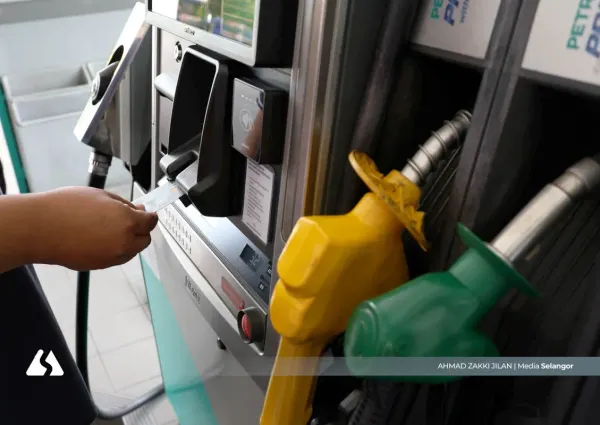
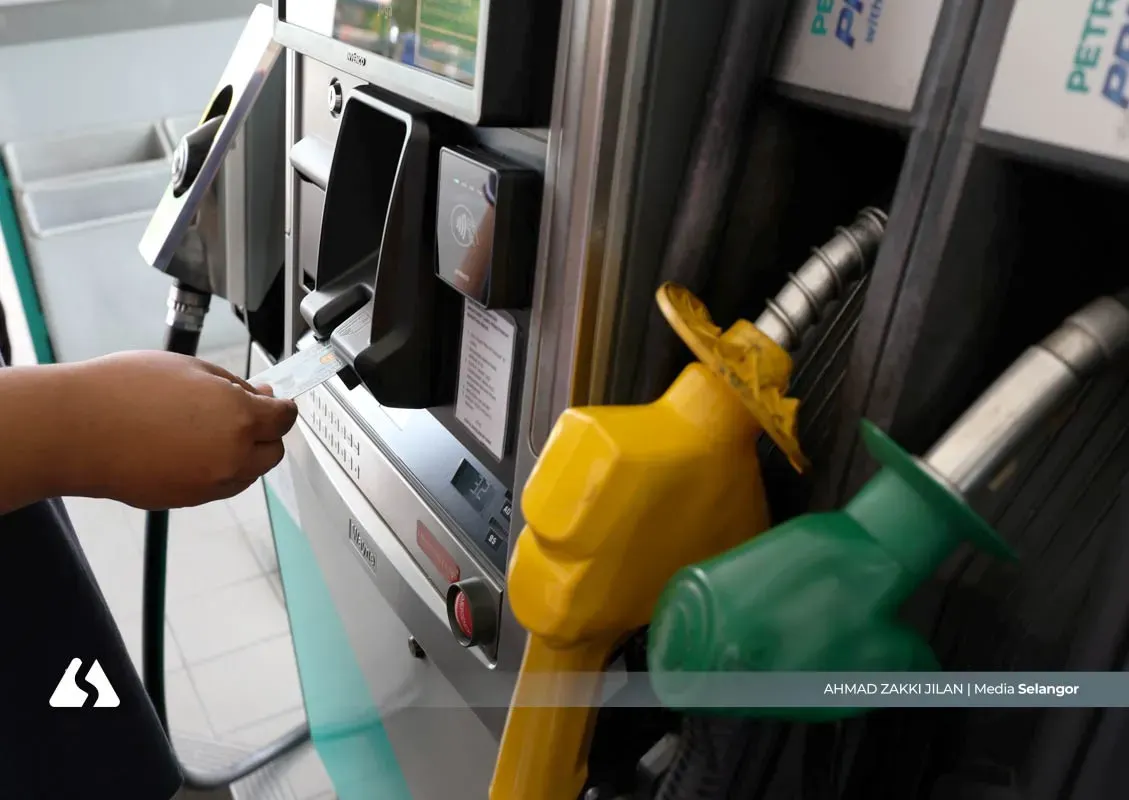

SHAH ALAM, May 13 — The proposed removal of petrol subsidies for high-income groups (T20) must be carried out carefully and should not be determined solely based on gross income, according to Universiti Kebangsaan Malaysia economist Assoc Pro Mustazar Mansur.
The head of the Faculty of Economics and Management’s Microeconomics Cluster said subsidy eligibility assessments should also consider actual living costs, including residential location, commuting distance to work, number of dependents, and demographic factors.
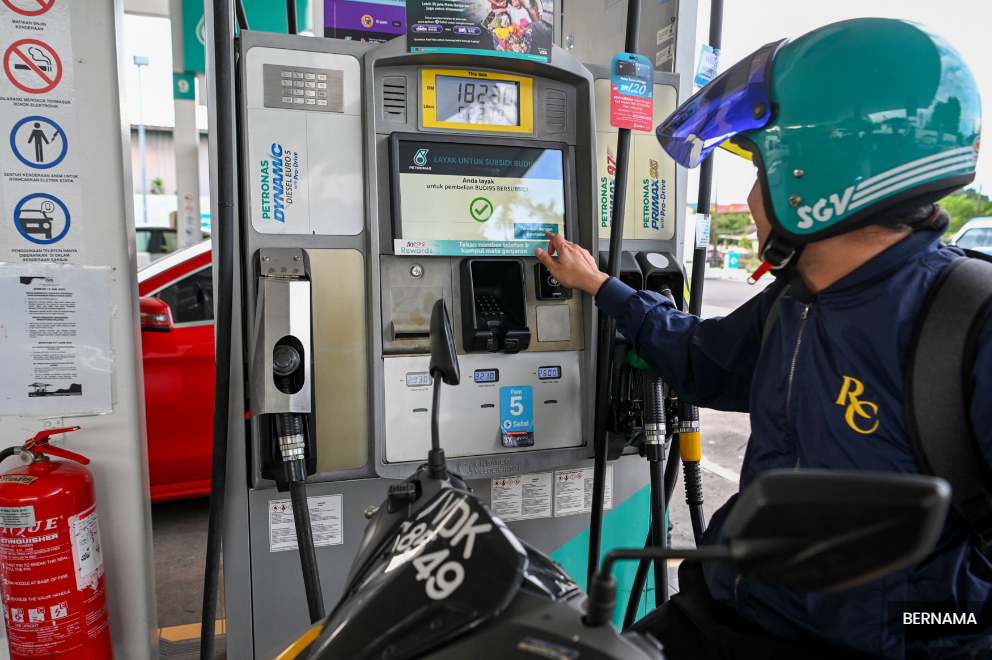
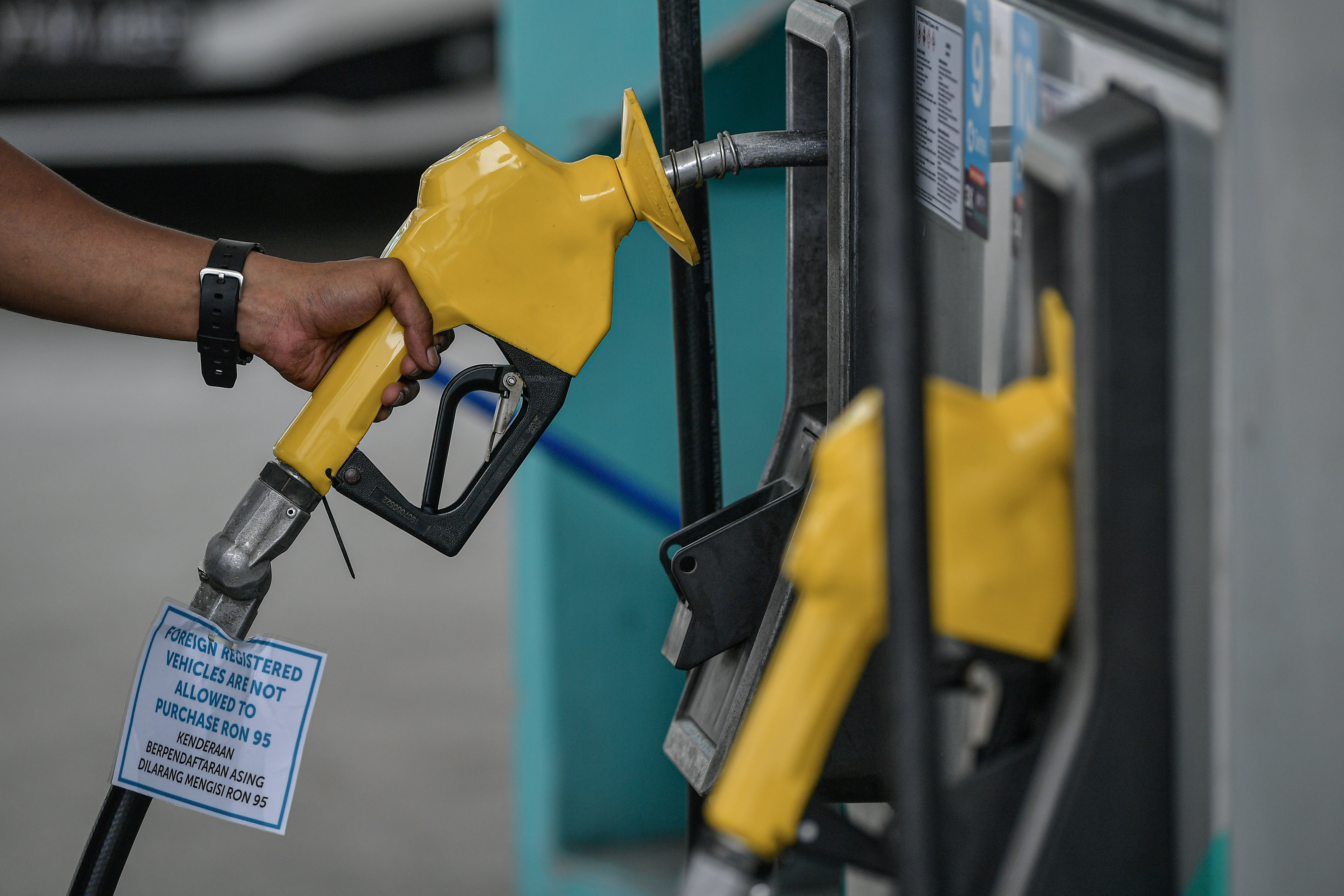
Although subsidy rationalisation measures, such as the proposed withdrawal of the BUDI95 subsidy, are reasonable, some individuals in the T20 category continue to face significant financial pressure, particularly those living in urban areas.
“Indeed, this move (subsidy withdrawal) is part of subsidy rationalisation because the purpose of subsidies is to ensure that only those who are truly eligible receive them.
“However, those classified as T20 may in reality still be facing high living costs. That is why subsidy eligibility assessments need to be conducted more accurately and comprehensively.
“We are concerned that people perceived to be T20 are being assessed solely based on gross income,” he told Media Selangor.
On Friday (May 8), Prime Minister Anwar Ibrahim said the government is reviewing proposals to withdraw fuel subsidies for high-income earners, including those in the T15 and T20 groups.
The proposal was presented several months ago by the National Economic Action Council’s Crisis Management Task Force chaired by Tan Sri Mohd Hassan Marican, and is now in the final stage of evaluation.
Mustazar also stressed the need for an integrated data system involving agencies such as the Inland Revenue Board (LHDN), the Employees Provident Fund (EPF), and the National Registration Department (JPN) to ensure that subsidy targeting is implemented more fairly and accurately.
“We hope the integrated information system that had previously been proposed involving various agencies such as LHDN, EPF, and JPN can be established.
“In my opinion, an integrated data system must be implemented immediately so that the government’s subsidy burden, especially during times of crisis, can be reduced,” he said.