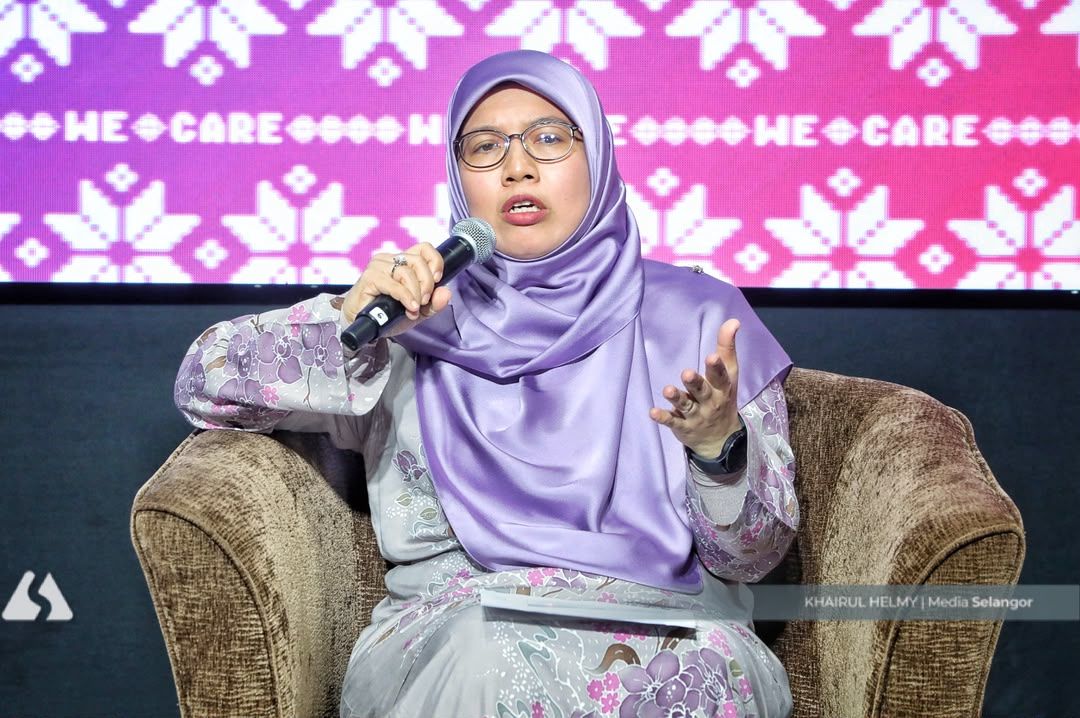
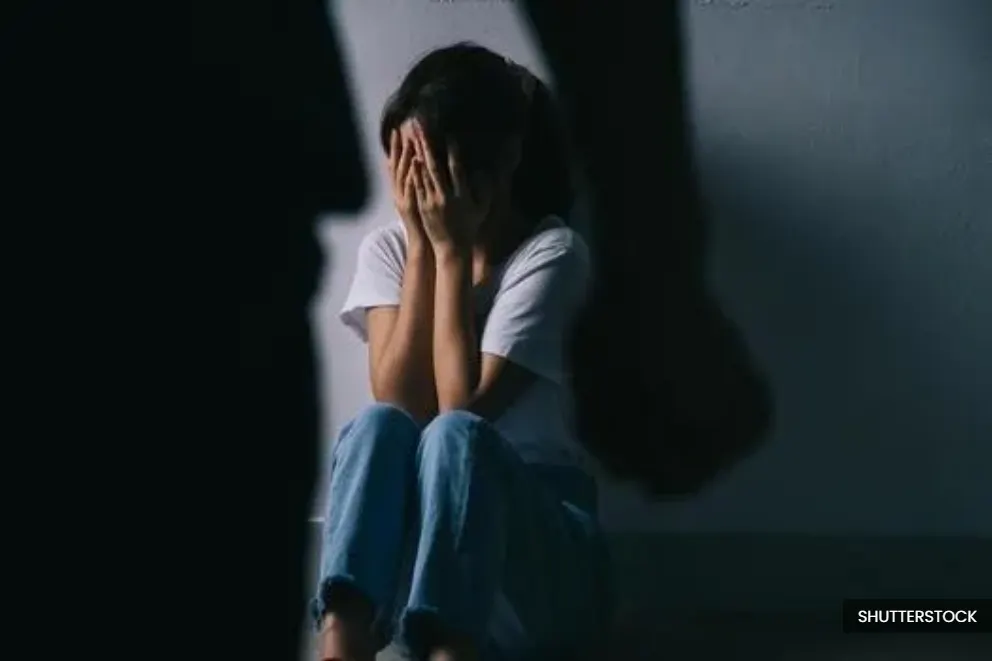

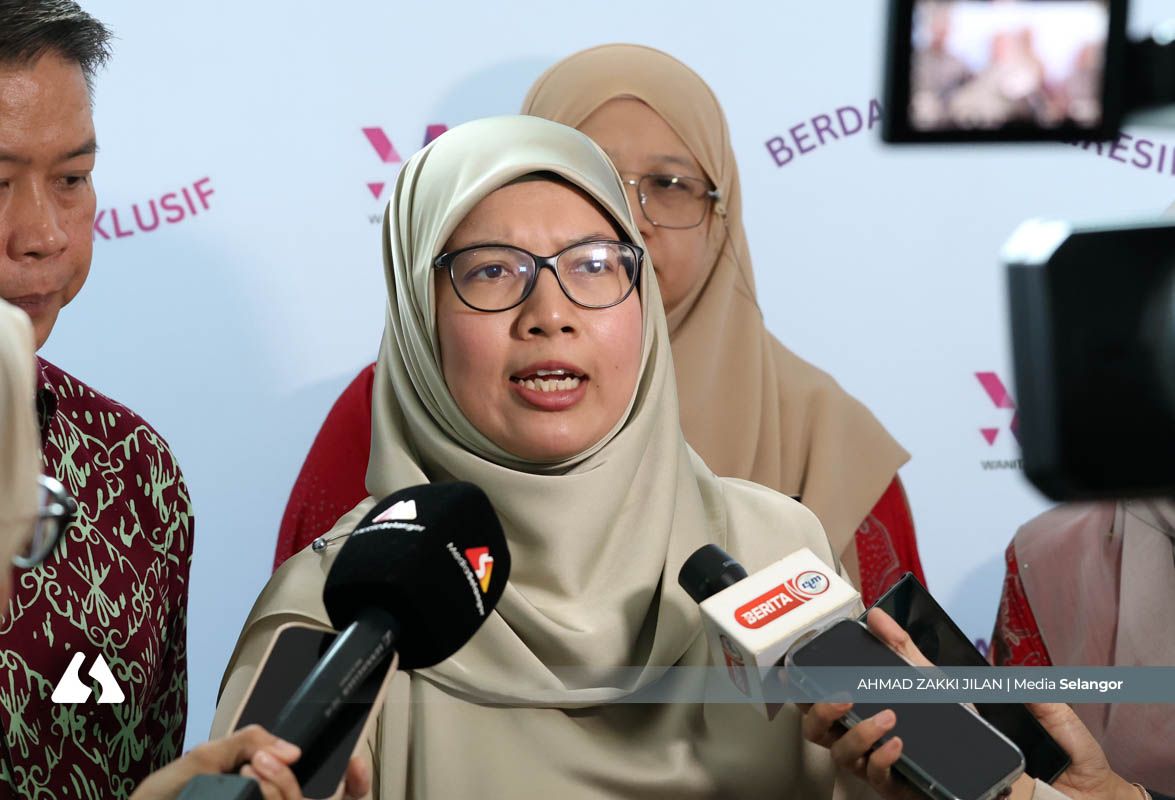
SHAH ALAM, Apr 24 — Official statistics on domestic violence and sexual harassment do not reflect the true situation, as research findings show only about 20 to 30 per cent of cases are formally recorded, said executive councillor for women empowerment and welfare Anfaal Saari.
“In any crime study, the official reports and statistics we obtain usually do not reflect the actual data.
“Crime experts estimate that only around 20 to 30 per cent of cases are reported,” she said when met at the Selangor State Legislative Assembly (DNS) yesterday.
For the record, official statistics indicate that only two to three out of every 10 domestic violence cases are reported. Previously, the DNS sitting was informed that 503 domestic violence complaints were recorded in Selangor between 2023 and 2025.
Explaining further after the sitting, Anfaal said data limitations and the lack of precise estimation mechanisms have made advocacy and awareness efforts a priority to encourage victims to come forward.
She said reporting rates may increase when awareness campaigns are expanded, including in relation to school complaints and autism registrations among children.
“When advocacy is strengthened, people become more aware of their rights, know where to seek help and receive community support, then reporting will increase,” she said.
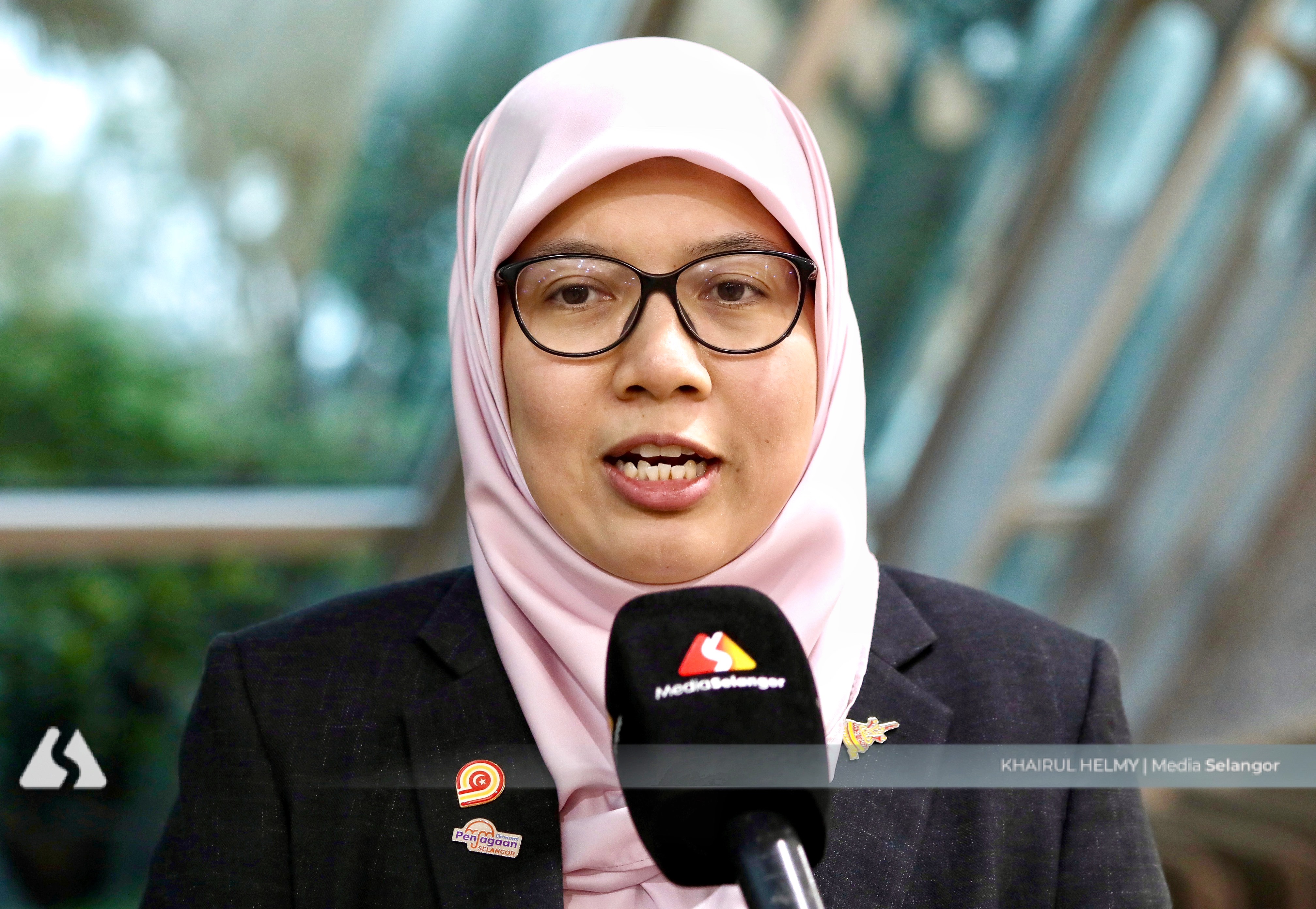
Anfaal said this indicates a clear case of under-reporting in society, requiring a more proactive approach to strengthen support networks for victims.
She added that economic factors and patriarchal culture are among the main causes of domestic violence, along with possible third-party involvement and family dynamics.
“Economic factors and patriarchal culture play a role, as well as possible third-party involvement and domestic conflicts,” she said.
She also stressed that victims of abuse are not limited to women, as men can also be affected, albeit at a lower rate.
As such, the state government through Wanita Berdaya Selangor has implemented a gender-based violence (GBV) campaign since 2021 to remove stigma against male victims.
“We need to de-stigmatise the idea that only women are victims. Men can also be abused and they deserve protection,” she said.
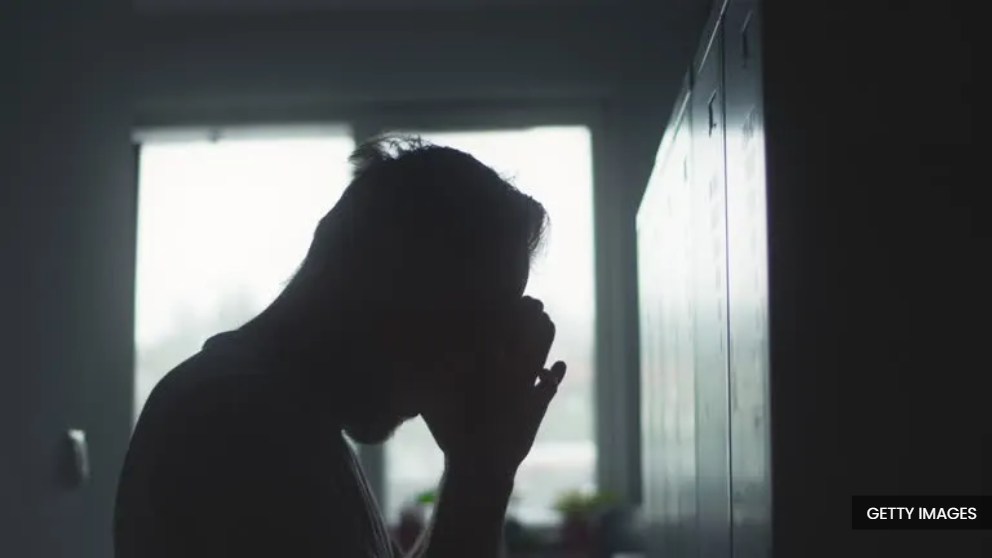
She added that some cases involve emotional abuse such as verbal insults and issues related to mental health, including certain personality disorders.
Anfaal said the state government also plans to organise a gender perspective forum in August, alongside expanded discussions with religious and Syariah judicial agencies.
She said the initiative aims to review possible improvements to Islamic family law, including issues related to divorce and polygamy, in efforts to strengthen family institutions holistically.
“We will review whether there are legal provisions that need to be improved so that all parties can be protected, not only women but the family institution as a whole,” she said.
She also stressed the need to align data across agencies such as the police, welfare departments and the courts to obtain a clearer picture of the causes and patterns of domestic violence cases in the state.