SHAH ALAM, April 21 — The state is expected to feel the most significant economic impact from the West Asia conflict beginning in September, with early signs already showing a decline in state revenue, said Menteri Besar Dato’ Seri Amirudin Shari.
Current fuel prices and broader cost pressures reflect earlier global developments, with the full effects of the ongoing crisis only becoming apparent in the coming months.
He cautioned that while the situation has yet to reach its peak, price pressures are building and will continue to intensify.
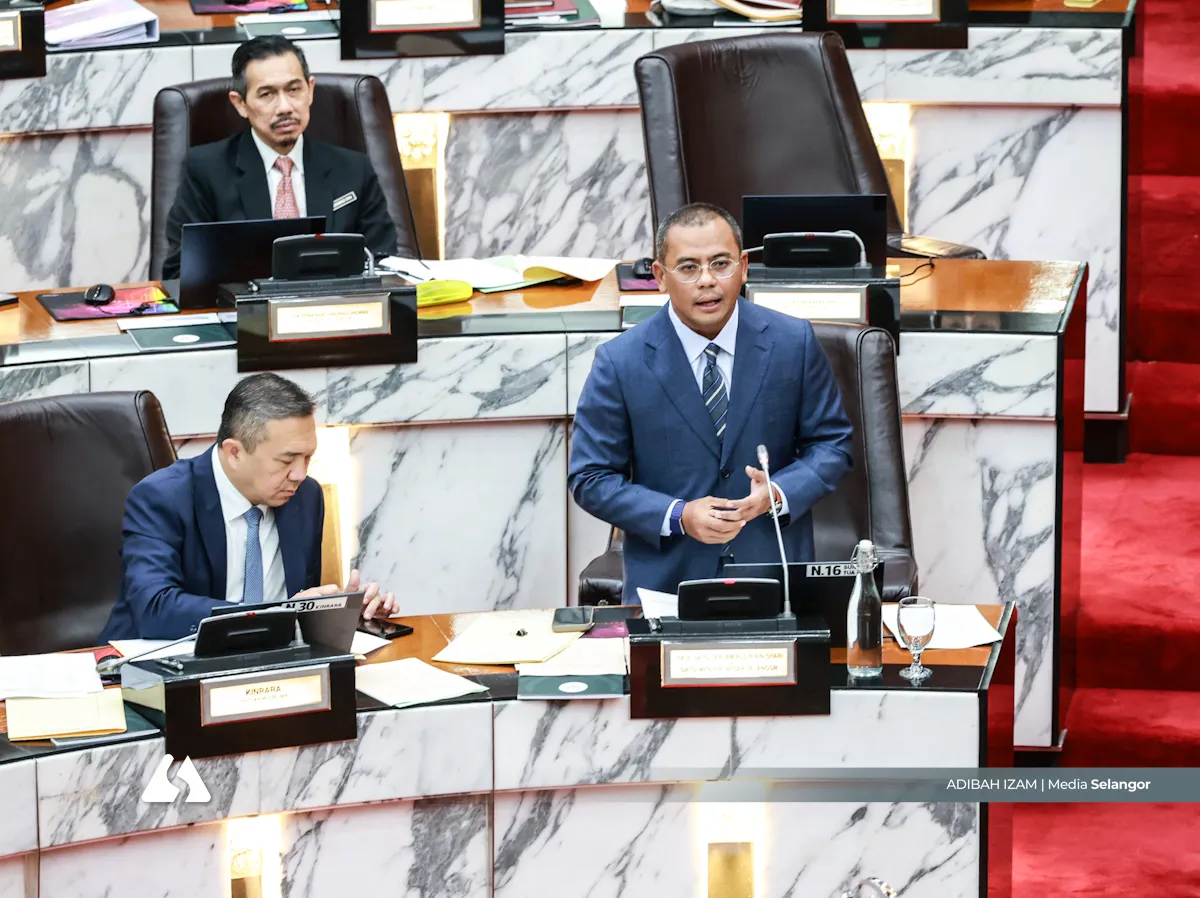
“The critical point has not yet arrived; it may come around September and October. That is why we need to engage with each sector, as each has its own focus, concerns, and specific challenges,” Amirudin said during the State Legislative Assembly sitting today.
He was responding to Subang Jaya state assemblyman Michelle Ng Mei Sze’s query on whether Selangor has plans to address rising healthcare costs due to the conflict, the state’s ability to tap into opportunities in medical tourism, and the potential influx of long-term patients from affected regions.
Amirudin added that the medical sector, which is part of the services industry, is among those expected to be affected by cost increases.
“On average, feedback from an international bank indicated that prices across all sectors are projected to rise by between 15 and 25 per cent, including the medical sector. This makes the situation more critical, which is why the state will continue to closely monitor developments,” he said.
Inflation across sectors, including essential goods and services, is projected to rise, driven by higher global costs and supply chain disruptions.
In a separate response to Kota Damansara state assemblyman Muhammad Izuan Ahmad Kasim’s supplementary question on Selangor’s current financial position, Amirudin said it has already recorded a revenue shortfall of nearly RM100 million in 2026 compared with the same period last year.
Despite the decline, the impact has not yet placed severe pressure on Selangor’s fiscal position, but the state government is taking a more careful approach, especially in areas such as land premium collections.
“I estimate that by the end of this year, we may spend between RM200 million and RM500 million in total for the overall (stimulus) package. Following that, we will still have our state reserves,” he said.
The Menteri Besar noted that the state will also rely on existing reserves and other funds, while ensuring, after discussions with relevant parties, that sufficient savings are maintained so that future financial challenges can still be absorbed without compromising long-term fiscal stability.
The state government is closely monitoring developments regularly to assess whether its revenue target of RM2.8 billion can still be achieved this year.
Amirudin emphasised that the prolonged nature of the conflict means its economic effects are likely to persist even if conditions improve soon.