
By Amar Shah Mohsen
SHAH ALAM, Apr 20 — The Sultan of Selangor, Sultan Sharafuddin Idris Shah Alhaj, has decreed that the state government prioritise essential expenditure to help ease the burden on the people amid current global economic uncertainties.
In his opening speech at the First Meeting of the Fourth Term of the 15th Selangor State Legislative Assembly, His Royal Highness said all forms of wastage must be avoided given the current situation driven by the conflict in West Asia.
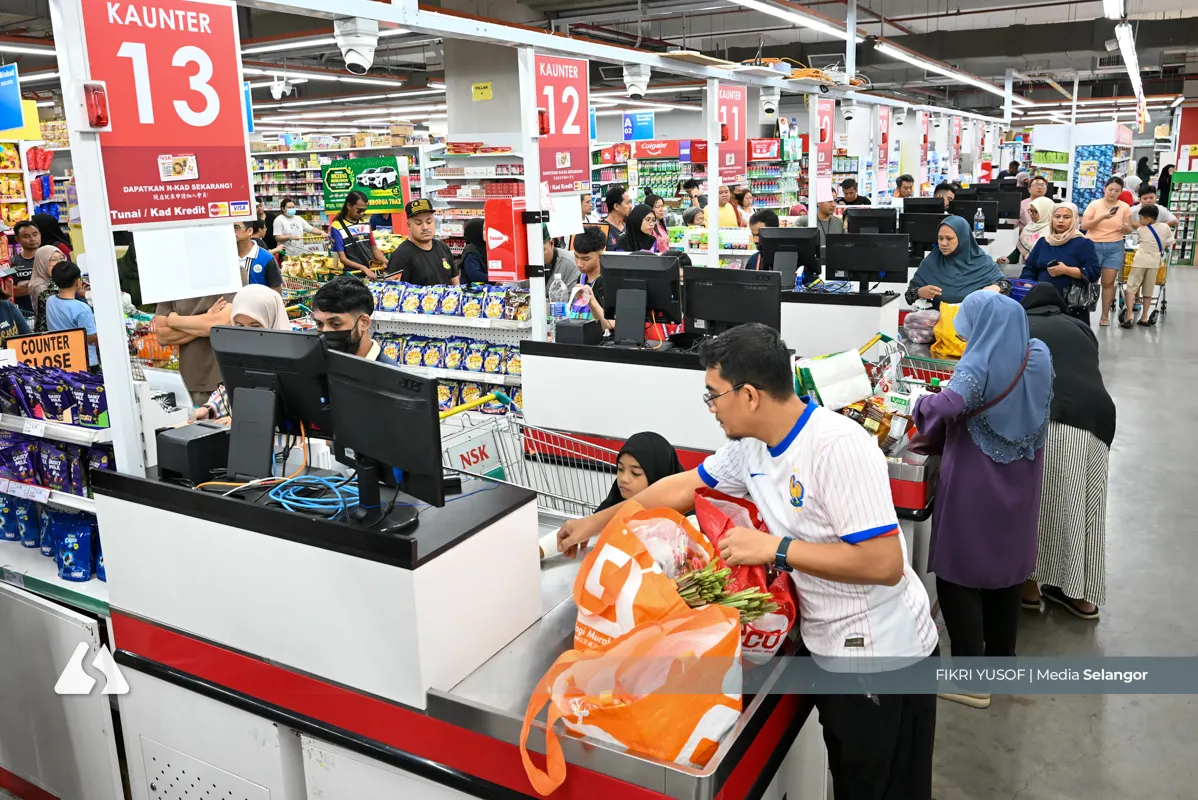
He expressed deep concern over rising global oil and gas prices, as well as supply shortages caused by the conflict, which have directly impacted Malaysia, leading to higher fuel prices, increased costs of essential goods, and a rise in the cost of living.
“Every sen spent must deliver maximum benefit to the rakyat, especially those most affected and in need of assistance.
“The government must always remember that the welfare of the people should remain the top priority in all planning and policy implementation,” he said in the State Assembly.
He urged all parties to practise prudence in light of the challenging economic conditions.
Sultan Sharafuddin also urged the state government to make early preparations to face future challenges, especially with key industries such as manufacturing, construction and logistics projected to be affected.
“This is where unity between leaders and the people becomes crucial, to ensure that the challenges can be addressed effectively on the basis of strong solidarity and mutual understanding, despite differences in race, religion and culture.
“Community leaders and politicians must contribute to efforts to support the people and refrain from taking advantage of the crisis in ways that could divide society.
“I want Selangor to remain a resilient state in facing the various crises that may arise,” he said.
The ongoing conflict in West Asia has disrupted supply chains, including key oil and gas routes such as the Strait of Hormuz.
This has led to tighter global energy supply, higher transportation costs, and knock-on effects on fuel prices and the cost of essential goods worldwide.