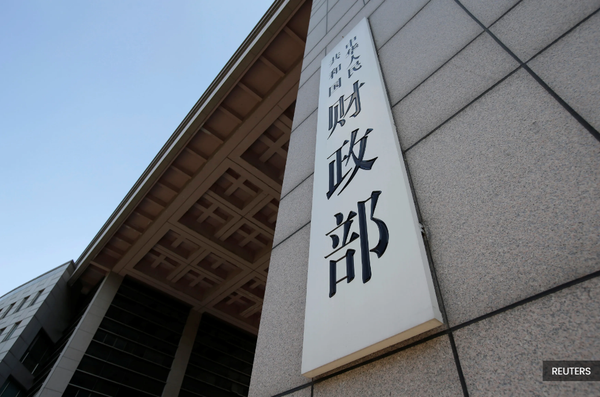
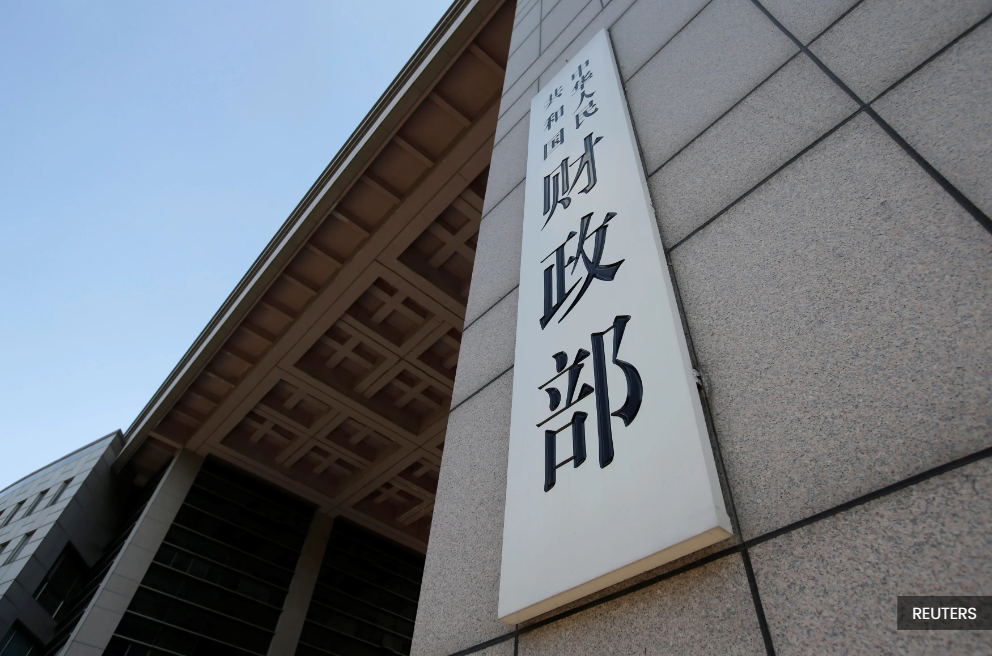
BEIJING, April 16 — China's Finance Ministry will keep this year's ultra-long special treasury bond issuance to 20-, 30- and 50-year maturities, the same as last year, people with knowledge of the matter said today.
Investors had broadly expected a smaller allocation of 30-year bonds and the addition of a 15-year tranche, a view that had driven yields on ultra-long tenors lower over the past week.
Market participants have been watching the 30-year supply because it could steepen the yield curve as the Middle East conflict stokes inflation concerns and curbs demand for longer-dated paper.
The people also said that a separate batch of special bonds aimed at boosting the core tier-one capital of large state-owned commercial banks will come in five- and seven-year tenors, unchanged from last year.
The sources declined to be identified because they were not authorised to speak to the media. The Finance Ministry did not immediately respond to a request for comment.
"Securing long-term, low-cost funding in the current relatively favourable rate window would help the finance ministry reduce its future interest-servicing burden," said research firm Macro Hive adviser Ding Liang.
He added that, despite expectations for a more balanced supply mix falling short, the wide spread on 30-year government bonds has largely priced in bearish factors, and the tenor has become more attractive.
Thirty-year yields edged higher on Thursday while short-dated yields broadly fell. The yield spread between China's 30-year and 1-year bonds widened to 1.16 percentage points last week, the biggest gap since August 2023.
On Tuesday (April 14), Reuters reported that the ministry would meet government bond underwriters today to discuss this year's ultra-long special bond plans.
China's 2026 budget report shows CN¥1.3 trillion yuan (RM754 billion) in ultra-long special treasury bonds will be issued this year.
In early March, Beijing said it would inject CN¥300 billion (RM174.01 billion) into state-owned banks this year to guard against systemic risks and boost financing for technology companies amid intensifying rivalry with the United States, down from CN¥500 billion (RM290 billion) last year.
Last month, Reuters reported that China is also considering easing shareholding restrictions for some major investors in a move aimed at broadening capital-raising options for commercial banks impacted by an economic slowdown.