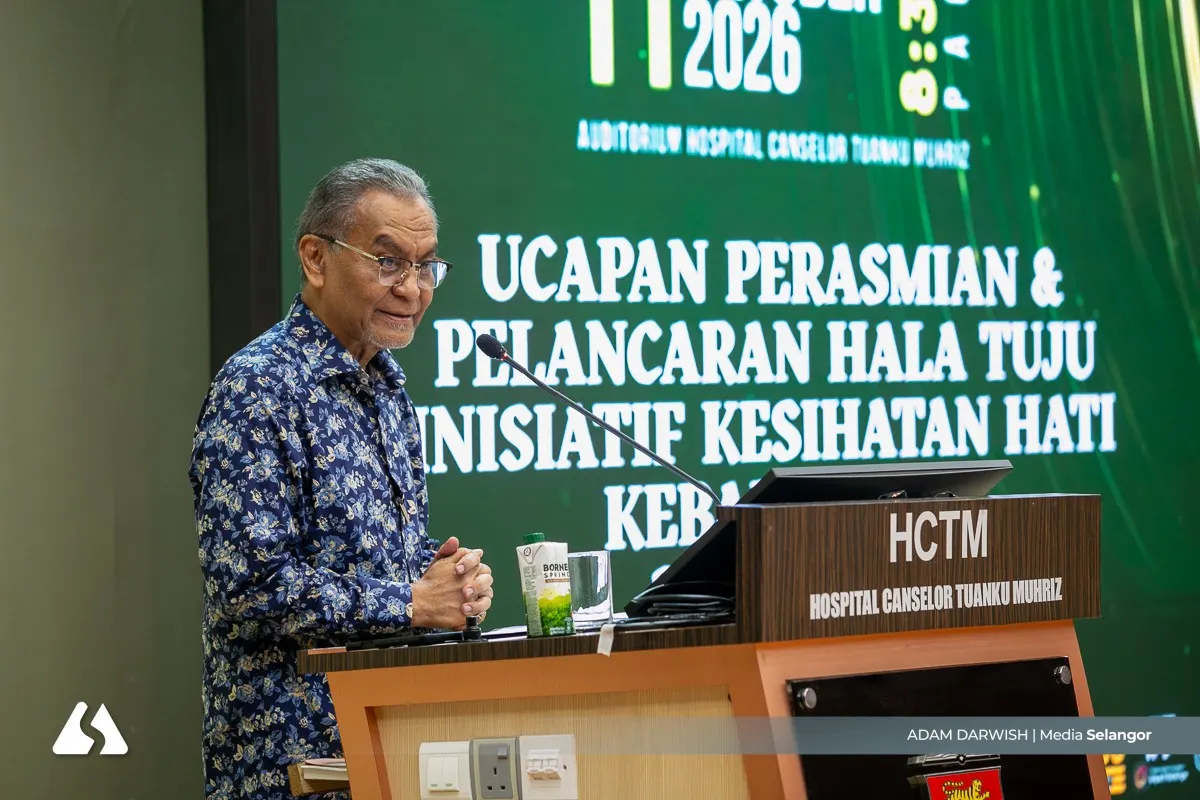

SHAH ALAM, April 13 — Each year, around 10,000 adults in Malaysia, or one in 15 people, are diagnosed with chronic kidney disease (CKD) that result in end-stage renal failure, said Health Minister Datuk Seri Dzulkefly Ahmad.
“CKD is serious. Ten thousand people experience CKD that ends in end-stage renal failure every year, requiring them to undergo dialysis.
“We also have more than 50,000 CKD patients undergoing treatments like haemodialysis and peritoneal dialysis, and the MOH now considers (CKD) among the main diseases (in the population),” he told reporters yesterday during a World Kidney Day event at the Shah Alam City Council (MBSA) headquarters here.
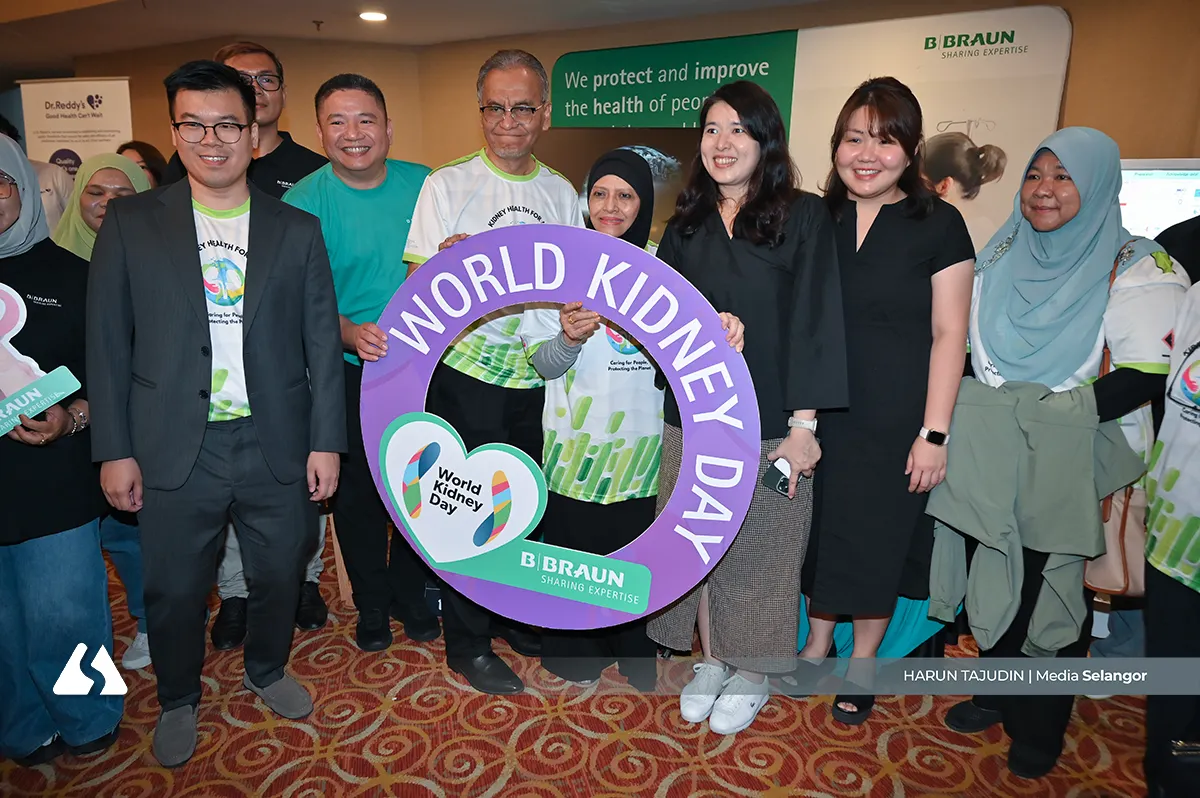
More than 200 participants attended the event that was organised by the National Kidney Foundation. Also present was state executive councillor for public health and environment Jamaliah Jamaluddin.

Dzulkefly said the Health Ministry (MOH) will keep strengthening organ donation awareness campaigns as the best treatment for CKD and end-stage renal failure is a kidney transplant.
He said kidney disease treatments have high water and energy needs, and result in plastic medical waste that could harm the environment.
“Going forward, this is our policy, which is to balance treatment needs with consideration for factors that would reduce effects to the environment to the minimum level,” Dzulkefly added.
Meanwhile, Jamaliah said the state government welcomes Putrajaya’s call to empower organ donation campaigns to balance healthcare needs and environmental sustainability.
She added that the Selangor government will consider adding kidney disease screening into the state’s free Selangor Saring health checkup initiative.
“Previously, we focused on cancer and such, but we are discussing holding organ donation campaigns.
“One way to ensure environmental sustainability is if we have the opportunity to conduct organ transplants. Right now, the number of donors is very low,” Jamaliah said.
When met at the event, nephrologist Dr Muhammad Iqbal Abdul Hafidz said CKD is asymptomatic in its early stages, which leads to patients not knowing they have the disease.
“Unfortunately, many don’t realise they have CKD because it is asymptomatic. By the time they experience symptoms like (lower body oedema), lack of appetite, or fatigue, it is usually already at stage four or five.
“There is only one way to detect CKD, which is by undergoing a health checkup. Do it at least once a year, that would be enough,” he told Media Selangor.
Yesterday, Iqbal moderated a forum titled “Emotional Well-Being, Diet, and Medicine Compliance: Finding Peace and Purpose in Life with CKD”, where he said Malaysia’s obesity rate is also among Southeast Asia’s highest, making it among the biggest contributors to rising CKD cases.
He said this is as most CKD patients also have diabetes, high blood pressure, and excess body weight, which could contribute to renal failure.
“It is easy to prevent. Practise a healthy lifestyle. No specific diet, just control calorie, sugar, and salt intake. Achieve an ideal body weight. It’s also enough to follow the quarter-quarter-half rule (protein on a quarter of the plate, carbohydrates on another quarter of the plate, and fibre on the remaining half of the plate),” Iqbal said.