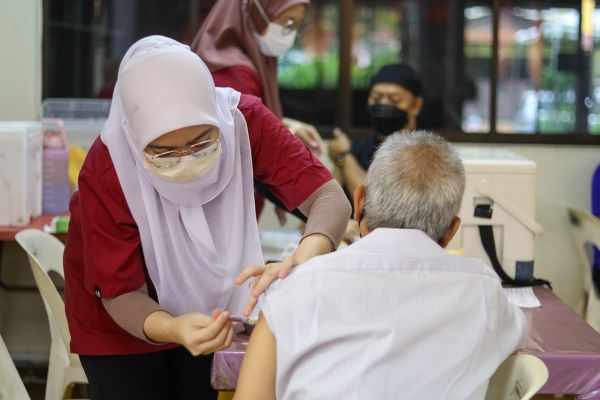
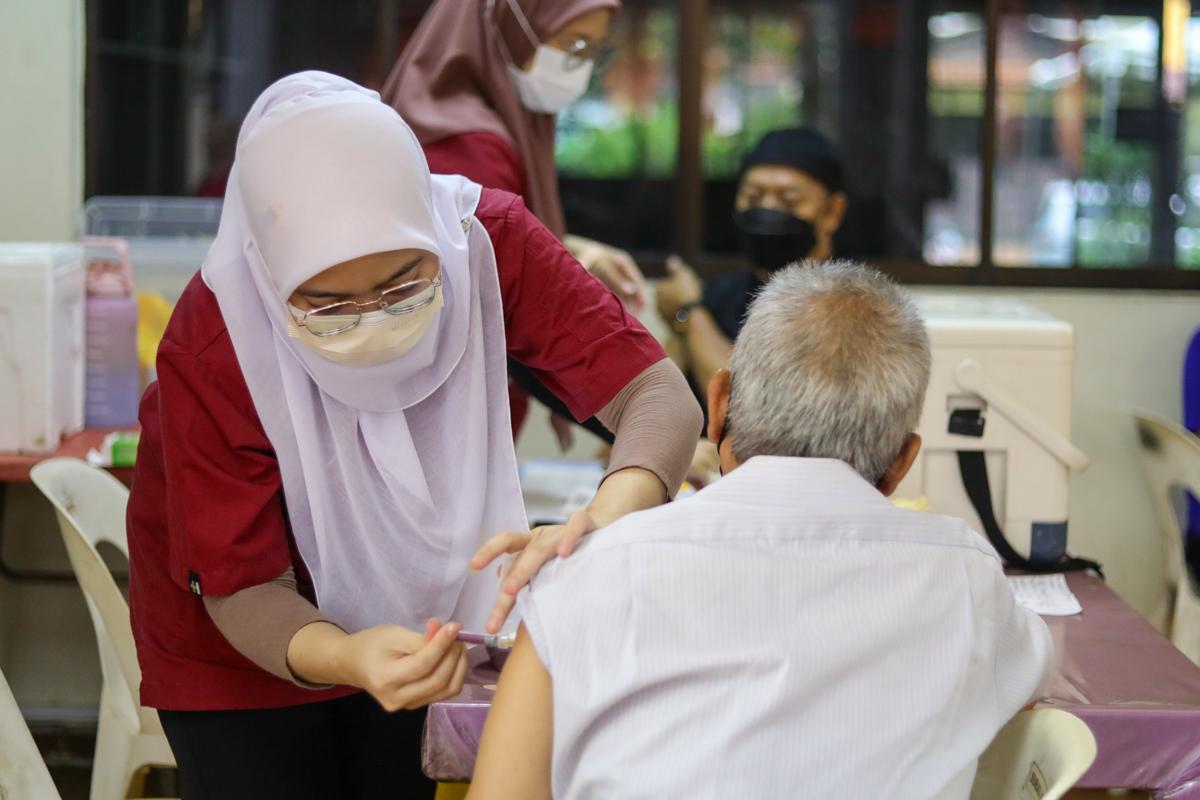
SHAH ALAM, April 8 — The state government is intensifying efforts to strengthen the preparedness of its medical service system by placing emphasis on preventive programmes following the rise in the elderly population.
State executive councillor for public health and the environment Jamaliah Jamaluddin said the approach is not solely focused on increasing treatment capacity, but also encompasses efforts to develop a more sustainable system through early detection and continuous health interventions.
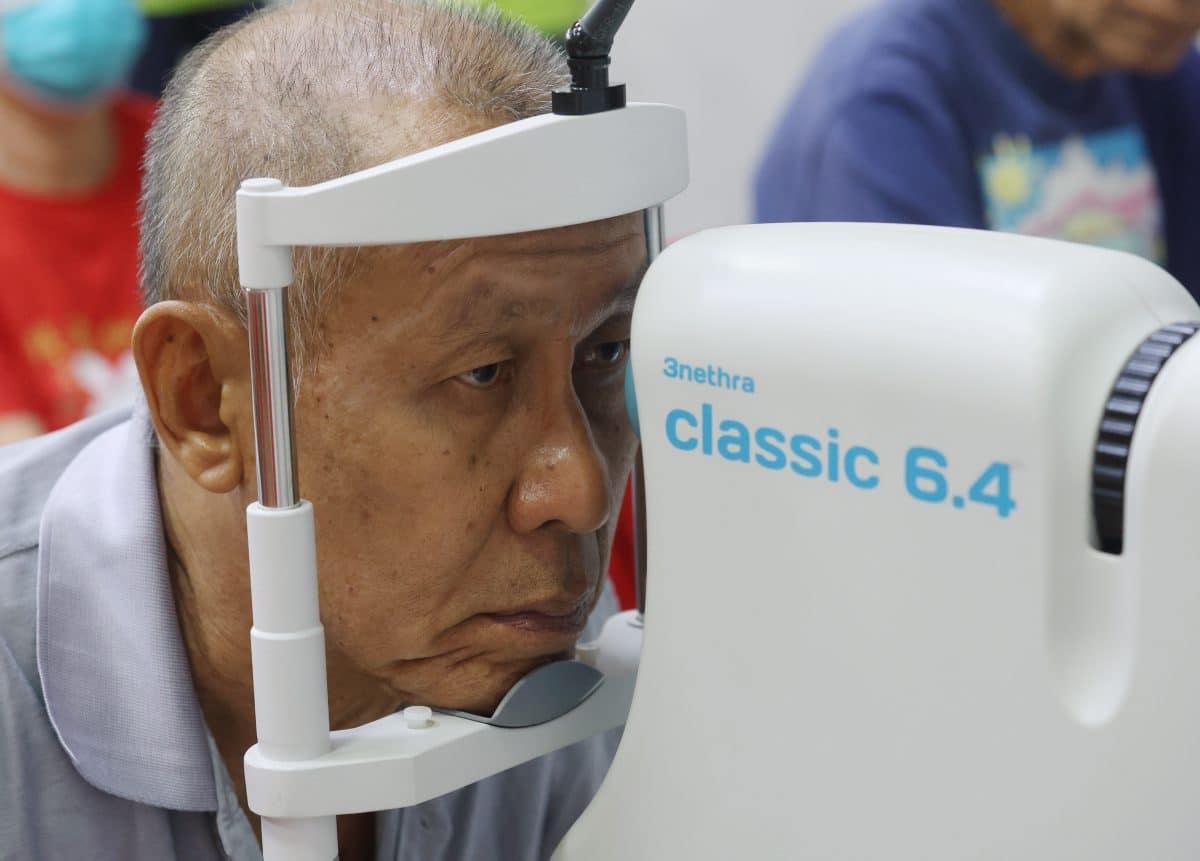
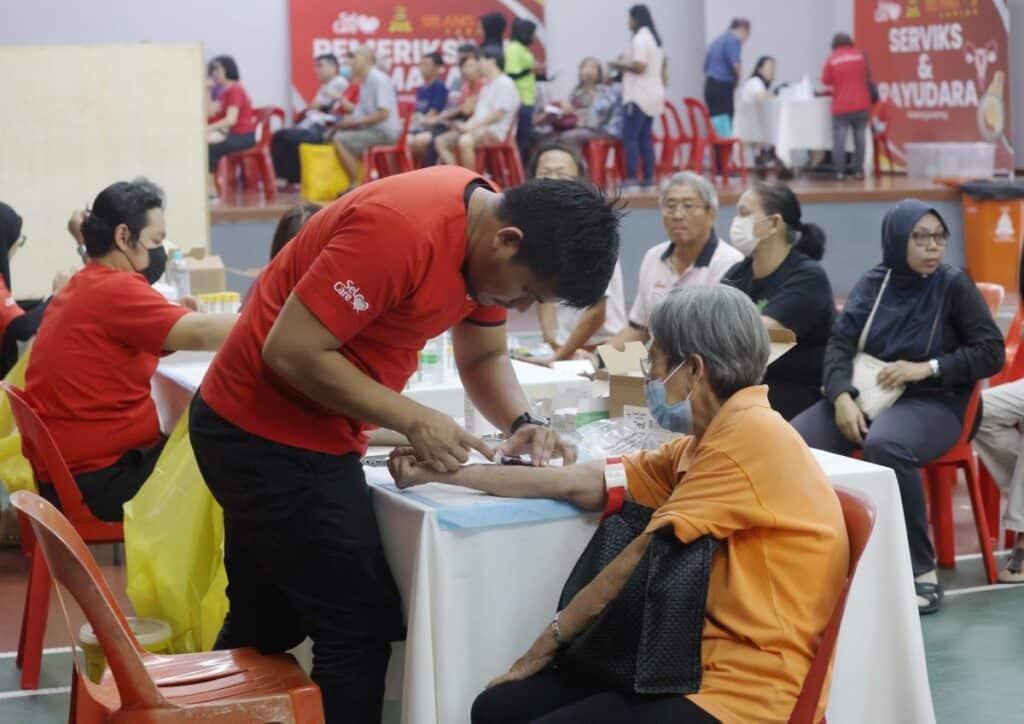
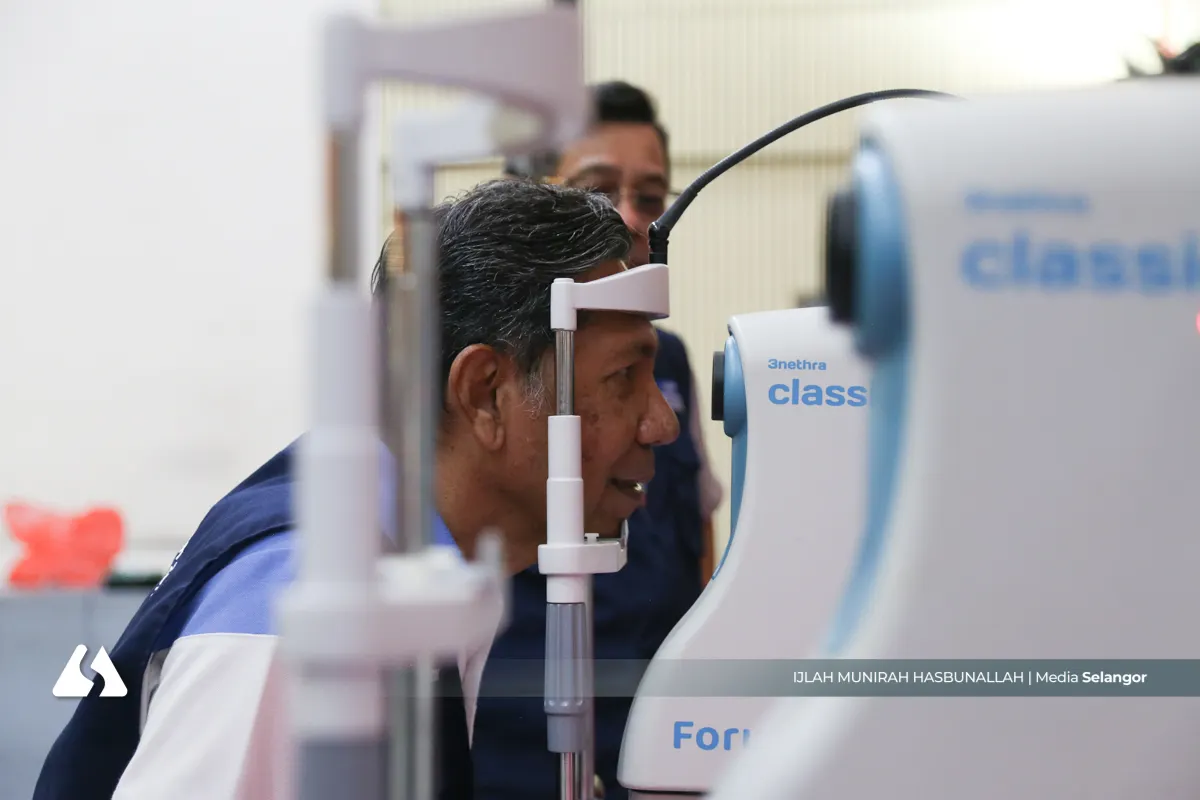
Programmes implemented across all nine districts since last year aim to improve the well-being of the elderly, including basic screenings such as frailty assessments and nutritional aspects.
“The state government is committed to ensuring that early interventions are carried out comprehensively to reduce the risk of chronic diseases and dependence on long-term treatment.
"This approach is not merely to expand treatment capacity, but to build a sustainable system by emphasising prevention and early detection.
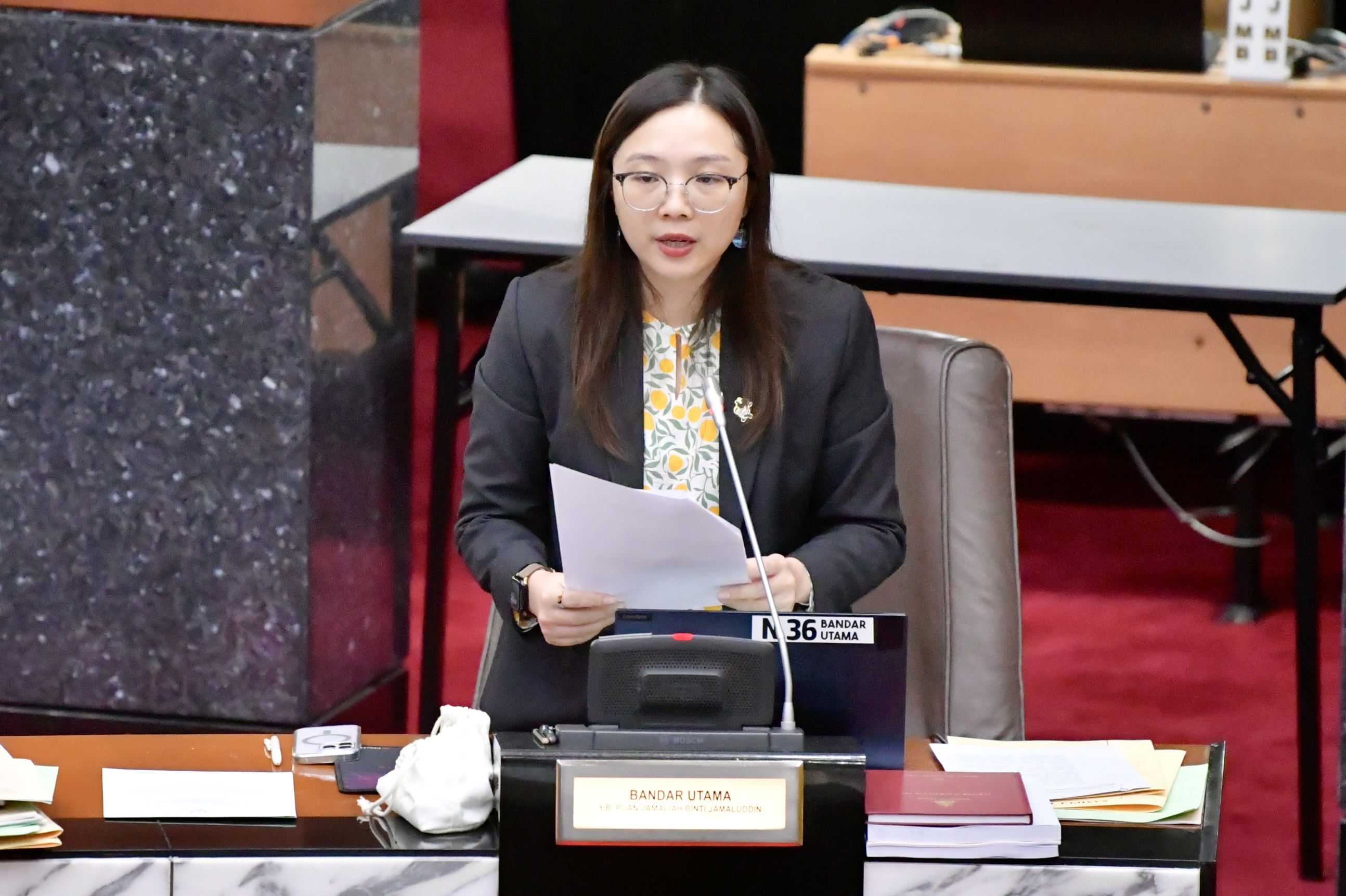
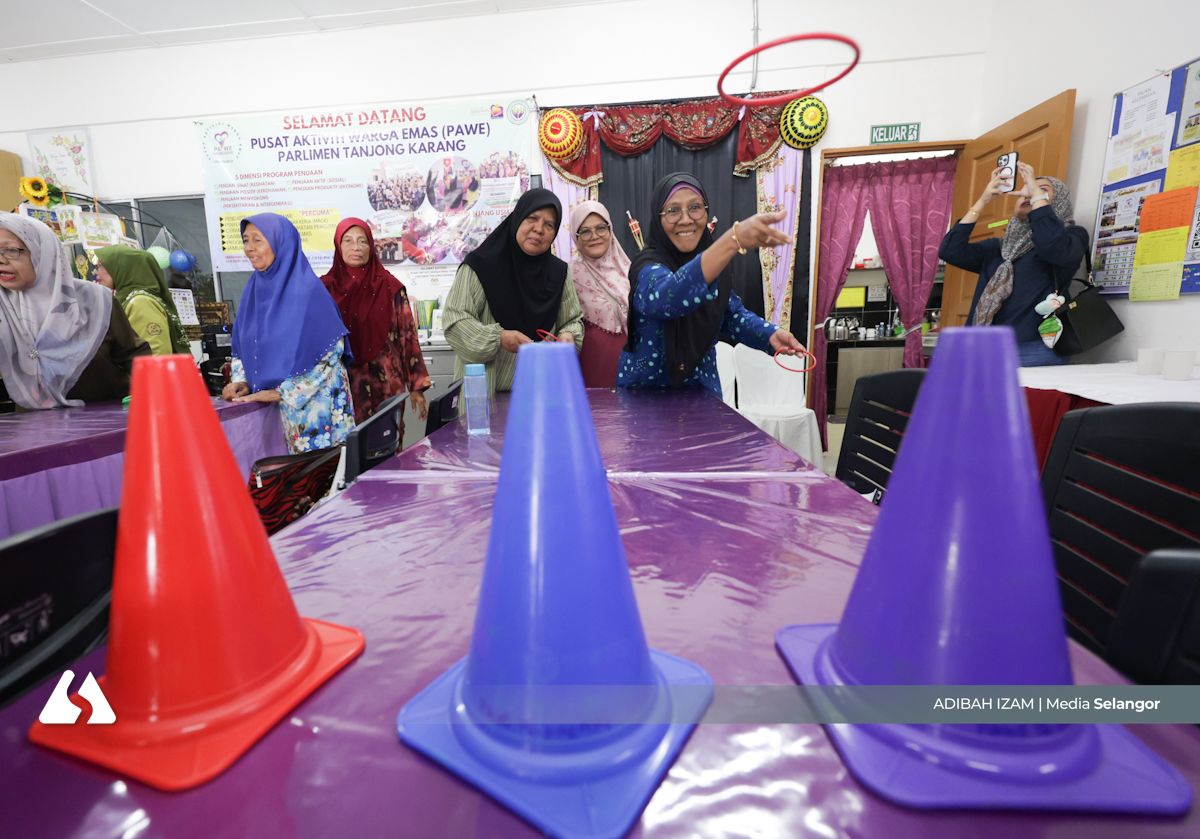
"It is also followed by interventions such as awareness talks, regular exercise, and physiotherapy treatment conducted every two weeks over a three-month period to ensure the effectiveness of the screenings carried out,” she told Media Selangor.
Jamaliah added that participants subsequently undergo follow-up screenings to assess the impact of the interventions on their health status.
Throughout 2025, over 1,800 elderly residents in Selangor underwent health screenings as part of the initiative.
Yesterday, it was reported that Malaysia is nearing the status of an ageing nation, which is expected to place significant pressure on the public healthcare system, particularly due to increased demand for geriatric services and treatment for non-communicable diseases.
Public health medicine specialist Datuk Dr Zainal Ariffin Omar said the growing elderly population necessitates the provision of long-term care, including welfare homes, home-based care, and the management of multiple medications.
He noted that per capita healthcare costs for the elderly are three to five times higher than for younger individuals, thereby placing strain on the existing system.