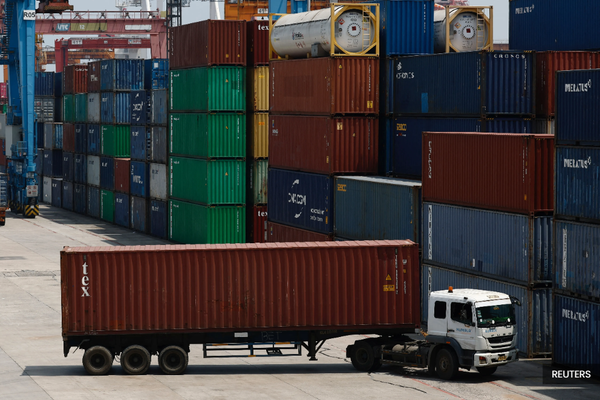
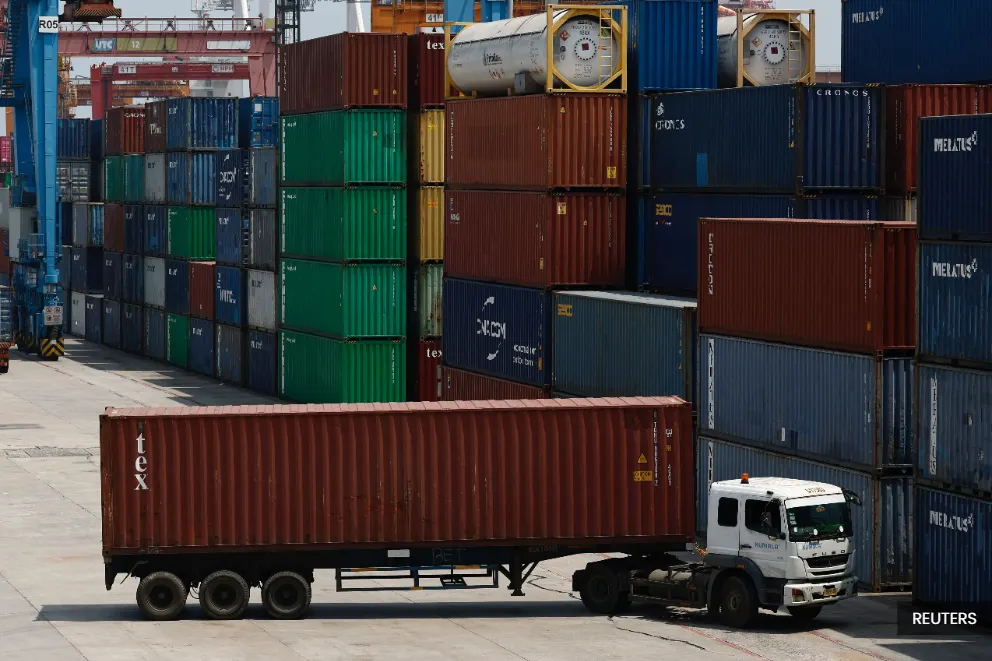
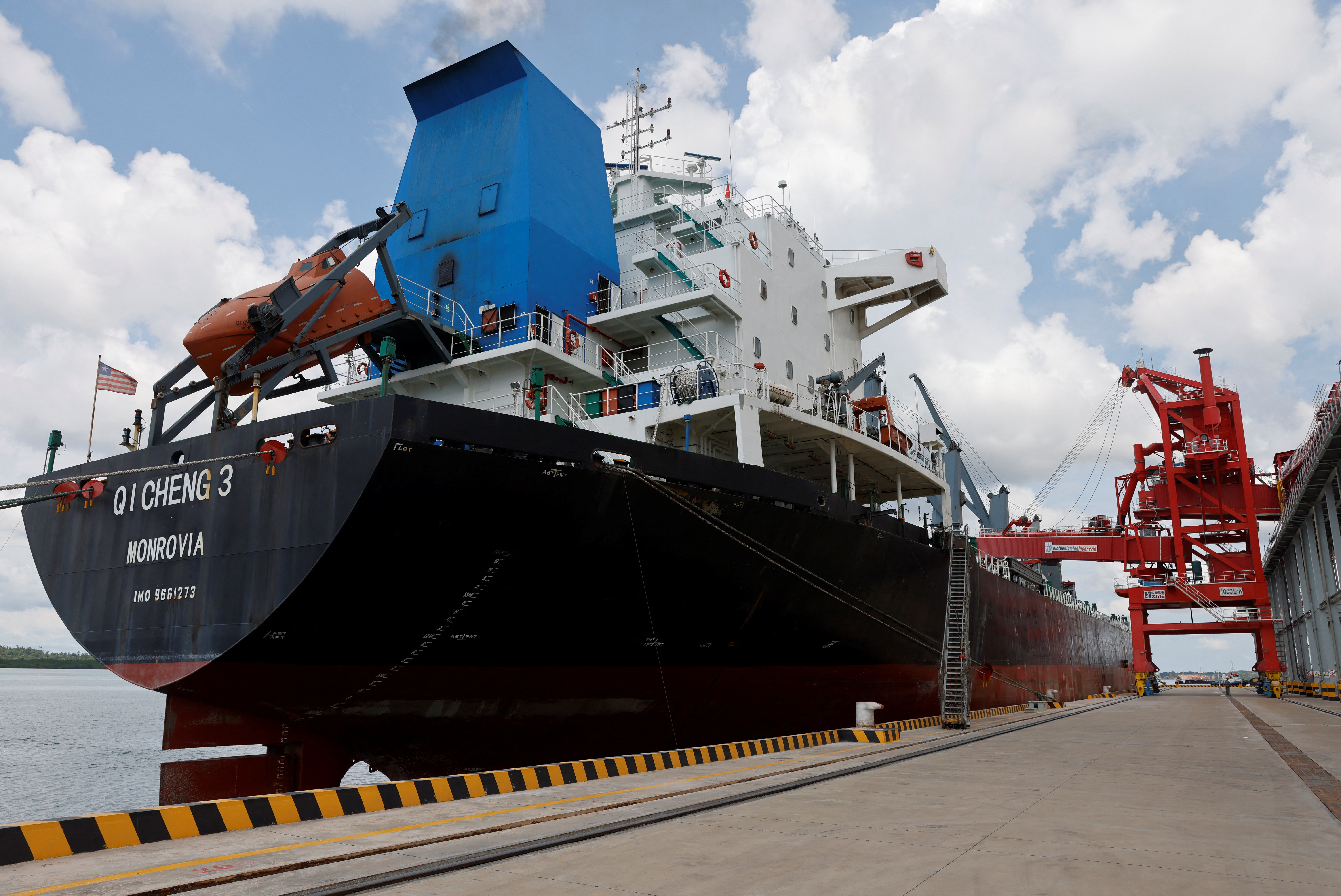
JAKARTA, June 1 — Indonesia pledged transparency in the state company that will become its sole exporter of key commodities, as a transition period to a centralised export system began on Monday, covering coal, palm oil, and ferroalloys.
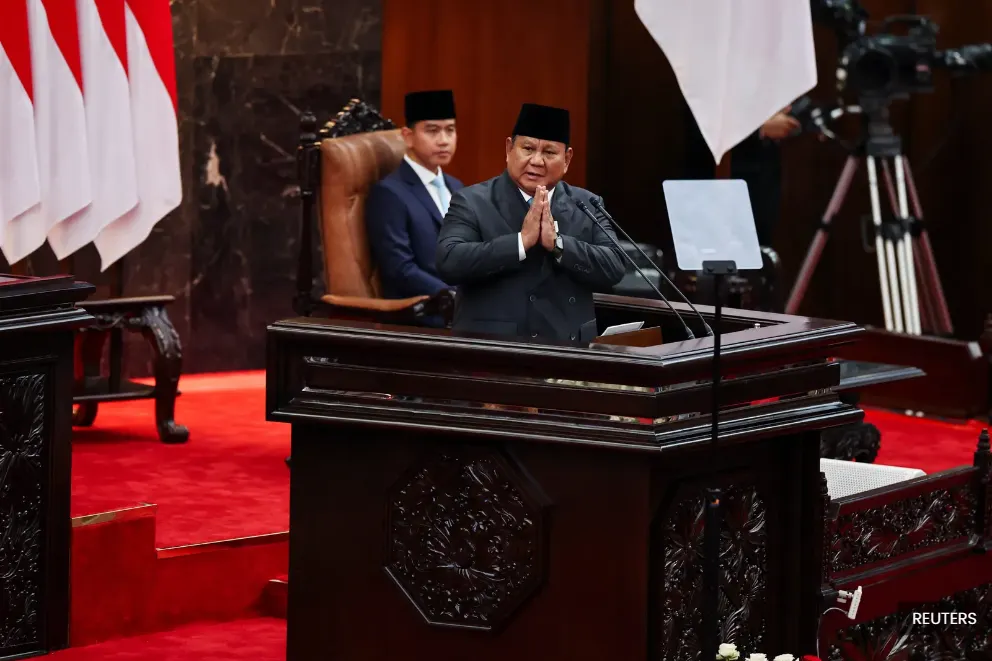
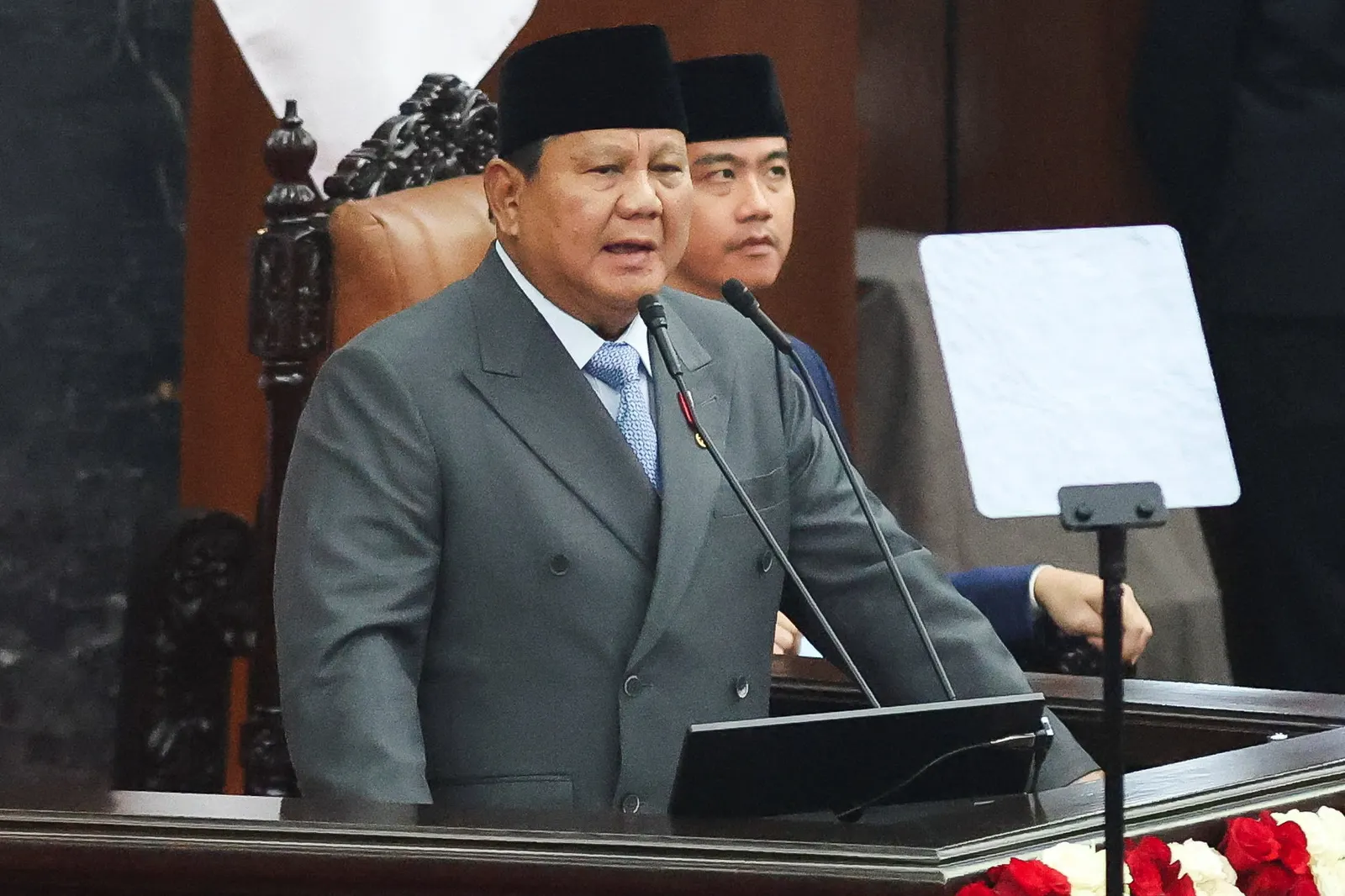
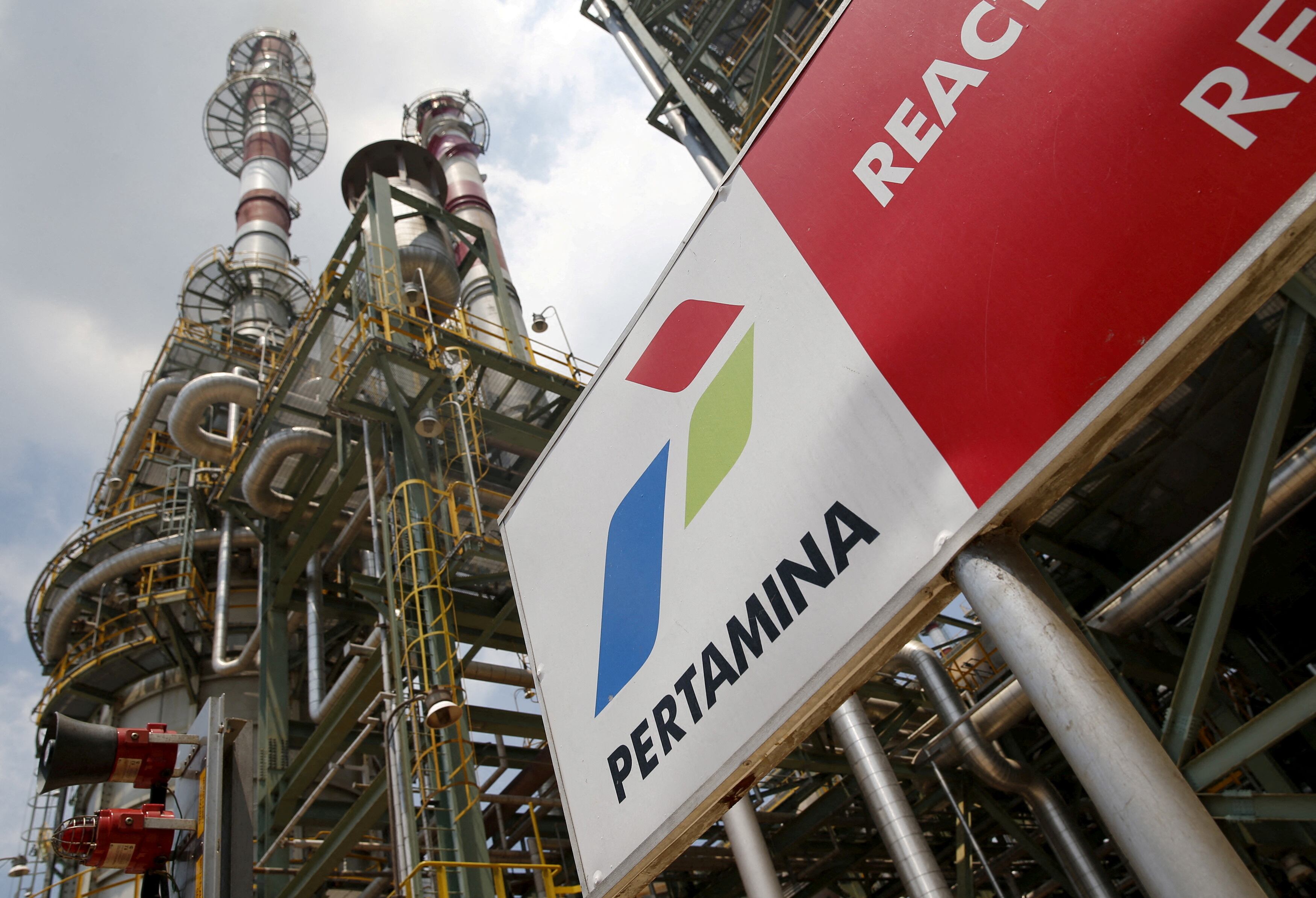
On May 20, President Prabowo Subianto announced that the resource-rich nation would centralise control over exports of all its strategic commodities through a new state company, Danantara Sumberdaya Indonesia (DSI), that will be overseen by the sovereign wealth fund Danantara.
The policy is aimed at improving tax revenues by tackling under-invoicing and transfer pricing, while also ensuring proceeds are kept onshore to bolster United States dollar supplies, particularly after the rupiah hit historic lows multiple times this year.
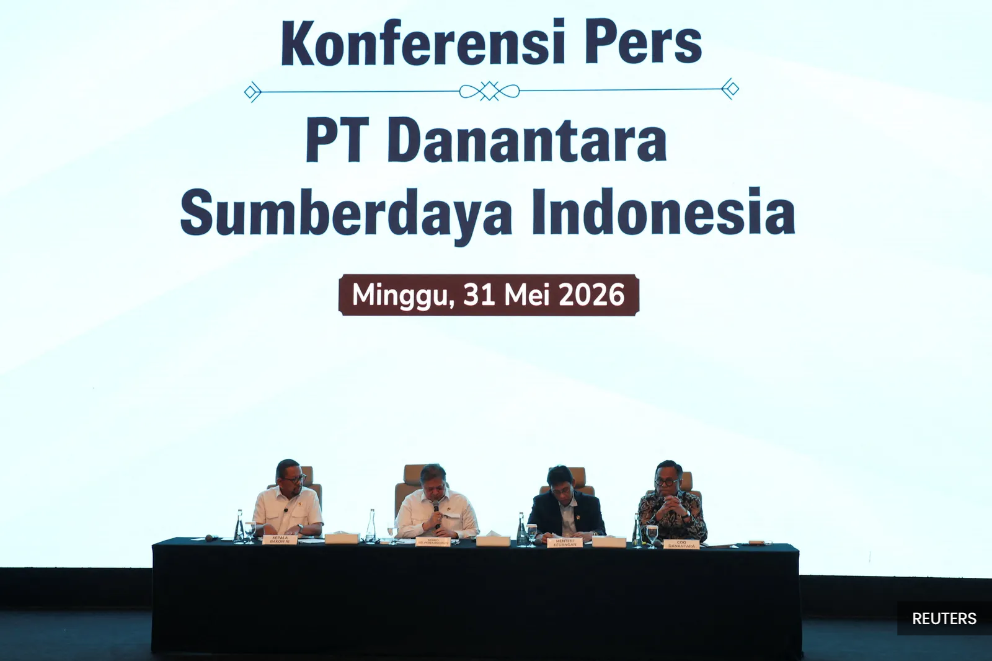
Danantara's chief operating officer Dony Oskaria said that DSI would operate transparently and accountably, including on the benchmarking of commodity prices during the transition.
"We will ensure that this company will be run transparently and can be monitored by everyone in Indonesia," he said during a media conference yesterday.
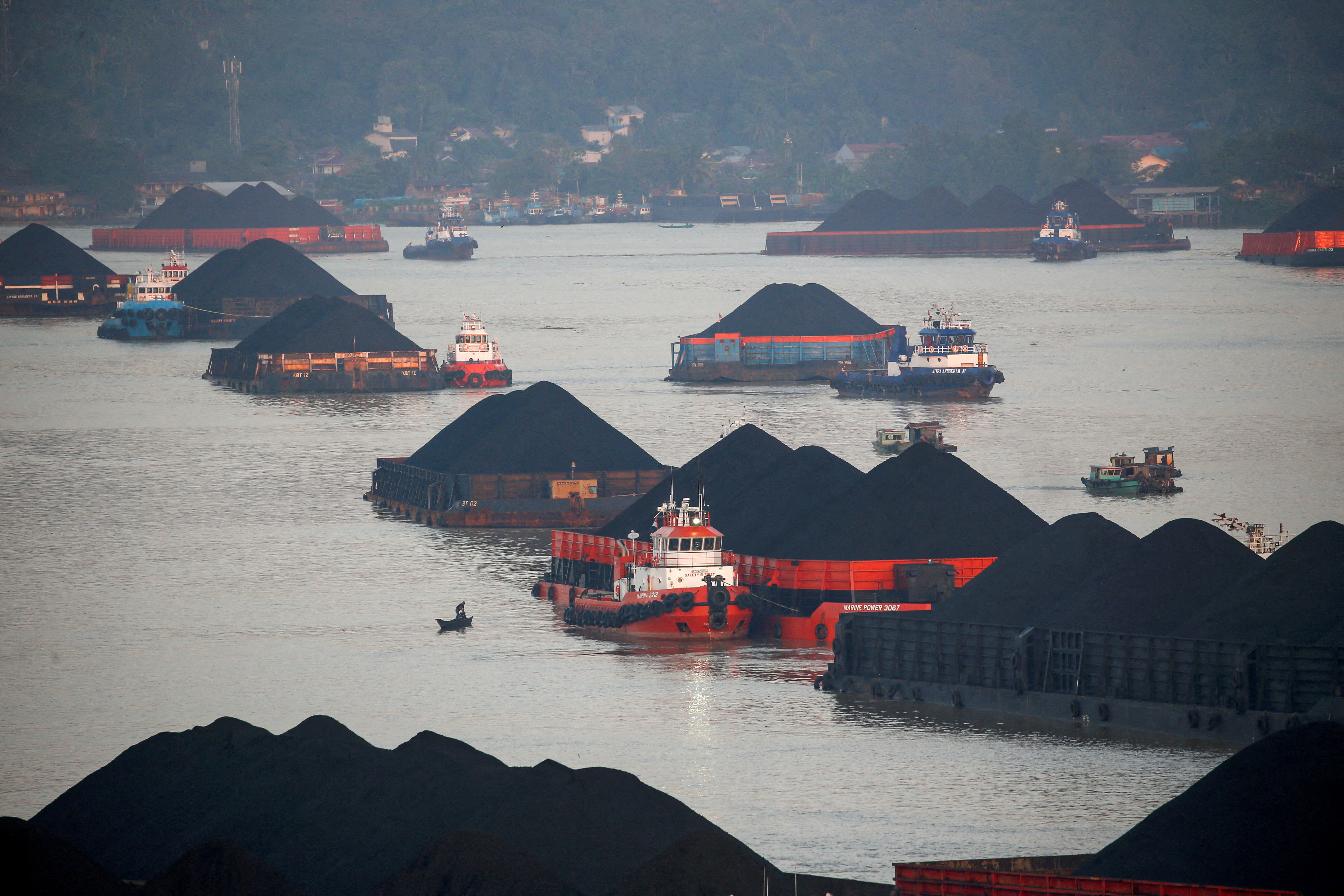
Indonesia is the world's largest exporter of thermal coal, palm oil and nickel, and its exports of these commodities topped US$65 billion last year.
Danantara has said it would honour long-term contracts but would review prices to make sure they are not below market levels.
Industry caught off guard
The sudden announcement of the policy caught the business community off guard and pressured the stock market amid fears that profit margins might be squeezed. Some rating agencies have also warned that the plan could hurt investor sentiment.
Chief Economic Minister Airlangga Hartarto said that during the transition period, exporters must report all their export documents to DSI; otherwise, the government expects shipments to be "business as usual".
He added that the government would evaluate the transition after three months to determine its next steps, but full implementation would start no later than January 1, 2027.
Several business associations said they still had questions about the plan, with presidential decrees on the export mechanism still to be made public.
Some buyers have questions about the potential impact on pricing and whether they need to switch third-party vendors, business groups said. Prices of fresh fruit and palm oil bunches have also dropped sharply amid the uncertainty.
Finance Minister Purbaya Yudhi Sadewa said at the media conference that stock investors should see improvements in companies' profitability from better export pricing through DSI.
Meanwhile, Oskaria said that the DSI's operations would initially be backed by civil servants from several ministries, but Danantara is hiring and developing technology for export monitoring.
Today also marks the start of a new export earnings retention policy, requiring most exporters of natural resources to keep their proceeds in state banks.