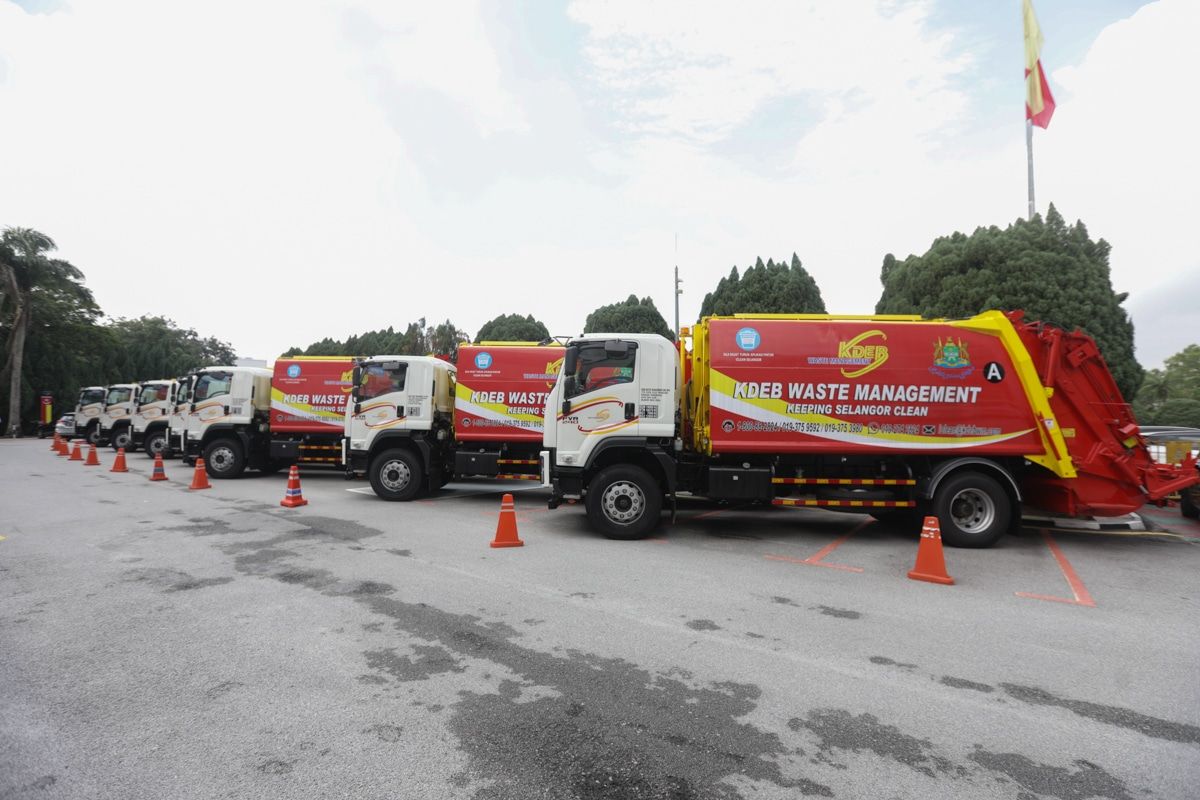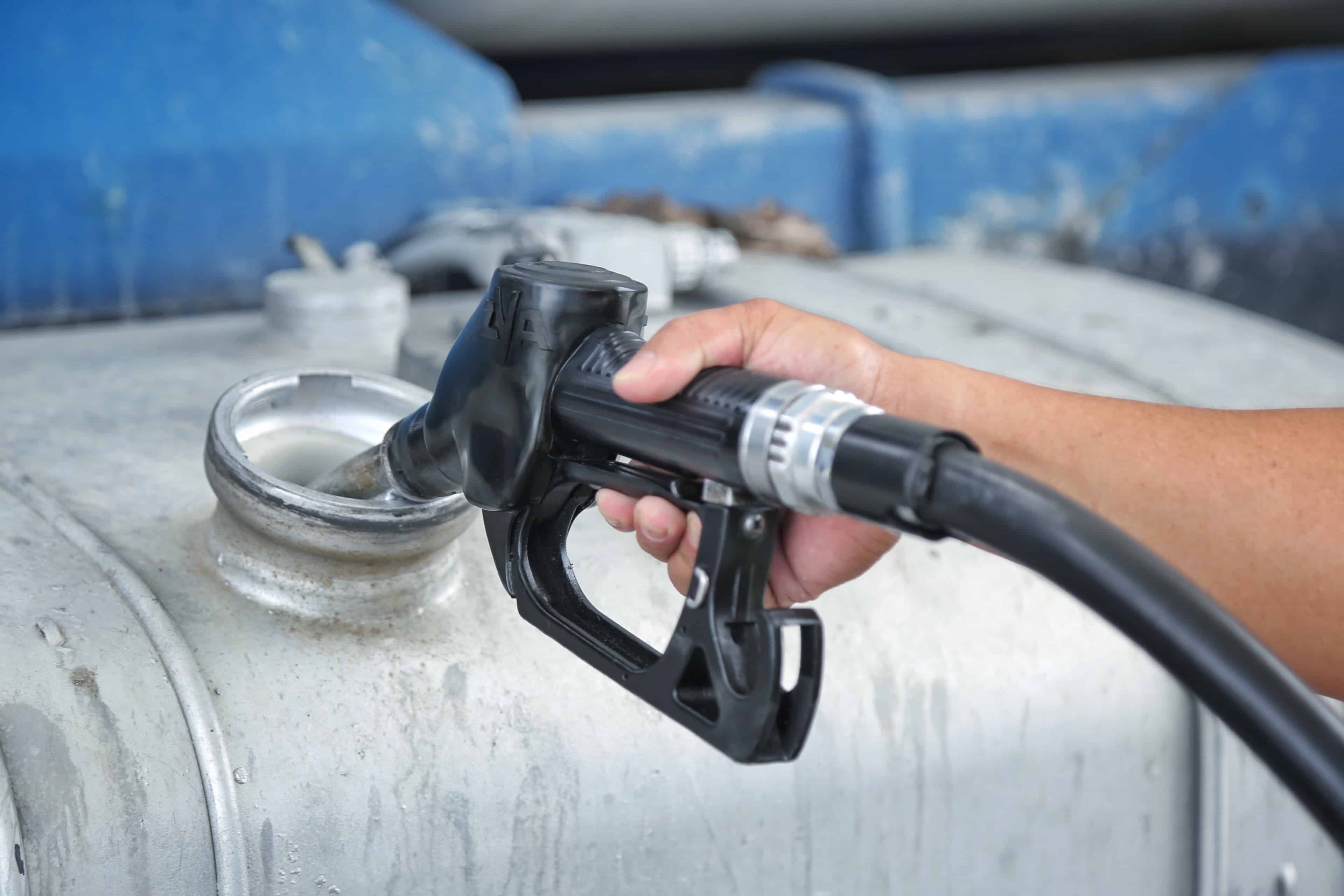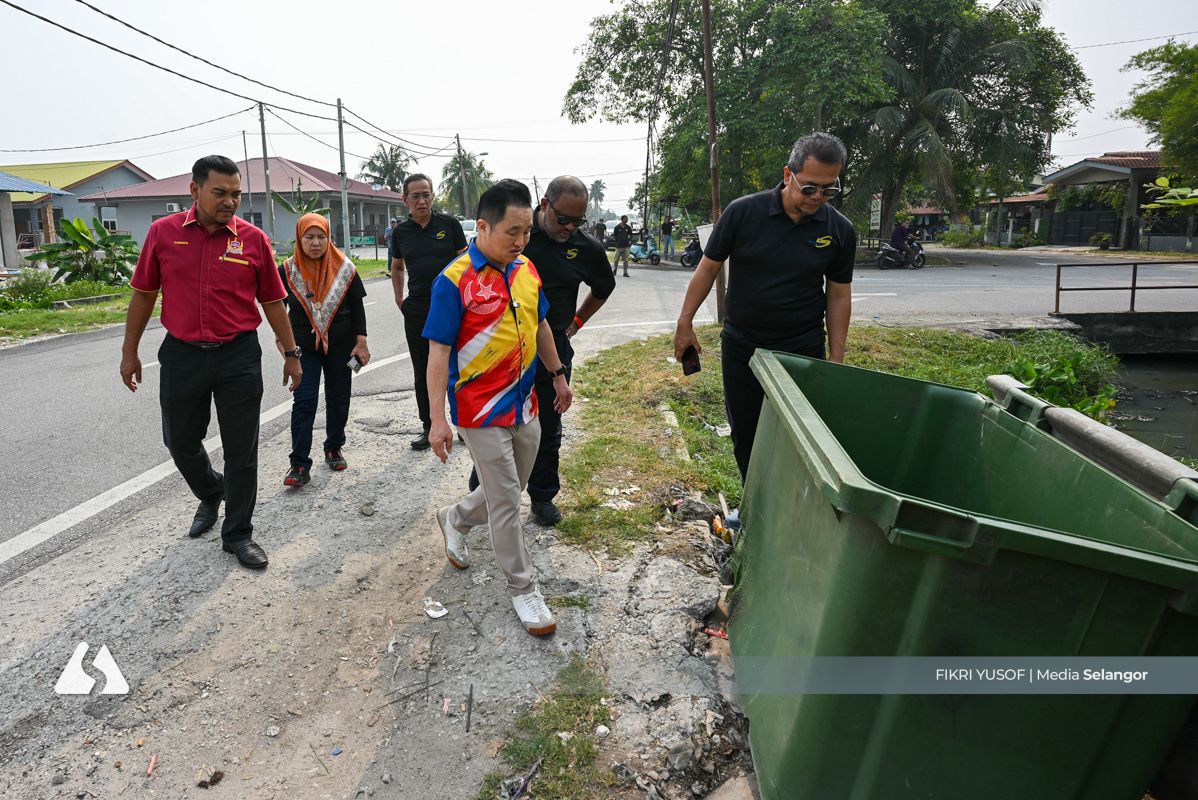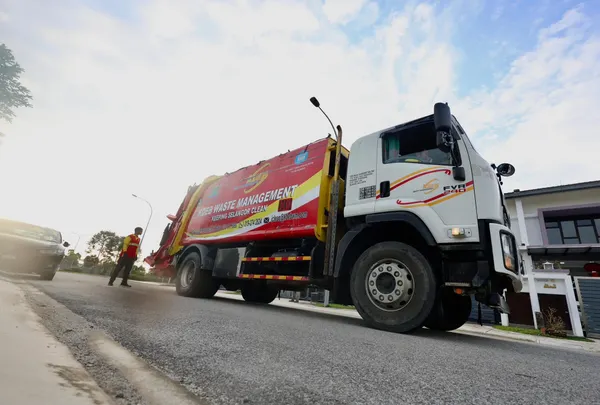
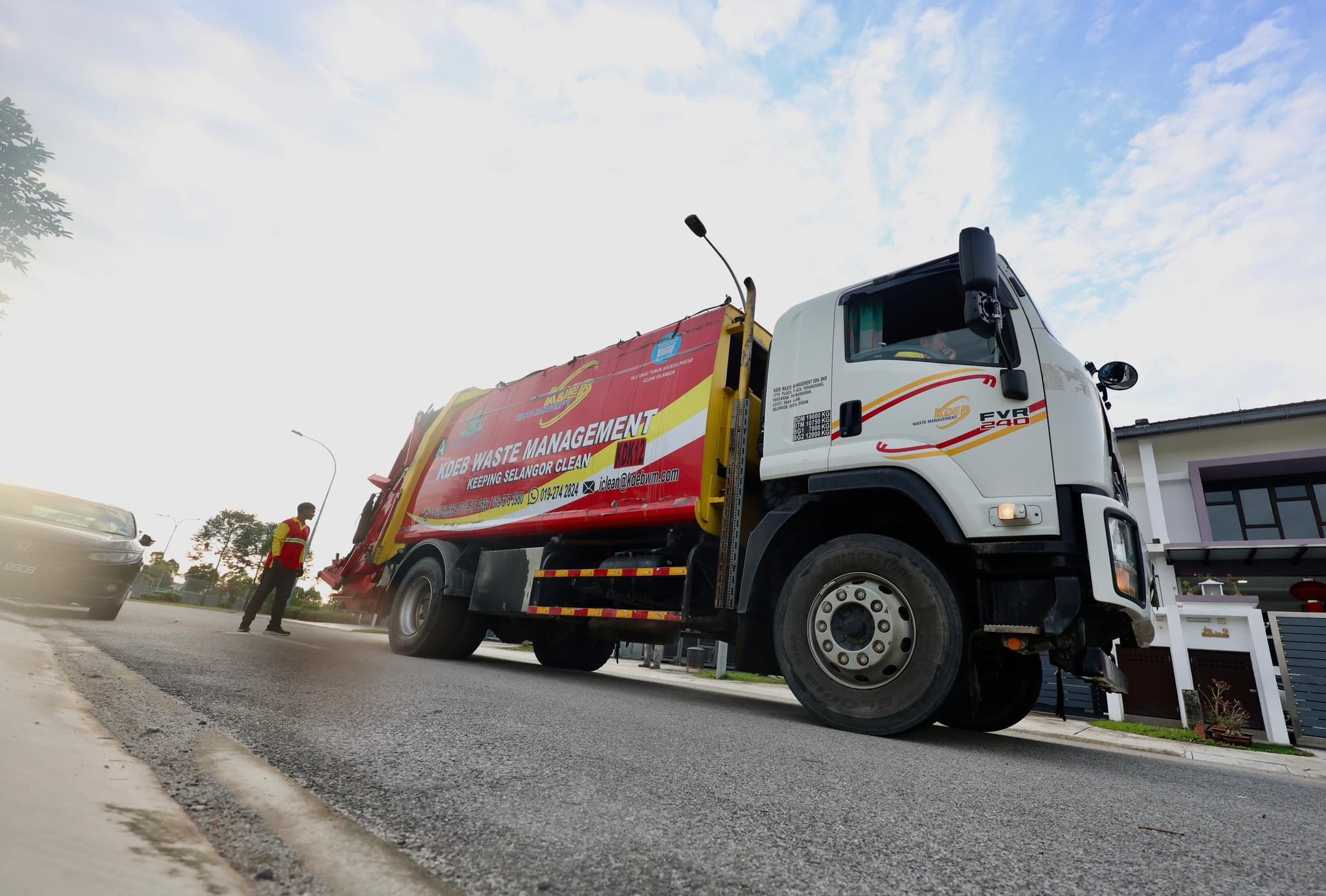
SHAH ALAM, April 4 — The state’s waste collection operations may be carried out earlier than the current schedule to avoid traffic congestion that contributes to higher diesel consumption.
KDEB Waste Management Sdn Bhd (KDEBWM) managing director Datuk Ramli Mohd Tahir said the revised schedule would involve collection work in industrial, commercial and institutional areas.
“If we previously start at around 7am, the roads are already congested with parked vehicles, preventing lorries from passing through and slowing down operations.
“When lorries remain longer in the operational area, the engines are kept running, leading to higher diesel consumption. Therefore, we are reviewing whether operations should be carried out earlier.
“For example, we may enter commercial areas as early as 5am so that operations can be completed earlier before moving to residential areas where there is less disruption,” he said during Media Selangor’s Bicara Semasa programme.
Ramli said the company is also analysing data on low-waste collection areas, such as rural locations, so that lorries do not need to be deployed daily, thereby reducing diesel consumption.
Retail diesel prices in Peninsular Malaysia continued to rise to RM6.02 per litre for the period of April 2 to 8, amid the ongoing global energy crisis. This marks an increase of 50 sen from the previous rate of RM5.52 per litre.
Ramli also urged residents to put out their waste earlier to ensure smoother collection operations, while also reducing waste generated at home.
He added that about RM400 million has been invested in recent years to strengthen logistics, ensuring waste management services are more efficient, sustainable, resilient and competitive.
He said the investment includes the use of more efficient, high-powered vehicle engines that help reduce emissions.
“From the beginning, we calculated the number of households, shop lots, flats, strata properties and village homes in Selangor. We then designed an optimal contract for each lorry to carry out its work.
“The lorries are also equipped with vehicle monitoring systems that track daily mileage, distance travelled, speed and number of stops. All this data is recorded.
“We also plan routes to ensure maximum efficiency, avoiding time wastage, long waits or traffic congestion. This allows all routes to be completed faster and helps reduce costs,” he said.