
SHAH ALAM, April 1 — Local firms are expected to feel the impact of a work-from-home (WFH) policy, although the effect would be less severe than during the COVID-19 pandemic, said Malaysian Employers Federation (MEF) president Datuk Syed Hussain Syed Husman.
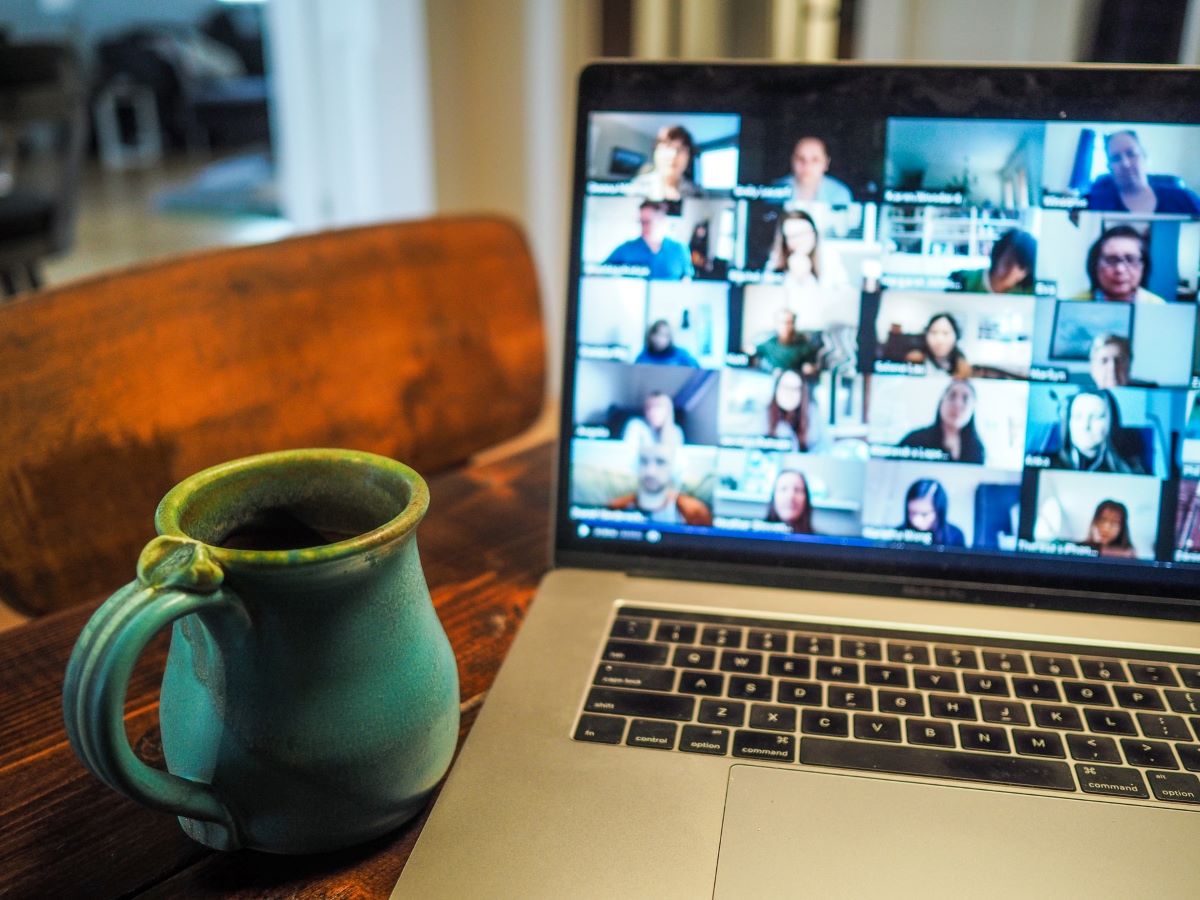
He noted that during the pandemic, companies faced challenges such as productivity inconsistencies across sectors, increased mental health and work-life balance concerns among employees, coordination and communication gaps, and additional costs for technology and cybersecurity.
Nonetheless, he said WFH arrangements had positive impacts on many companies, including business continuity, reduced operational and commuting costs, and accelerated digital adoption.
“In the event WFH is implemented in response to the current West Asia conflict, similar patterns may emerge, although likely less severe given improved preparedness,” he told Media Selangor.
Syed Hussain was commenting on proposals for companies to adopt WFH policies amid the current West Asia conflict, which has driven up global oil prices.
On March 26, Prime Minister Datuk Seri Anwar Ibrahim said WFH would be selectively allowed for civil servants, and encouraged the private sector to adopt similar arrangements.

To reduce the impact of WFH on businesses, Syed Hussain suggested government support measures including tax incentives and grants for digitalisation and remote work infrastructure, and training for both businesses and employees in managing hybrid work.
He also proposed clear policy frameworks to prevent uncertainty in implementation, and targeted assistance for micro, small, and medium enterprises (MSMEs), which are more vulnerable to transition costs.
“MEF emphasises that WFH should be viewed as part of a flexible work arrangement (FWA) strategy, not as a mandatory solution.
“A balanced, sector-sensitive and phased approach is critical to ensure both business sustainability and employee well-being in navigating current global uncertainties,” Syed Hussain said.
He added that MEF continues to advise companies on FWA, in compliance with the Employment Act 1955.
“During COVID-19, MEF provided advisories and guidance to assist employers in managing remote work arrangements, including compliance with labour laws and practical HR considerations.
“Rather than a rigid one-size-fits-all guideline, MEF promotes principle-based guidance, allowing companies to tailor their FWA policies according to operational realities.”
Moving forward, Syed Hussain said, MEF will continue to improve guidelines as needed, particularly in response to changing economic conditions, digital transformation, and workforce expectations.