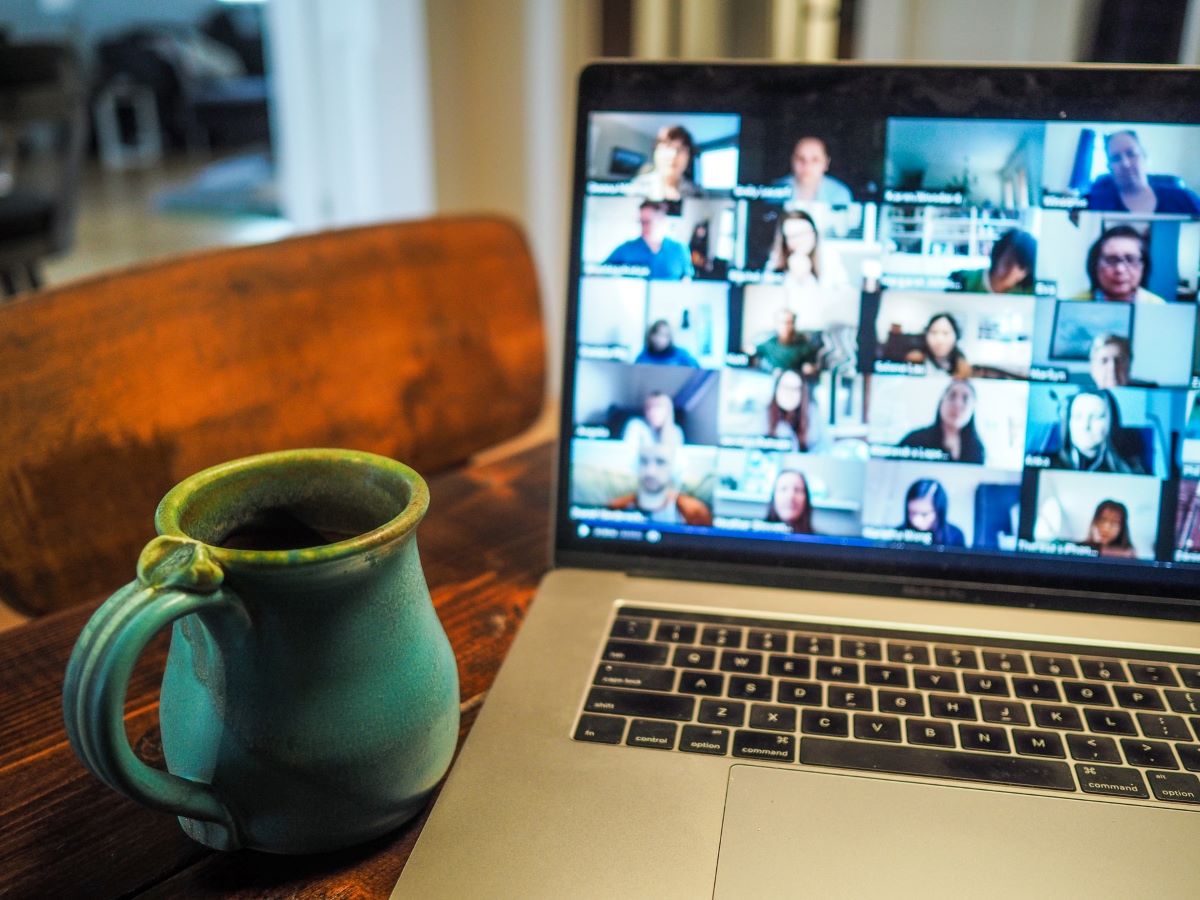
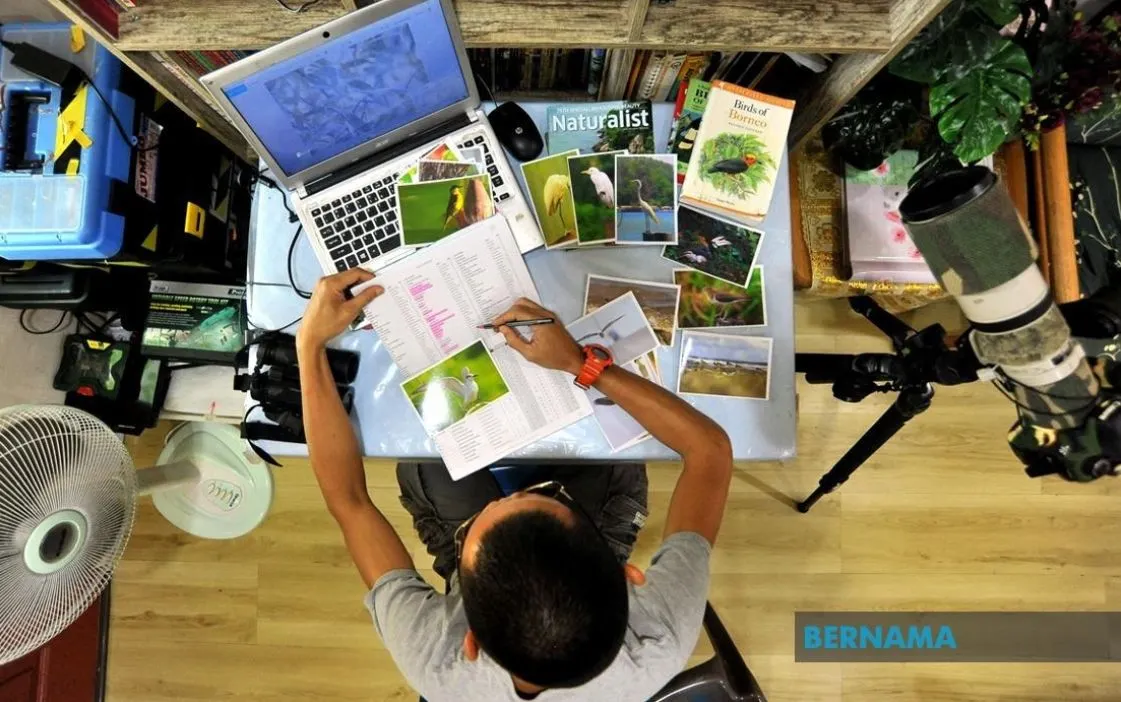
SHAH ALAM, May 2 — The work-from-home (WFH) policy that started on April 15 amid effects of the West Asia conflict has again uplifted this practice as a modern working norm, but problems that arise are due to outdated organisational work approaches, said an expert.
Universiti Teknologi MARA (UiTM)’s Business Management Faculty lecturer Assoc Prof Muhamad Khalil Omar said the main challenge of WFH is a company’s failure to adapt work systems with current needs.
He explained that many organisations haven’t undertaken comprehensive transformation, especially in human resources management, technology use, and data-based performance assessments.
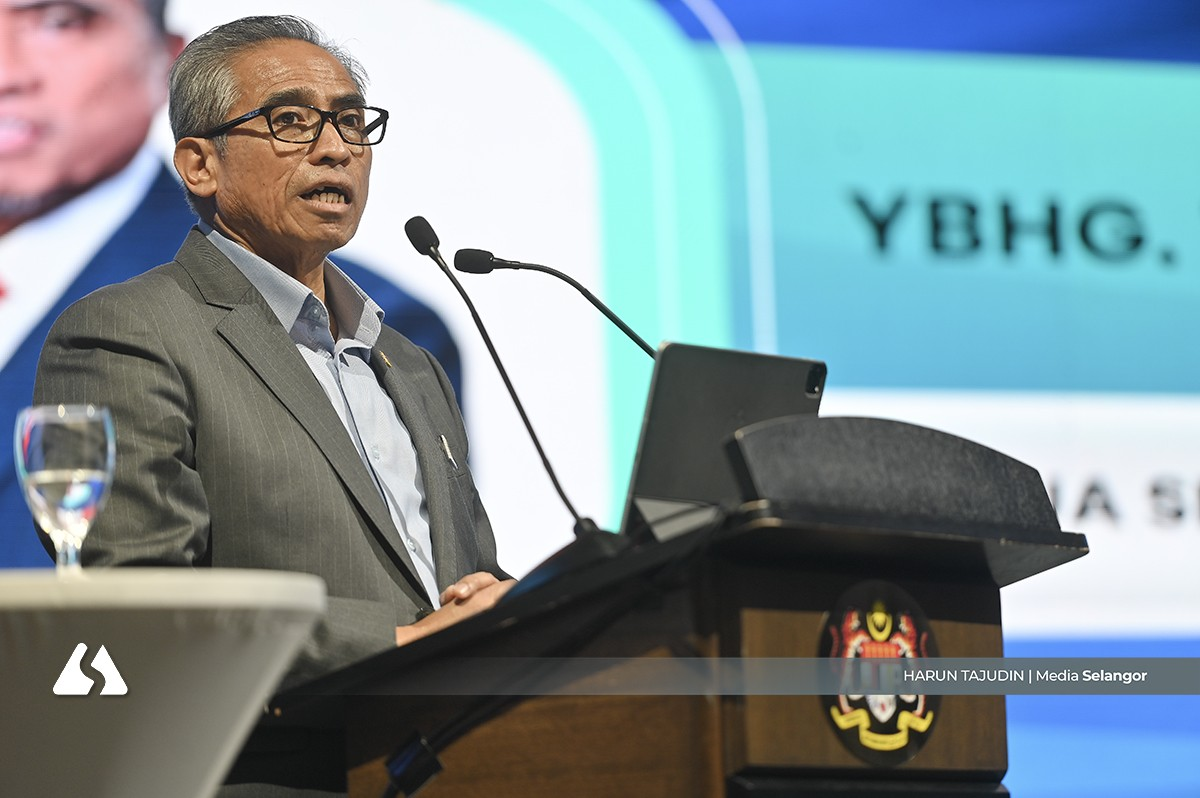
“Our work systems aren’t ready, and still use the old ways, and the working world now must move towards a more flexible, digital and strategic path so organisations aren’t left behind,” he said during Media Selangor’s Bicara Semasa segment titled “WFH: Still Don’t Trust Employees?”.

Bosses still value presence, not output
When talking about WFH, the issue of productivity often arises, especially among bosses still sceptical of the effectiveness of flexible work arrangements.
Khalil said this perception stems from weaknesses in managerial systems, not worker attitude.
“Employers still tend to (emphasise) physical presence, when in the WFH context, what’s more important is work output.
“If job descriptions are unclear, monitoring systems are nonexistent, and communication doesn’t go two ways, it is difficult for employers to trust employees.
“Data-based systems could lower negative perceptions and, at the same time, help build trust between employer and employee,” he added.

Weak systems up burnout risk
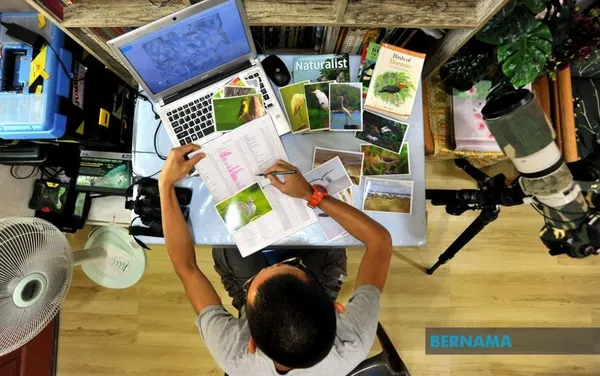
Employers’ failure to establish a clear work system could affect employees’ welfare as the line between work and personal life blurs.
Khalil said some bosses expect their workers to be on standby even outside work hours, which he called an inappropriate approach.
“If at the office we limit work to eight hours, why is it that at home it becomes 24 hours? This is the wrong move.
“Without work-life balance, not only would performance decline, but it would affect individual well-being,” he said, adding that this could lead to burnout.
He added that this could affect employees’ motivation in the long term if bosses don’t mitigate it with policies and clear support.
WFH works with system-trust balance
Khalil emphasised that WFH can only be effective if there is a balance between clear work systems and employer-employee trust, and suggested practices to keep employees productive like establishing work discipline, communicating openly, and respecting break times.
He said both employers and employees must play a role in ensuring WFH isn’t just a temporary alternative, but a sustainable work model.
“If employees and employers are both committed, not only could WFH be done well, but it could increase overall productivity,” Khalil said.