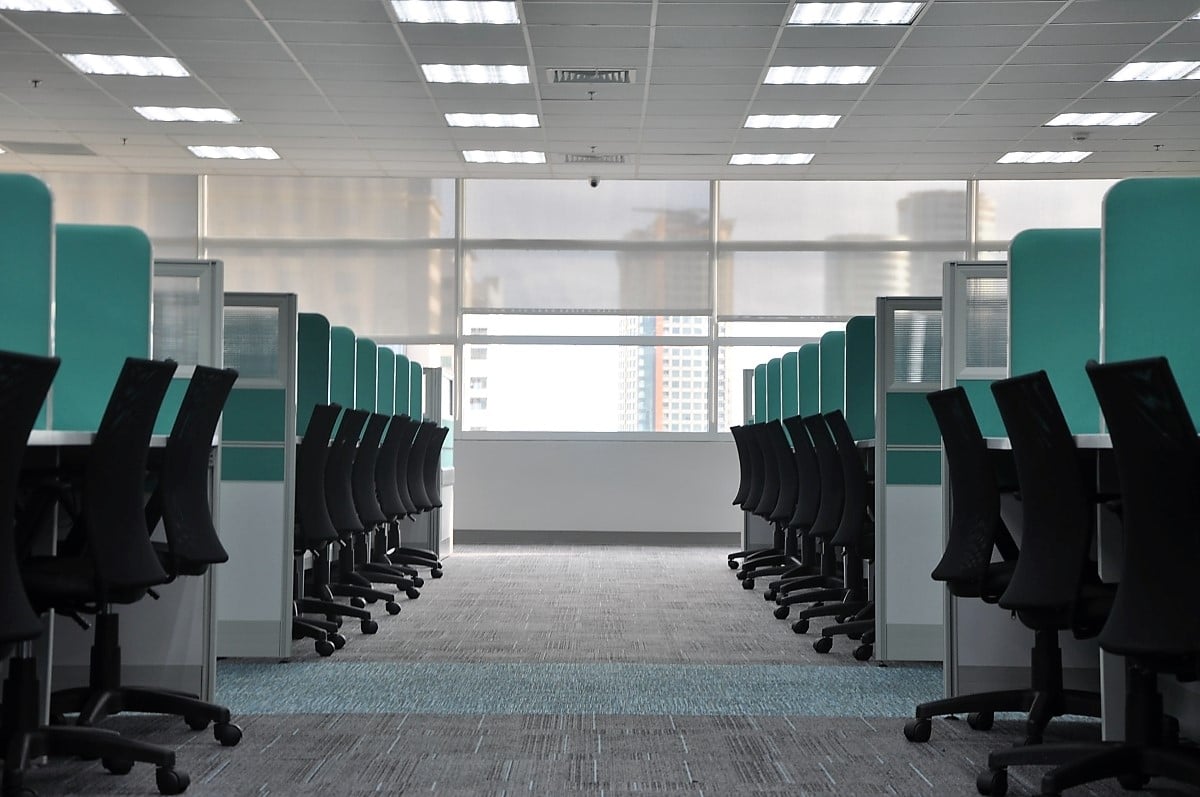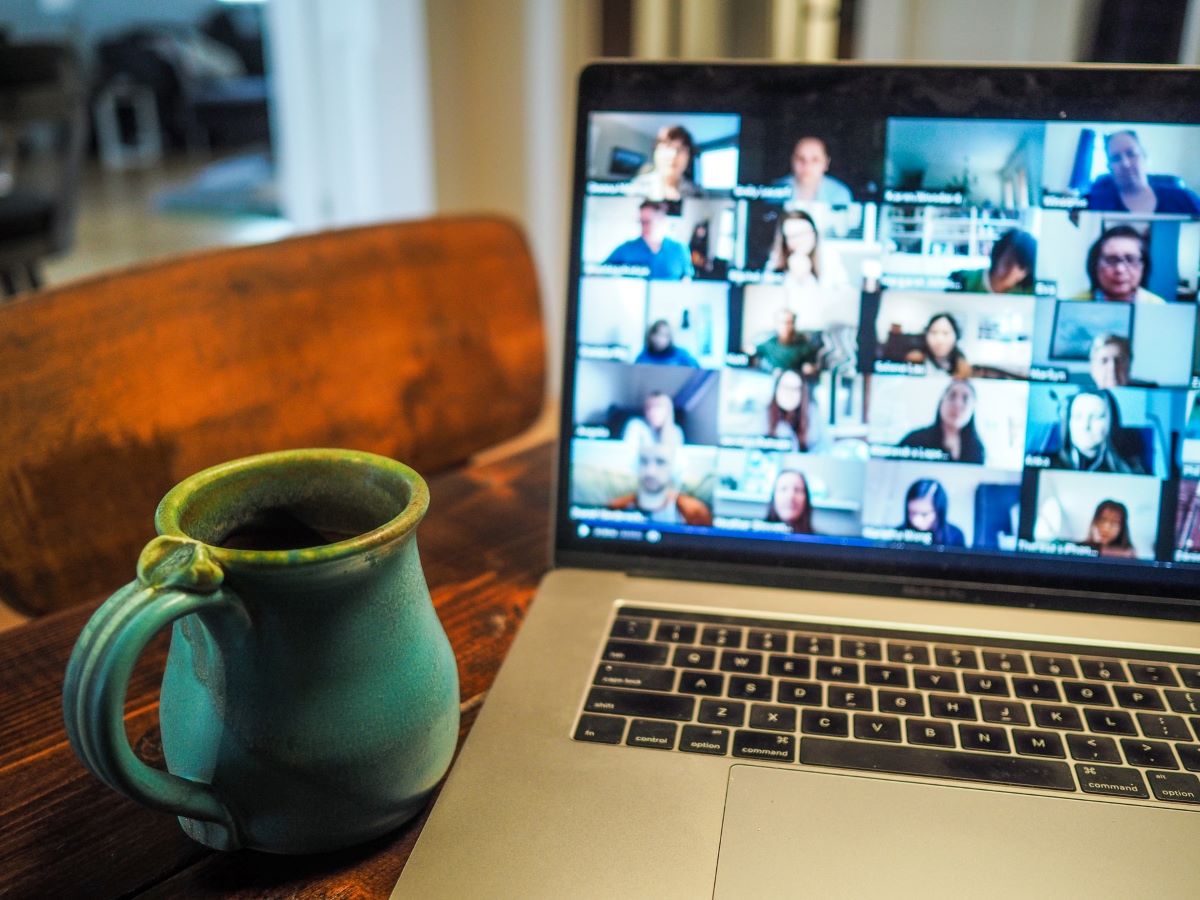

SHAH ALAM, April 1 — Larger enterprises are better positioned to implement work-from-home (WFH) arrangements than smaller companies, which may face challenges if the policy is rolled out nationwide, said the Malaysian Employers Federation (MEF).
MEF president Datuk Syed Hussain Syed Husman said unlike larger organisations, which have established digital systems and hybrid work policies, micro, small and medium enterprises (MSMEs) will encounter hurdles in terms of cost, infrastructure, and workforce adaptation.
“WFH is more feasible as part of a hybrid and flexible work arrangement (FWA), rather than full-scale implementation across all sectors,” he told Media Selangor.
Syed Hussain was commenting on proposals for companies to adopt WFH policies amid the current West Asia conflict, which has driven up global oil prices.
On March 26, Prime Minister Datuk Seri Anwar Ibrahim said WFH would be selectively allowed for civil servants, and encouraged the private sector to adopt similar arrangements.
Menteri Besar Dato’ Seri Amirudin Shari, meanwhile, said the Selangor government will decide on a WFH policy next week after reviewing the outcomes of two key meetings.
He is set to host an engagement session with various stakeholders, including oil and gas operators, economists and financial institutions, today, followed by a special meeting with Anwar and other state leaders tomorrow.

Syed Hussain said many employers are hesitant to implement WFH due to practical considerations such as operational limitations, as not all sectors, such as manufacturing, logistics, retail, and hospitality, can operate remotely.
He said other concerns include productivity and supervision, with some employers facing challenges in maintaining output and accountability, while the transition to digital systems, cybersecurity measures, and remote infrastructure would also involve significant costs.
He added that prolonged WFH arrangements would affect workplace cohesion, especially in terms of collaboration, training, and company culture.
He said that while the COVID-19 pandemic provided valuable lessons on how companies may adopt remote work, challenges persist.
“WFH during the pandemic was largely crisis-driven and temporary, often implemented without full optimisation. Some companies experienced declines in productivity, innovation, and employee engagement over time.
“The transition highlighted gaps in digital readiness, management capability, and policy frameworks.”
Syed Hussain said WFH now should be refined, structured, and better aligned with long-term business strategies, rather than replicated in the same manner as during the COVID-19 pandemic.