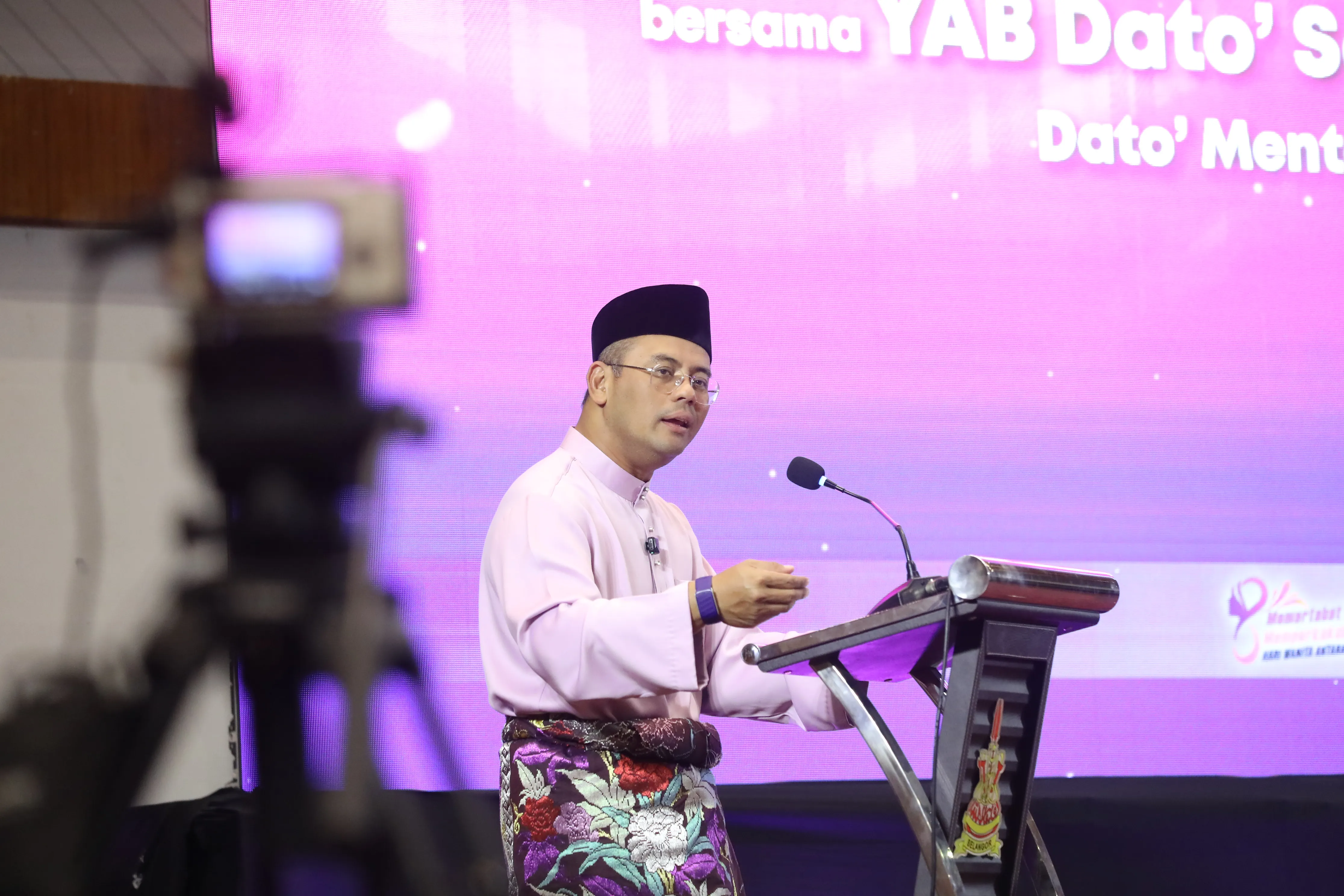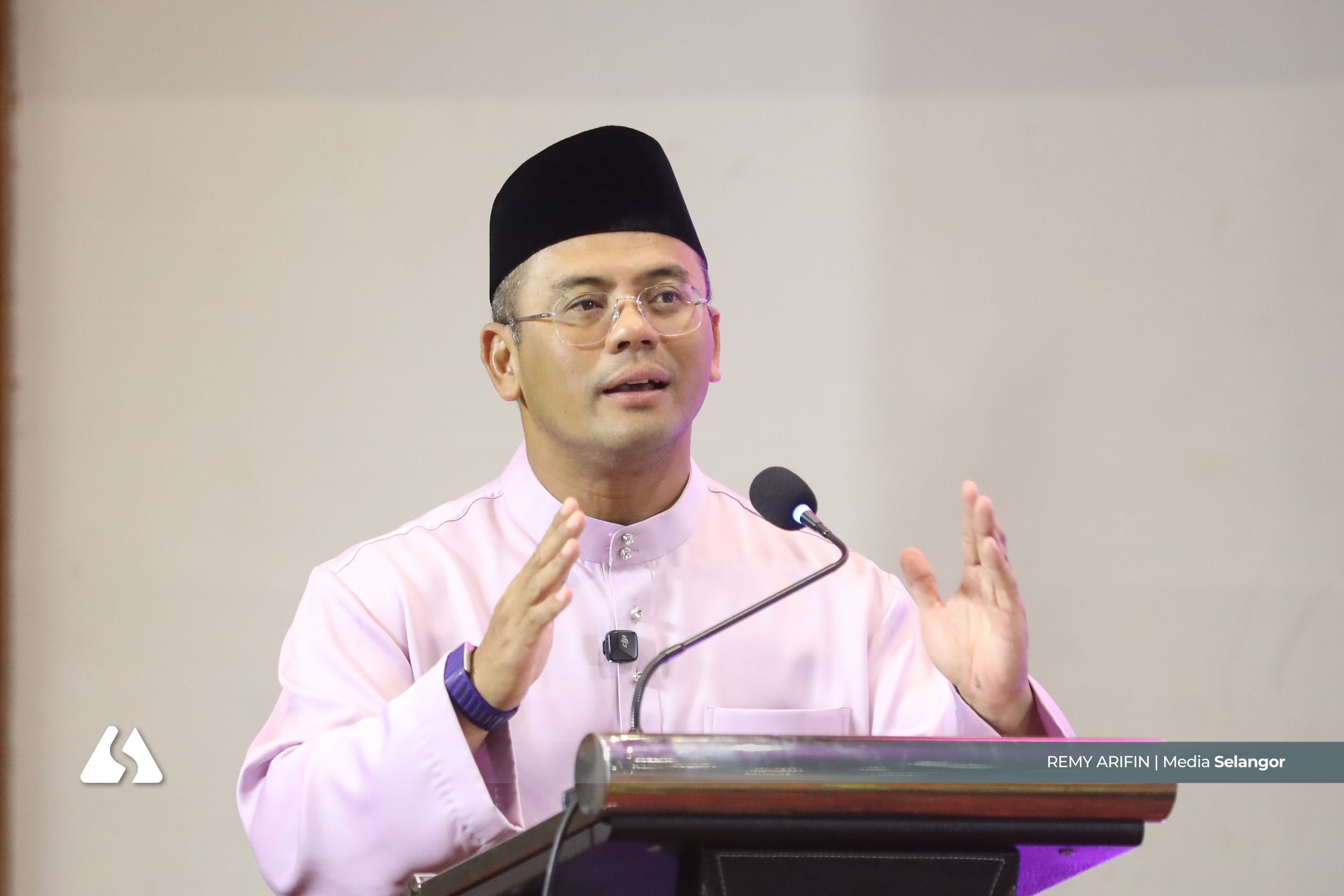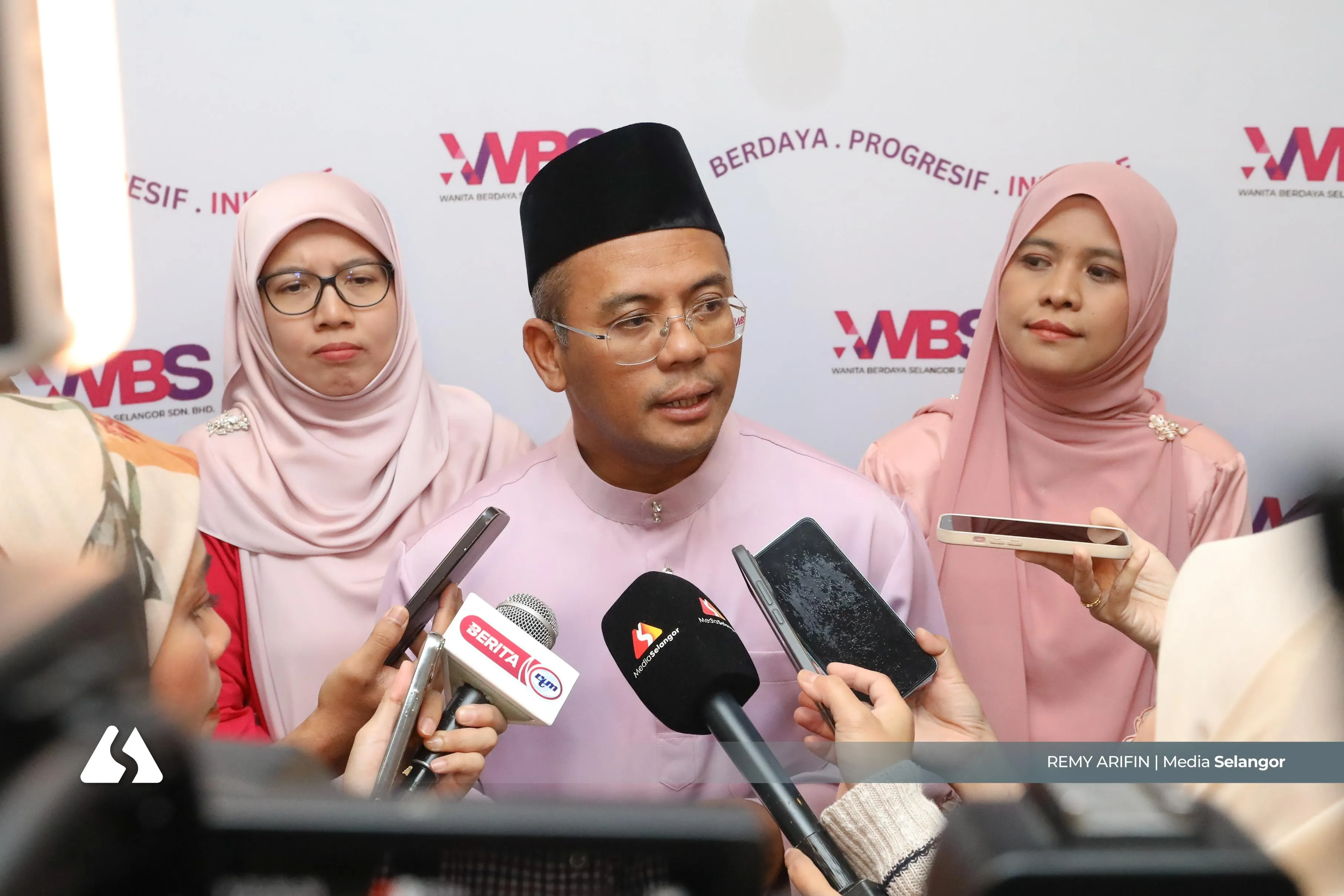



HULU LANGAT, March 31 — Selangor is bracing for geopolitical uncertainties in West Asia and the El Niño phenomenon, emphasising the need for cooperation among all parties to ensure the state’s economic stability.
Menteri Besar Dato’ Seri Amirudin Shari said Selangor has weathered multiple crises since 2020, including political turmoil, a health crisis and major floods in 2021, but has managed to rebound as a key contributor to the national economy.
“In 2020, we faced multiple crises such as political and health crises, and in 2021 we faced a natural disaster when nearly all districts in Selangor were hit by floods.
“However, due to our resilience, we were able to recover and became the country’s largest economic contributor in 2024,” he said when officiating the reopening of Puncak Ampang Look Out Point (ALOP) here last night.
The event was also attended by tourism executive councillor Dato’ Ng Suee Lim; Selangor State Legislative Assembly Speaker Lau Weng San; Tourism Selangor chief executive officer Chua Yee Ling; as well as local leaders.

Amirudin stressed that no party can afford to be complacent under current conditions and must instead work harder to ensure continued economic stability.
He said Selangor’s position as the backbone of the national economy requires the state to act swiftly in facing any challenges.
“Why must we act quickly? If we falter, all national economic indicators will reflect negative impacts. This is Selangor’s national responsibility,” he said.
Meanwhile, he praised the management of Air Selangor for successfully avoiding water supply disruptions this year, particularly those caused by pollution.
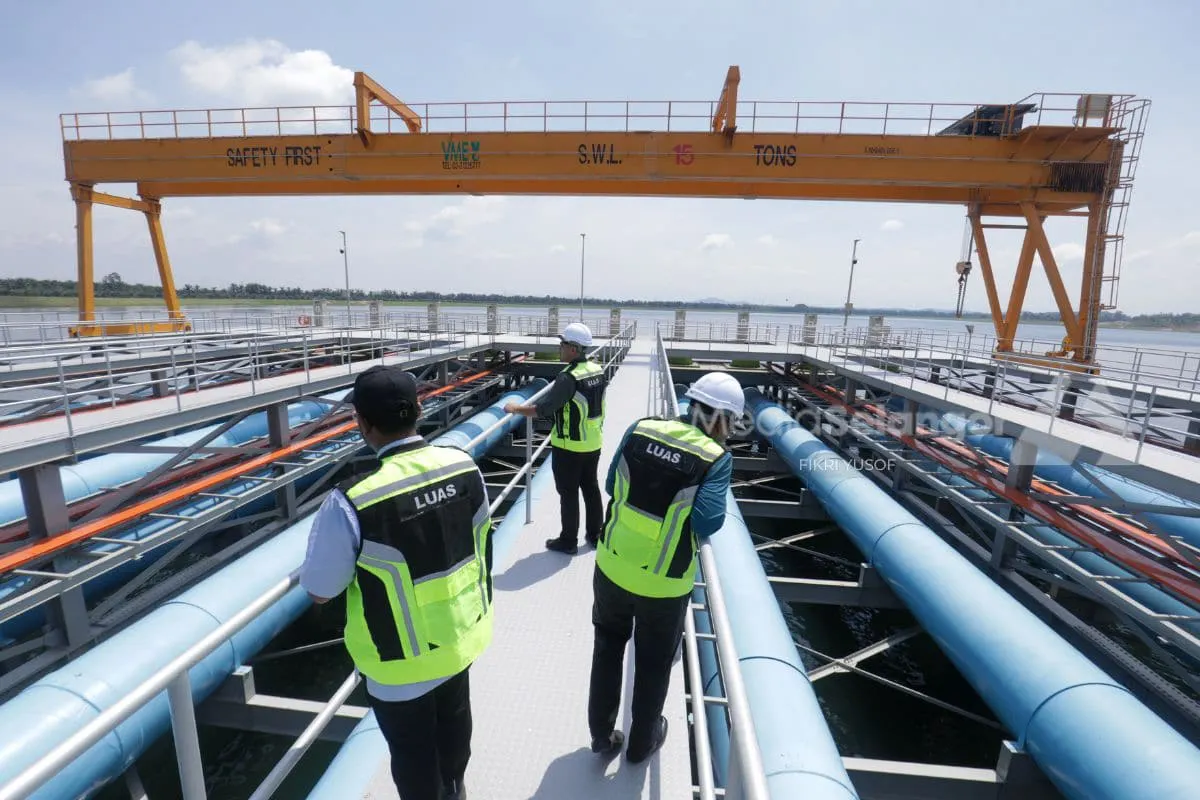
He said all reservoirs and dams in the state are expected to sustain supply for up to six months, ahead of the forecast El Niño phenomenon in the middle of the year.
“Last year, for the first time in history, we managed to avoid shutdowns or supply disruptions due to pollution. However, this also requires us to be more thorough in monitoring existing water resources,” he said.
Previously, climatology and climate change experts projected that the world could record its hottest temperatures due to El Niño and global warming this year.