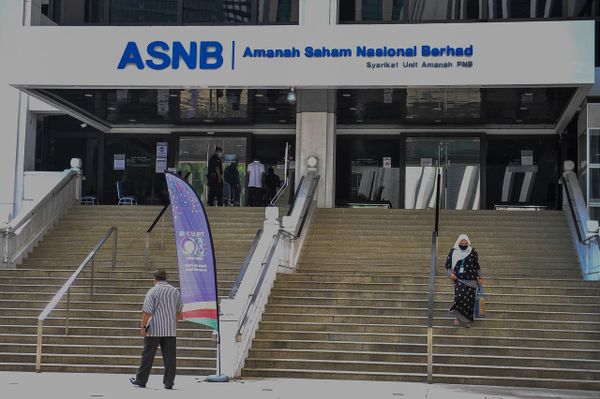
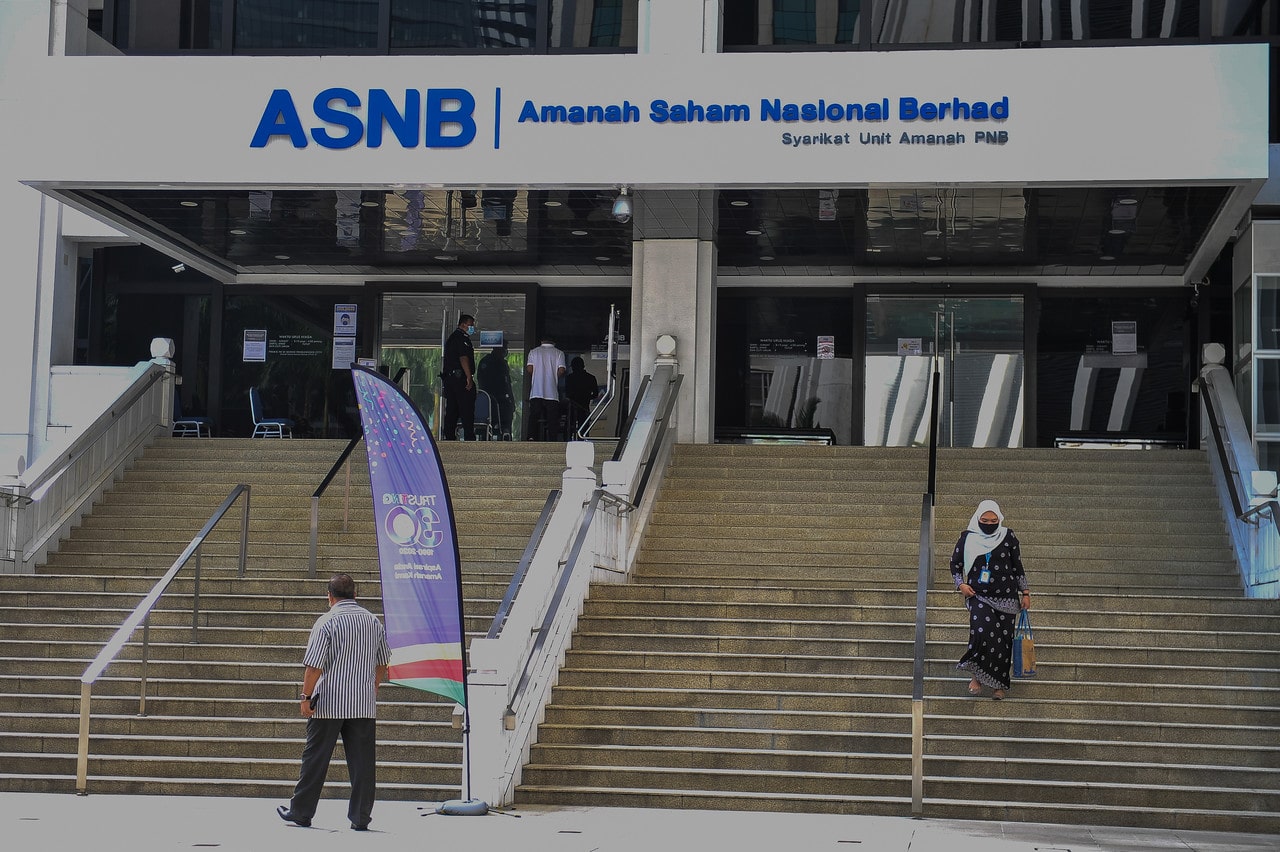
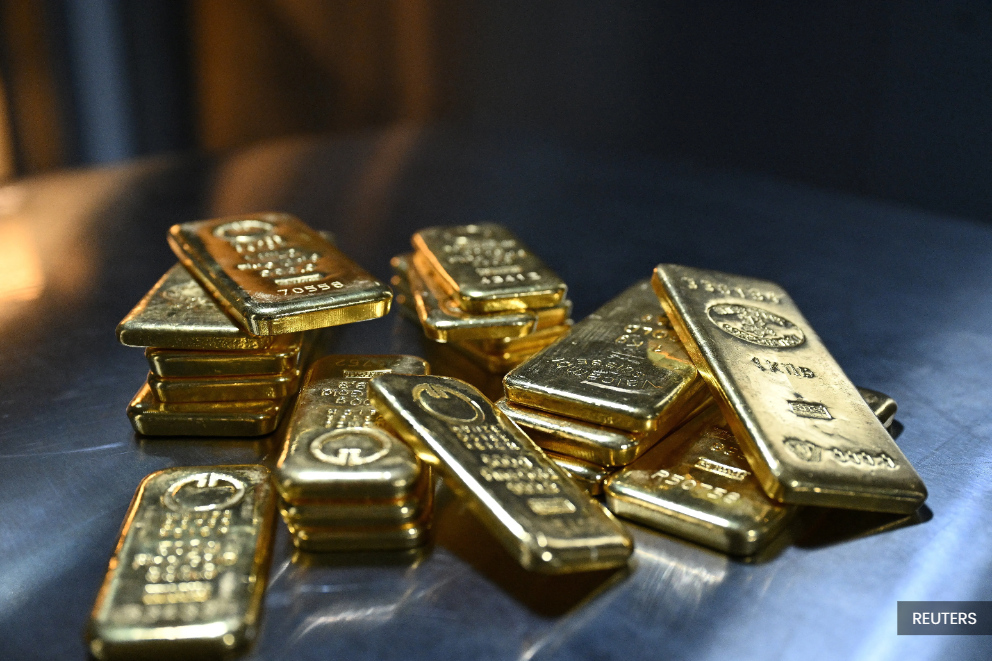
SHAH ALAM, March 29 — Malaysians are becoming more cautious in managing their finances, opting for savings instruments such as Amanah Saham Bumiputera (ASB) and gold to cope with the rising cost of living.
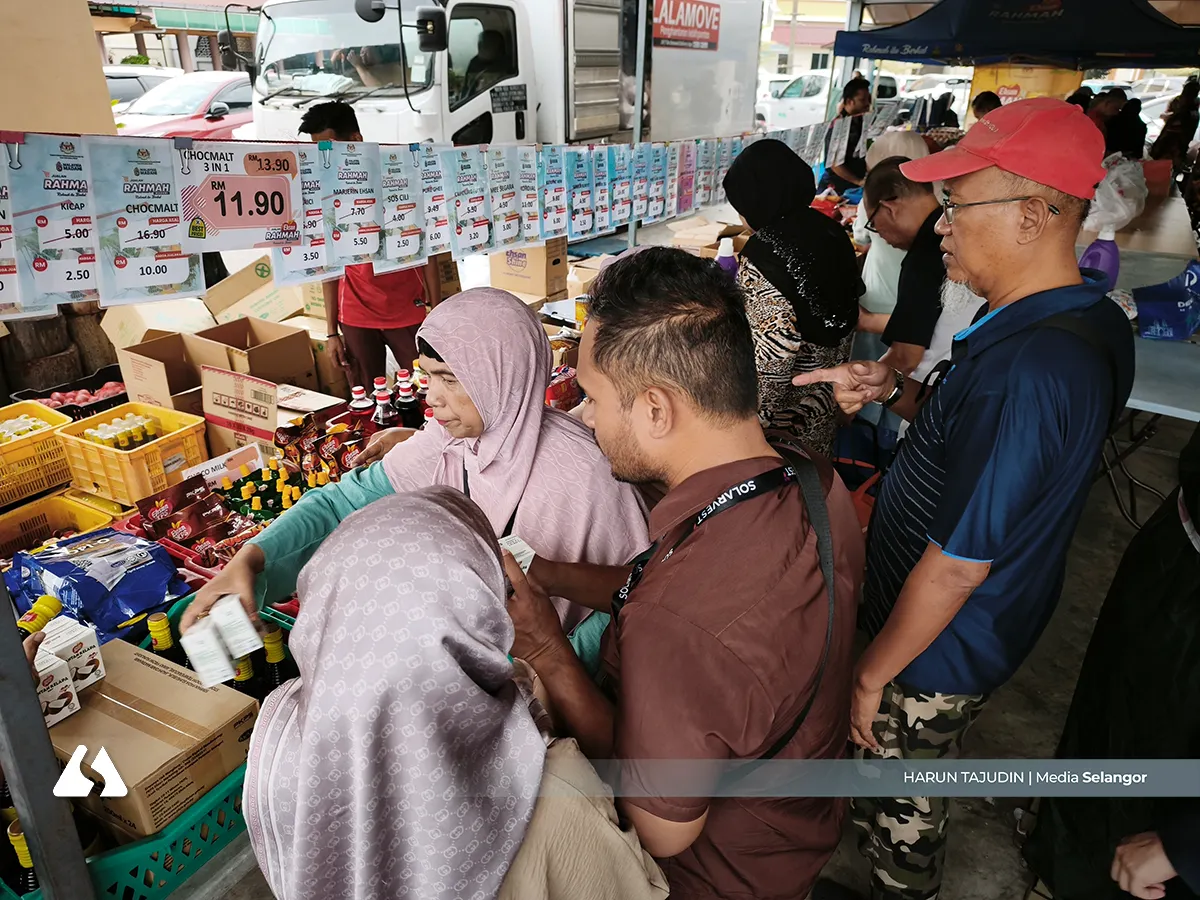
A Media Selangor survey around the Klang Valley found that people are increasingly cutting back on unnecessary spending while prioritising savings and long-term investments.
Retired teacher Ramlah Muhammad Ariff, 58, said she has chosen to be more prudent in her spending while investing in gold.
“In terms of daily finances, we try not to spend excessively or follow current trends such as buying viral items. I also purchase gold as savings for myself and my children in the future,” she said.

For private sector employee Ahmad Basri Roshadi, 34, investing in ASB serves as preparation for financial emergencies.
“I usually set aside 10 per cent of my monthly income to be saved in ASB or gold as among my main savings options at present.
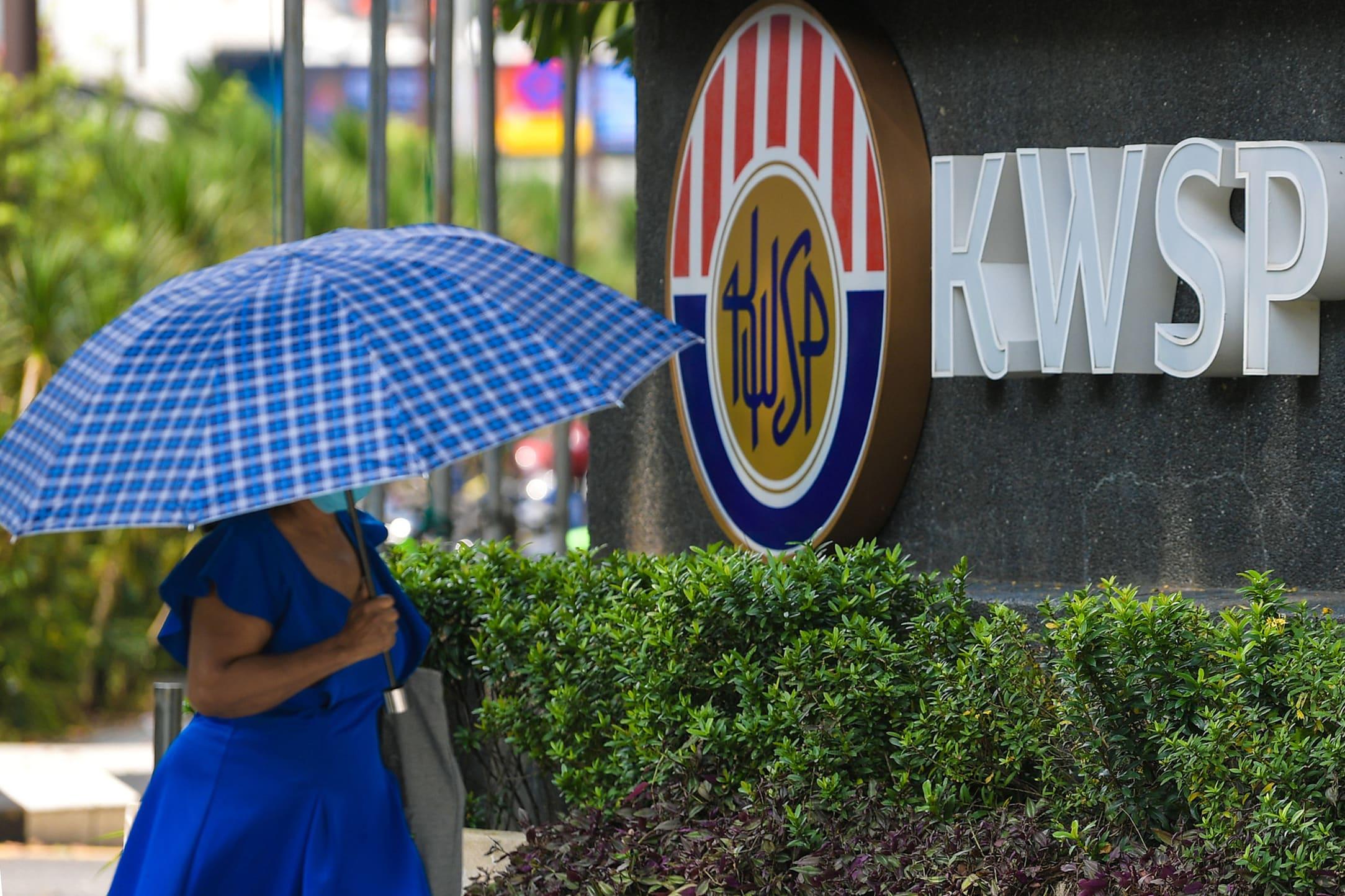
“In addition, I also plan three to four other forms of savings such as the Employees Provident Fund (KWSP) and property,” he said.

Meanwhile, government officer Av. Gopal, 51, said he practises financial discipline by allocating part of his income to emergency savings while also investing in property.
“I do have some savings, but more is channelled into property investments. For emergencies, I have income from house rentals and also set aside part of my salary as savings.
“Regarding the issue of rising petrol prices, we need to look at it more openly and spend wisely, such as reducing unnecessary travel,” said the father of two from Selangor.

Similarly, retiree Muhammad Azhar Zailaini, 59, said he still has sufficient savings to cover his expenses.
“I have KWSP savings, Tabung Haji, and also a side job to support my expenses as the economic situation is quite challenging,” he said.
Azhar added that rising oil prices are not due to the failure of any particular government, but are also being experienced by other countries due to international conflicts.
“It cannot be denied that war has a major impact on the world, not just Malaysia. What will happen next is unpredictable, so we need to be frugal in all spending,” he said.

Another respondent, private sector employee Jo Ahmad, 59, said he does not rely entirely on KWSP and emphasised the importance of having alternative savings.
“Costs are rising, so alternative methods such as savings and small businesses are essential for emergencies,” he said.

On March 20, Prime Minister Datuk Seri Anwar Ibrahim urged Malaysians to adopt a modest and prudent lifestyle in their spending, particularly during Hari Raya Aidilfitri, following the West Asia conflict that has affected the global economy.
To this end, the government has taken adjustment measures, including aligning the usage limits of subsidised RON95 petrol under the BUDI95 programme.
Putrajaya is also considering more flexible working arrangements, including working from home, to adapt operations to current conditions following geopolitical conflicts in West Asia that are affecting the economy and cost of living.