SHAH ALAM, March 21 — A growing fatigue with instant, uniform visual outputs has driven a return to handmade creativity that feels more personal, emotional, skilful, and rooted in cultural identity.
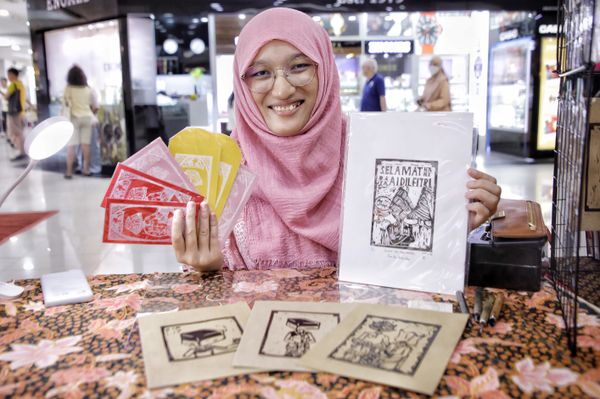
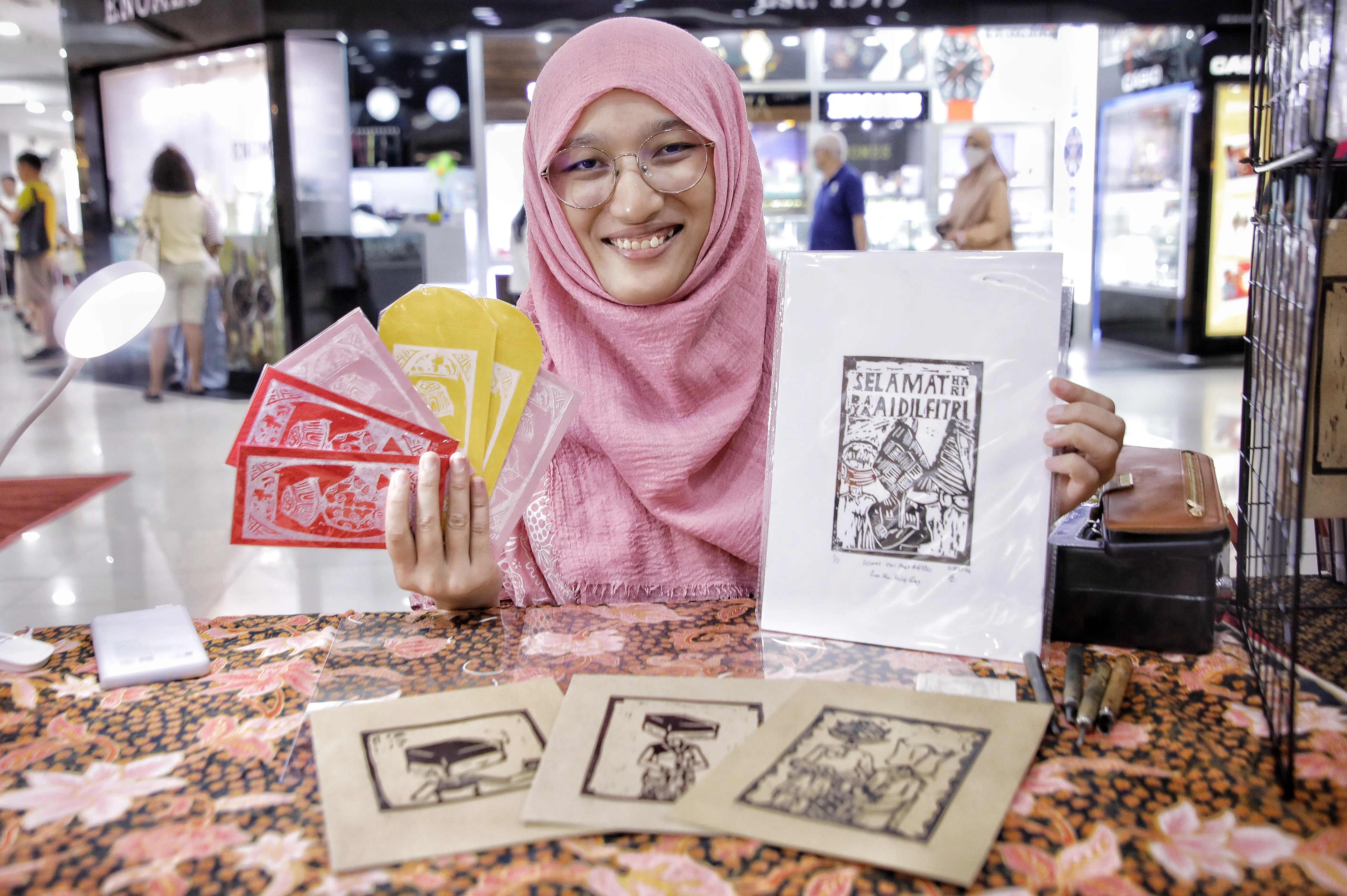
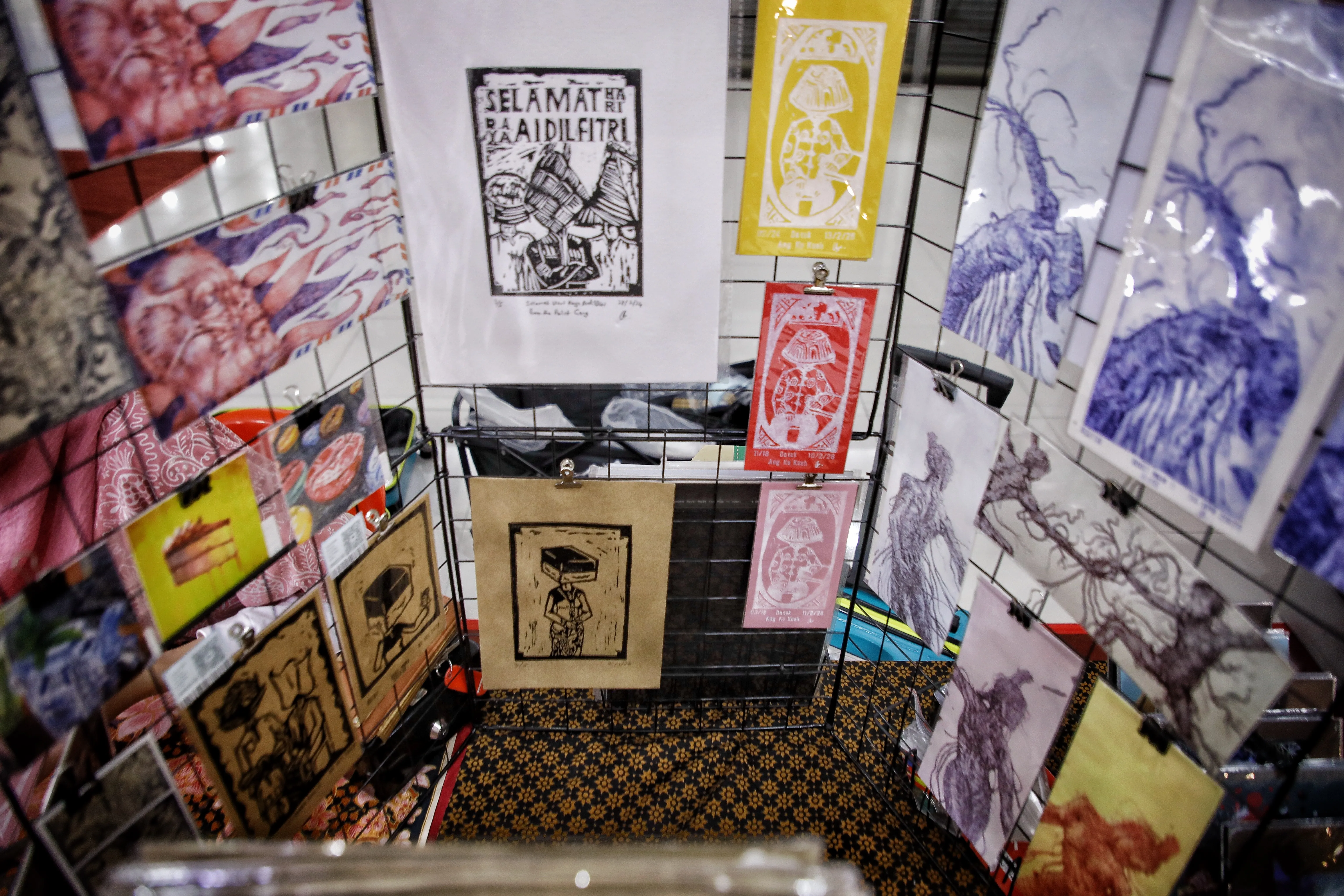
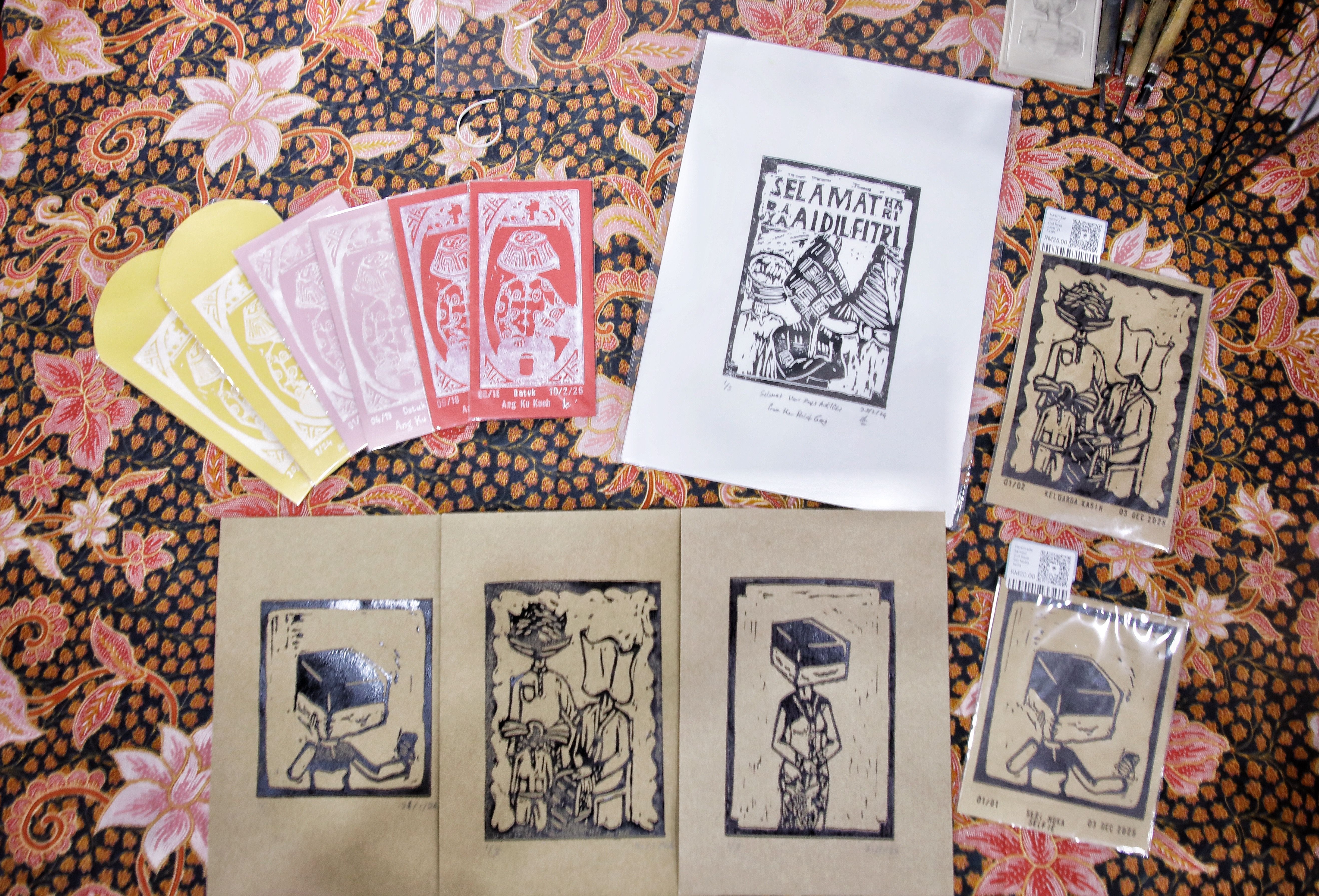
This inclination towards traditional elements is evident in artist Ana Alasri, who produces duit raya envelopes using the linocut printing technique, with a concept called 'kuih atas kepala', combining human characters with traditional Malay delicacies.
The approach is not only eye-catching and entertaining, but also revives the heritage of local kuih as symbols of culture and identity within the Malay community in Malaysia.
“When people grow tired of instant things, they return to the traditional because they want to feel the soul of something made by human hands,” she told Media Selangor.
Although QR code transfers are increasingly common and considered more convenient in line with modern developments, the 30-year-old believes that affection for physical duit raya envelopes remains strong and continues to evoke nostalgia.
“When you give physical envelopes to older people or relatives, they are happier and can keep them as mementoes,” Ana said.
The 'kuih atas kepala' idea is inspired by the work of Simryn Gill, who uses food symbolism to express identity and a sense of longing for one’s homeland; an influence that reshaped her artistic perspective.
Born in 1959, Simryn is a contemporary artist originally from Singapore, who is active in Port Dickson, Negeri Sembilan, and in Sydney, Australia.
She is well known for works that utilise everyday objects, recycled materials, and photography to explore themes of memory, history, and the relationship between humans and their environment.
Simryn's works have been exhibited in prestigious institutions worldwide, including the Tate Modern in London, the United Kingdom, and the Museum of Modern Art in New York, the United States.
In seeking a distinctive style that reflects Malaysian identity, Ana adapts this inspiration by highlighting traditional Malay kuih and festive dishes, thereby connecting art with cultural roots.
Behind each composition, every kuih or festive dish, including ketupat and lemang, is transformed into a human-like character with its own personality.
For example, kuih seri muka is illustrated as a radiant female character, while clothing and stylistic elements are tailored to reflect the cultural background of each kuih, including Baba-Nyonya influences.
“I want people to be amused by these 'kuih-headed' characters while also being reminded of traditional delicacies and their own cultural roots,” she said.
A test of patience
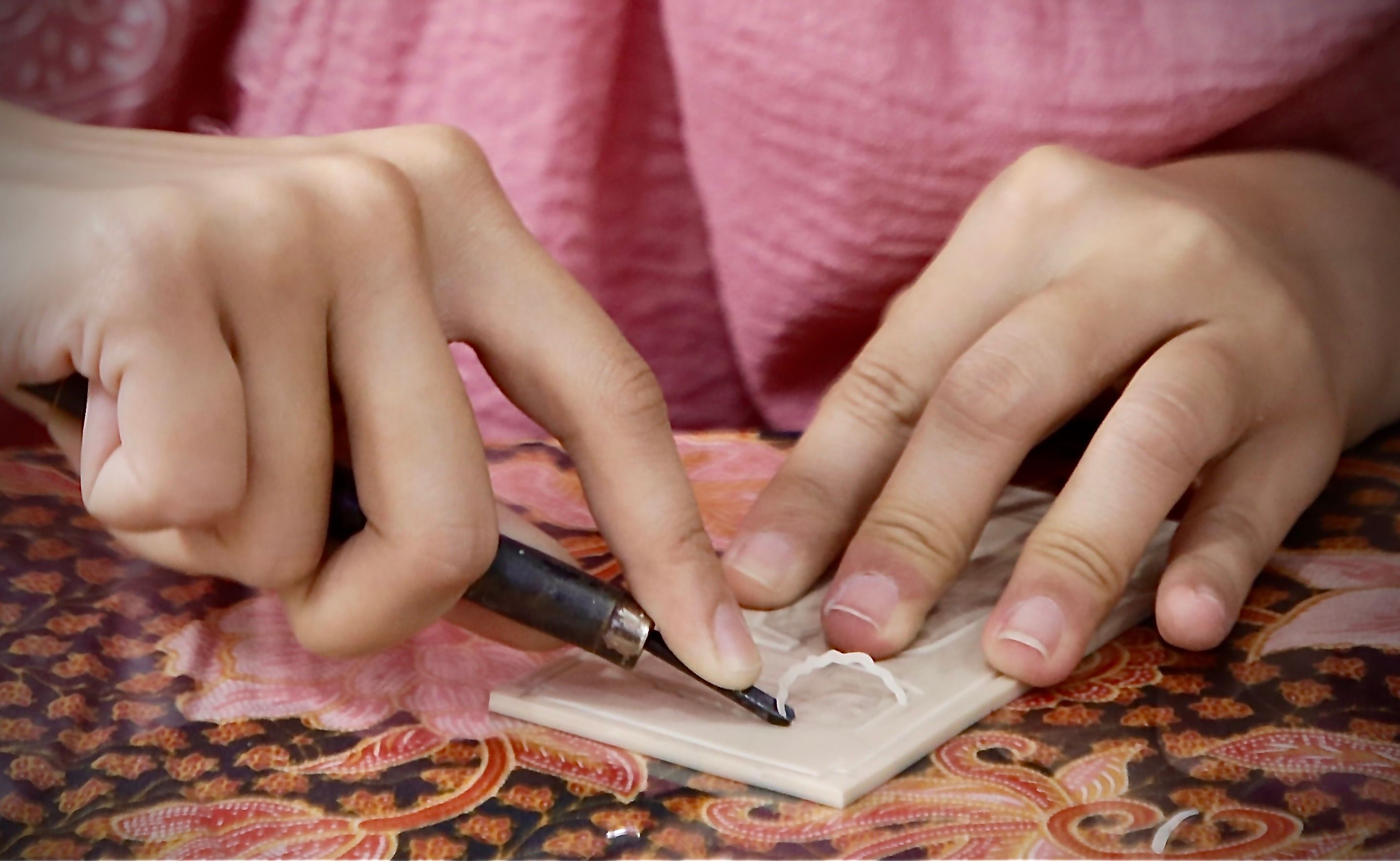
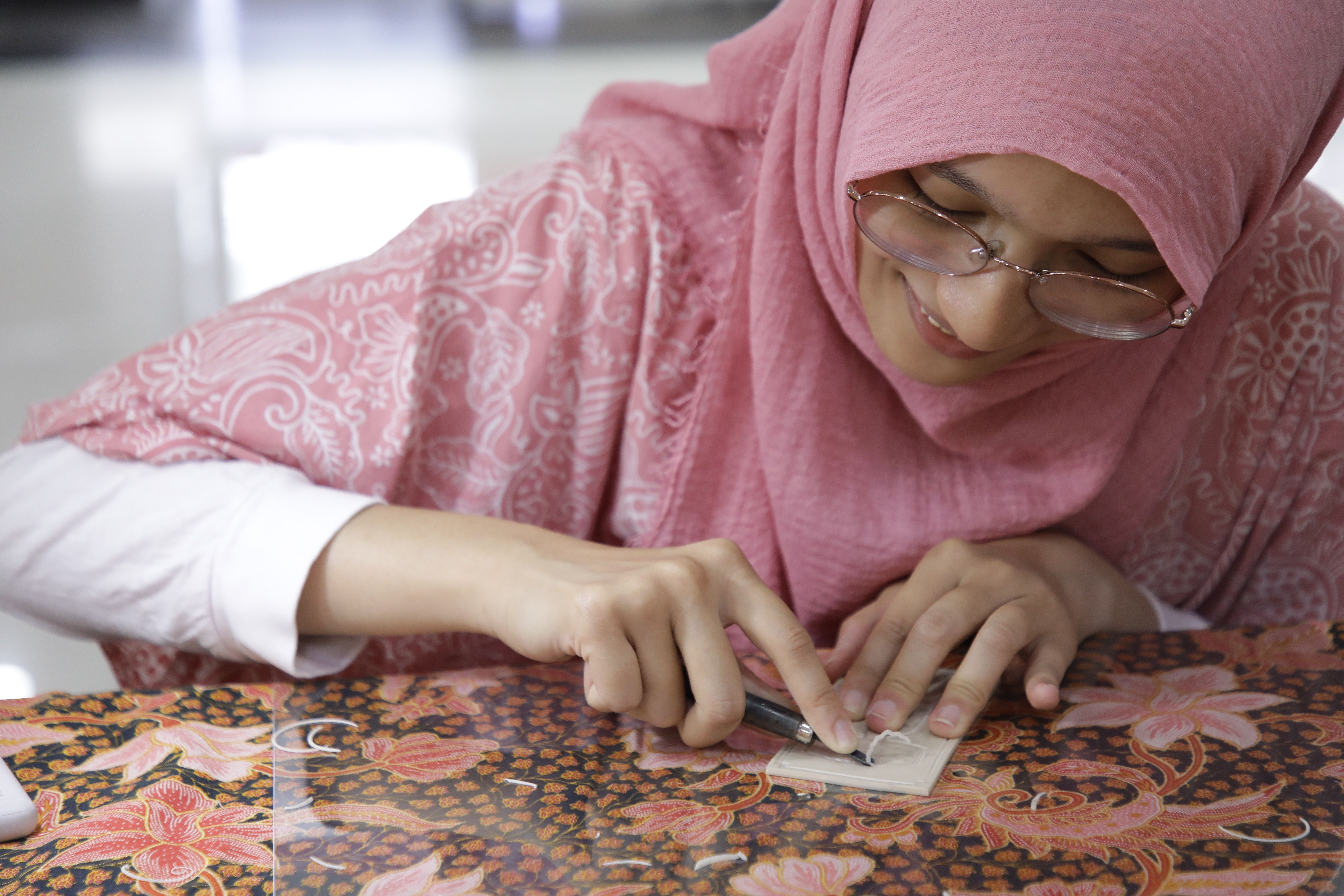
To create these works, Ana uses the linocut technique, carving designs into linoleum sheets before printing them with either water-based or oil-based inks.
Each envelope is produced individually, taking between two and seven days to complete. This makes every piece a limited edition with value as a work of fine art.
She acknowledges that traditional printing demands patience and precision, especially during drying, carving errors, and quality control, as not every print turns out perfectly. However, such minor imperfections are often embraced as part of the charm of handmade art.
“Some people do not mind and even appreciate slight imperfections, because if something is too perfect, it does not look handmade,” said Ana, who began nurturing her artistic talent at the age of six.
For this year’s Aidilfitri edition, she aims to produce several limited designs in sets and collections, while also accepting a limited number of custom orders.
Ana plans to create 300 printed pieces in the form of duit raya envelopes, greeting card envelopes, and A4-sized prints. Each piece is priced at RM25, reflecting the time-intensive manual process and material costs.
She hopes her artistic envelopes will help rekindle appreciation for local traditions, especially among younger generations who are heavily exposed to digital platforms.
“When people buy these envelopes, they are not just buying an envelope; they are learning about kuih, culture, and their origins,” Ana said.
At the same time, she has found that online sales have been more encouraging than physical ones. Ana's works are marketed through digital platforms and selected locations, with some buyers collecting them annually.
As an artist specialising in hand-printed duit raya envelopes, she believes that as long as society values fine art and handmade creativity, traditional printed envelopes will continue to thrive, even in an increasingly technology-driven world.