
SABAK BERNAM, March 13 — The land premium collection in the Sabak Bernam district increased to RM8.1 million last year, exceeding the annual Key Performance Indicator (KPI) target set.
Sabak Bernam District Officer Ali Sadikin Sadin said the Sabak Bernam District and Land Office recorded an achievement of 116.6 per cent for land premium collection.
“For land premium collection, the Sabak Bernam District and Land Office successfully collected RM8.1 million or 116.6 per cent of the KPI target set.
“Current land tax collection for 2025 recorded RM3.84 million or 90.2 per cent of the target, while parcel tax collection also exceeded the target with RM5,055, or 103 per cent,” he said.
Ali was speaking at the fast-breaking event hosted by the Sultan of Selangor with the people, along with the presentation of Hari Raya Aidifitri 1447H contributions, at Masjid Marzukiah in Kampung Lubuk Pusing yesterday.
He added that the district covers 1,004.33 square kilometres, or about 99,710 hectares, comprising five mukim, in addition to housing 79 traditional Malay villages and 12 fishing villages (kampung bagan), including four Indian communities that continue to preserve their respective customs and cultures.
Based on the Malaysia Statistics Department's 2025 census, Sabak Bernam has a population of about 110,500, with a growth rate of around 0.2 per cent annually.
Of the total, 81,300 residents are Malays, followed by 19,900 Chinese, 4,000 Indians, while other ethnic groups make up around 0.6 per cent.
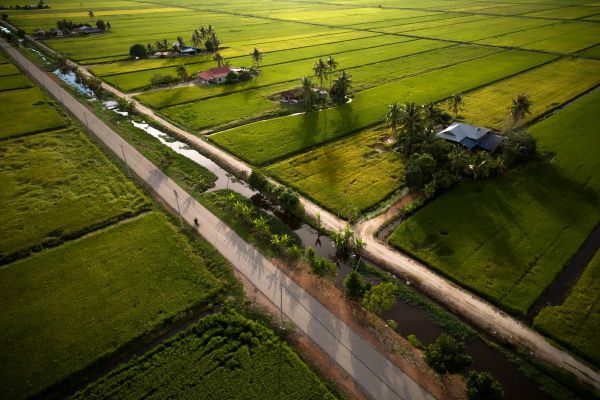
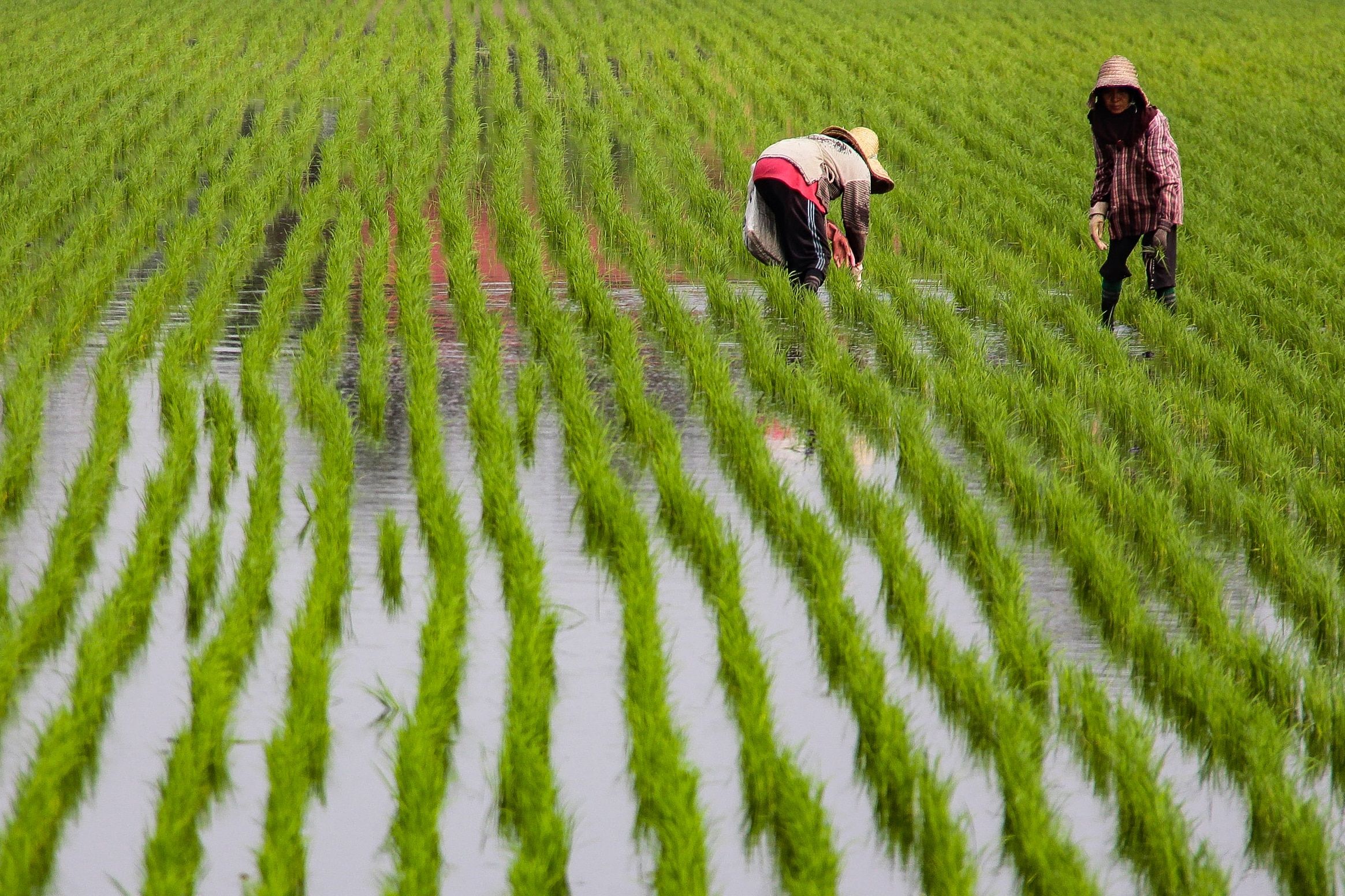
Ali noted that the district's socioeconomic structure remains centred on the rural economy, with agriculture as its main pillar. Sabak Bernam's paddy fields cover approximately 11,098 hectares, making it one of Selangor's important rice bowls.
Besides paddy cultivation, other agricultural activities include planting oil palm, coconut, and bananas, as well as livestock farming and food crop cultivation, which also contribute to the local economy.
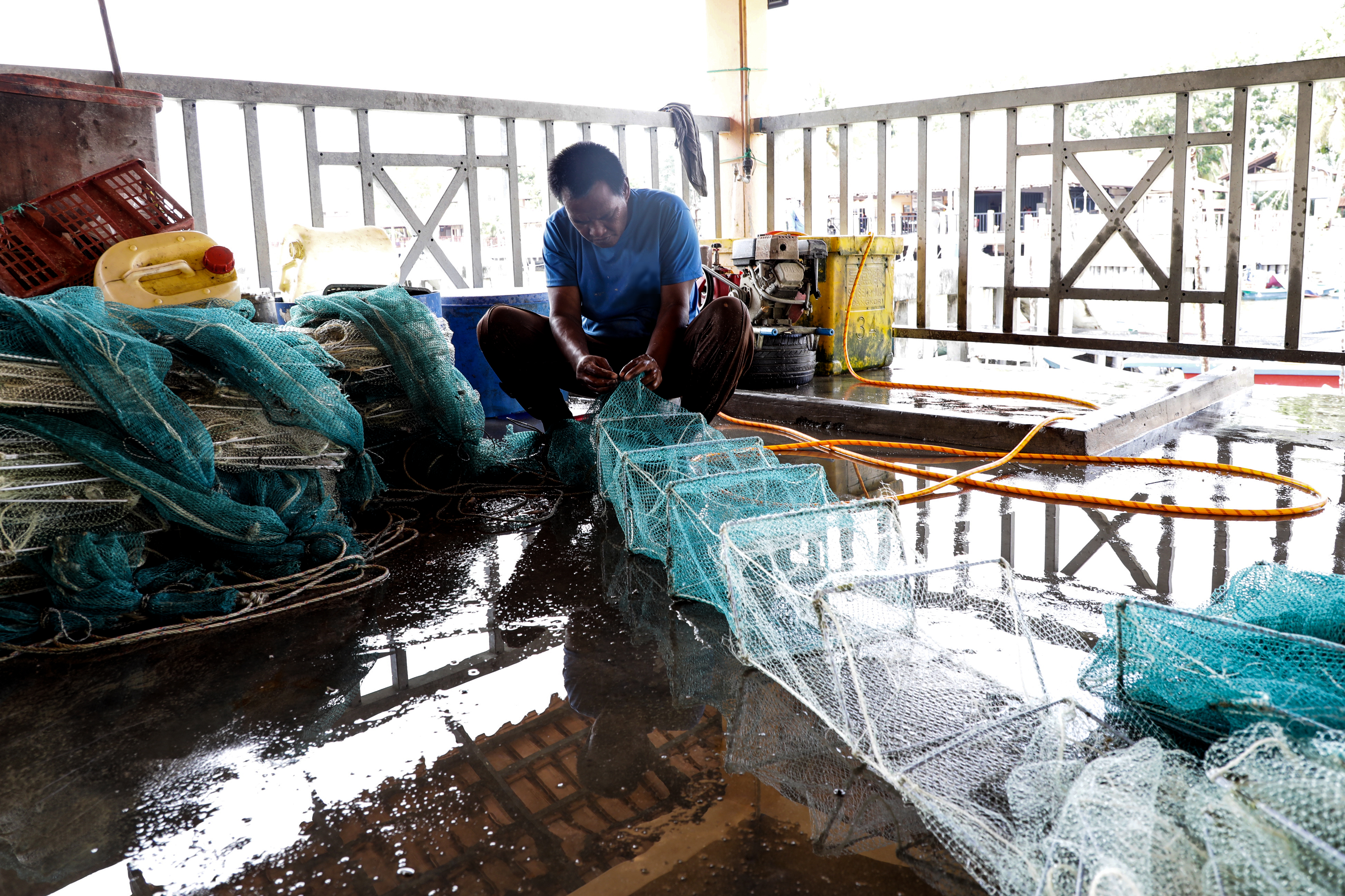
He said the district’s location near the Strait of Malacca makes the fisheries sector one of the main economic sources through fishing activities, aquaculture, and seafood-based industries.
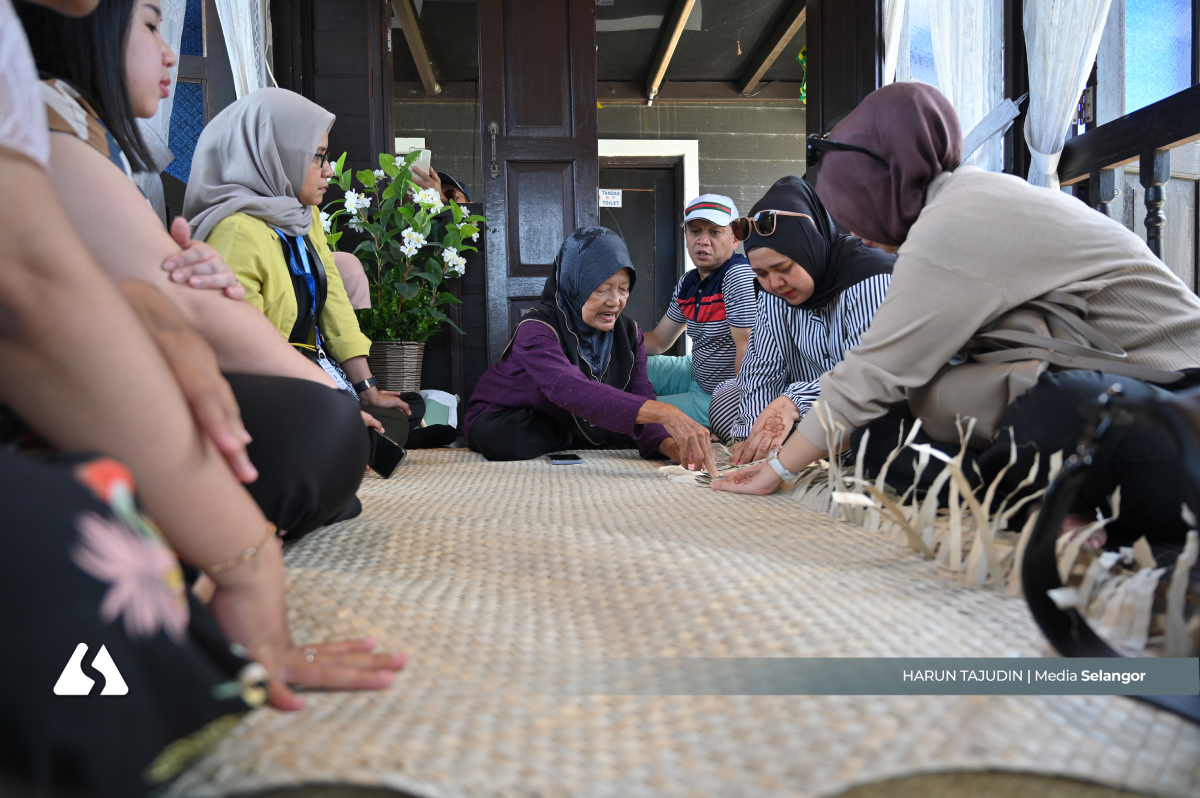
The small and medium industry (SMI) sector, as well as rural entrepreneurship, also continue to grow through the production of traditional food products, handicrafts, and village-based enterprises by local communities.