
SHAH ALAM, May 1 — The adoption of artificial intelligence (AI), automation and smart aquaculture systems under the proposed Sungai Lang Fisheries Zone (ZIPS) could significantly boost productivity, said experts.
However, they stressed that strong skilling and support systems, including in technical and vocational education and training (TVET), are crucial to ensure inclusive benefits for local communities.
According to Prof Dr Yeong Yik Sung, director of Universiti Malaysia Terengganu’s Institute of Climate and Marine Biotechnology (ICAMB), integrated facilities such as processing hubs, logistics centres, and research and development (R&D) units would play an important role in elevating Malaysia’s fisheries industry value.
“Through its focus on the creation of ready-to-eat (RTE) seafood and biotech products rather than on the selling of fresh catch, the industry can capture more value from the global value chain.
“Sophisticated cold chain logistics (would) minimise post-harvest losses, and R&D investments (would) spur innovation in fish feed sustainability and pharmaceuticals, guaranteeing that Malaysia’s seafood meets high international standards of food safety and quality and lowering the nation’s dependence on foreign seafood imports.
“Such a business model improves capacity-building among industries, develops aquaculture product innovations in the ASEAN region, and showcases best practices in Vietnam, Thailand, and Indonesia,” he told Media Selangor recently.
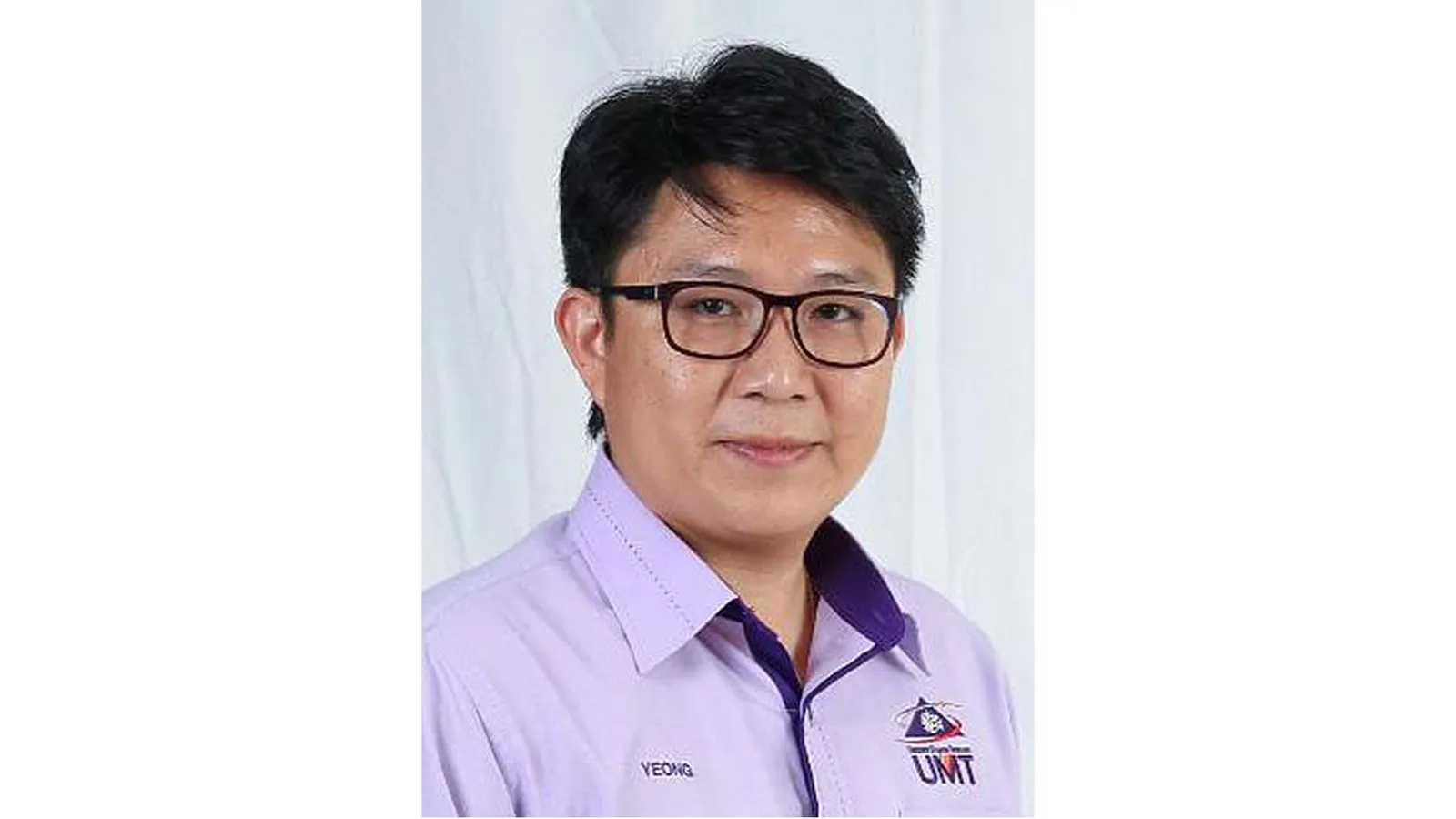
He said AI tools could help small-scale fishers monitor fish growth, health and water conditions, while automation allows aquaculture systems to be controlled remotely via mobile devices, reducing the need for manual labour.
However, he emphasised that such transformation would require strong capacity building.
“This requires providing extensive training to the communities,” he added.
Echoing this, Universiti Sains Malaysia lecturer Prof Dr Illisriyani Ismail, who specialises in fisheries and agriculture economics, said AI and smart systems could enhance decision-making and operational efficiency across the fisheries sector.
For example, predictive analytics can help forecast fish stock movements and weather conditions to improve fishing and farming decisions, while automation in grading, sorting, packaging, and feeding systems would improve efficiency and reduce labour costs.
“Smart aquaculture systems such as the Recirculating Aquaculture Systems (RAS) and the use of IoT can help monitor water quality, oxygen levels, temperature, and disease risks in real time, although this technology is still relatively new and costly, especially for small-scale farmers,” she said.
However, she noted that uptake remains difficult for smaller players, stressing that traditional communities would require adequate training, accessible financing, and ongoing technical support to adapt effectively.
Without such support, she warned that new technologies risk benefiting larger operators disproportionately and widening the gap with small-scale fishers.

Both Yeong and Illisriyani highlighted that integrated facilities under ZIPS would strengthen the entire fisheries value chain, from landing and processing to storage and export preparation, which would improve product quality and international standard compliance.
They stressed that policy support including training programmes, incentives and industry collaboration will be critical to ensure that technological advancements translate into higher productivity, value creation and inclusive growth within the sector.
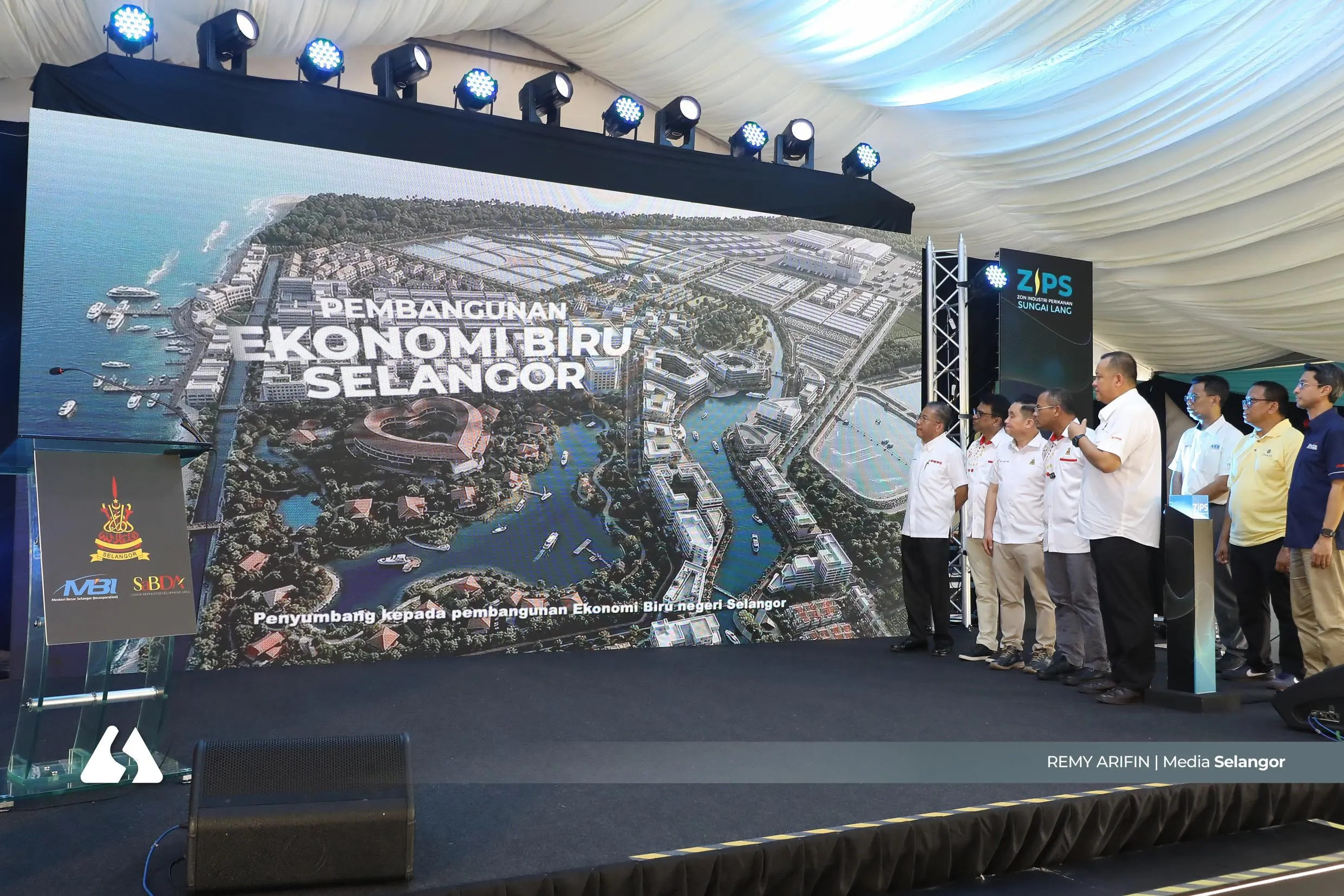
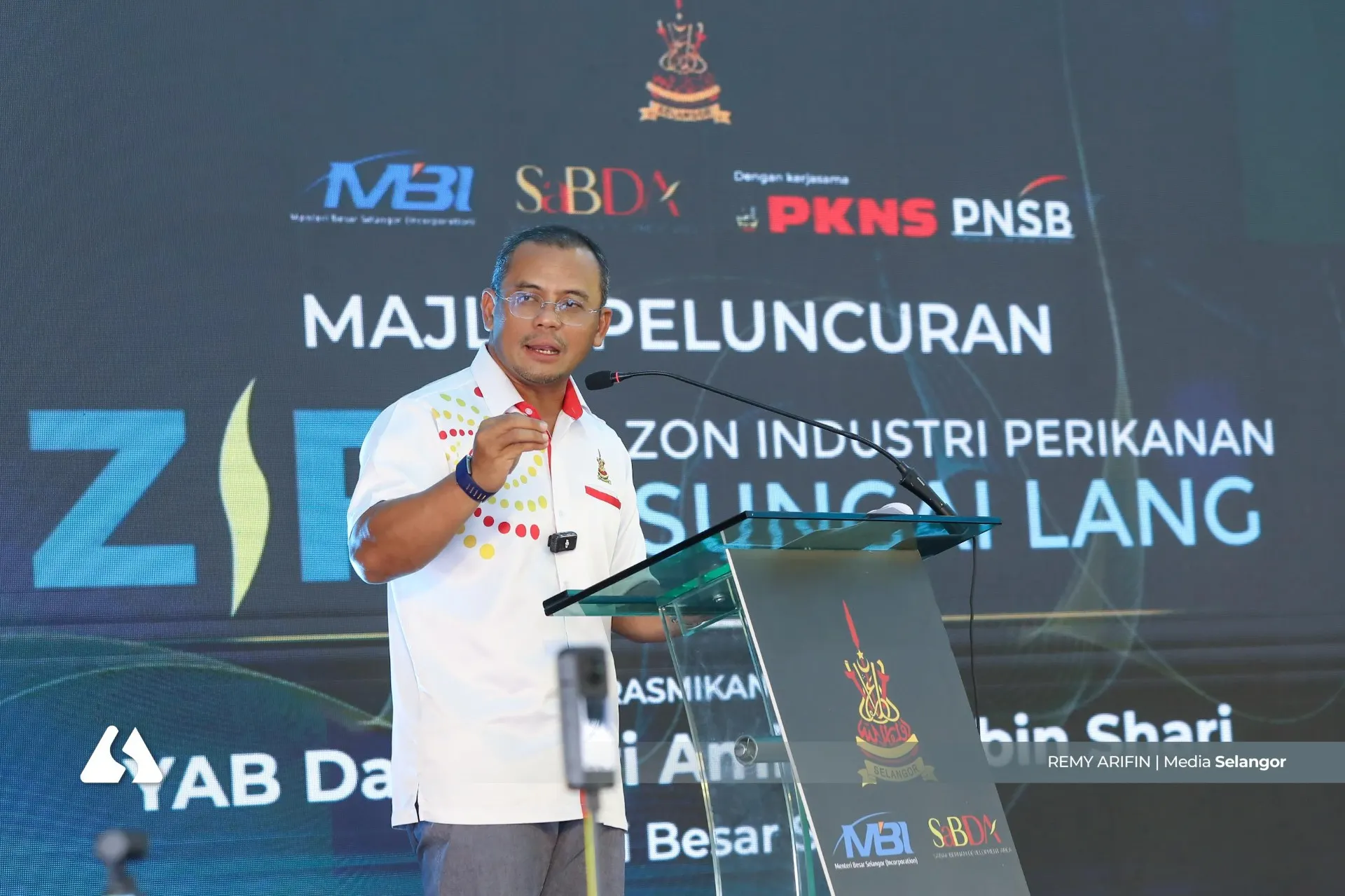
On April 25, the Selangor government launched a 242ha ZIPS site in Sabak Bernam, which Menteri Besar Dato’ Seri Amirudin Shari said would be equipped with a processing and logistics hub, frozen supply chain facilities, and a research and innovation centre, aimed at strengthening the state’s fisheries supply chain value from production to marketing.
ZIPS is a strategic initiative under the Sabak Bernam Development Area (SABDA) and will be implemented by Menteri Besar Selangor (Incorporation), or MBI, with cooperation from Permodalan Negeri Selangor Bhd (PNSB) and the Selangor State Development Corporation (PKNS).