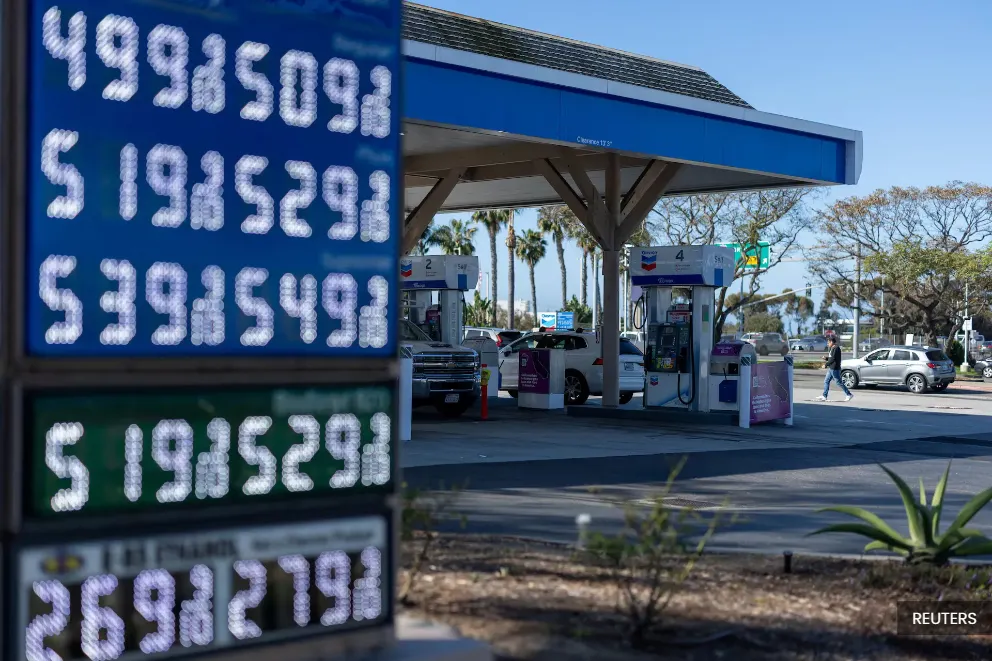
WASHINGTON/NEW YORK, March 10 — Escalating military tensions in the West Asia have rattled global energy markets amid supply security concerns, while skyrocketing oil prices pushed up United States (US) gas prices, forcing Americans to pay the price for the joint US and Israeli attacks on Iran.
Anadolu Ajansı reported that in response to the joint attacks, Tehran’s retaliatory closure of the Strait of Hormuz disrupted traffic through one of the world’s most critical oil transit points.
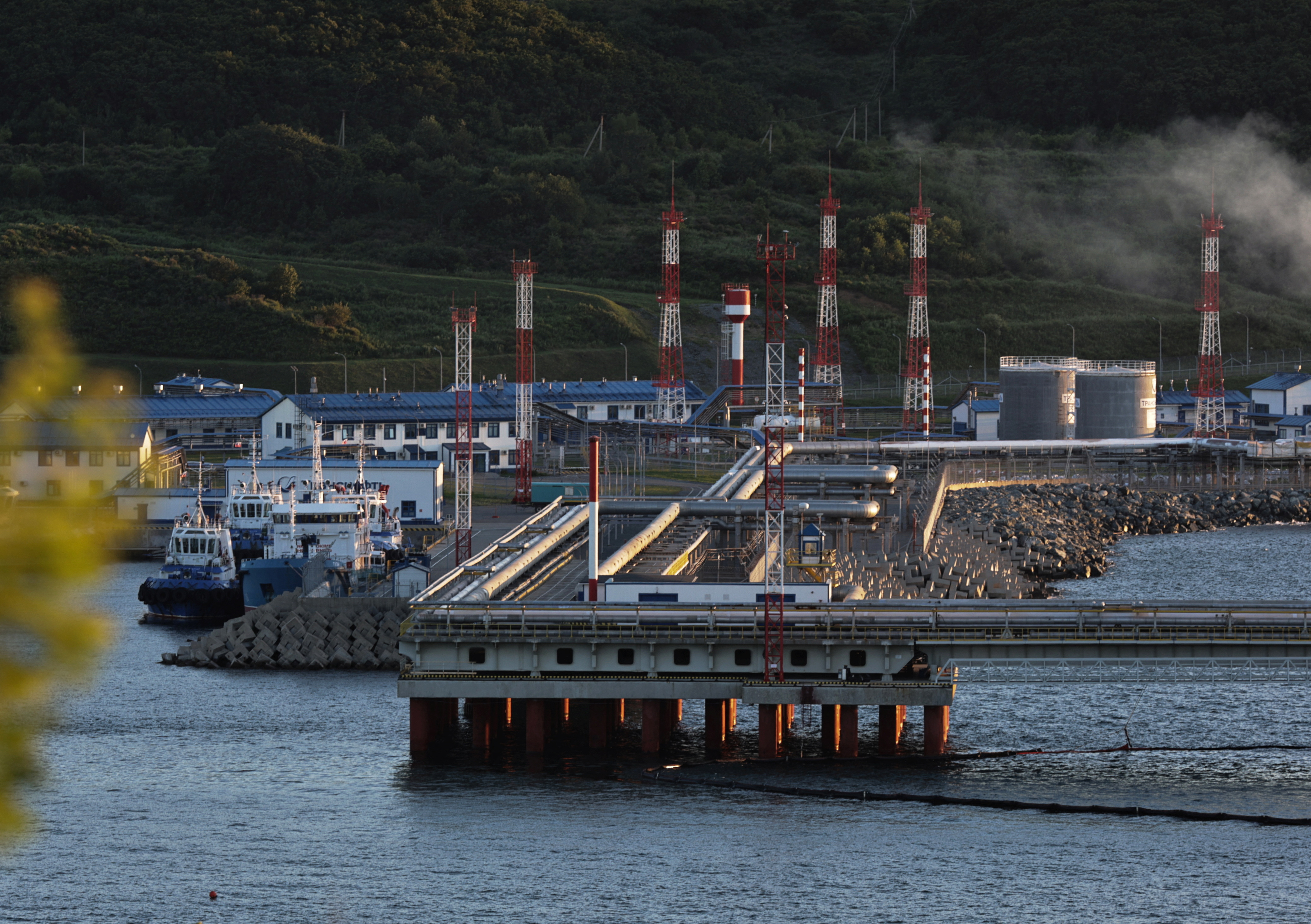
Tanker traffic in the region came to a standstill, disrupting roughly one-fifth of global oil supply and affecting shipments from producers such as Saudi Arabia, Kuwait, the United Arab Emirates, and Iraq.
Some refineries partially halted production, while others scrambled to refill their stocks. Tehran’s retaliatory attacks on neighbouring countries' energy infrastructure further deepened the supply crunch.
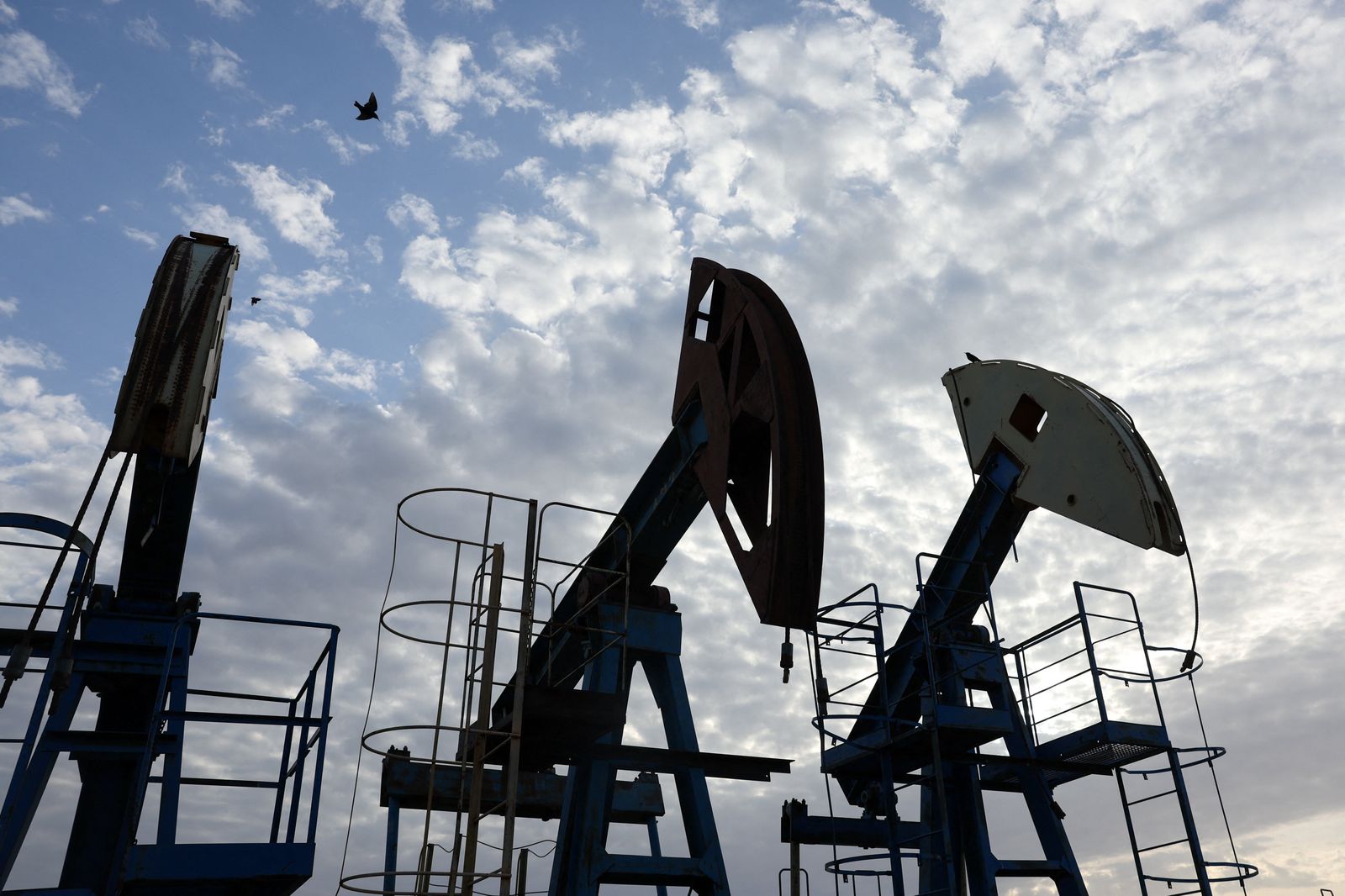
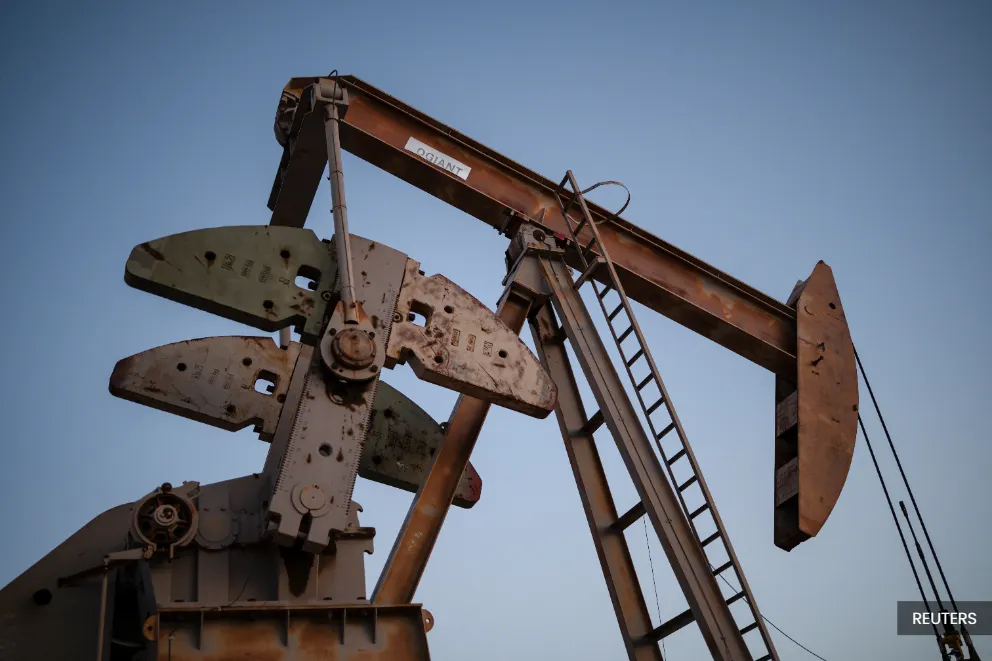
Brent crude oil has risen to more than US$114 per barrel since the conflict began, reaching US$120 on Monday.
In an interview on CBS News, US President Donald Trump said the war could end soon, noting that the US had achieved its objectives faster than the previously predicted four-to-five week timeframe.
He also suggested seizing the Strait, causing Brent crude oil to fall below US$84 per barrel.
At a Miami press conference, Trump claimed the US had destroyed Iran’s nuclear and missile capabilities, as well as its navy and said the war would end soon. He threatened further military action if Tehran disrupts the global oil supply.
Analysts have remarked that Brent crude oil could reach up to US$150 per barrel if military strikes in West Asia continue and supply disruptions persist.
Each US$1-per-barrel increase in oil prices pushes US gas prices up by ¢2.5.
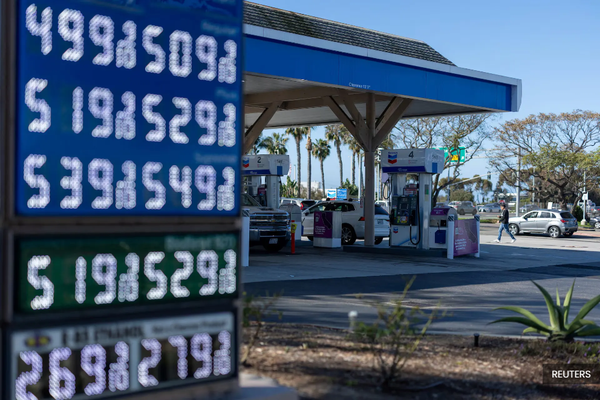
The American Automobile Association (AAA) reported that the average US gas price surged 16 per cent from last week to US$3.48 per gallon, up from US$2.99 a week ago and US$2.9 a month ago.
Gas prices in the US vary by state. California has the highest average at US$5.2 per gallon. Following California, gas costs US$4.63 per gallon in Washington state, US$4.52 in Hawaii, and a little over US$4 per gallon in Nevada and Oregon.
The average gas price remains under US$3 per gallon on average in Arkansas, Missouri, Oklahoma, and Kansas.
The rise in oil prices also drives up gas prices — not only for passenger cars but also for diesel, which is key for the logistics sector — as well as jet fuel prices in the aviation sector.
As tankers are stranded in the Strait of Hormuz, tightening crude oil supply worldwide and adding to price pressure, the rise in energy costs is under the spotlight, as rising prices can impact macroeconomic balances.
The US Federal Reserve (US Fed) has been trying to bring inflation down to its two per cent target for a long time, but recent energy price surges may add upward pressure again.
Fuel prices can drive up logistics costs for food and other basic consumer goods as transport costs surge.
The US Consumer Price Index (CPI) rose 2.4 per cent year-on-year in January, signalling a slowdown, but the risk of a prolonged energy shock after tariffs gave way to the risk of inflation deviating from the target.
If the conflict ends quickly, prices could bounce back within a few weeks, but analysts say Washington’s refusal to accept anything other than an unconditional surrender from Iran and the ongoing risks to strait traffic despite tanker protection pledges complicate market decisions.
American Enterprise Institute senior fellow Steven Kamin told Anadolu that the impact on inflation depends on how high prices are and how long they remain high.
Oil price shocks may lead to increases in inflation and inflation estimates if monetary policy is not offsetting them, as in the 1970s.
He noted that inflation will begin to decline again toward the two per cent target if the war in Iran ends and oil prices fall, and that there will be no new waves of tariffs.
The US Fed generally maintains current rates in the face of temporary oil price shocks, but the bank is already under a lot of pressure with job growth slowing and inflation running above the target, so the bank may maintain rates in its next few meetings.
A recent Oxford Economics analysis shows the US economy will remain resilient, but rising oil prices will widen the gap between low- and high-income consumers.
The longer the military conflict lasts, the more American households will feel the pressure of high prices, while high oil prices risk slowing investment and employment amid a real income shock and heightened uncertainty.
The US Fed is generally expected to resume rate cuts by mid-year despite the conflict, according to the analysis.
It may deem high oil price-induced inflation increases as a one-off development, but would remain alert to any movements in long-term inflation estimates, which have been calm so far.