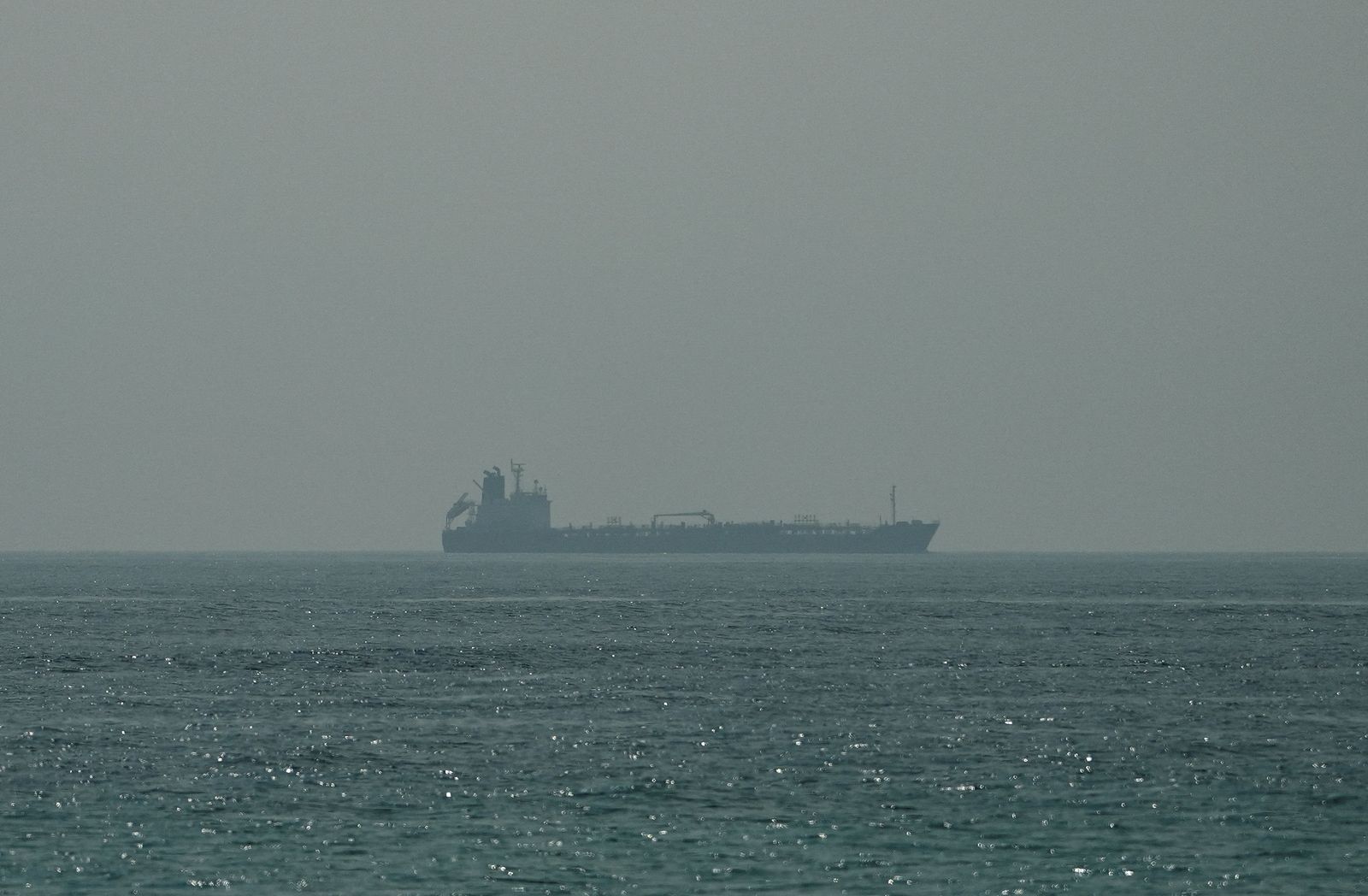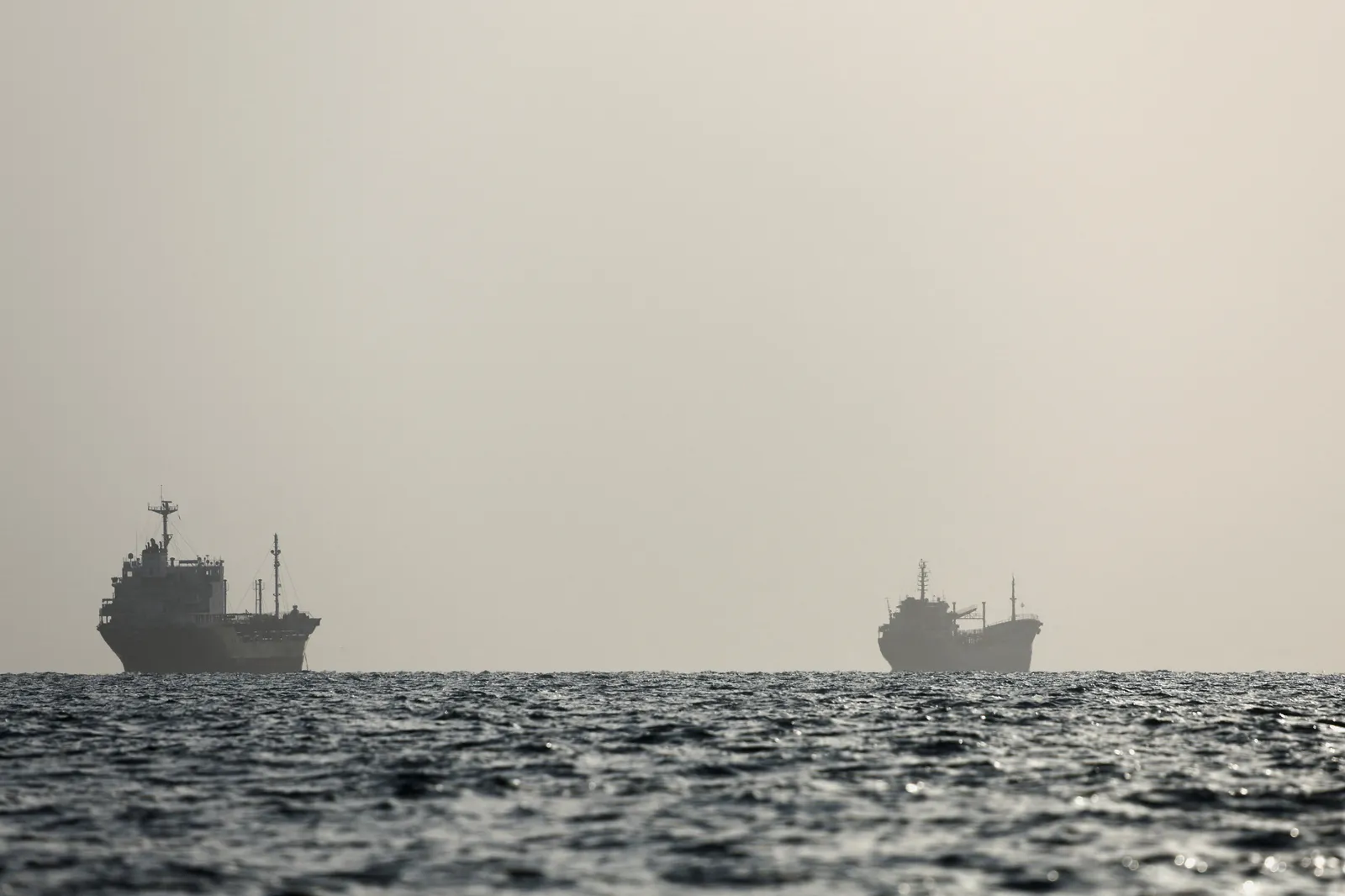
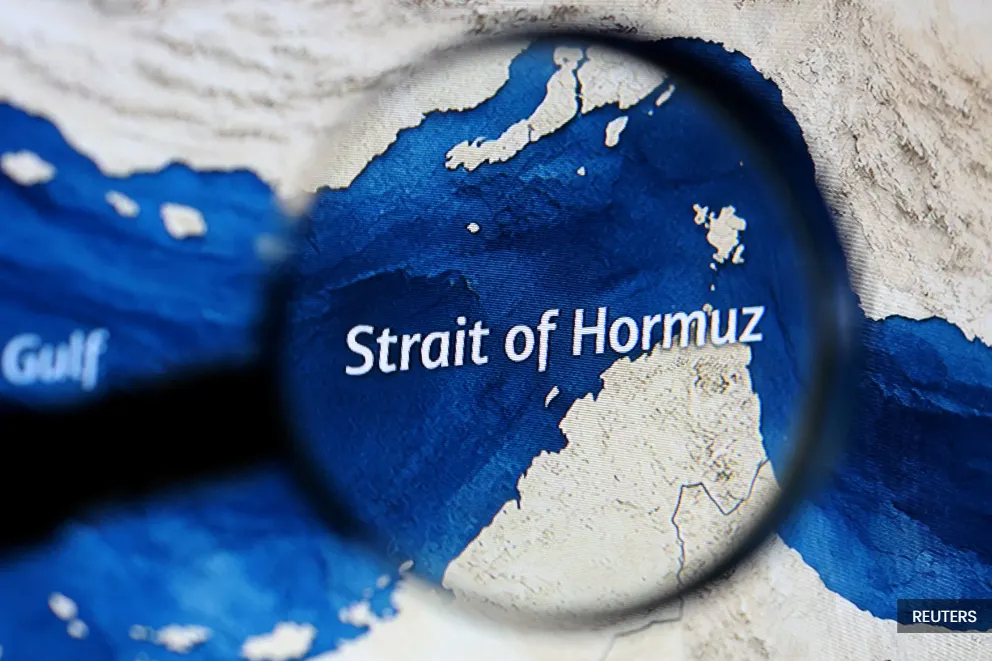
KUALA LUMPUR, April 18 — Iran’s move to reopen the Strait of Hormuz is welcome news, but it is too early to celebrate as the security situation remains fragile with elevated insurance costs, said the University of Nottingham Malaysia assistant professor of business economics Tan Chee Meng.
“Shipping volumes through this critical energy chokepoint remain subdued, reflecting the fact that the security situation is still fragile.
“As long as the conflict remains volatile, many shipping firms will judge it too risky to commit vessels to the route without clearer and more durable assurances that hostilities will not flare up again,” he told Bernama.
Commenting on the latest development, Tan added that the last thing operators want is to dispatch tankers through the strait only to see it closed or disrupted again before they can complete their journeys.
On Friday, Iran’s Foreign Minister Abbas Araghchi declared the strait “completely open” for all commercial vessels, linking it to the ceasefire in Lebanon.
In a post on X (formerly Twitter), he said the decision was made "in line with the ceasefire in Lebanon". A day earlier, United States (US) President Donald Trump had announced a 10-day ceasefire between Israel and Lebanon.
Meanwhile, Tan said a more immediate constraint on traffic is the cost and availability of insurance.
During the US-Israel war on Iran, war‑risk premiums and deductibles surged, making transiting the strait significantly more expensive.
"Assume that a US$500,000 cargo is insured with a deductible of US$5,000. If the cargo sustains US$50,000 in damage, the insurance firm will pay only US$45,000 in compensation, with the remaining US$5,000 borne by the insured.
"However, with the heightened risk, this ratio changes drastically to the point where it is no longer economically viable for both the shipper and insurance firms.
“Those elevated insurance costs have not fallen in line with the reopening, and many shipowners are unwilling to absorb or pass on these additional costs, which helps explain why traffic has been slow to return,” he said.
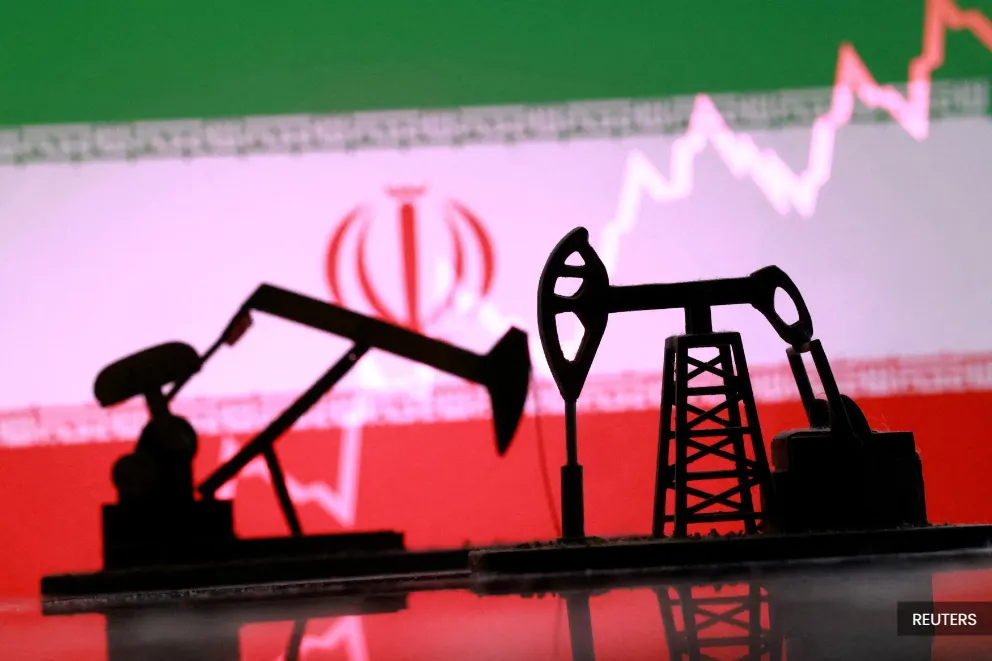
Even with the recent easing in crude prices, Tan noted that a rapid return to pre‑war conditions is unlikely.
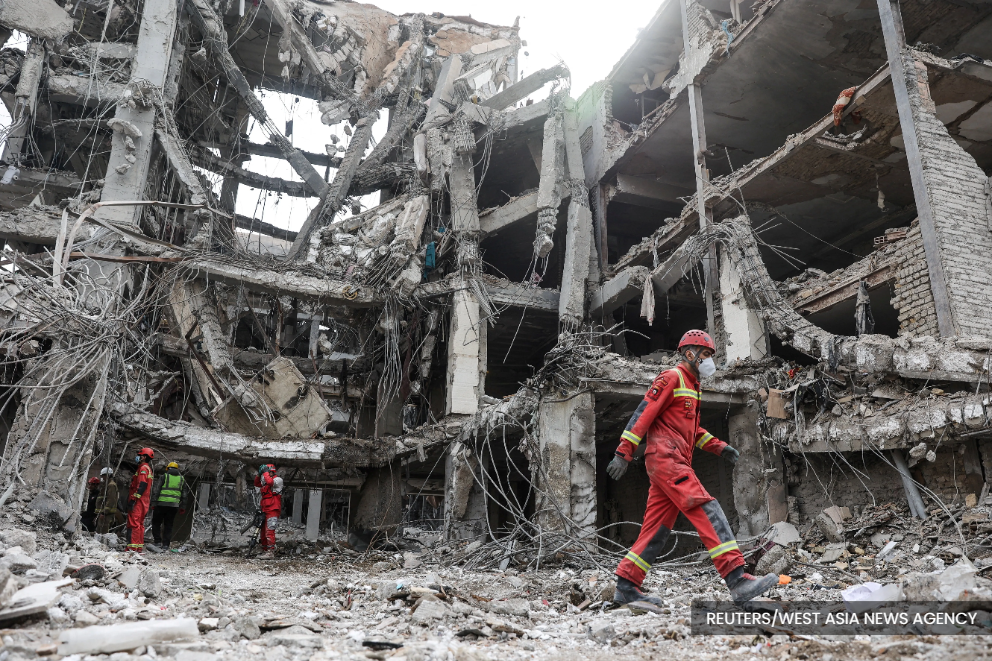
“Key parts of Iran’s energy‑producing and export infrastructure have been damaged, and repairs and reconstruction will take many months, if not longer.
“Until that capacity is restored and supply normalises, oil markets are likely to remain tight and prices relatively elevated,” he said.