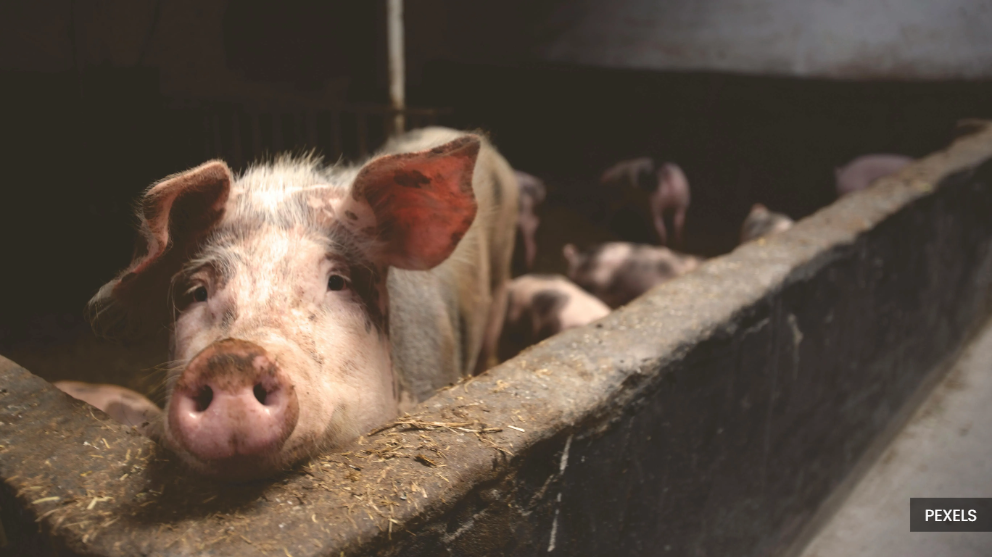
SHAH ALAM, Jan 29 — Selangor is committed to shutting down heavily polluted traditional pig farming areas and relocating them far from residential zones, said Menteri Besar Dato’ Seri Amirudin Shari.
The Gombak MP explained that environmental degradation would persist if such operations are allowed to continue and reiterated that affected sites, including heavily polluted areas in Kuala Langat, require long-term rehabilitation before any future use can be considered.
“We want to close down traditional farming areas that are polluting (the environment). If we do not shut them down, pollution will continue.
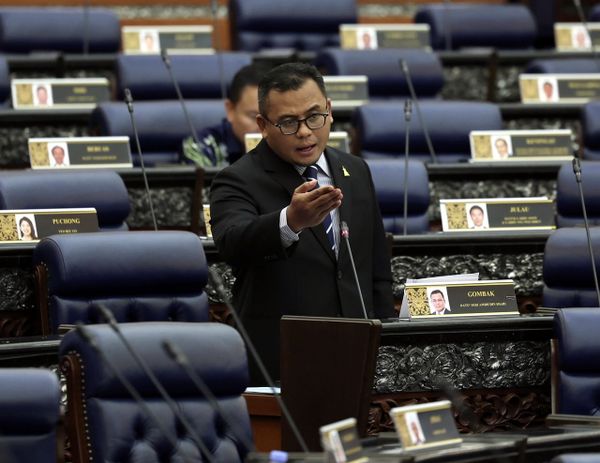
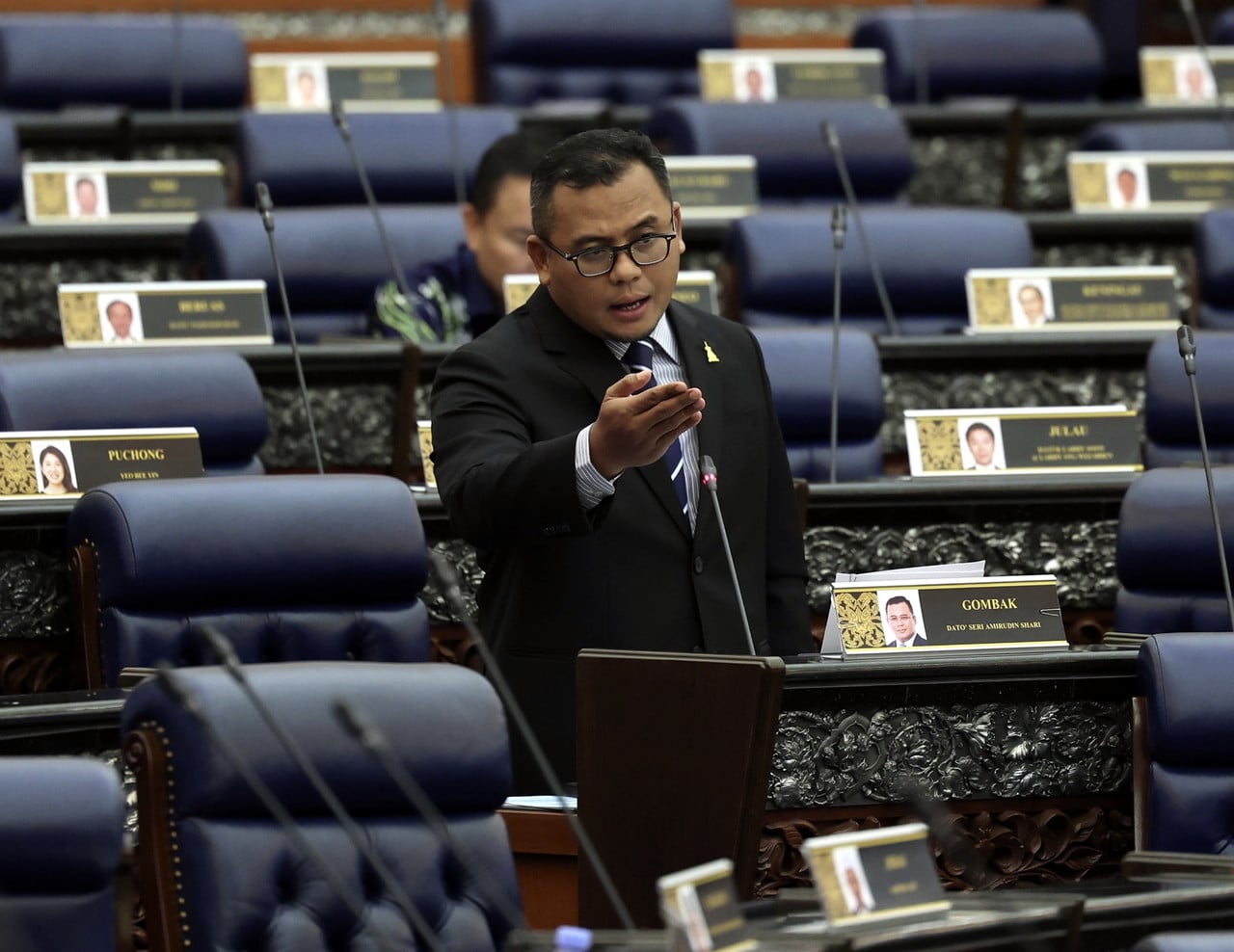
“The affected areas are already contaminated, degraded, and damaged. That is why we want to relocate the farms to locations that are much farther away, more contained and equipped with their own proper systems, as has been done in other states,” he said when debating the royal address in the Dewan Rakyat today.
Amirudin was responding to Hulu Langat MP Mohd Sany Hamzan’s query on pig farming activities in Selangor, amid brouhaha and political debate over the operations in the state.
Previously, on January 8, state executive councillor for infrastructure and agriculture Dato’ Izham Hashim said that the state government would only allow pig farming activities to be carried out at Ladang Tumbuk in Tanjung Sepat, Kuala Langat, beginning this year to streamline environmental management and strengthen disease control measures, before relocating to Bukit Tagar, Hulu Selangor, in 2030.
Two days later, the Sultan of Selangor Sultan Sharafuddin Idris Shah Alhaj expressed disappointment and disagreement with the plans, prompting the state government to bring forward the relocation to this year.
However, on Friday (January 23), Prime Minister Datuk Seri Anwar Ibrahim called for the proposed central pig farm in Bukit Tagar, which has raised concern among residents, to be either put on hold or relocated to a more suitable site.
On Monday (January 26), Amirudin said the proposed Bukit Tagar pig farm project has been postponed for the state government to explore alternative plans.
In his Dewan Rakyat speech, the Menteri Besar said that Selangor is not the first state to relocate pig farming activities, as similar models have already been implemented in Perak, Sarawak, and Negeri Sembilan.
He added that the proposed relocation would involve designated areas far from residential settlements, with a controlled scale aimed mainly at supplying the local market.
Addressing concerns over pollution from pig farming activities, the Pakatan Harapan lawmaker cited a Universiti Putra Malaysia (UPM) study which indicated that at least six years of soil recovery would be required in some affected areas due to long-term contamination.
"What was the issue before? No investors were willing to proceed because the costs were high. The government also did not want to invest, as we felt it was only responsible for 30 to 40 per cent of the local market.
"Now, investors are coming forward. Why do we not carry it out in that area (Tanjung Sepat)? We want to, but it requires rehabilitation.
“UPM has recorded that a minimum of six years of soil recovery is needed with the proper approvals,” Amirudin said, reiterating that Selangor has no intention of opening a mega pig farm for export purposes.