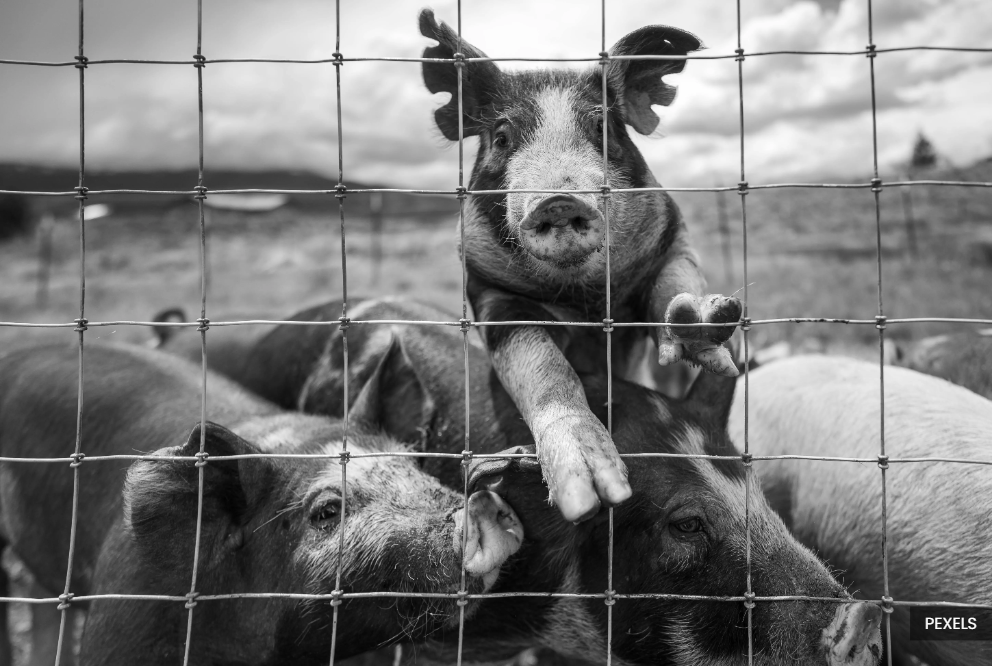
SHAH ALAM, Jan 12 — The state government will bring forward the relocation of pig farms in the districts of Kuala Langat and Sepang to Bukit Tagar, Hulu Selangor, this year, accelerating the plan from the initial proposed 2030 timeline.
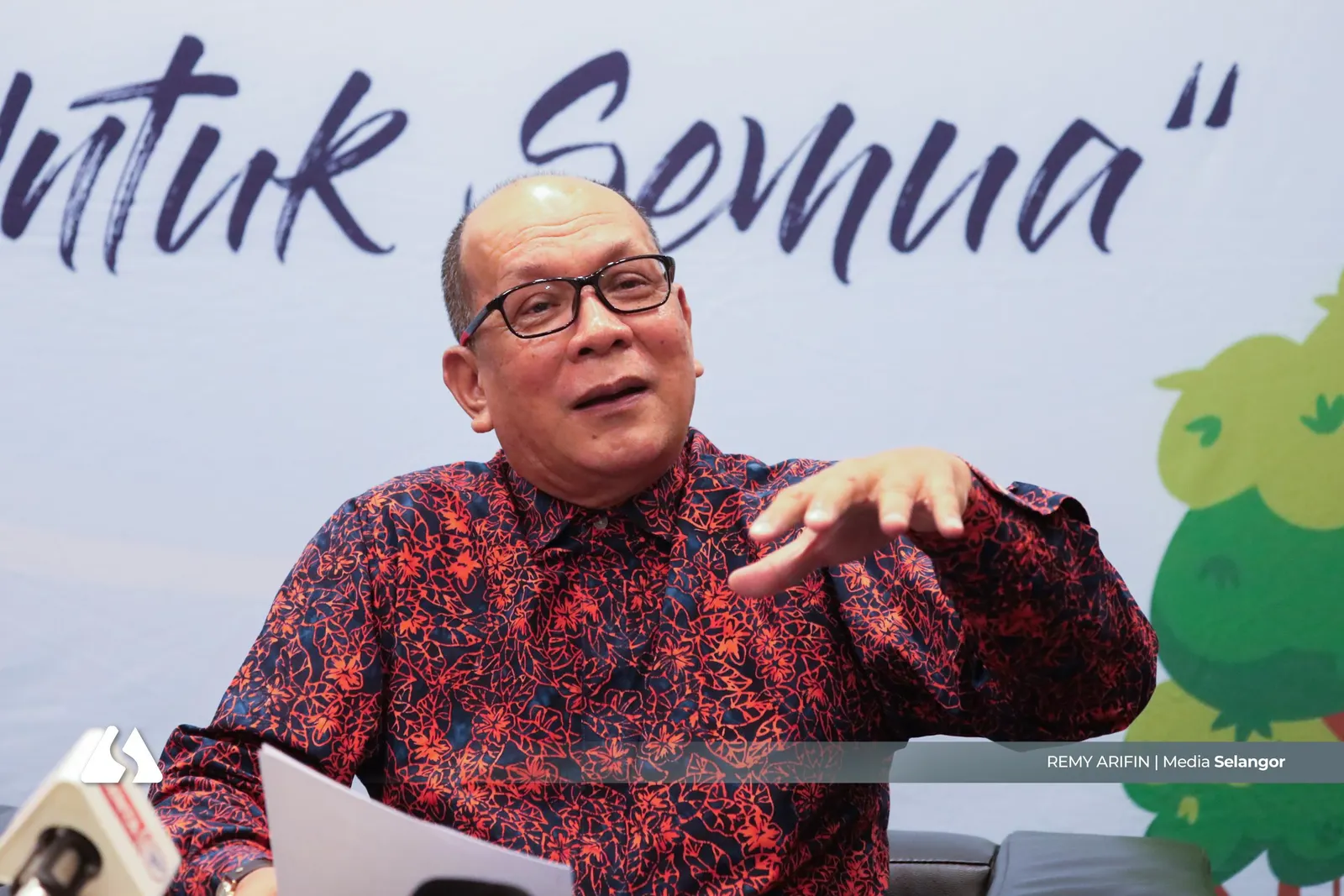
State executive councillor for infrastructure and agriculture Dato’ Izham Hashim said the issue was discussed during the State Executive Council (MMKN) meeting and in a 45-minute royal audience with the Sultan of Selangor Sultan Sharafuddin Idris Shah Alhaj earlier today.
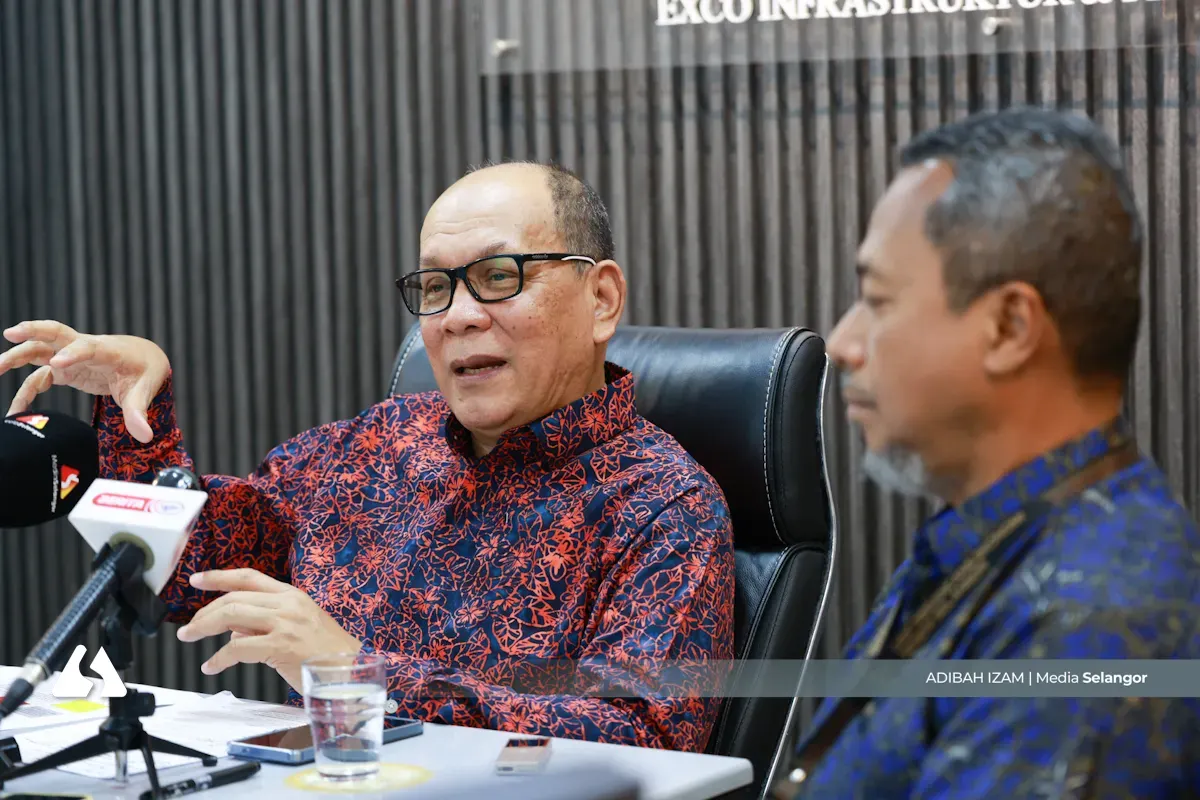
“The state respects and takes into account His Royal Highness’ views and concerns, and what was discussed is actually aligned with the government’s recommendations,” he said during a media conference to address questions on the issue at the State Secretariat Building today.
Izham added that the project will be carried out through private initiatives, without state funding.
“This is a private sector initiative. The state government’s role is to facilitate and speed up approvals. No state funds will be used,” he said.
The councillor noted that no new pig farming licences will be issued until the relocation is completed, with 115 farms currently operating in Selangor, housing an estimated 100,000 pigs.
The Bukit Tagar site will span some 500 acres and feature enclosed farming systems, adequate buffer zones, and environmental controls to manage odour and wastewater discharge.
Izham said that the existing pig farming sites will undergo land rehabilitation and be repurposed for agricultural use.
Farmers will be given a grace period before relocation, but only those who comply with strict conditions will be allowed to operate at the new site.
“We will choose a location far from residential areas, with sufficient buffer zones. The area is large because buffer zones are needed not only around the perimeter but also between farms,” he said.
Earlier on Thursday (January 8), Izham said that the state government would only allow pig farming activities to be carried out at Ladang Tumbuk in Tanjung Sepat, Kuala Langat, beginning this year to streamline environmental management and strengthen disease control measures.
The modern pig farming centre in Bukit Tagar was expected to begin operations only in 2030 due to several outstanding issues, including land acquisition.
On Saturday (January 10), Sultan Sharafuddin expressed deep disappointment and disagreement with the plan to allow pig farming in Tanjong Sepat, ahead of the relocation to Bukit Tagar in 2030, and raised concerns about the development of large-scale pig farming in a predominantly Malay-Muslim area.
Meanwhile, the councillor acknowledged that the relocation may face resistance but said firm action is needed to resolve the issue, ensuring that residents are not affected.
He also clarified that the pig farming issue in Kuala Langat is a long-standing problem inherited from previous administrations and should not be politicised, stressing that Selangor’s focus is on resolving environmental concerns like odour and water pollution, and disease risks.
“The issue here is not about restricting food needs for non-Muslims; that is not the intention. But we must also take into account environmental sustainability so that all communities can live in harmony,” Izham said.