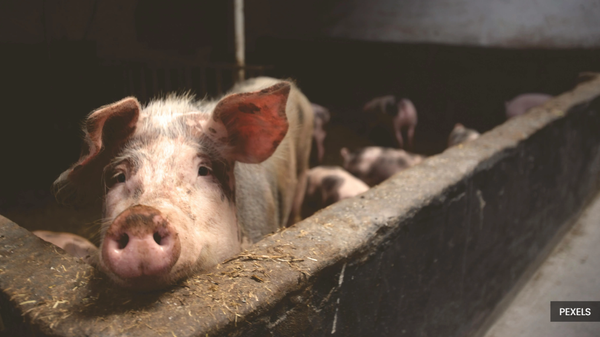
SHAH ALAM, Jan 15 — Malaysia’s pig farming industry has been on the decline for a few years, driven by the spread of African Swine Fever (ASF), rising feed costs, and stricter biosecurity controls.
In Selangor, the number of farmed pigs dropped from 265,739 in 2022 to 260,930 in 2024, even though the state is among Peninsular Malaysia’s main contributors to the industry.
There is a clear declining trend nationally, too, as the number of farmed pigs dwindled from 1.67 million in 2021 to 1.24 million in 2024 — a 25 per cent decrease in three years.
Several states have logged more significant declines, including:
Johor: 283,800 pigs in 2020 → 112,970 pigs in 2024
Penang: 341,895 pigs in 2020 → 162,757 pigs in 2024
Sarawak: 327,000 pigs in 2020 → 141,566 pigs in 2024
Meanwhile, Melaka has had no record of active pig farming since 2022, when the industry was affected by ASF.
Based on the Agriculture and Food Security Ministry’s (MAFS) Farming Statistics Book 2024, the five states with the highest number of farmed pigs were:
Perak: 421,386 pigs
Selangor: 260,930 pigs
Penang: 162,757 pigs
Sarawak: 141,566 pigs
Johor: 112,970 pigs
In line with these declining figures, the number of pigs slaughtered have also dwindled. In 2023, 1.33 million pigs were slaughtered nationwide, while in 2024, the figure declined by 15.3 per cent to 1.13 million.
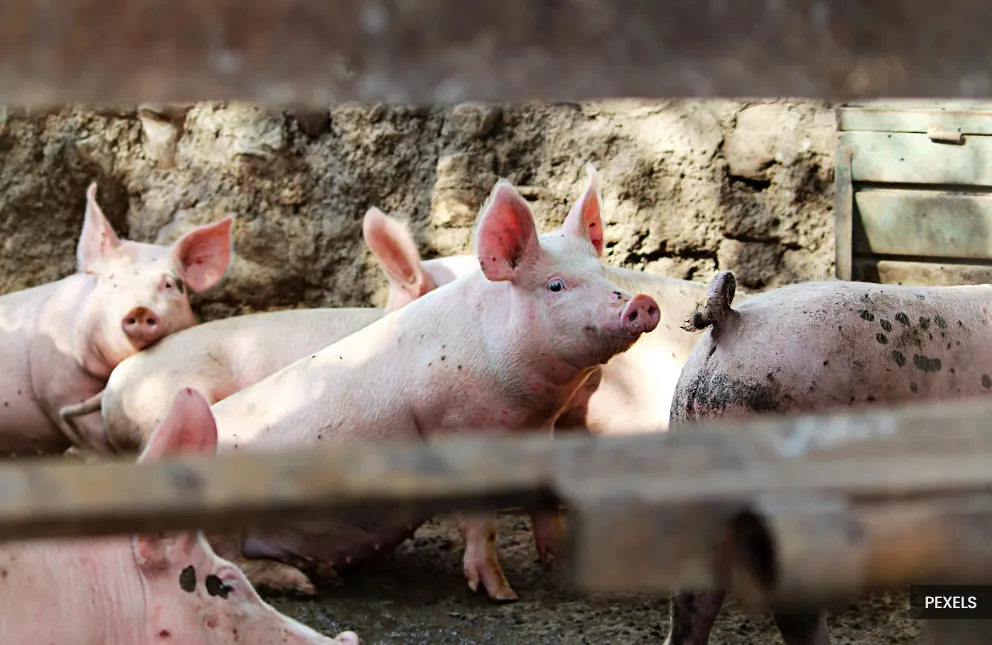
Even though it logged a decrease, Selangor remains the state with the most pigs slaughtered, with 273,059 in 2024, followed by Sarawak (226,800 pigs) and Johor (206,397 pigs), marking Selangor’s role as the nation’s main pork processing hub.
In a parliamentary reply to the Dewan Rakyat on August 7 last year, Agriculture and Food Security Minister Datuk Seri Mohamad Sabu said pigs had to be culled in several areas including Sepang and Kuala Langat to prevent the spread of ASF, which directly impacted short-term domestic production.