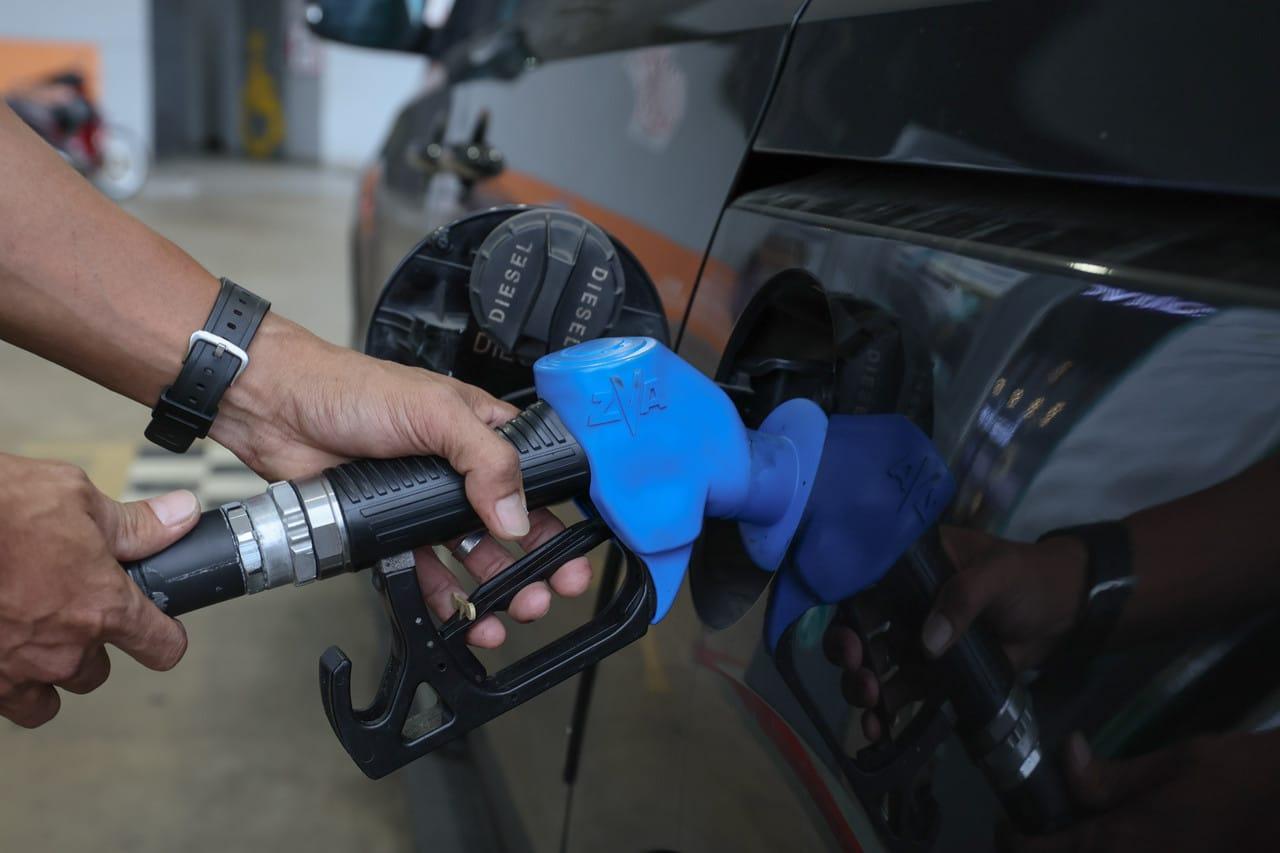
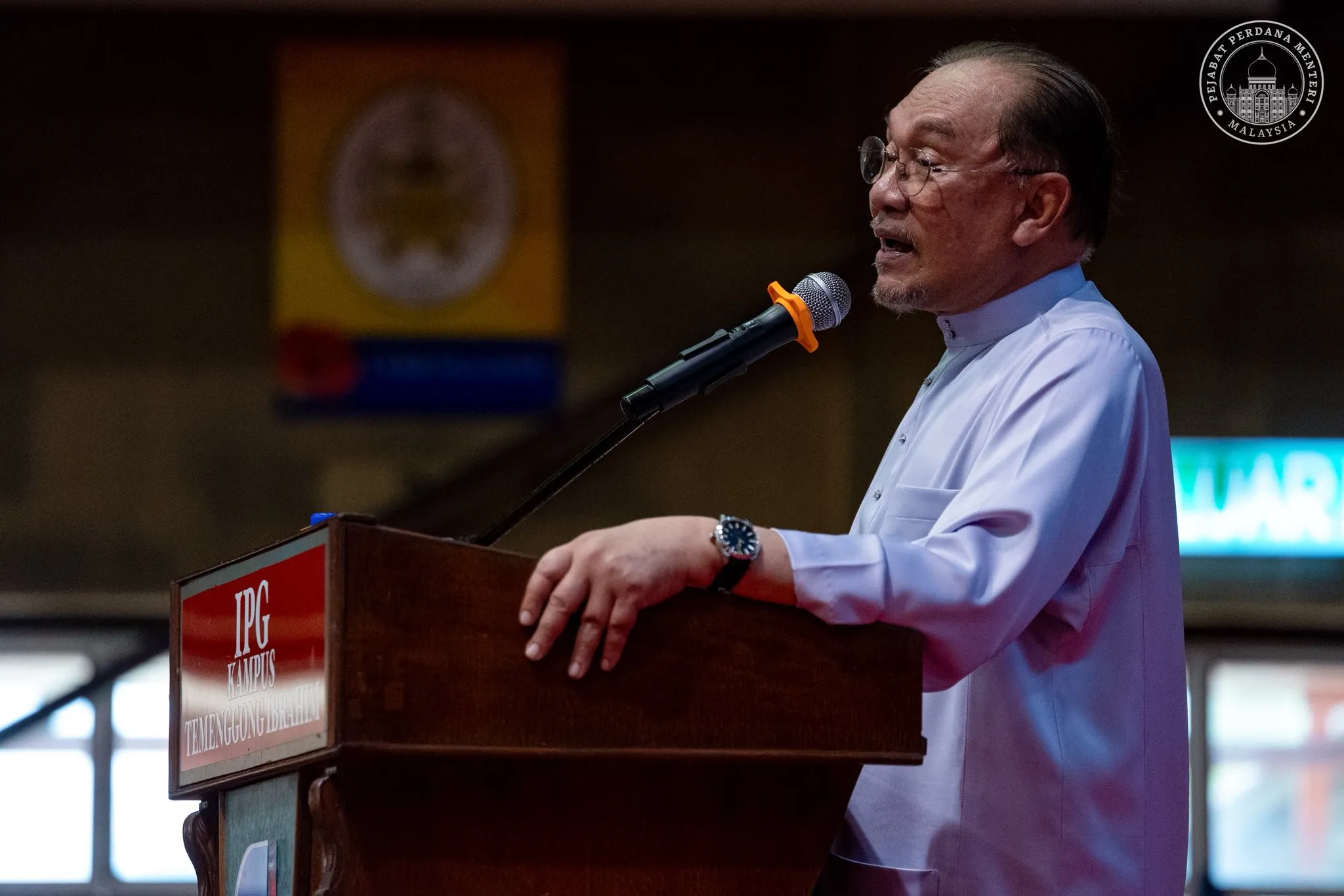
BATU KAWAN, April 25 — The government is considering lowering road tax rates for diesel vehicles soon amid the rise in diesel prices, said Prime Minister Datuk Seri Anwar Ibrahim.
He added that he has told the Transport Ministry (MOT) to propose a mechanism for the reduction, taking into account the impact of higher diesel prices on users, especially sectors that still rely on diesel vehicles.
“Reducing fuel prices is not feasible at this time, but road tax can be (lowered), and there are about 1.8 million diesel vehicles in Malaysia.
“Although the number is relatively small compared with the total, these 1.8 million vehicle owners are affected as diesel prices have increased,” he said.
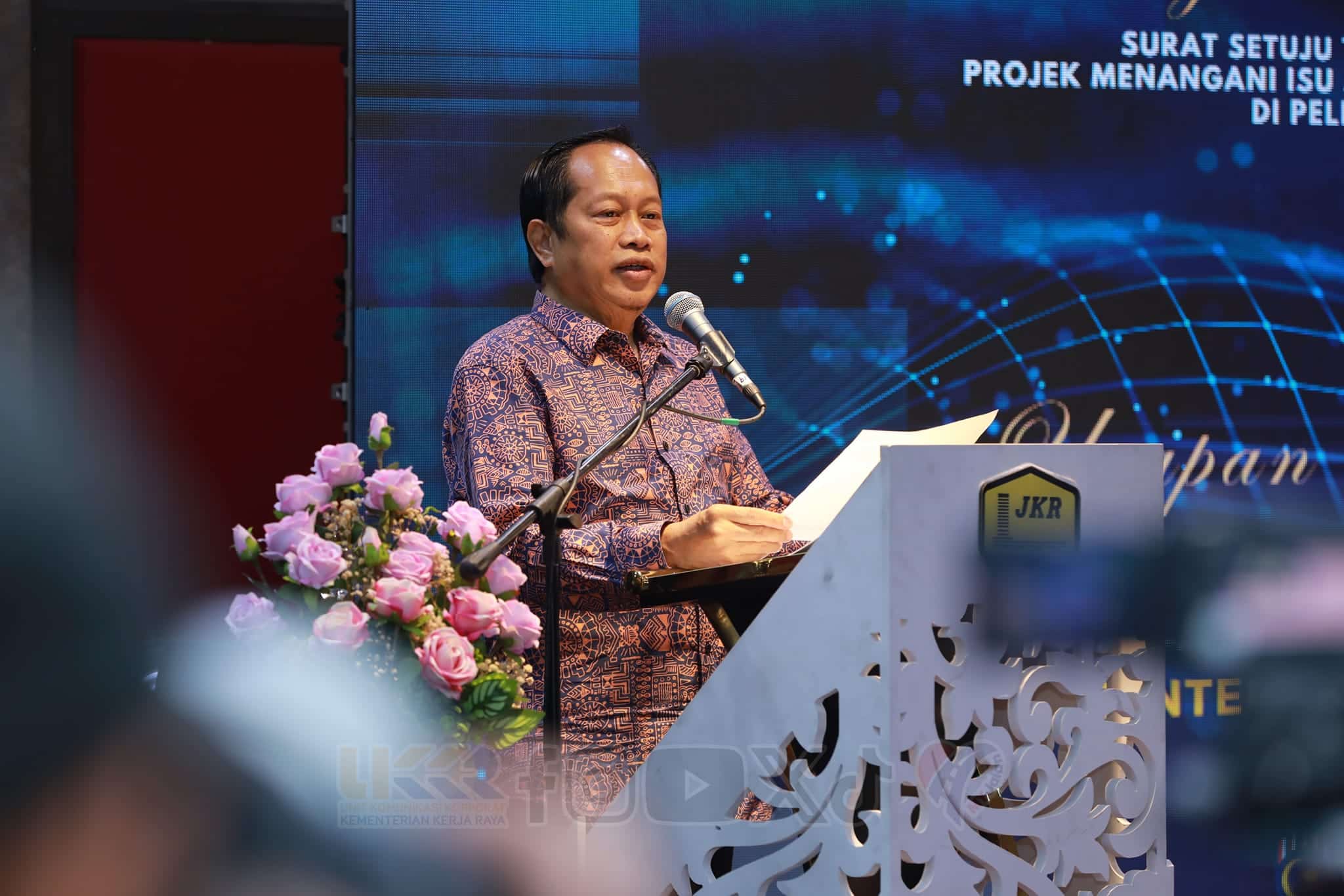
He said this at the 80th anniversary celebration of the Road Transport Department (JPJ) and the JPJ Madani Mega Carnival at the State Stadium grounds here today.
Also present were Penang Chief Minister Chow Kon Yeow, Transport Minister Anthony Loke, Chief Secretary to the Government Tan Sri Shamsul Azri Abdul Bakar, and JPJ director-general Datuk Aedy Fadly Ramli.
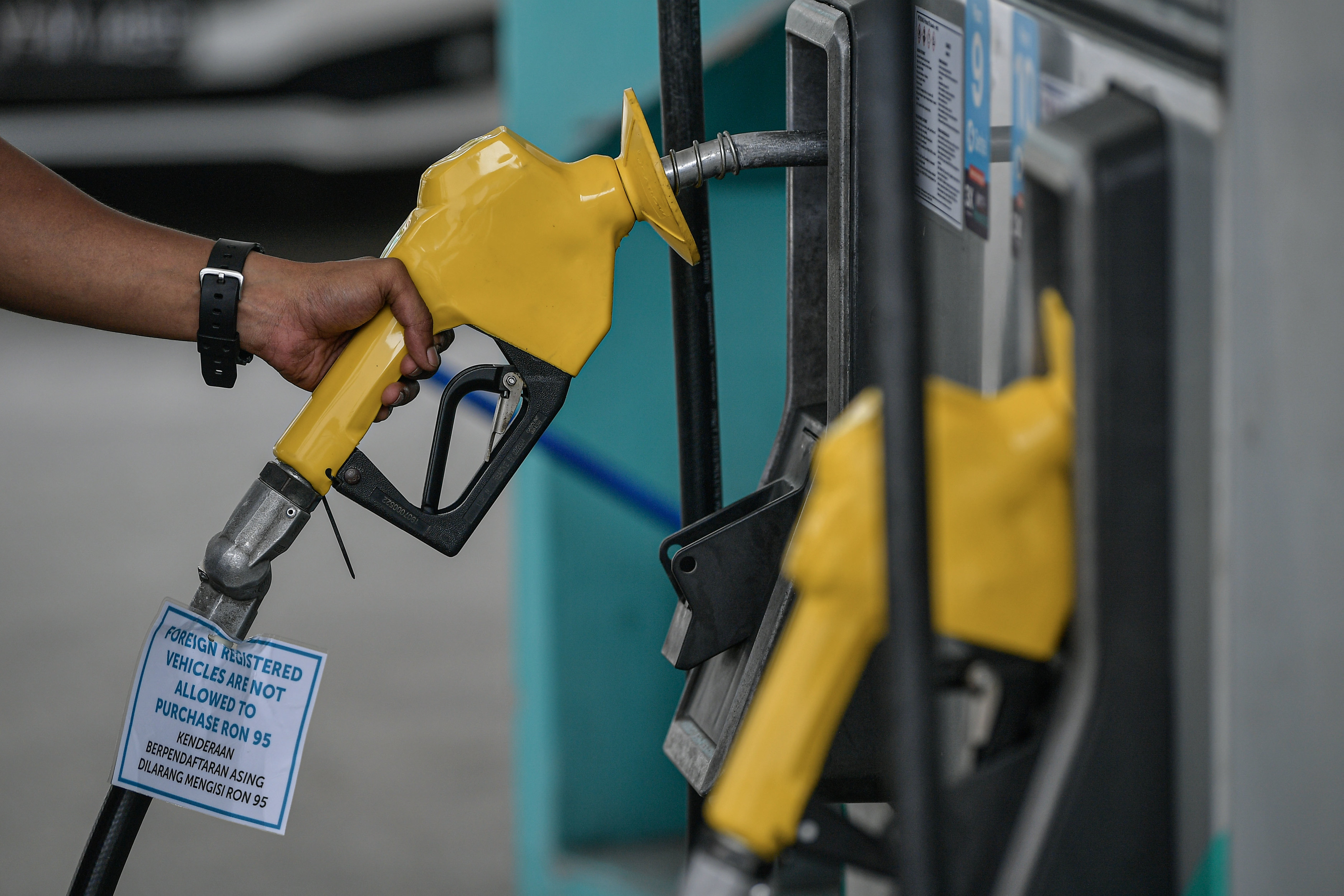
Anwar, who is also finance minister, said the government will maintain the BUDI95 programme, with subsidies amounting to about RM7 billion a month.
He said the government’s priority is not just on fuel prices, but also on ensuring sufficient supply amid global uncertainties.
Meanwhile, the prime minister stressed that Malaysia will continue to maintain good ties with all countries to safeguard its economic interests in the face of global challenges.
He said Malaysia’s independent and sovereign foreign policy enables the country to cooperate with major powers, including the United States, China and West Asian nations, despite ongoing conflicts in certain regions.
“We do not get involved militarily or in ways that would affect our good relations, but as a free and sovereign nation, we must speak out when there are serious injustices, such as when a country like Israel decides to bomb schools,” he added.
Anwar also said strong diplomatic ties also help Malaysia navigate international conflicts, particularly in West Asia, including to ensure the smooth passage of the country’s oil tankers through strategic routes such as the Strait of Hormuz.